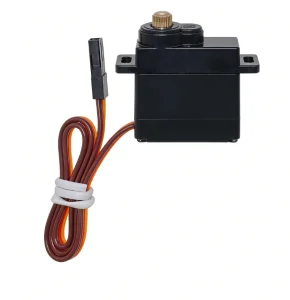
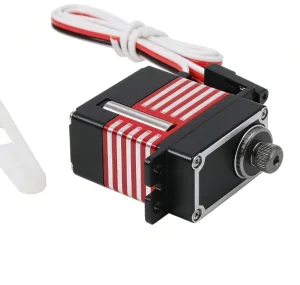
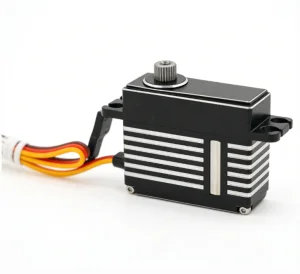
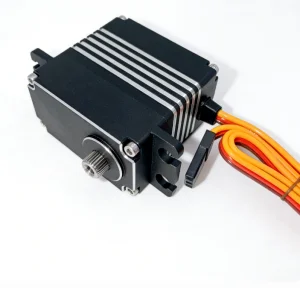
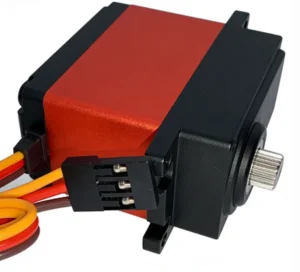
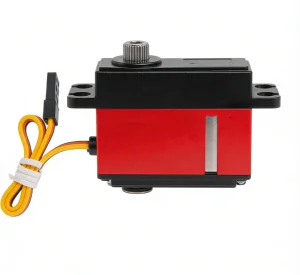
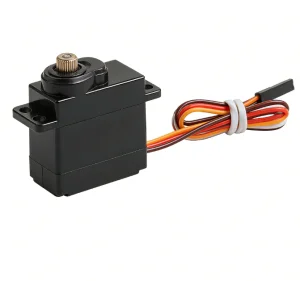
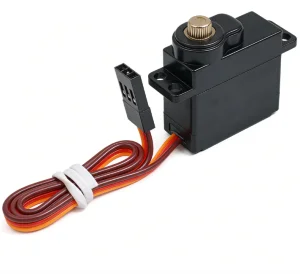
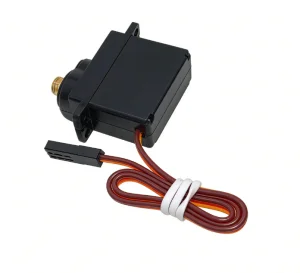
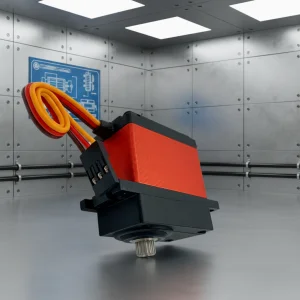
High-efficiency micro drives engineered to power critical components in aerospace, medical equipment, and modern automotive automation.
As the primary capital of Japan's historical Aichi Prefecture, Nagoya stands as the beating heart of "Monozukuri" (Japanese manufacturing). Historically celebrated for automotive giants and aerospace assembly lines, this region has rapidly transitioned into the world's most dense cluster for Robotics, CNC systems, and Factory Automation (FA).
Global procurers searching for a *servo manufacturer or factory in Nagoya* understand that local Japanese requirements demand extreme precision, long operational lifespans, and zero-defect quality standards. The integration of high-performance servo motor units remains the core catalyst driving Nagoya's smart production lines, demanding ever-smaller structural footprints and improved efficiency ratios.
Meeting the strict standards established by major automotive and CNC systems. Optimized backlash parameters ensure robust mechanical synchronization.
Leveraging Nagoya's local precision engineering insights with advanced production centers globally to achieve maximum economic efficiency.
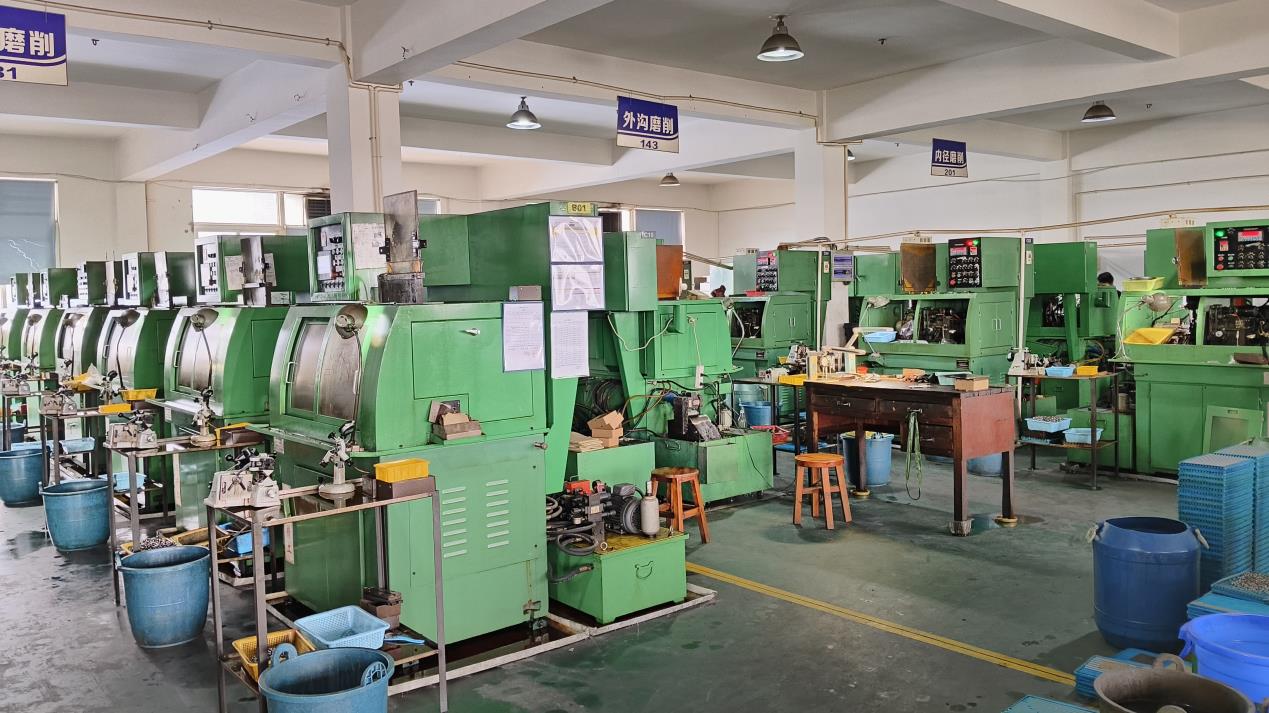
The global industrial motion control industry is currently undergoing a paradigm shift. Modern factories are demanding high-density actuators that can deliver massive torque output within ultra-lightweight structural configurations. Standard ferrite motor configurations are increasingly being replaced by coreless configurations and brushless motor drives featuring customized planetary gearheads.
Traditional iron-core rotor motors introduce physical drag due to magnetic hysteresis losses and cogging effects. For high-frequency response operations (such as camera gimbals, advanced RC fixed-wing drone wings, and medical robotic suture systems), coreless motors present a superior alternative. By replacing the laminated steel core with a self-supporting basket-wound copper coil, manufacturers can achieve:
A critical point of evaluation for B2B buyers is the structural durability of the gear train inside the actuator casing. Depending on the environment, engineers specify different materials:
In Nagoya's industrial assembly facilities, standard analog positioning signals are no longer sufficient. Next-generation systems rely on high-resolution digital encoders that continuously feed back angular position, velocity, temperature, and current variables to a central PLC or CNC console. This enables predictive maintenance protocols and allows the machinery to adaptively adjust force profiles in real-time, preventing micro-stress fractures in delicate components.
Factory Acceptance Quality Rate
Ultra-Precision Gear Tolerances
Global Distribution Footprint
Monthly Smart Servo Output Capacity
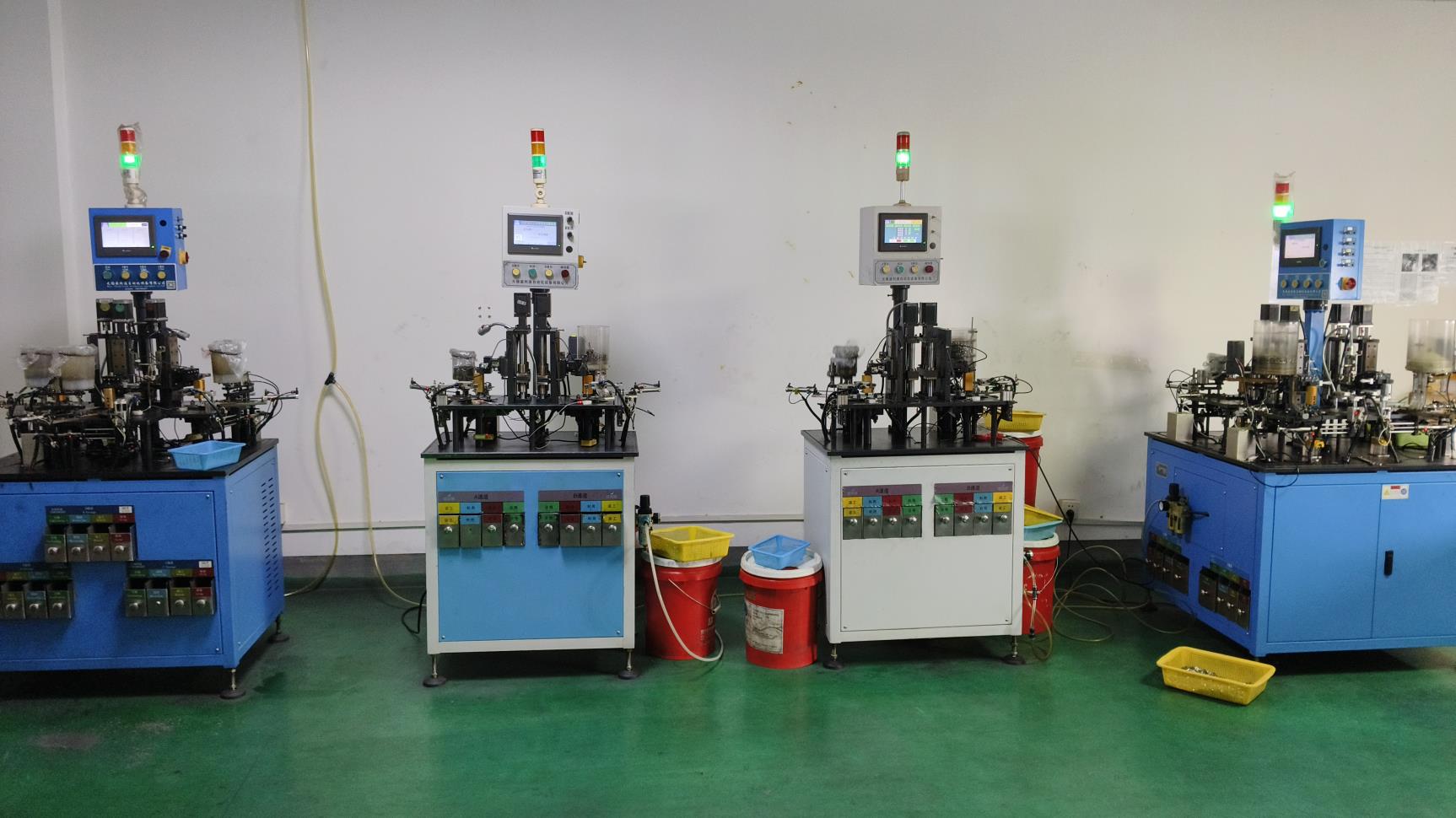
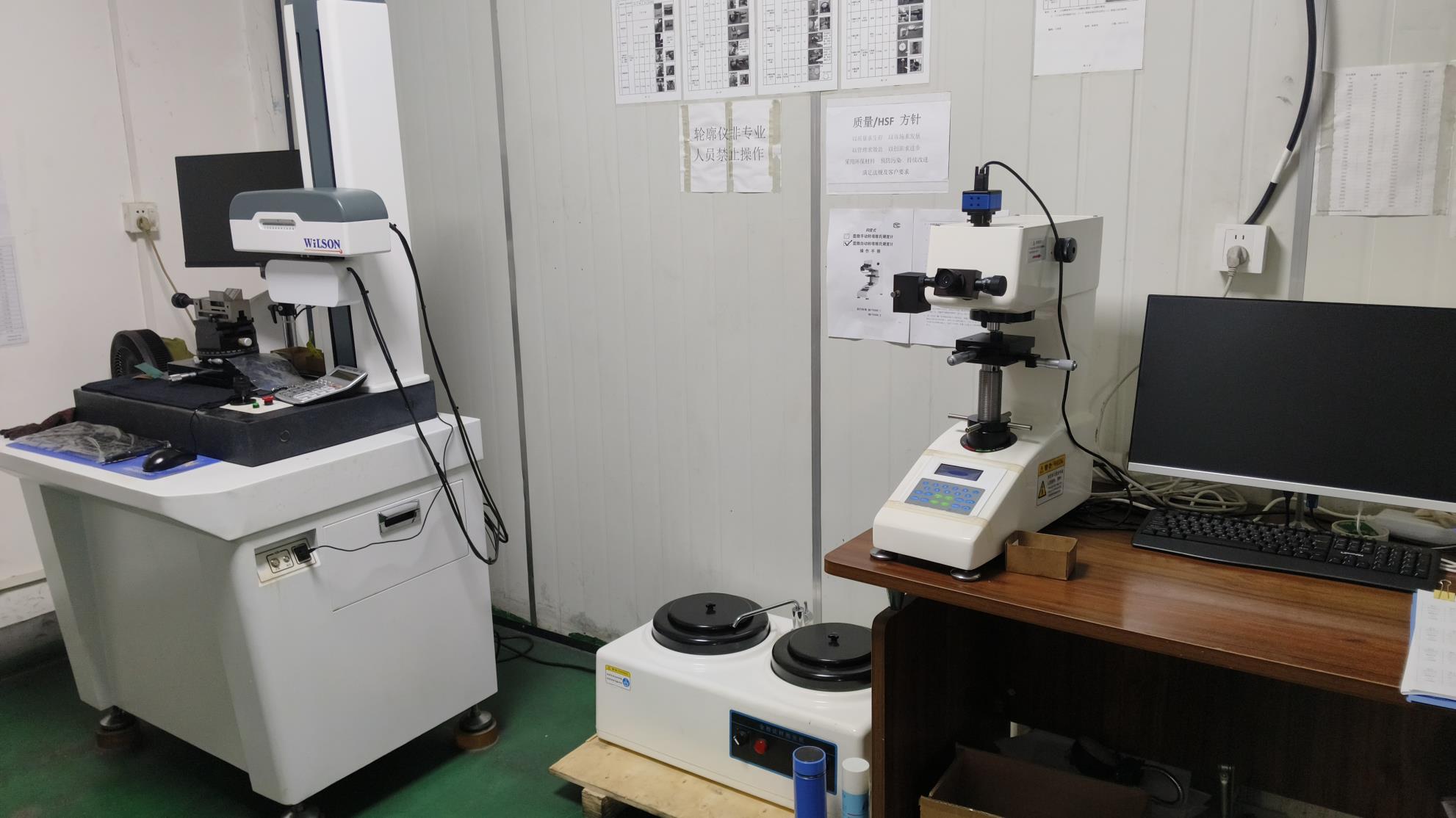
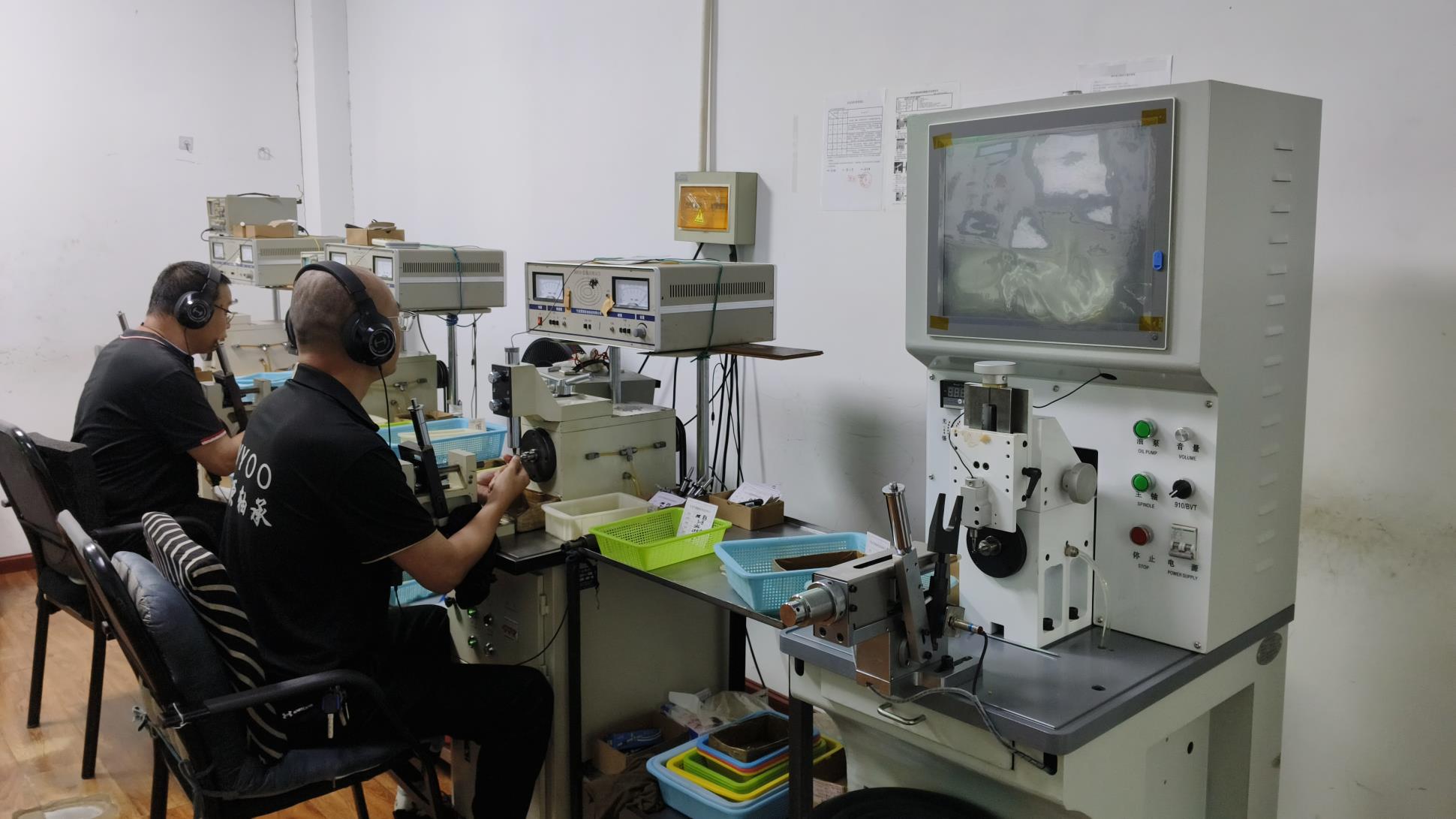
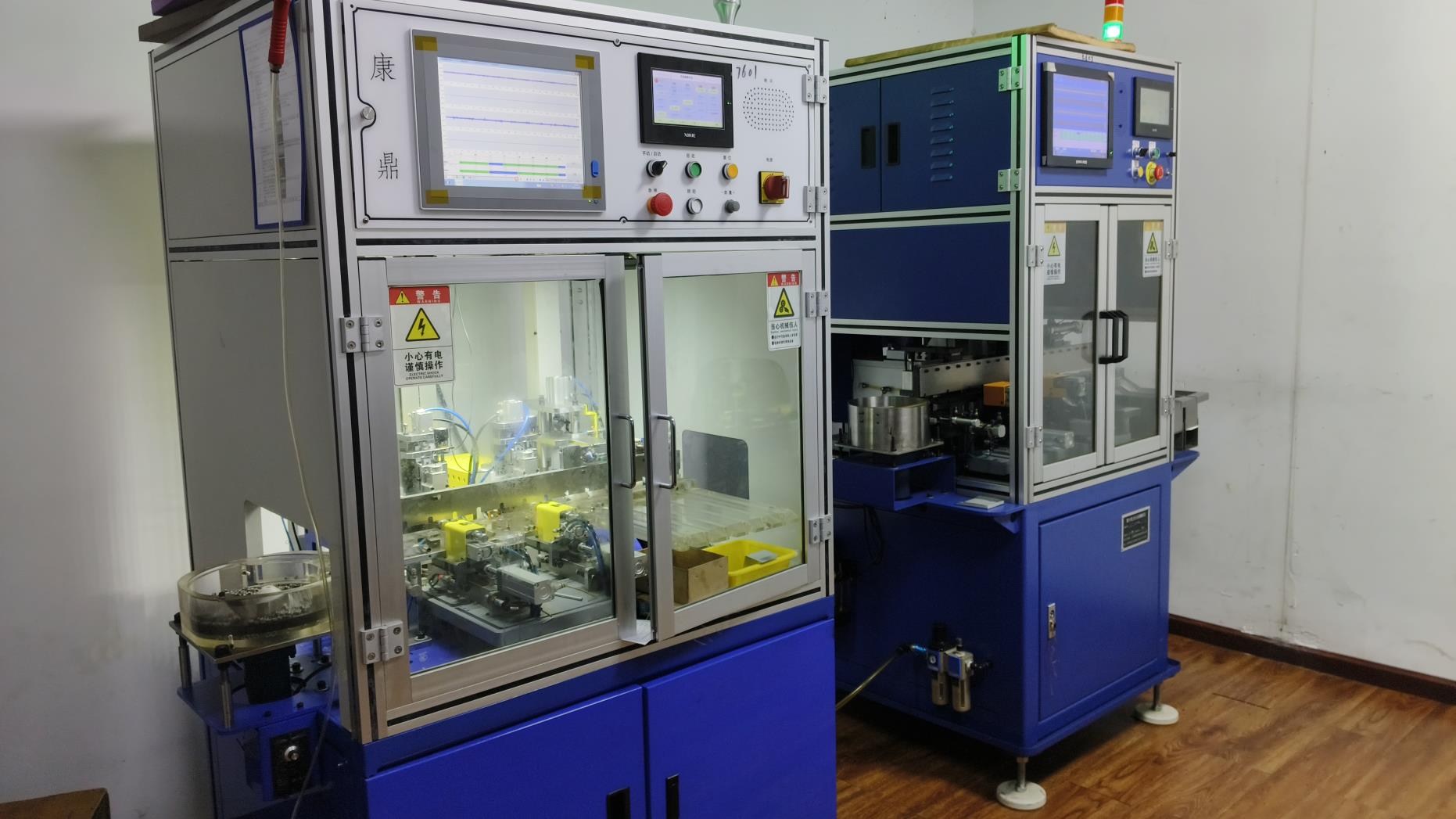
While Nagoya is historically known for top-tier engineering design, manufacturing domestically within Japan frequently faces challenges involving high overhead costs, limited assembly scaling, and prolonged delivery lead times. TorqPro Motor addresses this challenge by providing Chinese manufacturing advantages without compromising Japanese quality requirements.
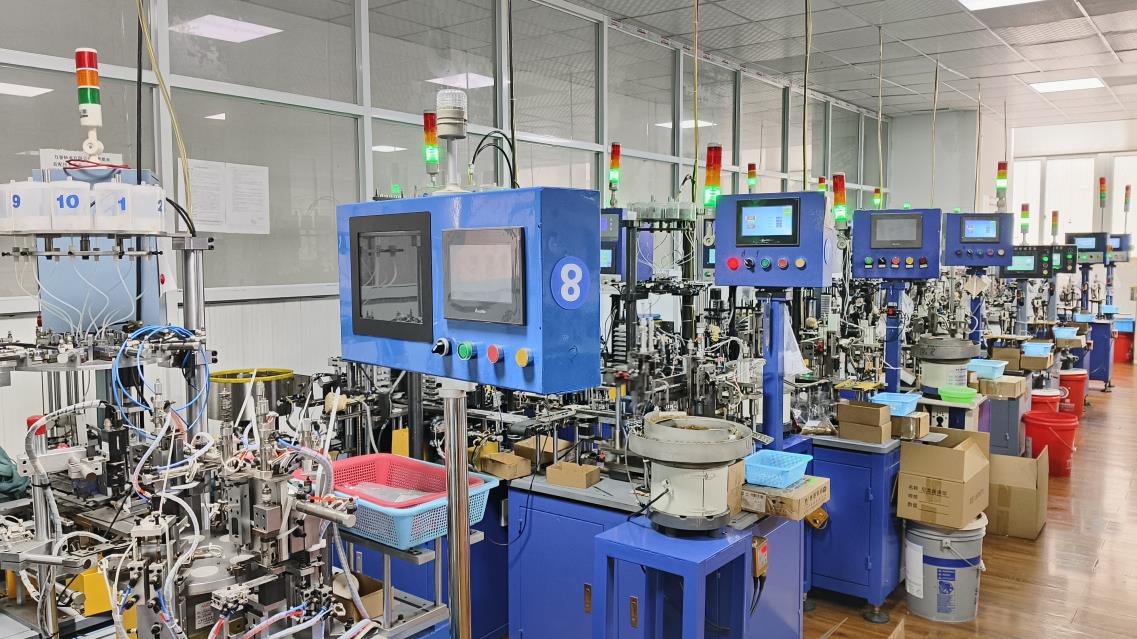
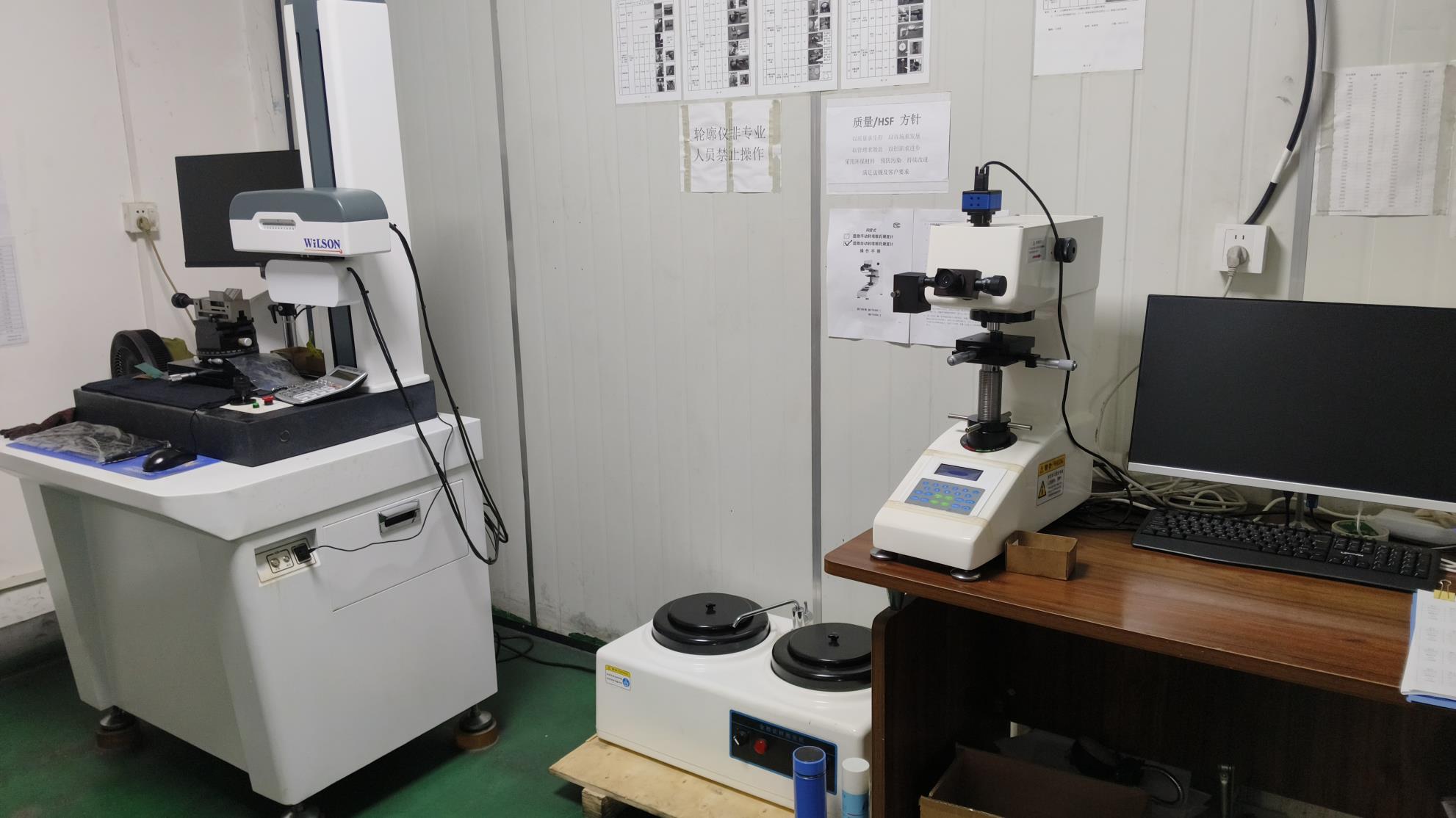
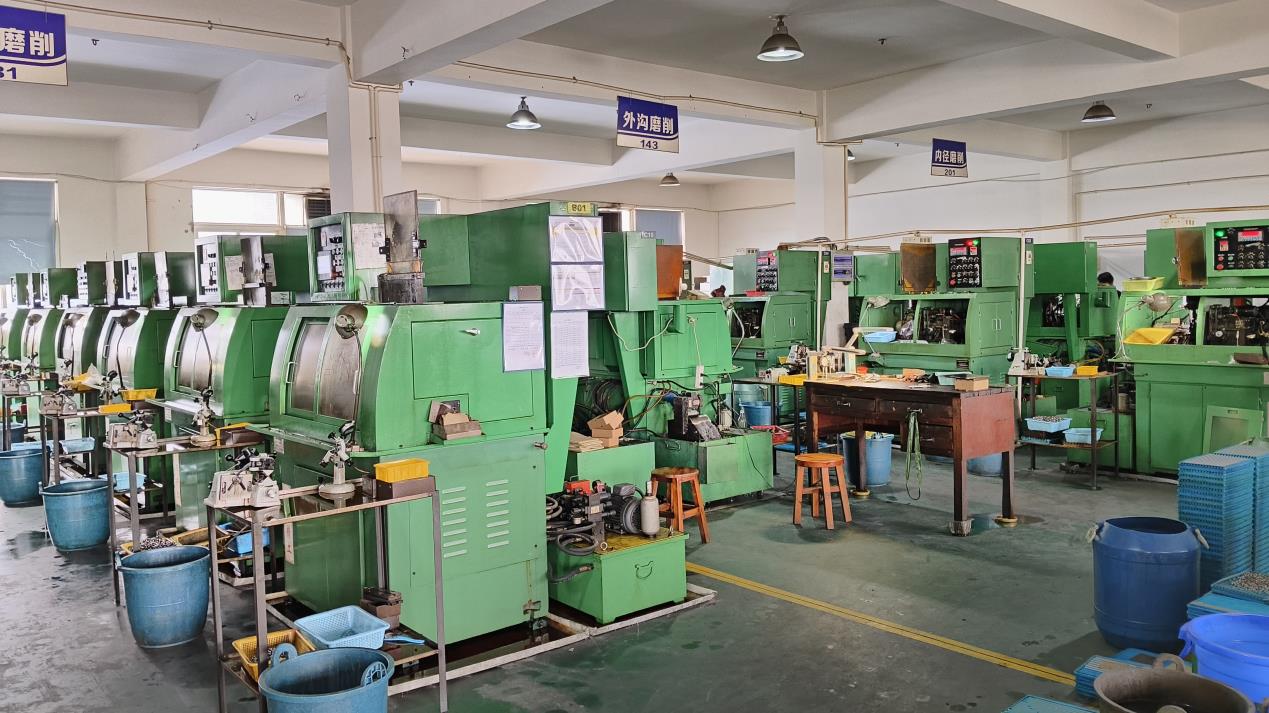
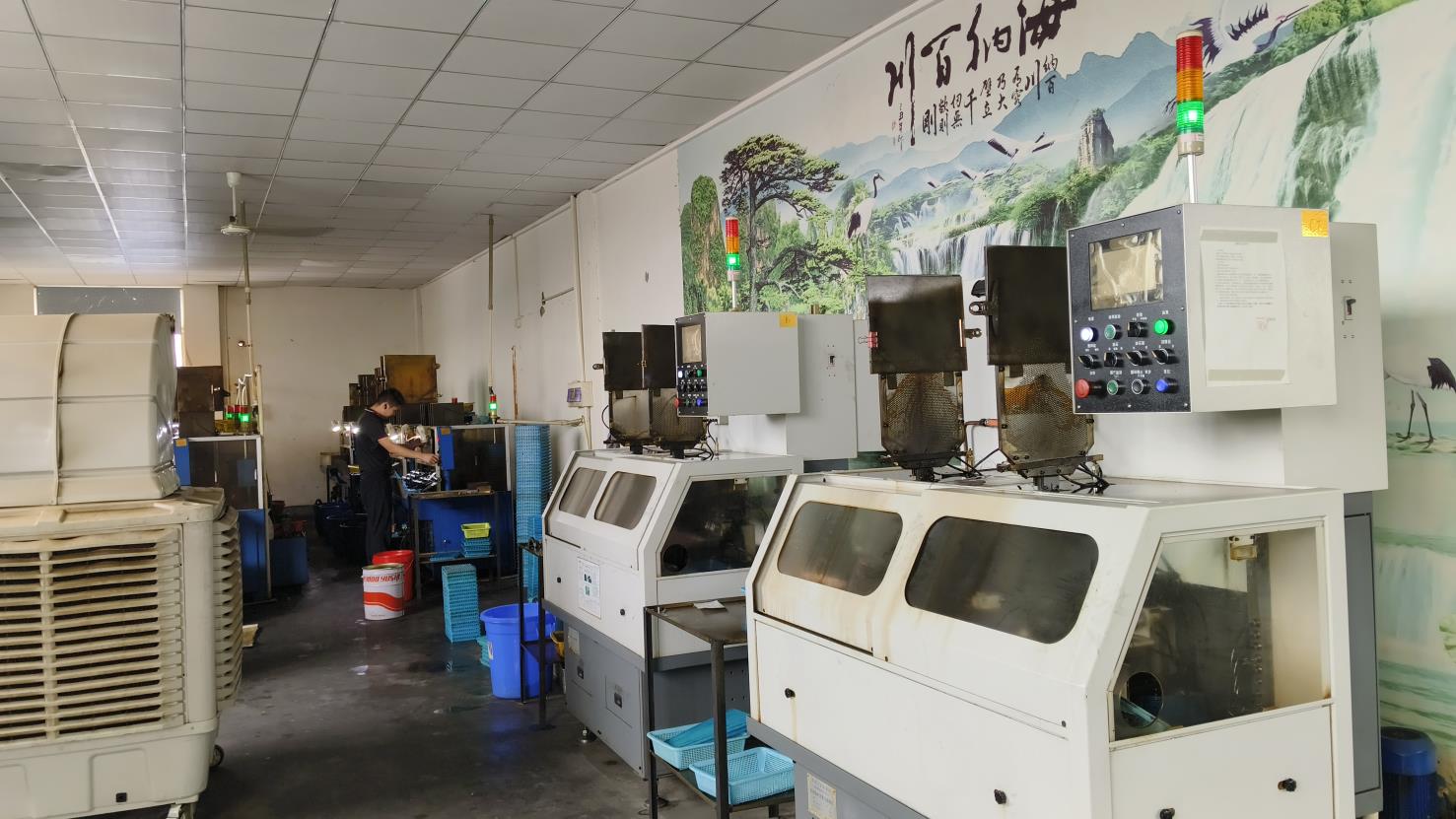
Our ISO-certified manufacturing facility in China integrates advanced automation systems with precise micro-machining tolerances. We source high-grade raw components, implement state-of-the-art Japanese grinding technology, and run every completed actuator through a series of robotic quality verification procedures.
Every groundbreaking smart device needs a reliable pulse. TorqPro Motor designs and manufactures high-efficiency micro-drives that serve as the invisible, robust core inside next-generation robotics, smart home applications, and aerospace medical tools worldwide.
We operate on a simple philosophy: Engineered to last. Built to fit. By blending advanced automation with a passion for micro-engineering, TorqPro Motor provides global B2B clients with the transparency of a local engineering partner and the massive scale advantages of a top-tier Chinese factory. We don't just sell motors; we build the core axis that keeps your business moving forward.
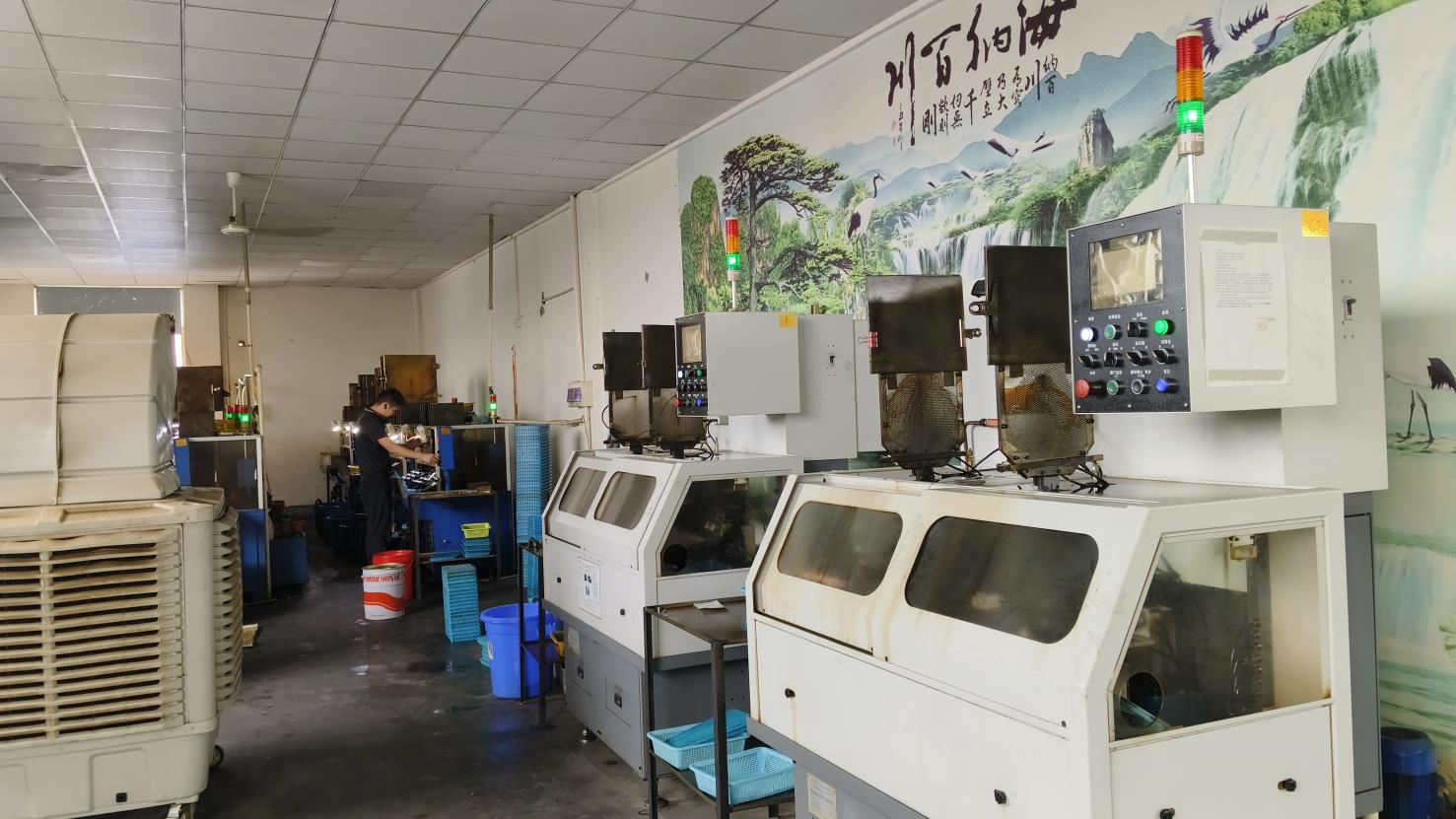
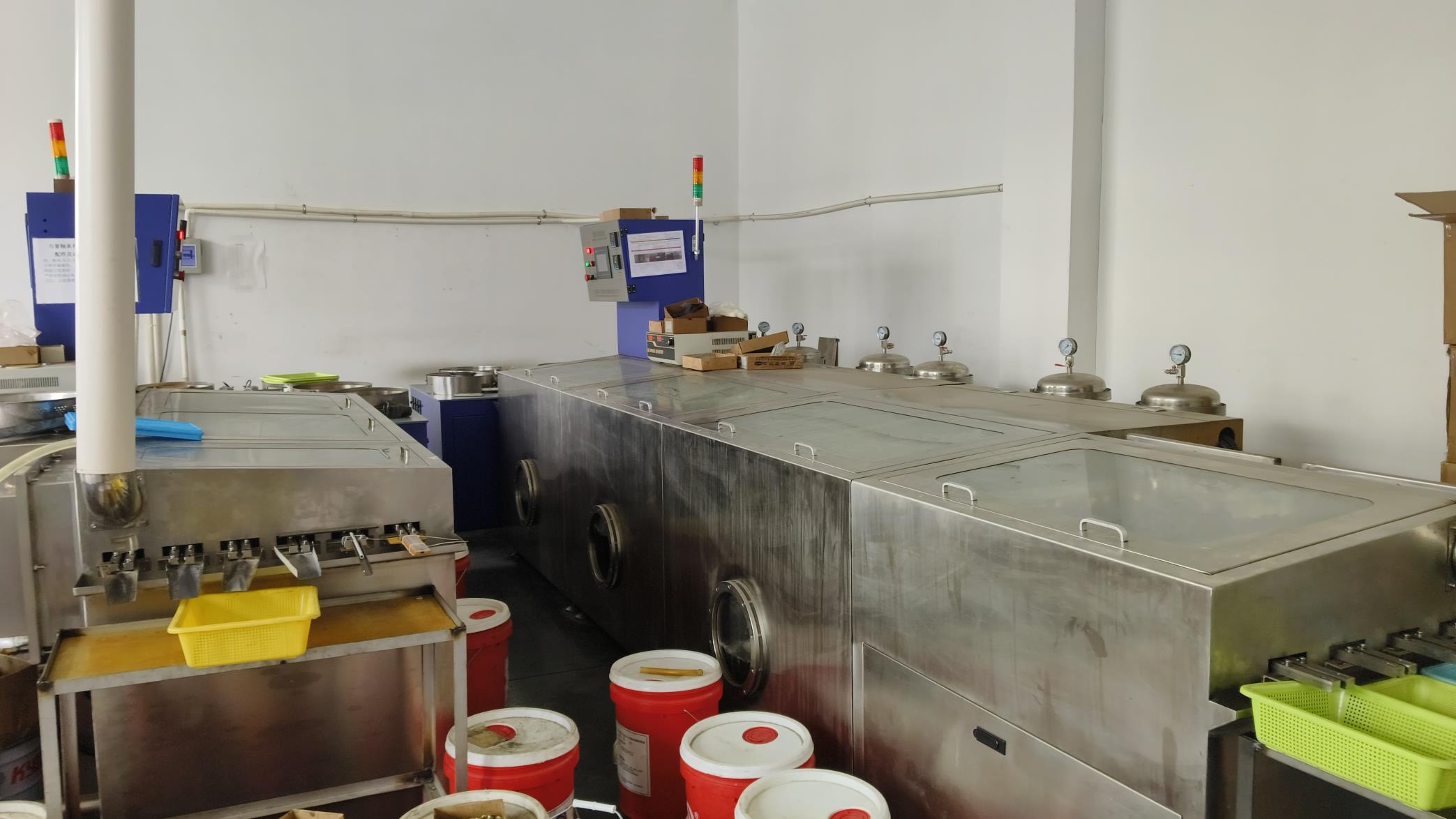
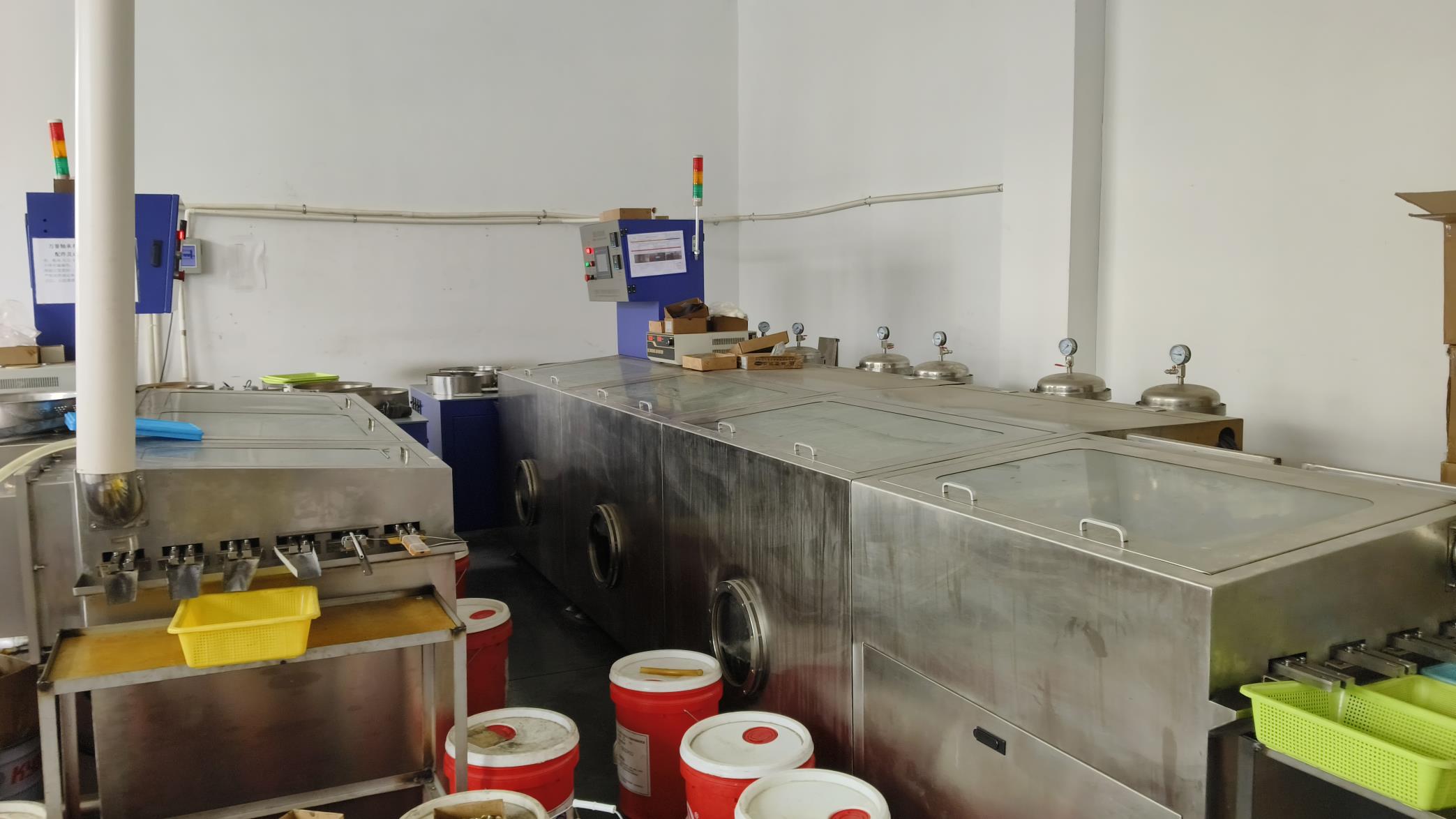
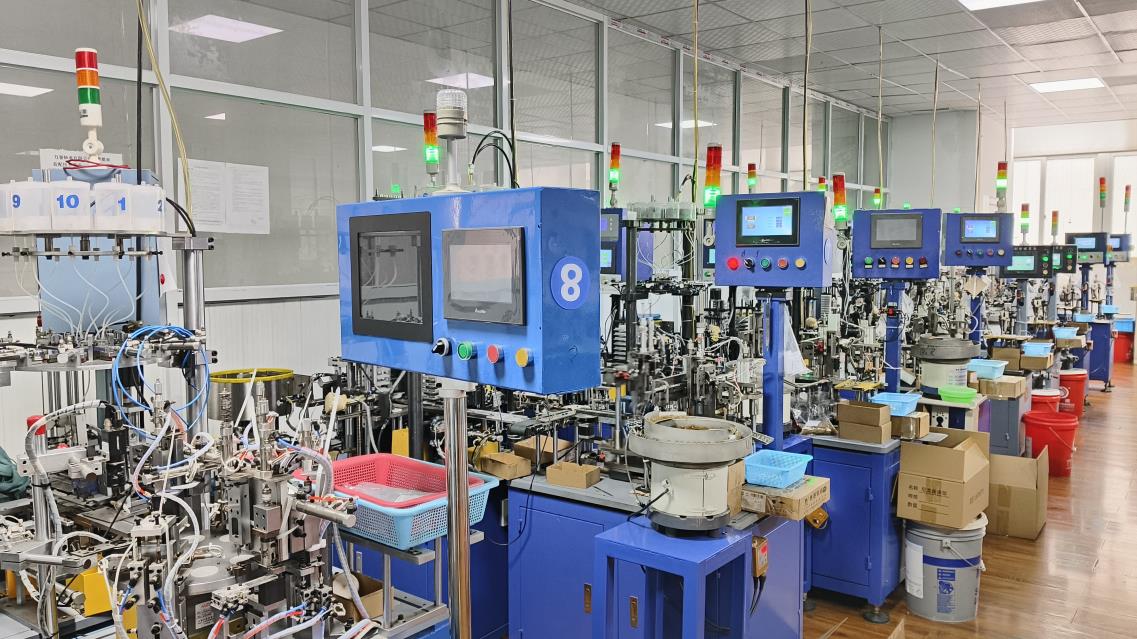
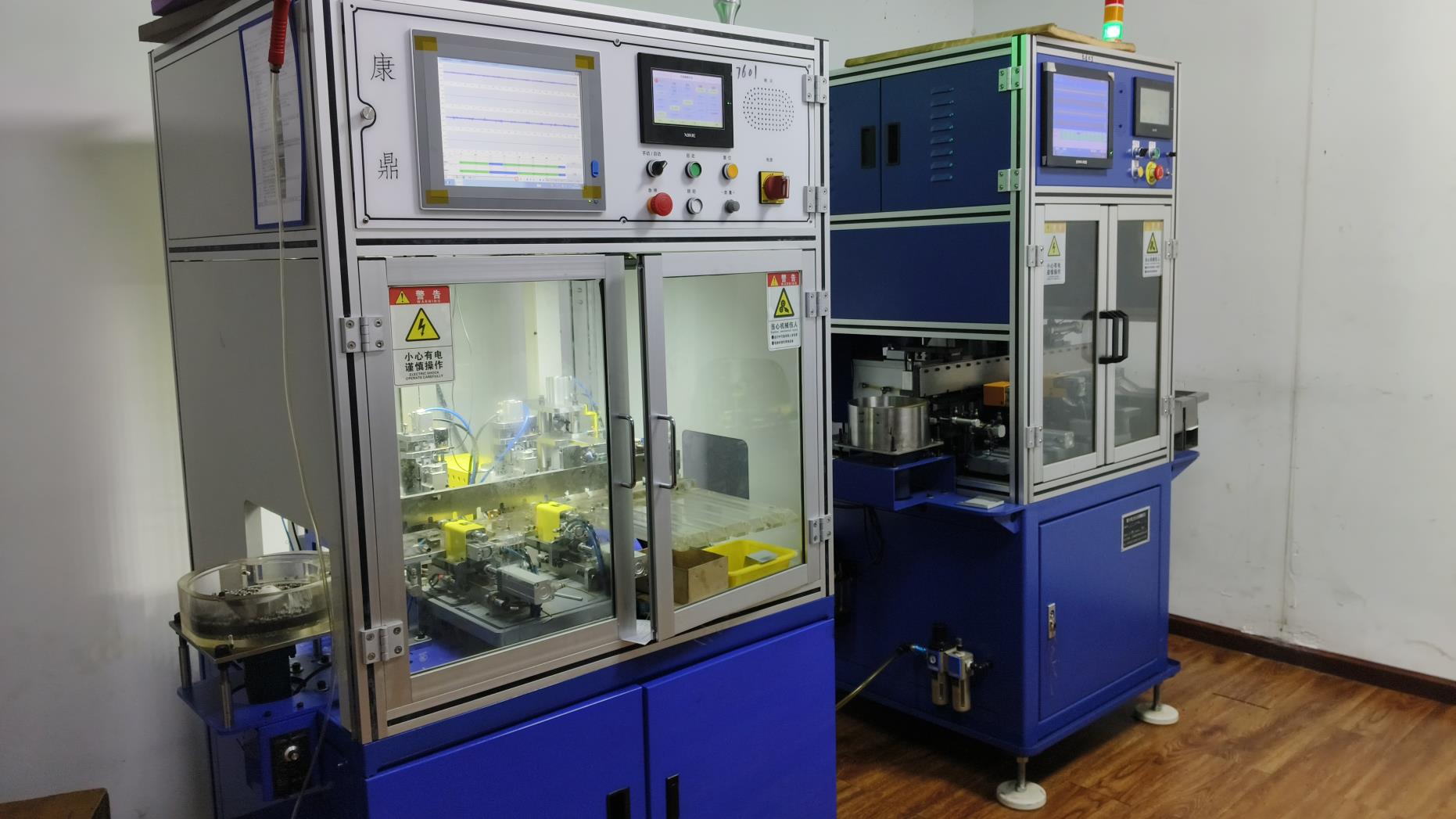
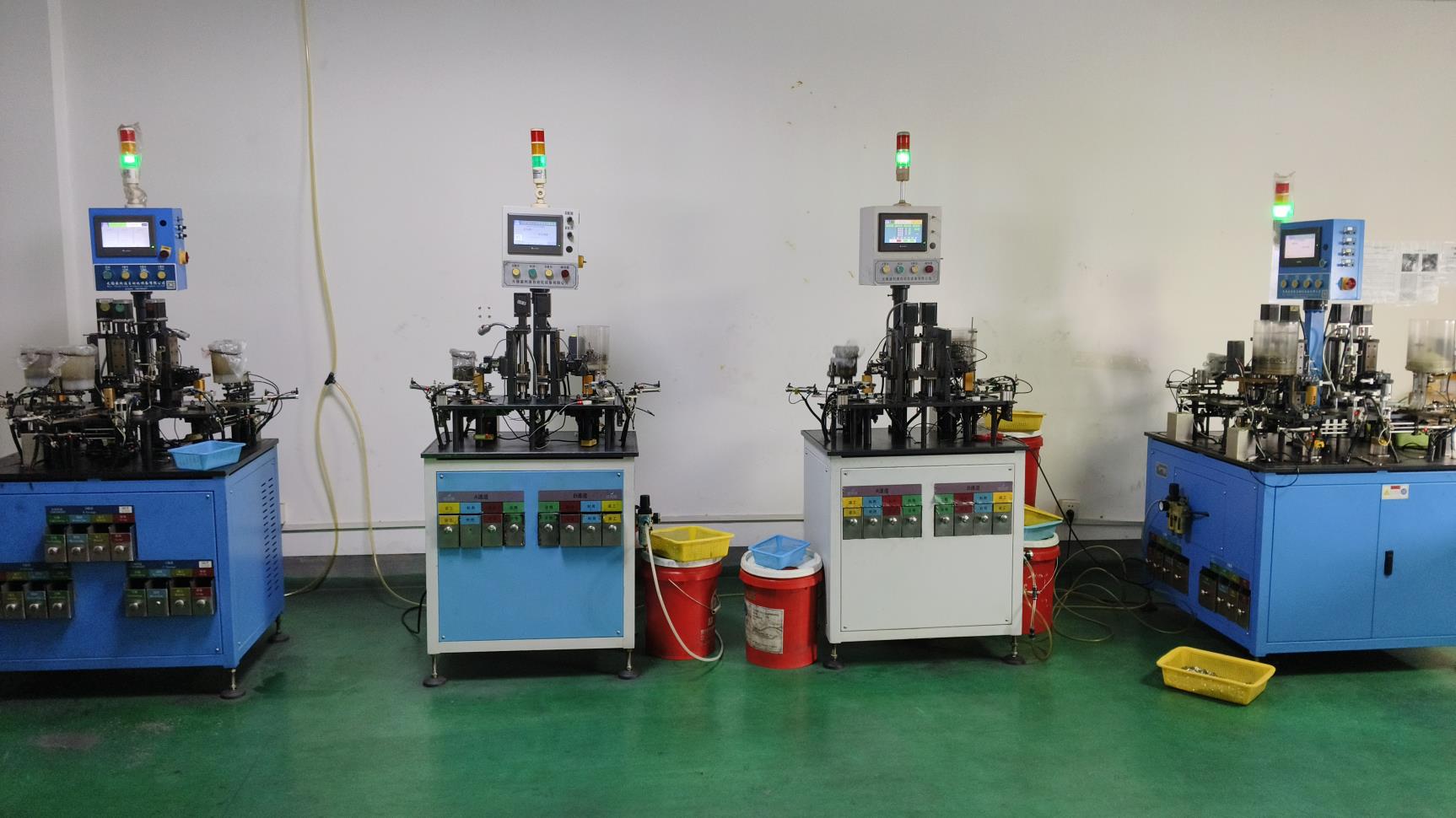
Different industrial fields require specific actuator configurations to optimize performance. Our development pipeline addresses these local engineering challenges directly:
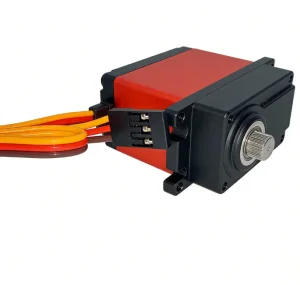
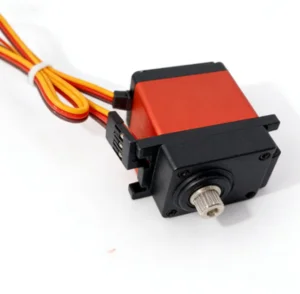
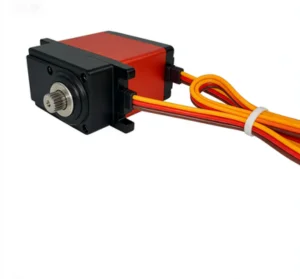
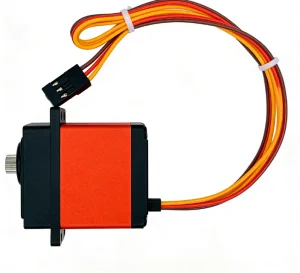
Collaborative robots (cobots) deployed across Aichi's automotive assembly stations rely on small actuators to power end-of-arm tooling grippers. High-torque mini-servos with metal gears (like the XS007A 35kg series) provide the required gripping forces without adding excess weight to the arm's payload capacity.
Commercial inspection drones operating near the Port of Nagoya face challenging weather and high wind speeds. The control surfaces demand actuators that respond in milliseconds. Coreless high-speed configurations allow autopilot modules to execute continuous corrections, maintaining flight stability.
Automated valves, air circulation systems, and smart home locks require quiet operations. Here, specialized decibel-verified plastic or semimetal servos prevent operational noise from transferring into structural vibrations.
Comprehensive technical answers to critical integration, sourcing, and optimization inquiries.
High torque, semimetal and all-metal gear digital drives configured for complex robotics, automation, and model design projects.
Specific actuators optimized for positioning precision, programmable limits, and heavy mechanical gear configurations.
Seeking custom gear designs, electrical parameter adaptations, or volume-based pricing structures? Partner with TorqPro to integrate precision actuation systems into your production line.
Send Inquiry Now TorqPro Motor