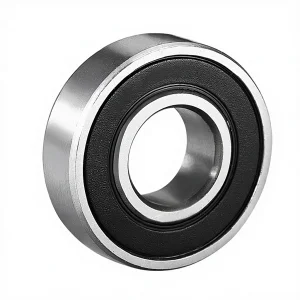
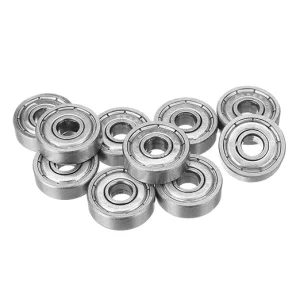
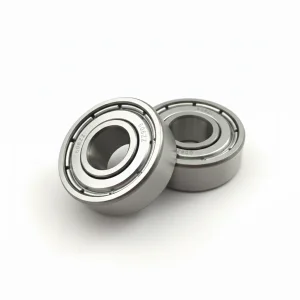
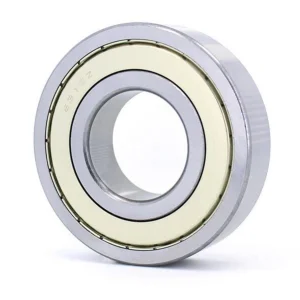
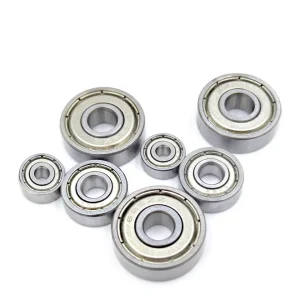
Premium standard bearings manufactured under ISO9001 quality frameworks, featuring advanced heat treatment, low-vibration decibel configurations, and extended service lifespans.
Every groundbreaking smart device needs a reliable pulse. TorqPro Motor designs and manufactures high-efficiency micro-drives that serve as the invisible, robust core inside next-generation robotics, smart home applications, and aerospace medical tools worldwide.
We operate on a simple philosophy: Engineered to last. Built to fit. By blending advanced automation with a passion for micro-engineering, TorqPro Motor provides global B2B clients with the transparency of a local engineering partner and the massive scale advantages of a top-tier Chinese factory. We don't just sell motors; we build the core axis that keeps your business moving forward. In perfect synergy with our micro-drive portfolios, our high-precision bearings form the fundamental mechanical interface where electrical power transforms into smooth, frictionless torque.
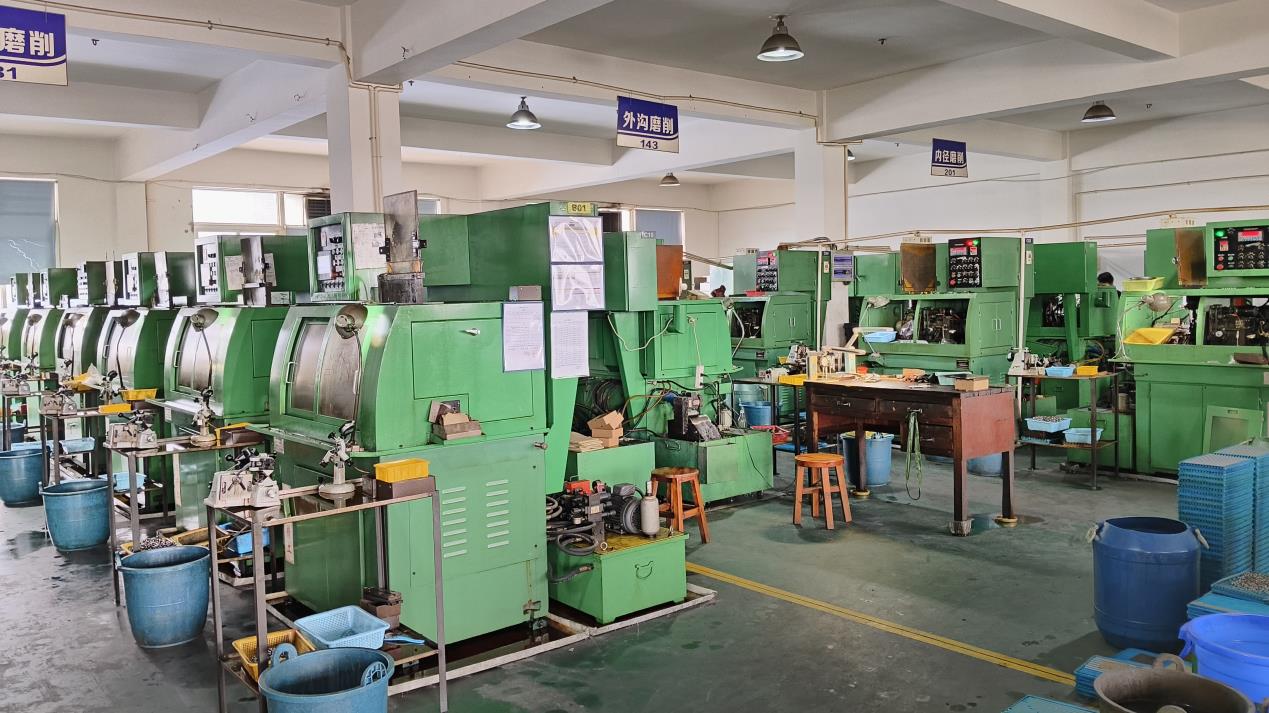
China's bearing industrial clusters have transformed from volume exporters to pioneers in ultra-high precision metallurgical engineering and noise vibration harshness (NVH) optimization.
By housing raw ore processing, GCr15 high-carbon chromium steel refineries, precision ball drop-forging, and heat-treatment within single logistics corridors, our factories radically compress lead times and maximize cost efficiencies.
We implement fully automated controlled-atmosphere hardening and tempering furnaces to achieve highly uniform surface hardness values of 60–64 HRC, minimizing retained austenite for superior dimensional stability under temperature variances.
State-of-the-art CNC grinding centers achieve ultra-smooth track configurations (Ra < 0.05 µm). The minimization of micro-peaks on contact surfaces reduces friction coefficients, temperature spikes, and premature lubricating oil oxidation.
Core Raceway Hardness
Retained Austenite Standard
Precision Level Capacities
Micro-Crack Defect Threshold
A technical walkthrough of our cleanroom manufacturing lines, illustrating structural reliability and multi-phase non-destructive quality testing.
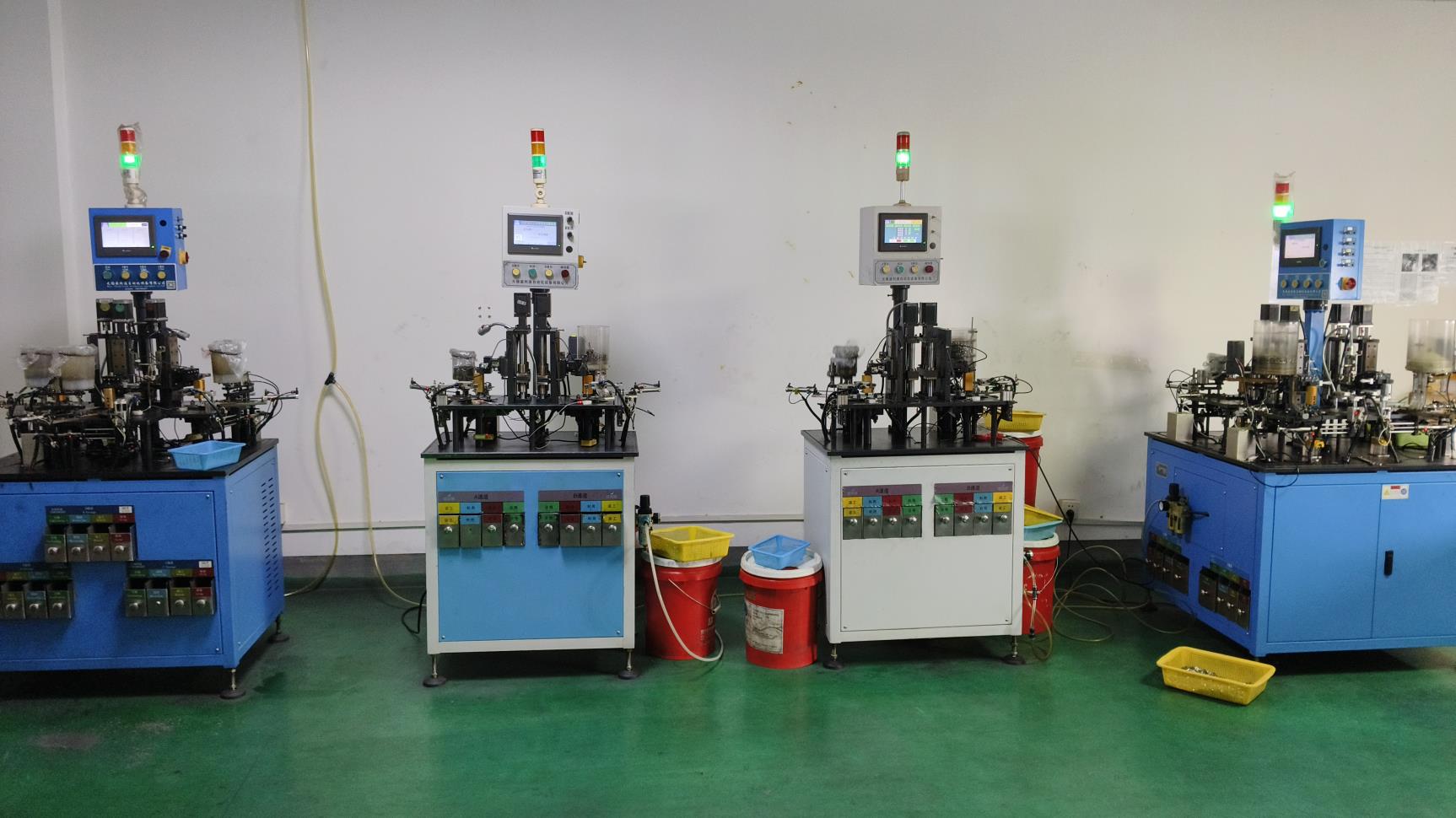
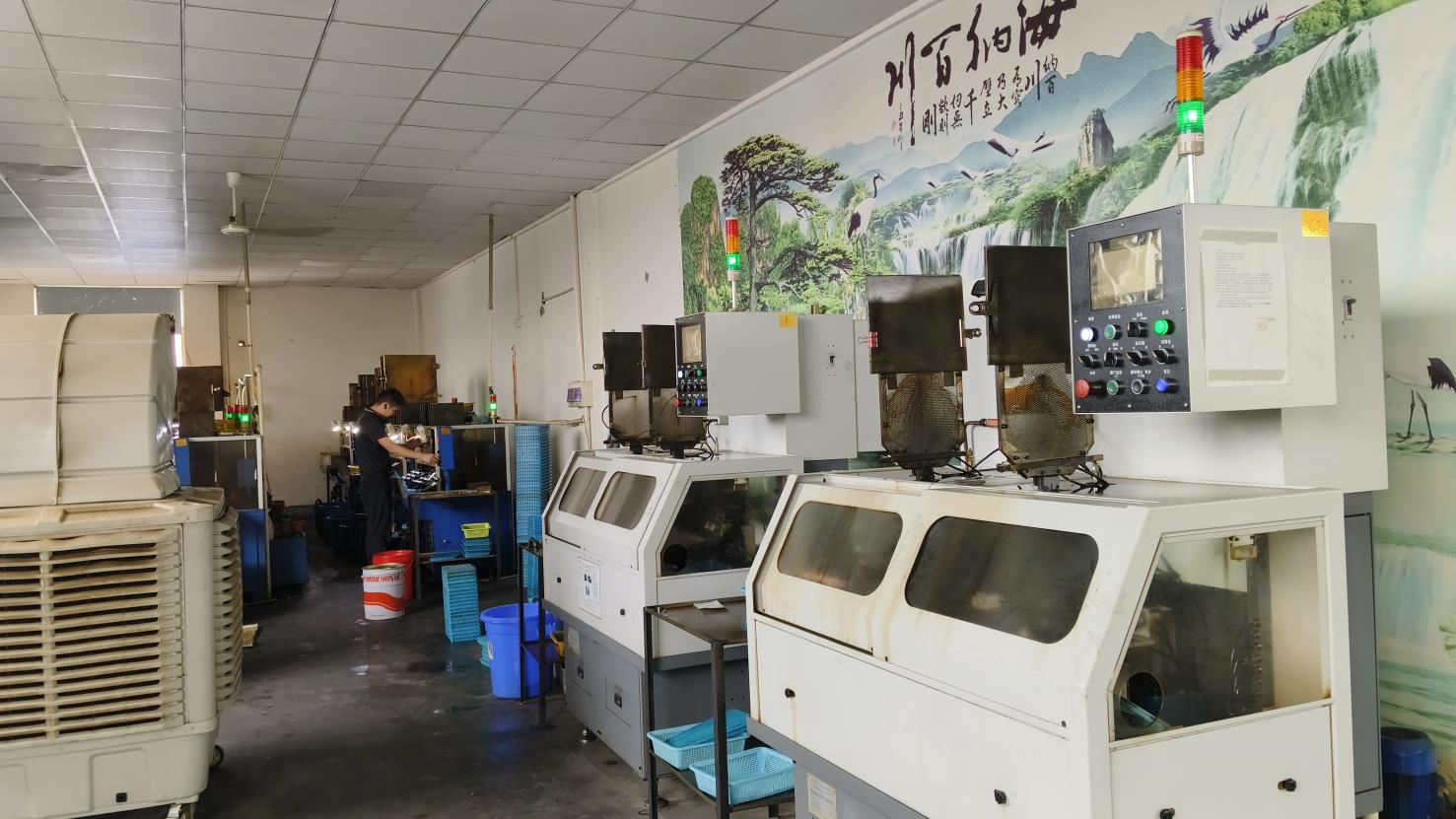
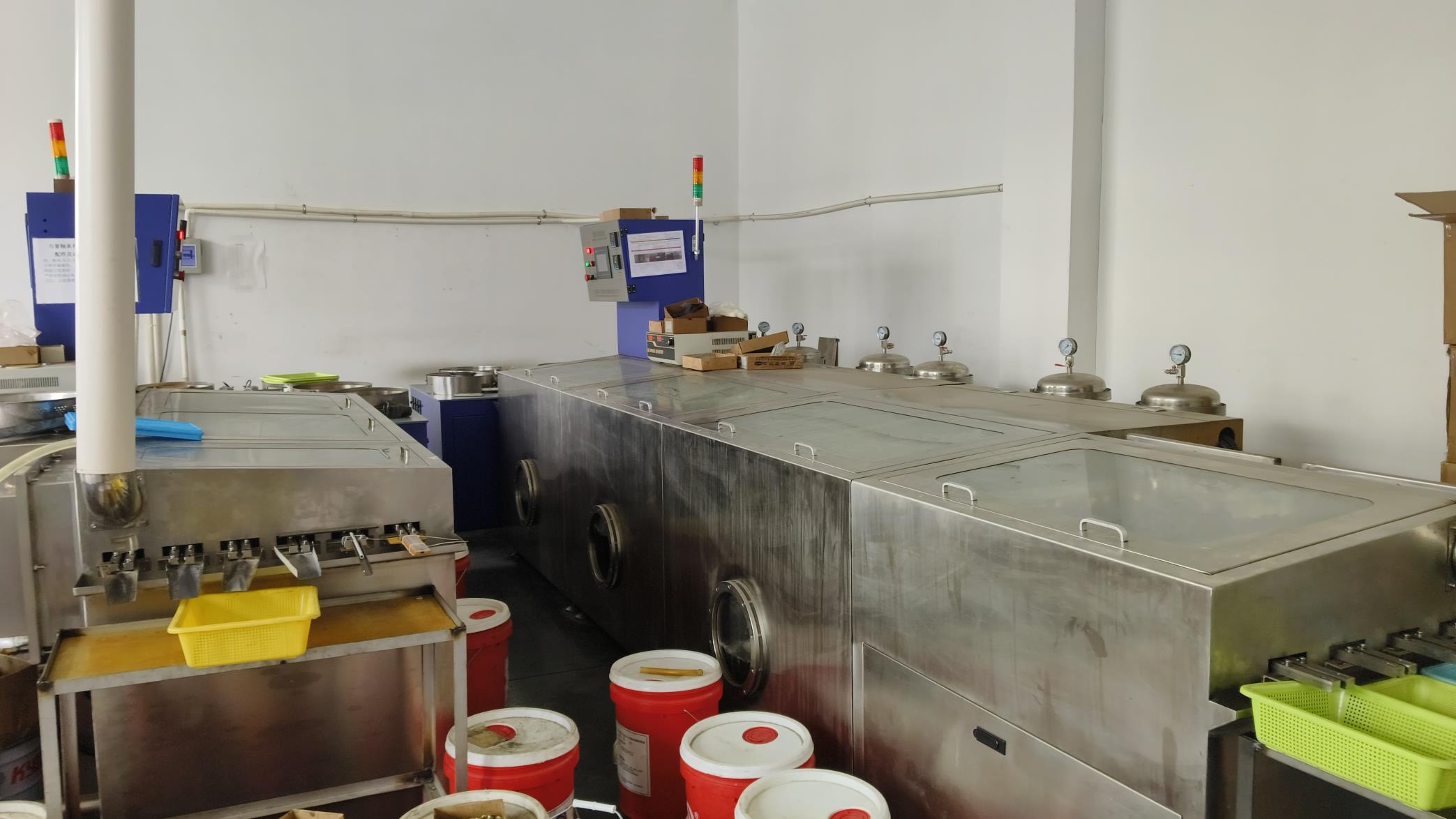
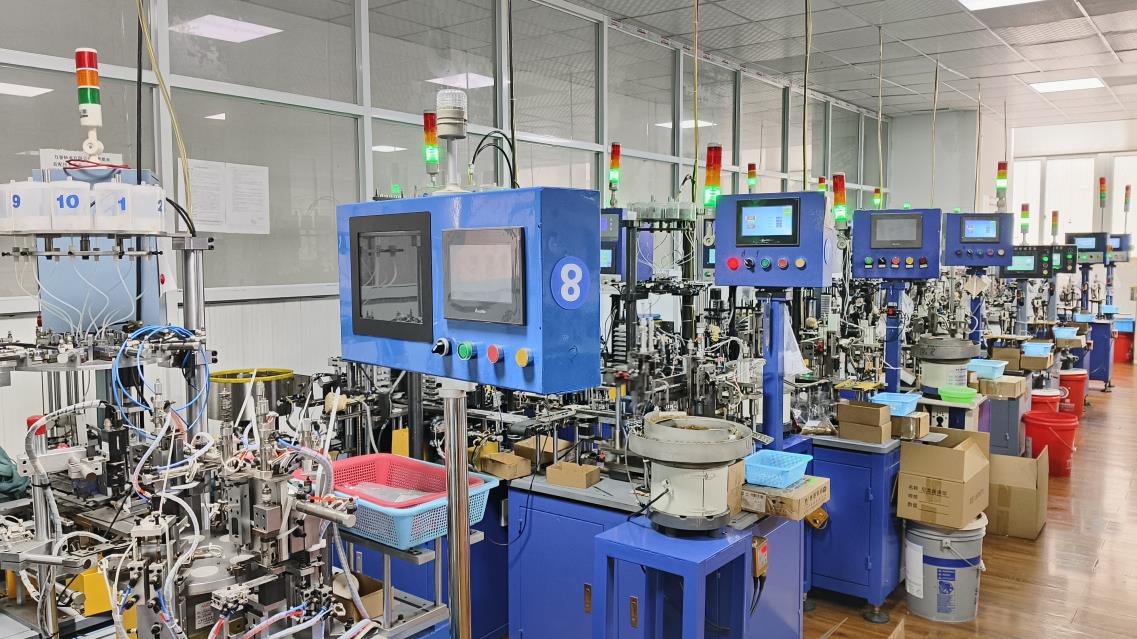
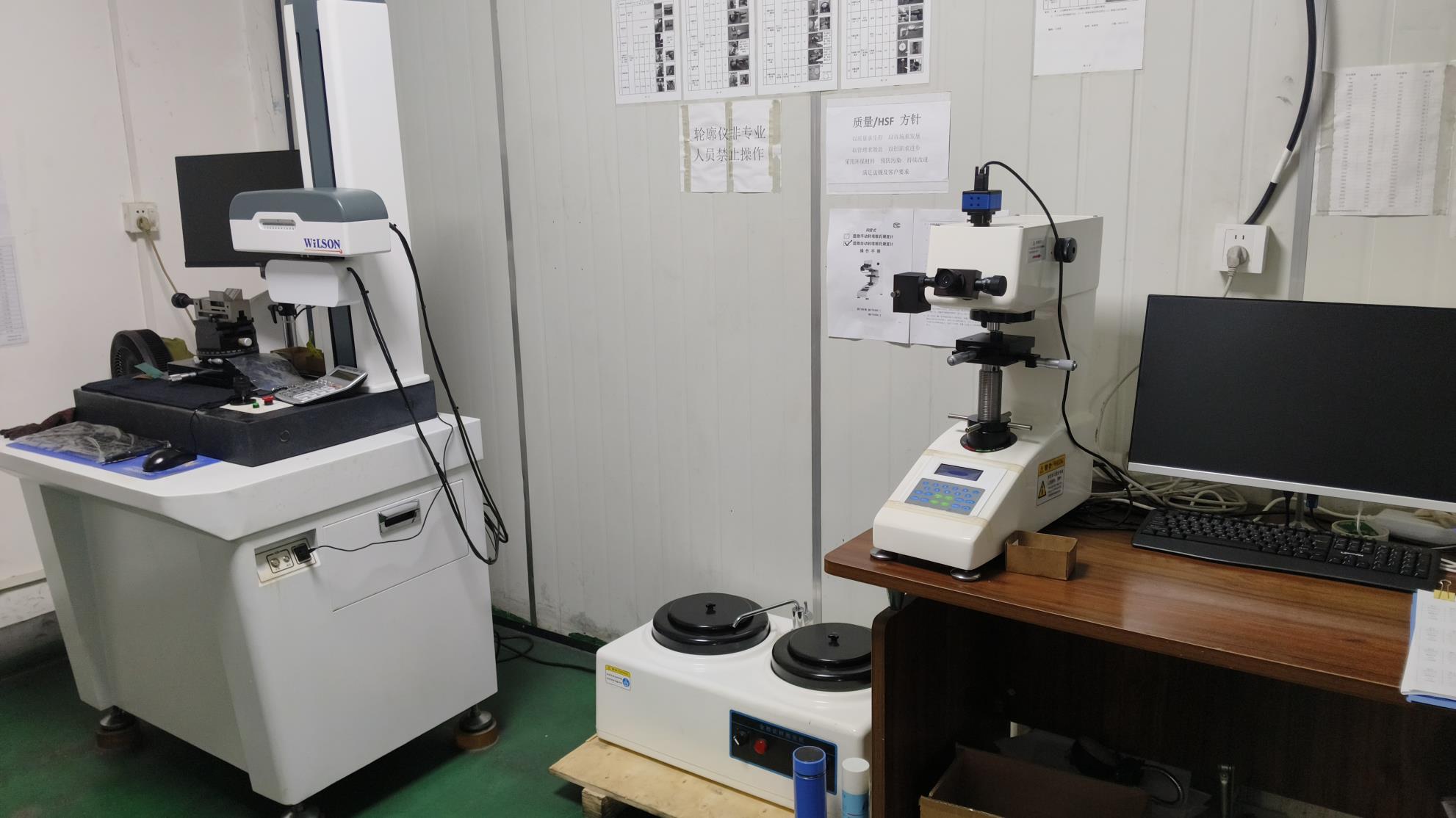
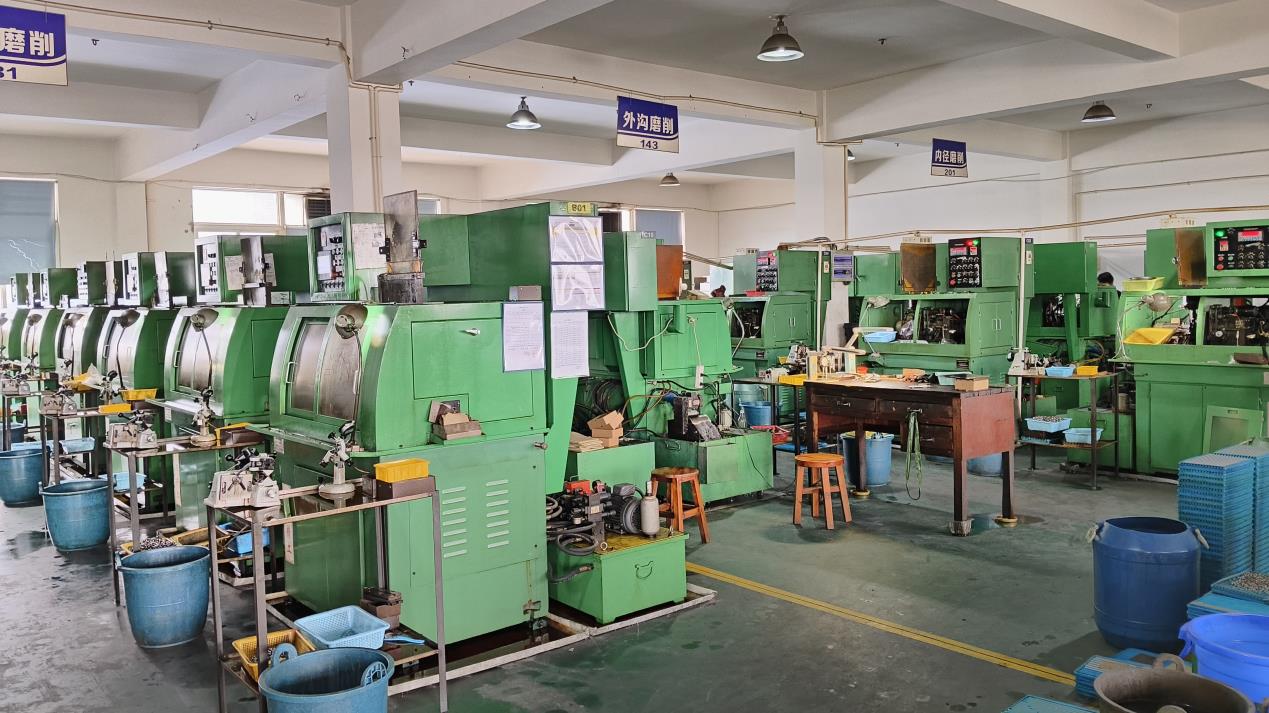
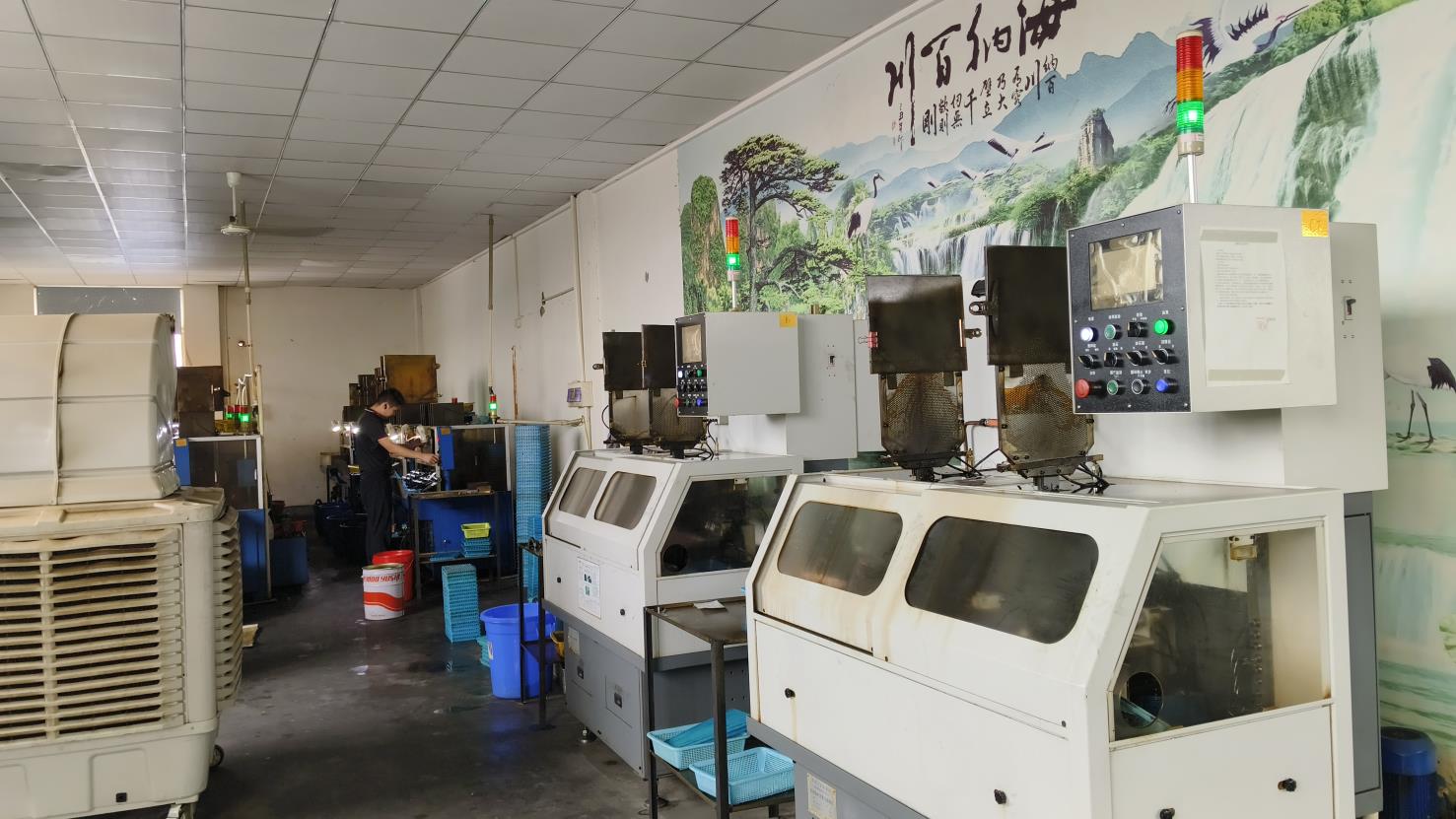
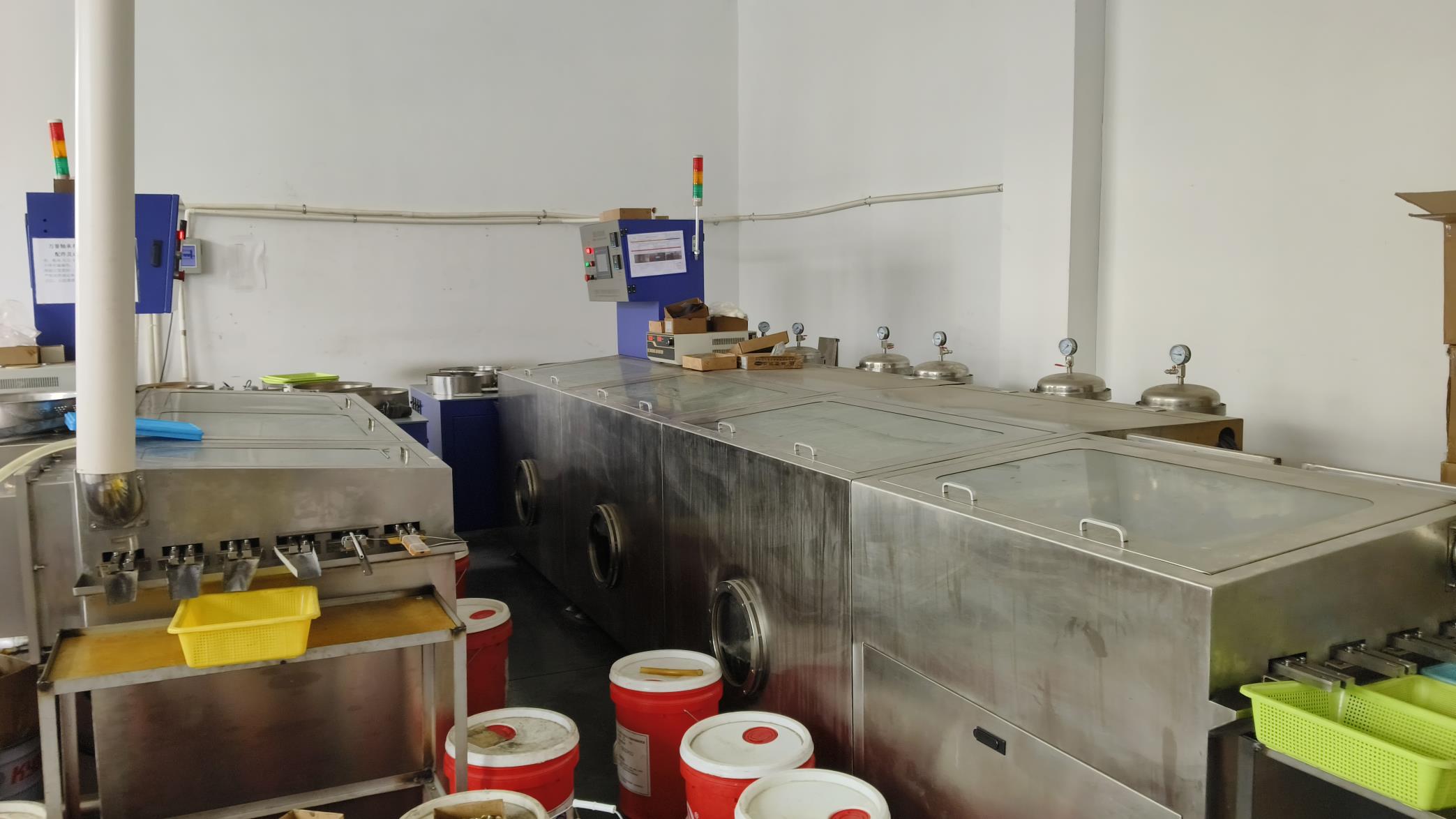
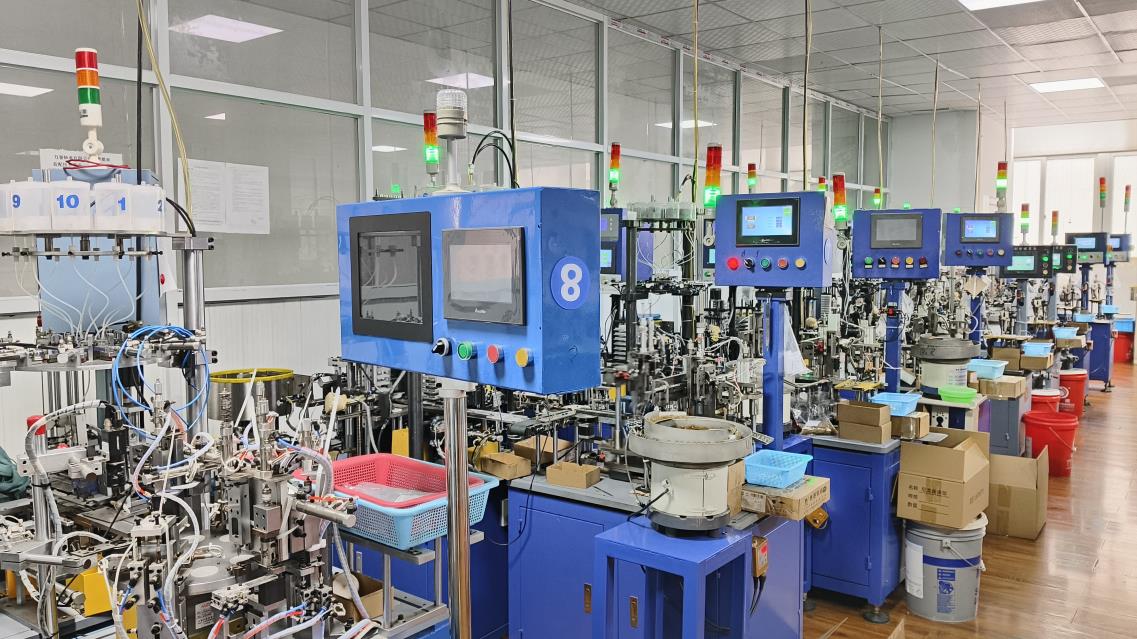
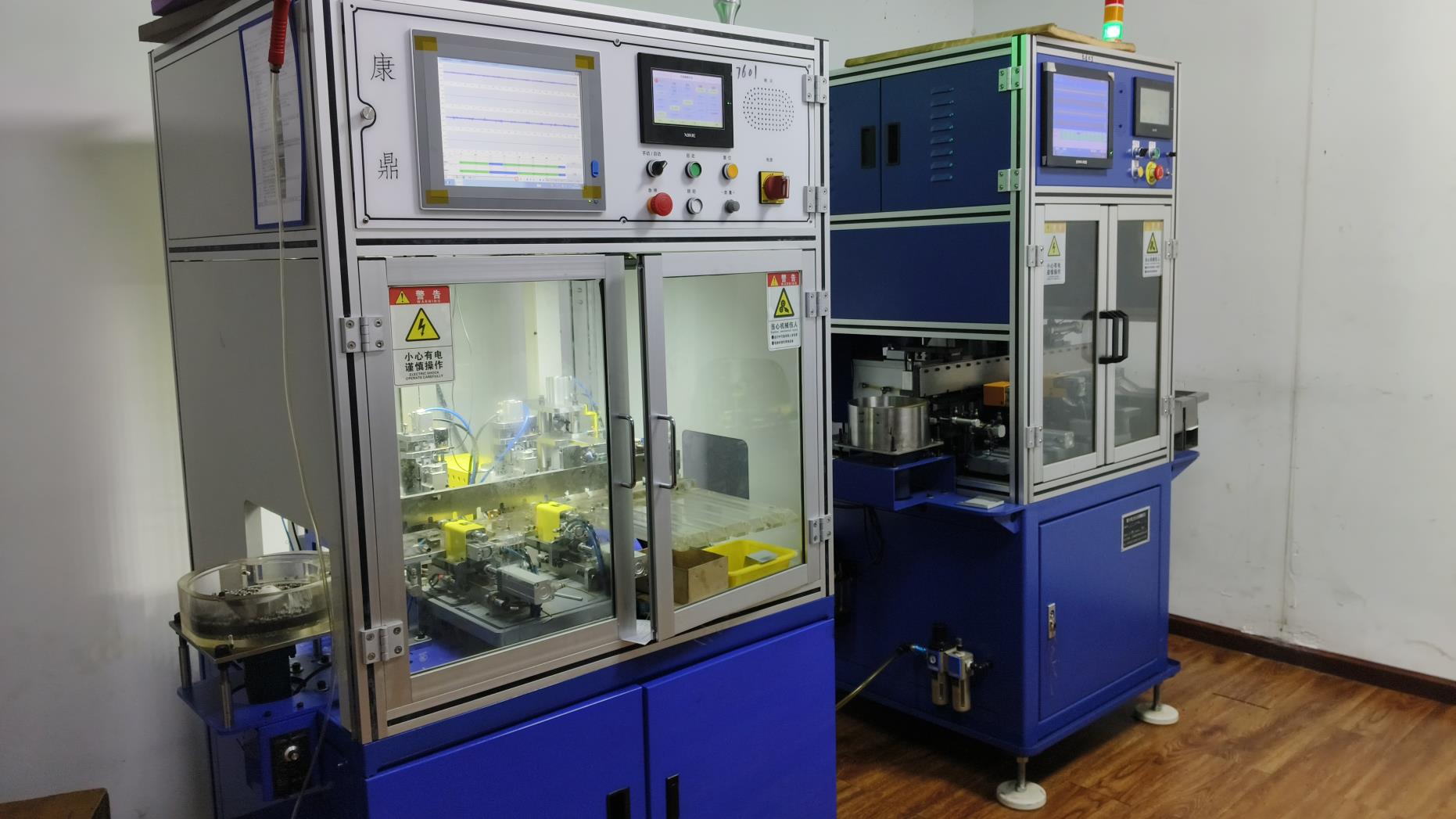
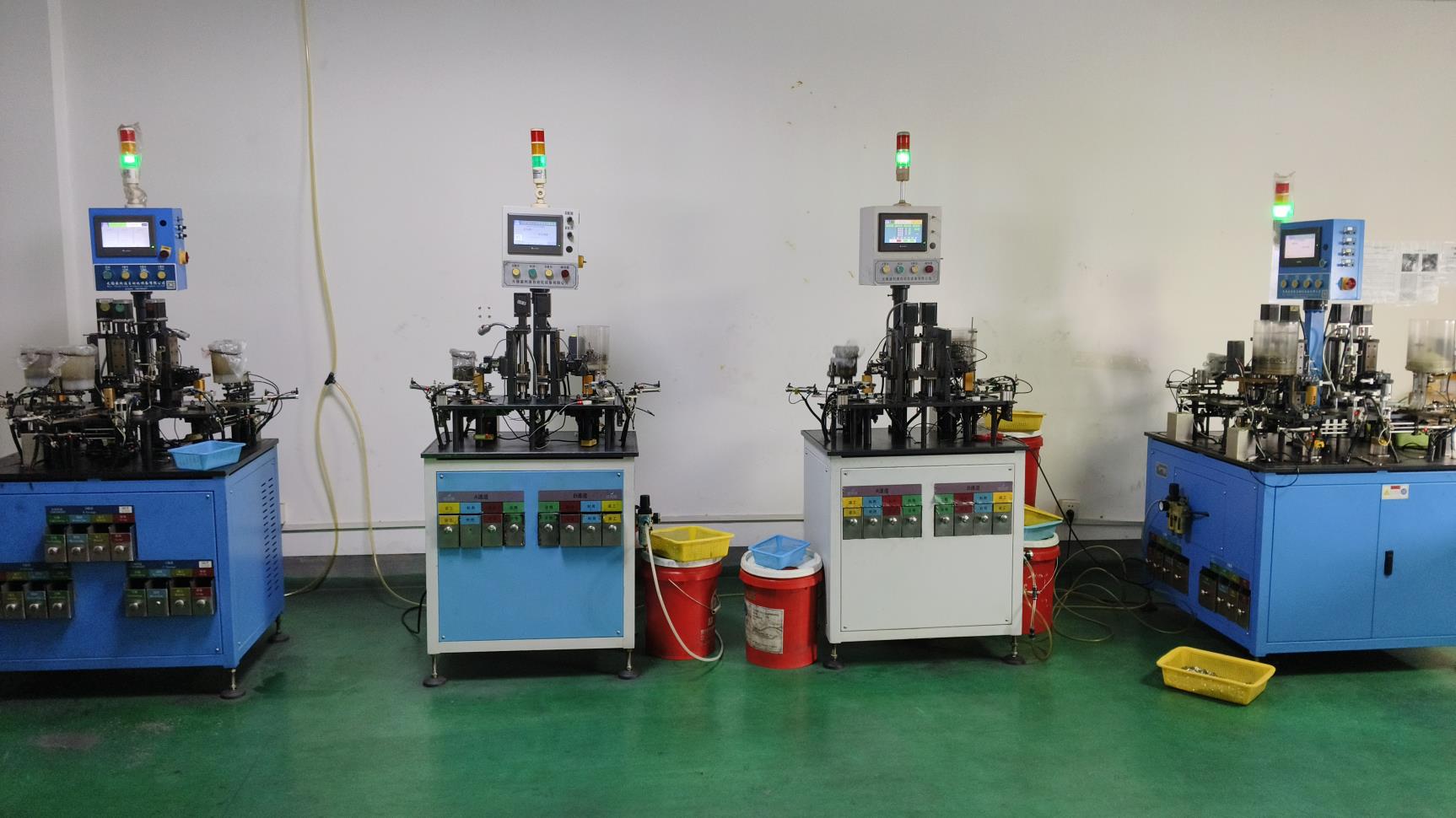
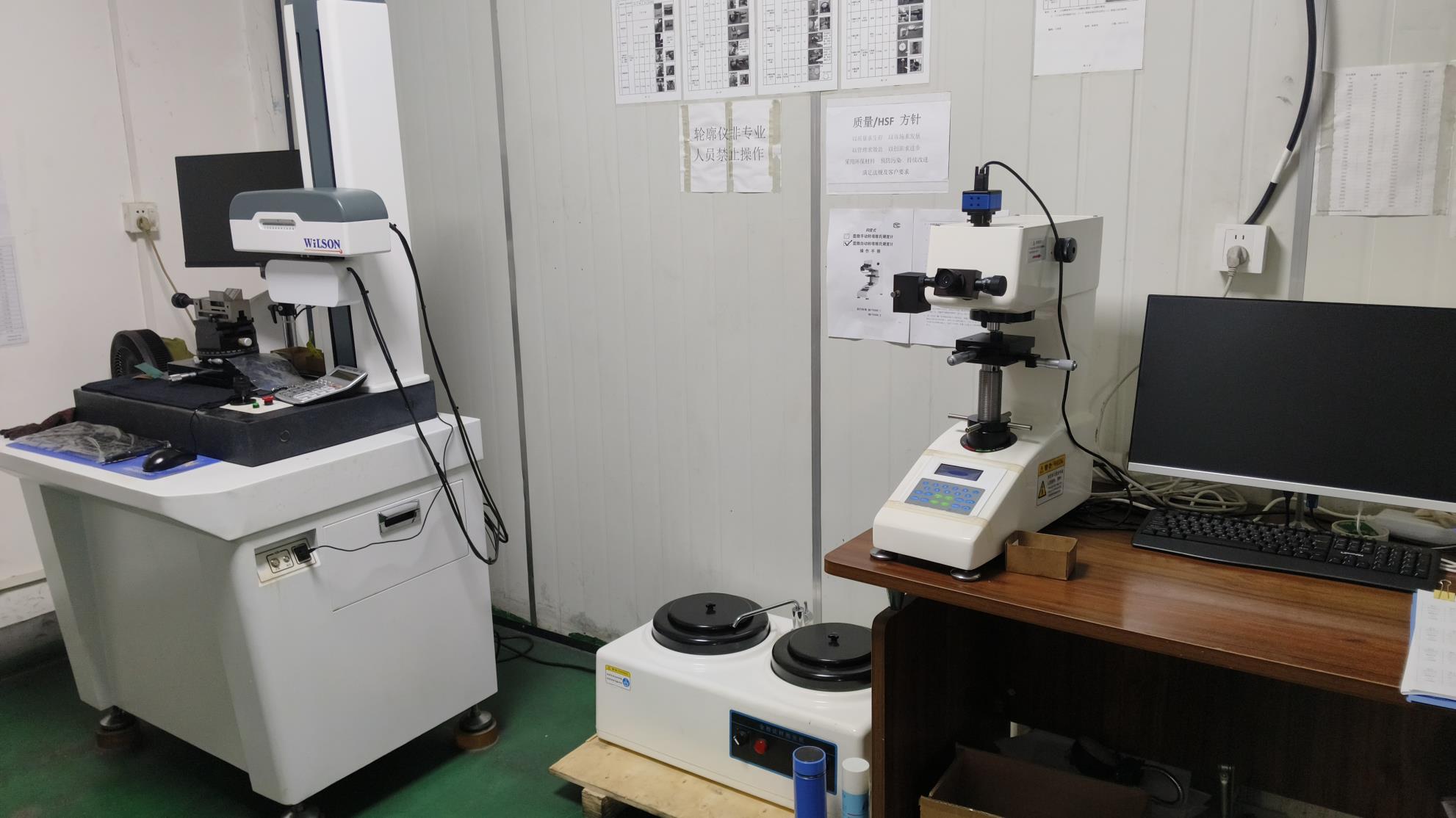
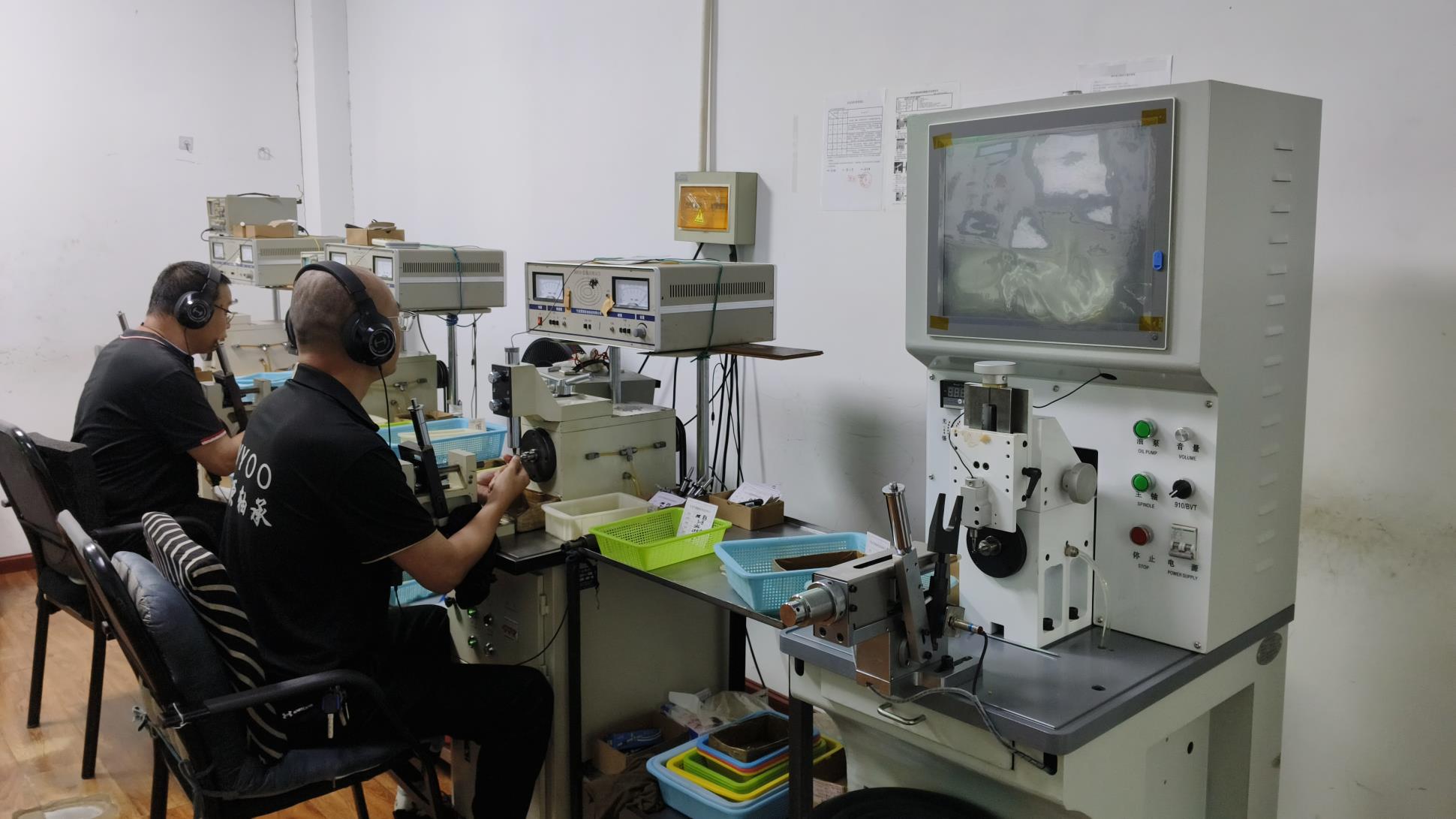
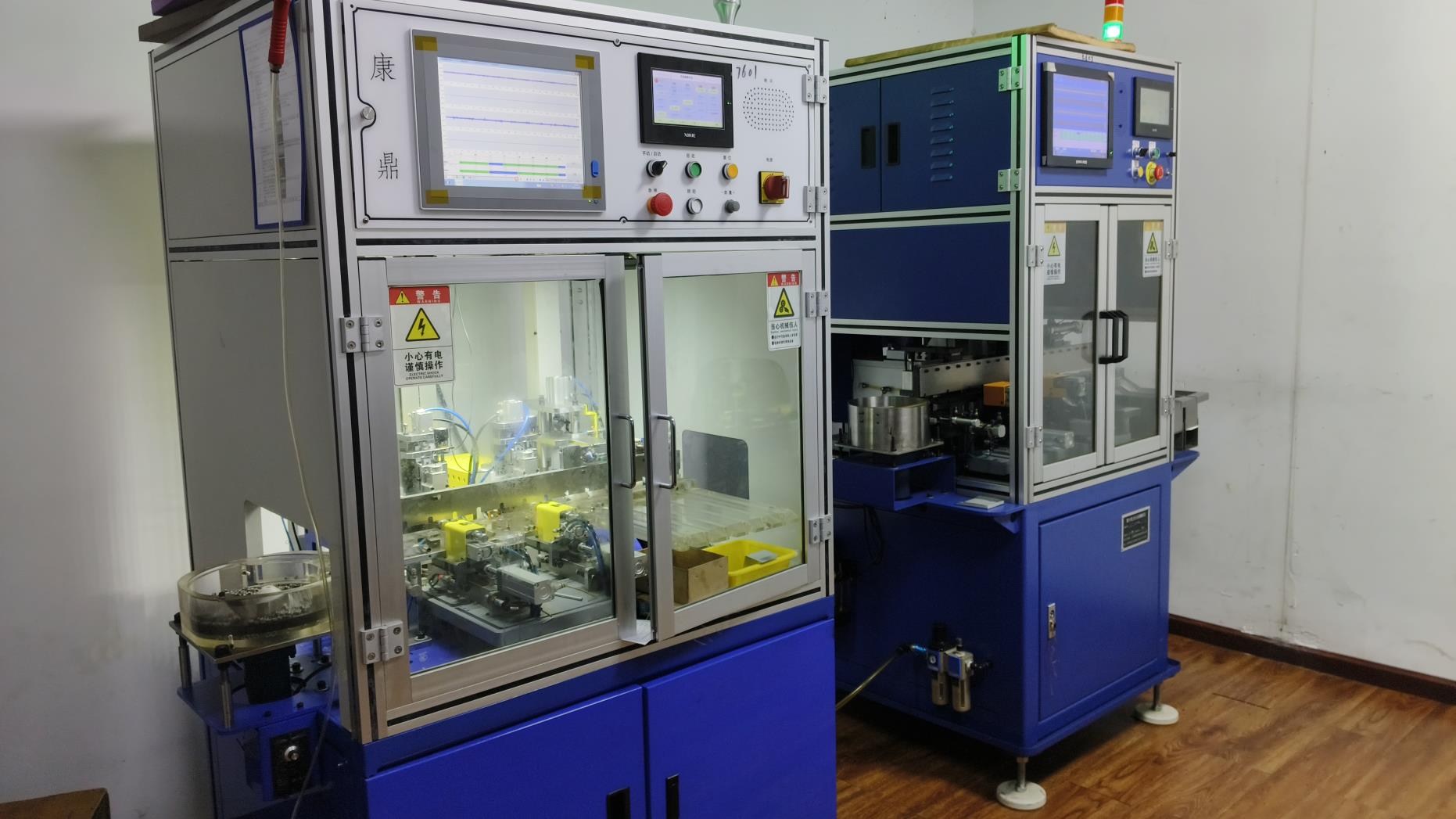
Providing specialized tribological research and design parameters tailored to complex global application demands.
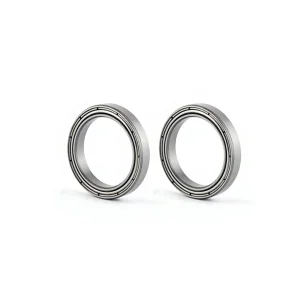
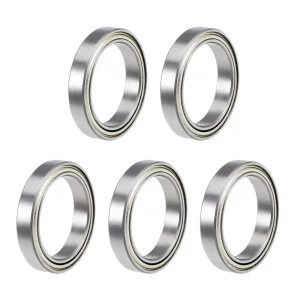
Robotic joints require high torsional rigidity and minimal backlash. Our thin-section ball bearings (e.g., 6700 and 6703zz series) minimize rotational envelope profiles, enabling ultra-compact joint designs for multi-axis robotic arms and AGV drive units without compromising kinetic load capacities.
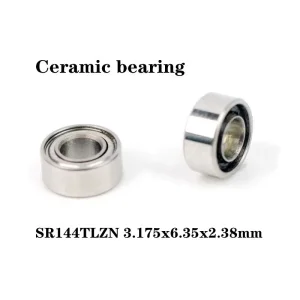
Undergoing rotational speeds exceeding 300,000 RPM, dental handpiece systems demand low-inertia bearings. Utilizing miniature hybrid stainless steel ceramic bearings (e.g., SR144), we deliver superior corrosion resistance, minimal heat buildup, and sterilization tolerance to autoclaves.
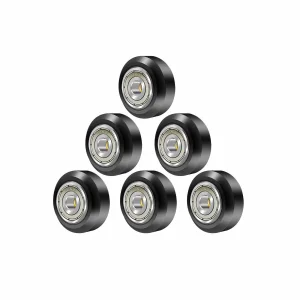
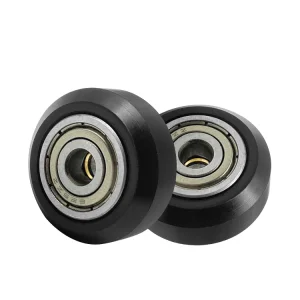
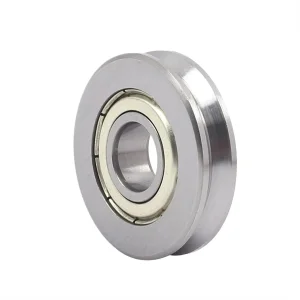
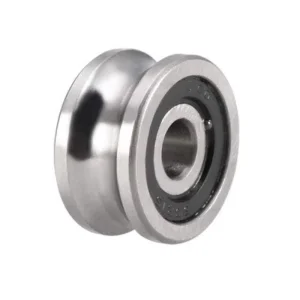
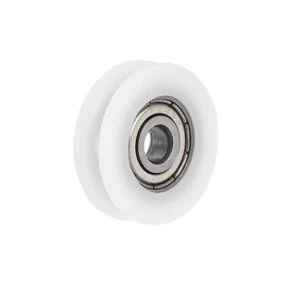
Additive manufacturing relies on predictable, linear guidance structures. The application of double-shielded GCr15 guide bearings (U625ZZ, SG15, 625-POM) ensures clean, stable linear travel across guidance tracks, preventing extrusion artifacts on printed components.
Electric motors in household air conditioners and vacuum cleaners dictate quiet performance. Our 608ZZ and 626ZZ low-noise chrome steel bearings undergo 100% inline automatic decibel testing to meet critical EMQ (Electric Motor Quality) standards.
How cutting-edge materials, tribology research, and extreme environmental requirements are shaping the next generation of power transmission components.
Integrating miniature piezo-resistive temperature and accelerometric vibration sensors directly into the bearing housing structure enables real-time prognostic health monitoring, moving maintenance protocols from reactive to predictive regimes.
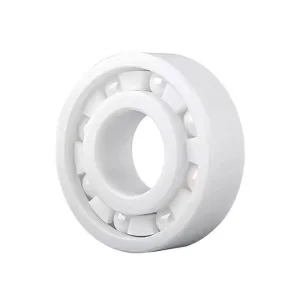
Silicon nitride rolling elements have a density 40% lower than steel, dramatically lowering centrifugal forces at ultra-high rotational speeds. Ceramic-hybrid configurations eliminate electrical erosion (pitting) in high-voltage EV motors.
In vacuum environments or extreme temperature zones where liquid greases evaporate or solidify, solid lubrication transfer films like polytetrafluoroethylene (PTFE) or tungsten disulfide (WS2) ensure reliable friction reduction.
Our bearing engineering team answers frequently asked questions regarding tolerances, radial clearances, lubrication options, and application-specific parameters.
A: ABEC scale ratings (equivalent to ISO standards) specify dimensional accuracy, shape constraints, and runout limits. P0 (ABEC-1) bearings are ideal for generalized applications. P5 (ABEC-5) bearings guarantee significantly reduced radial runout and tighter bore tolerances, essential for high-speed CNC spindles, medical tools, and precision servo motors demanding minimal jitter.
A: ZZ shields utilize non-contact steel plates, which retain grease and exclude large particulates without adding friction torque, making them ideal for high-speed, clean environments. 2RS seals utilize contacting synthetic rubber (NBR), providing superior protection against liquid contaminants, moisture, and fine dust, but introduce slightly higher rotational drag.
A: GCr15 is a high-carbon chromium alloy steel containing approximately 1% carbon and 1.5% chromium. Through appropriate heat treatment, it develops high hardness, wear resistance, and high elastic limits. This ensures excellent fatigue life under heavy rolling loads, outperforming carbon steel and basic stainless steel in standard load scenarios.
A: Radial clearance (ranging from C2 to C3/C4) is the total play between the outer ring, inner ring, and rolling elements. A standard clearance is designed for typical press fits and temperature gradients. C3 clearance (larger than standard) is required when thermal expansion is expected in high-temperature motors or when heavy shaft interference fits are applied.
A: High-speed bearings like the SR144 dental series require low-viscosity synthetic oils or specialized light greases to minimize drag and heat generation. For long-life, maintenance-free industrial applications (such as household appliances), high-grade lithium complex or polyurea greases are sealed in-factory, filled to 30%-40% of the internal cavity volume.
A: Hybrid bearings using silicon nitride (Si3N4) balls and steel rings can operate dry or under marginal lubrication because ceramic-to-steel contact does not suffer from cold-welding (adhesion). However, to prevent premature wear of the steel races and cage, light lubrication is recommended for high-speed or heavy-duty operation.
Explore our engineering solutions for linear tracking, miniature medical systems, and high-speed CNC applications.
 TorqPro Motor