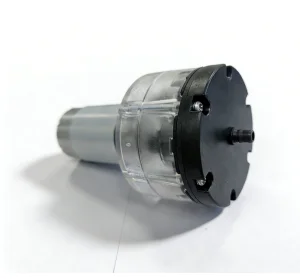
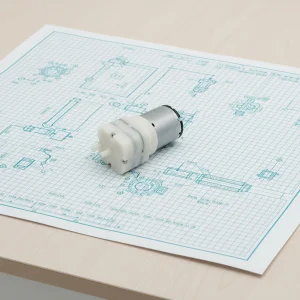
Engineered to handle extreme environmental demands, our primary micro pumps facilitate off-grid water purification, clinical analysis, and clean water processing across Ghana.
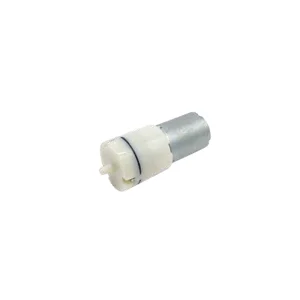
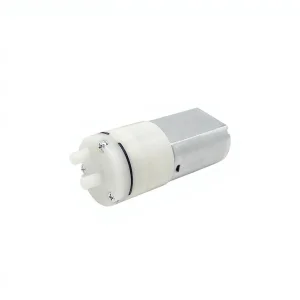
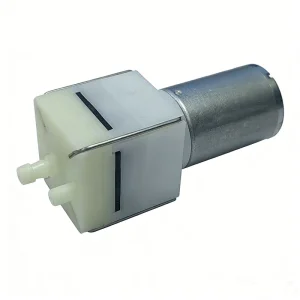
The industrial landscape in Ghana, led by regional centers in Accra, Tema, and Kumasi, is undergoing a rapid modernization path. As part of initiatives like the "One District One Factory (1D1F)" project, the reliance on localized processing plants, agricultural automation, and domestic medical technologies has reached an all-time high. To match this change, standard pump frameworks are shifting toward modular, energy-efficient, DC-driven micro pumps that integrate seamlessly with localized solar grids.
Operating in tropical environments demands design considerations that standard, mass-produced hardware cannot satisfy. Factors such as prolonged relative humidity exceeding 85%, continuous operating ambient temperatures reaching 45°C, and irregular voltage inputs necessitate pumps built with robust raw materials, high thermal stability, and low energy footprints.
Understanding the engineering parameters and compliance benchmarks that define modern micro-fluidic systems globally.
Modern micro pumps must function without thermal degradation. Utilizing high-temperature thermoplastic housings (such as PPS or heat-stabilized Nylon) allows our 555-series and 370-series pumps to run up to 70°C, preserving mechanical seal integrity.
For applications handling potable water, nutritional processing, or clinical diagnostic fluids, pump materials must be non-toxic and wear-resistant. We ensure our materials conform to FDA, LFGB, and CE directives, ensuring zero lead or chemical contamination.
The efficiency of a micro pump is defined by its motor core. By integrating copper coils, high-strength magnetic rotors, and options for brushless DC (BLDC) systems, our pumps reach operational lifespans up to 5,000+ hours in rigorous conditions.
How our custom micro pumps address local problems across domestic, commercial, and clinical landscapes.
In rural communities across the Volta, Ashanti, and Northern regions of Ghana, centralized drinking water grids are often unavailable. Decentralized water filtration kiosks run on solar energy. Our high-pressure 12V DC diaphragm pumps are perfect for pushing raw water through ceramic or hollow-fiber membrane filters with minimal power draw.
Regional hospitals and diagnostic laboratories in Accra and Kumasi rely on medical analyzers, patient monitors, and point-of-care test devices. Our micro air and vacuum pumps (such as the WYOO 030 and 130 series) provide quiet air routing, sample circulation, and vacuum suction with precise, low-pulsation control.
Greenhouse cultivation and smallholder horticulture farms require precise dosing of fertilizers and nutrients. Standard agricultural pumps consume excessive power and lack precision. Using our low-voltage smart micro pumps, farmers can configure customized automated drop-by-drop nutrient delivery systems.
Our quality system guarantees that each micro pump and micro-drive assembly satisfies professional demands before shipment.
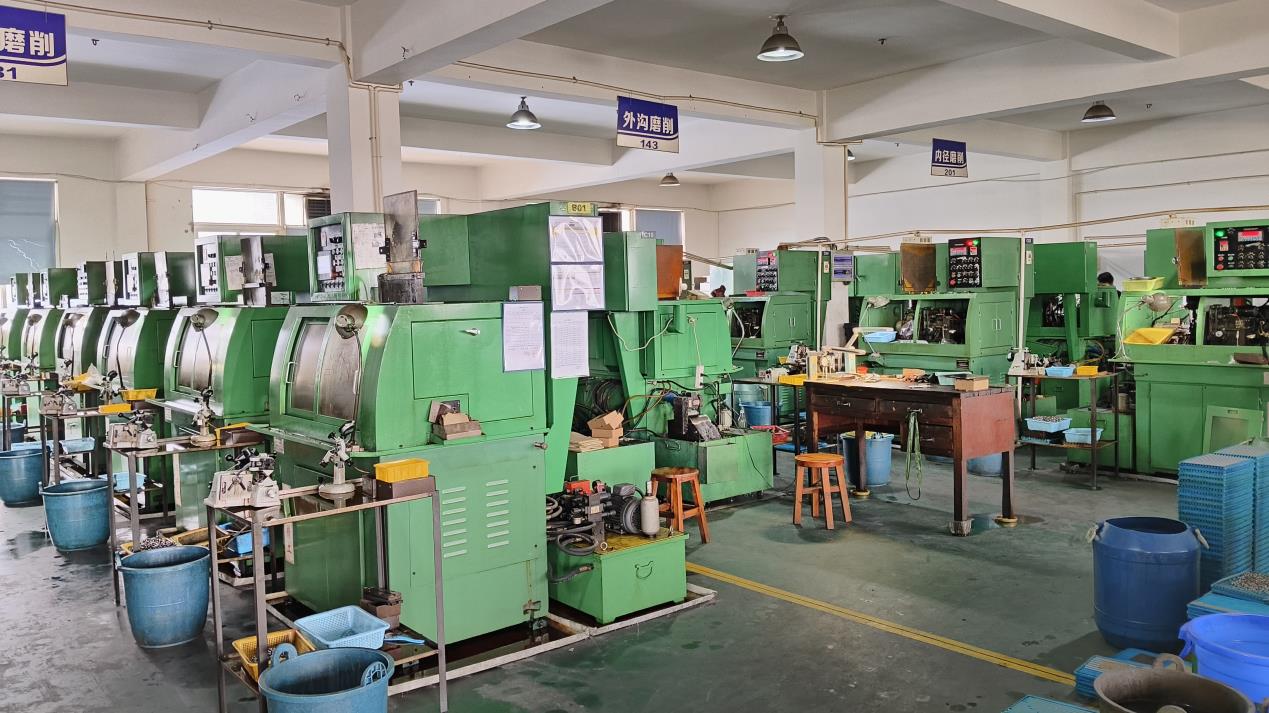
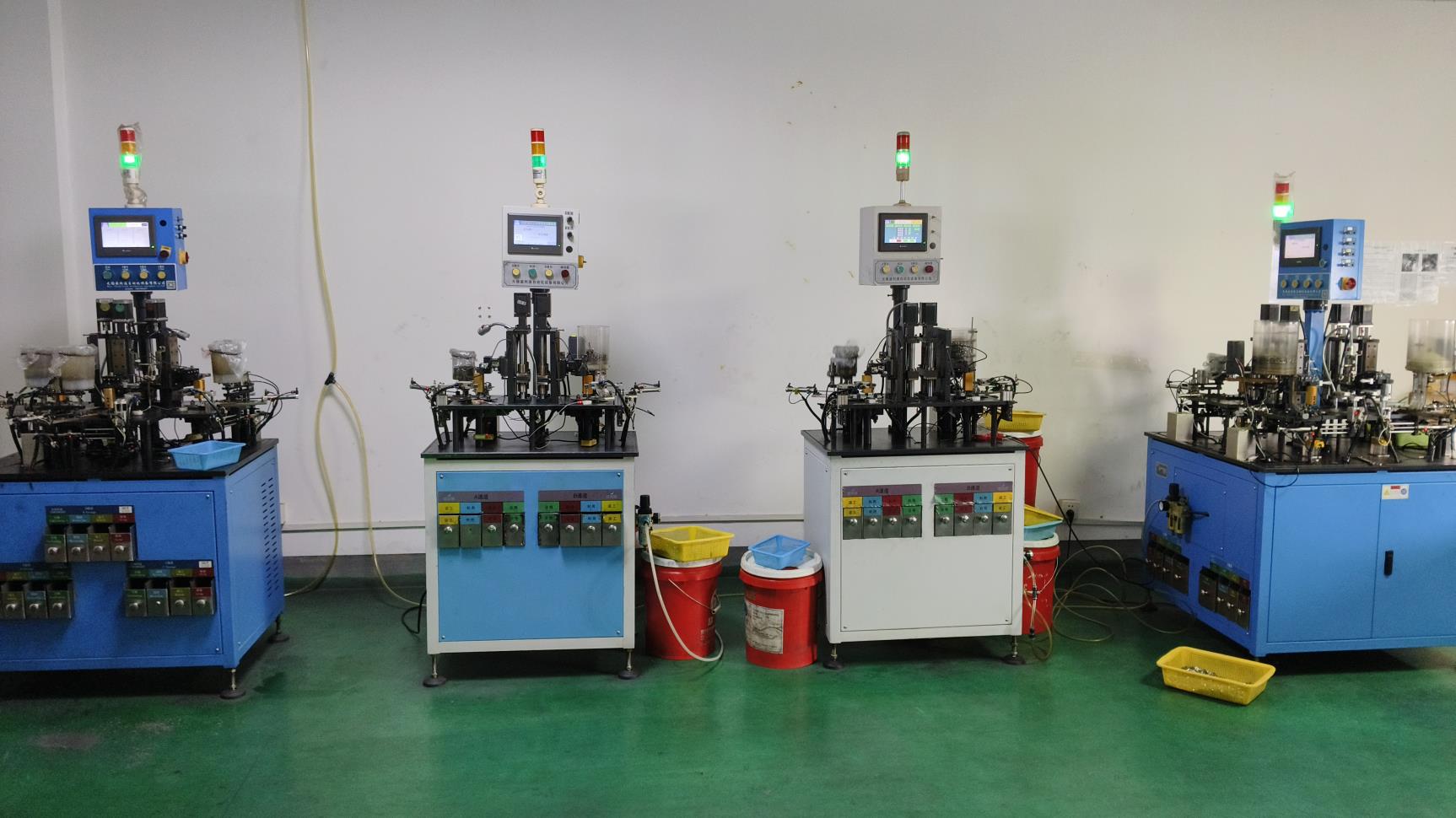
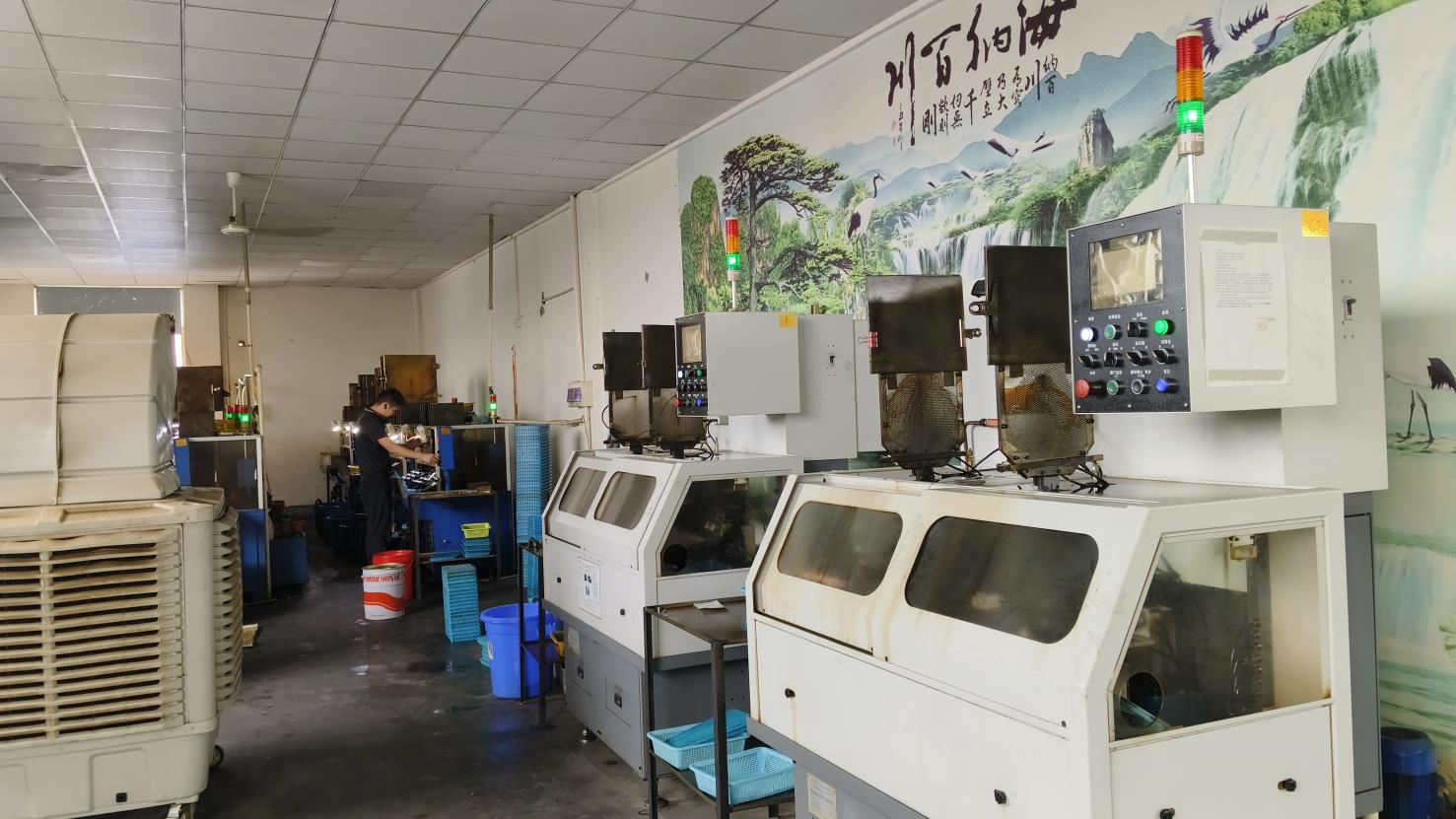
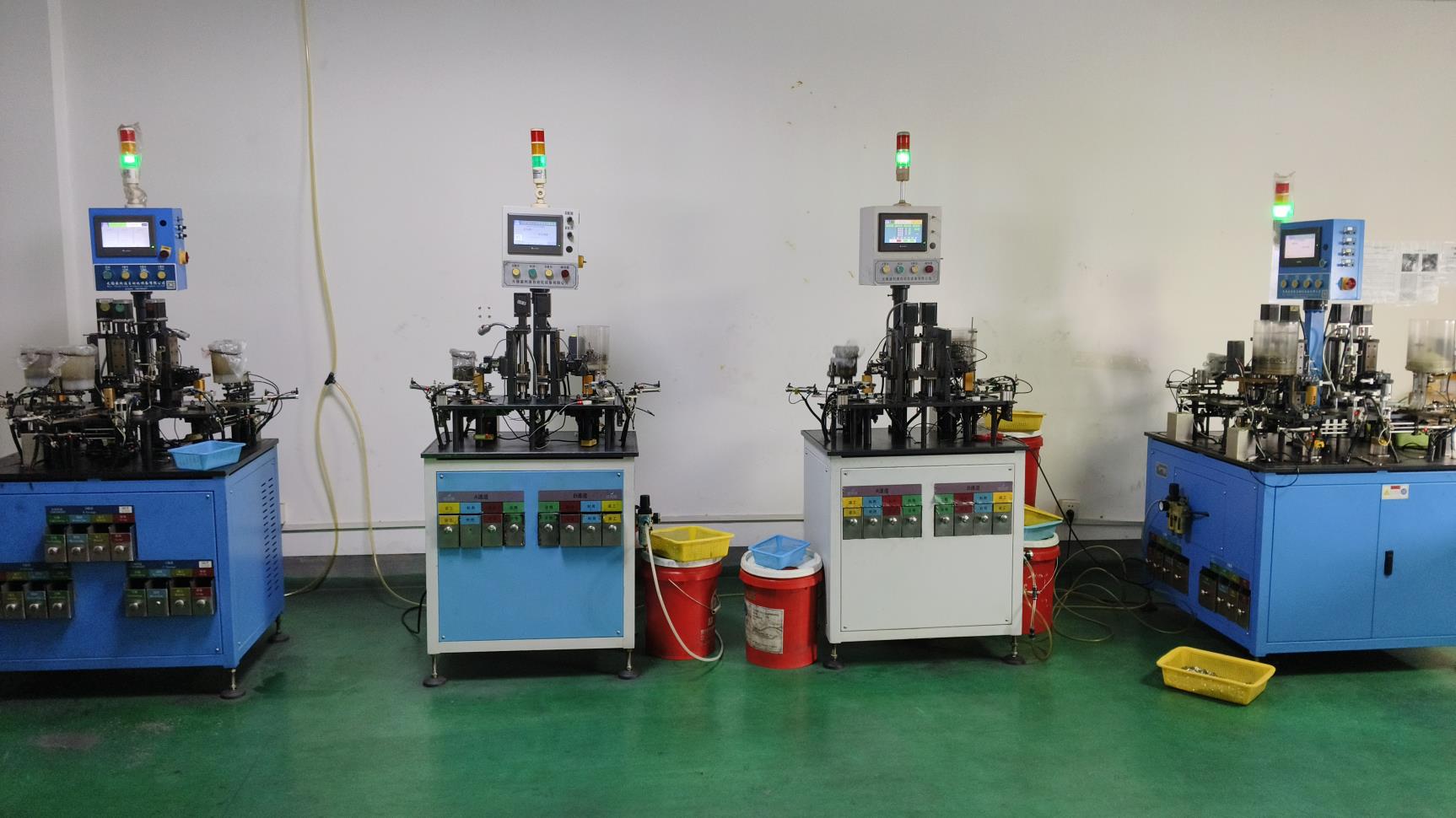
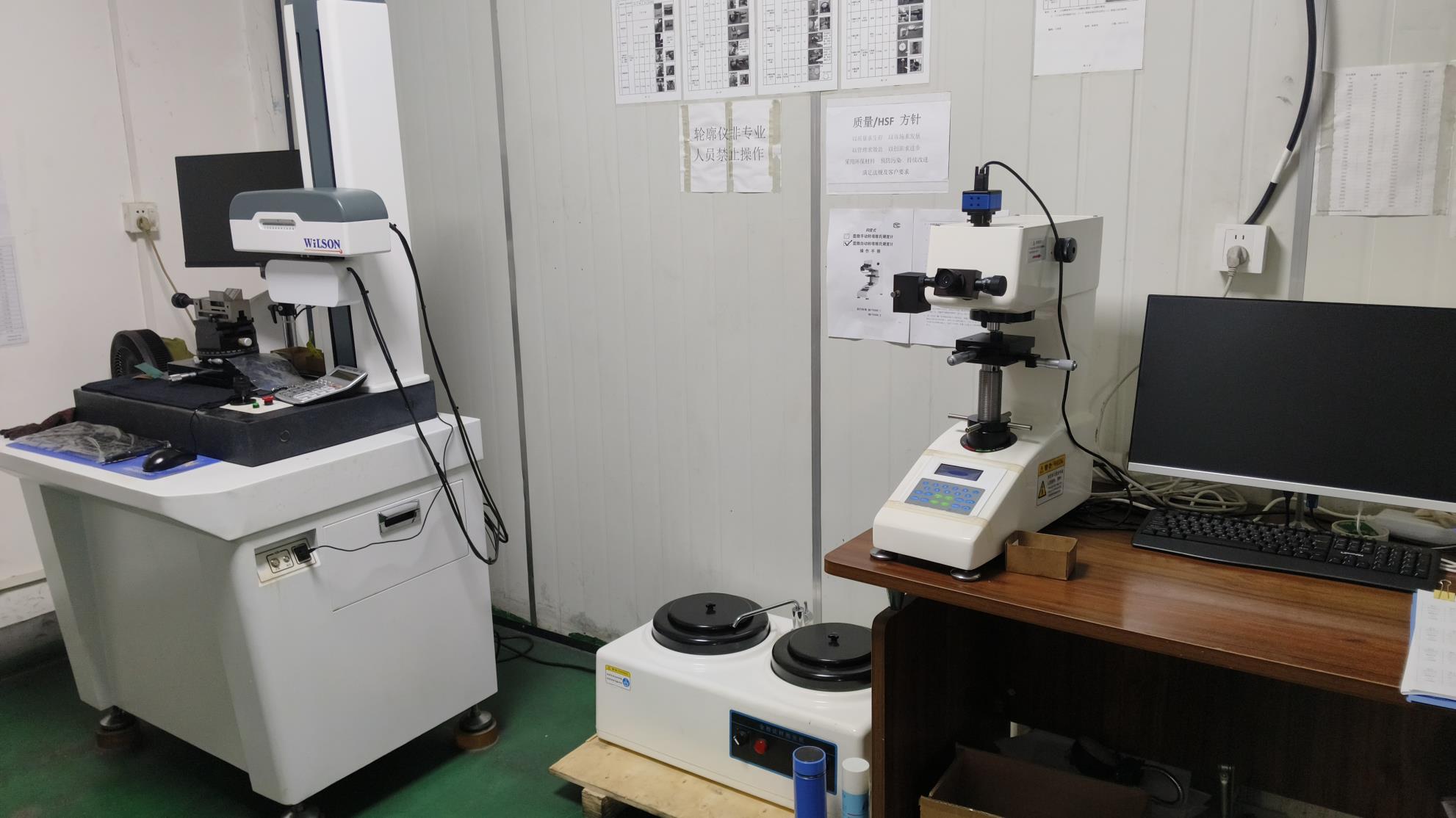
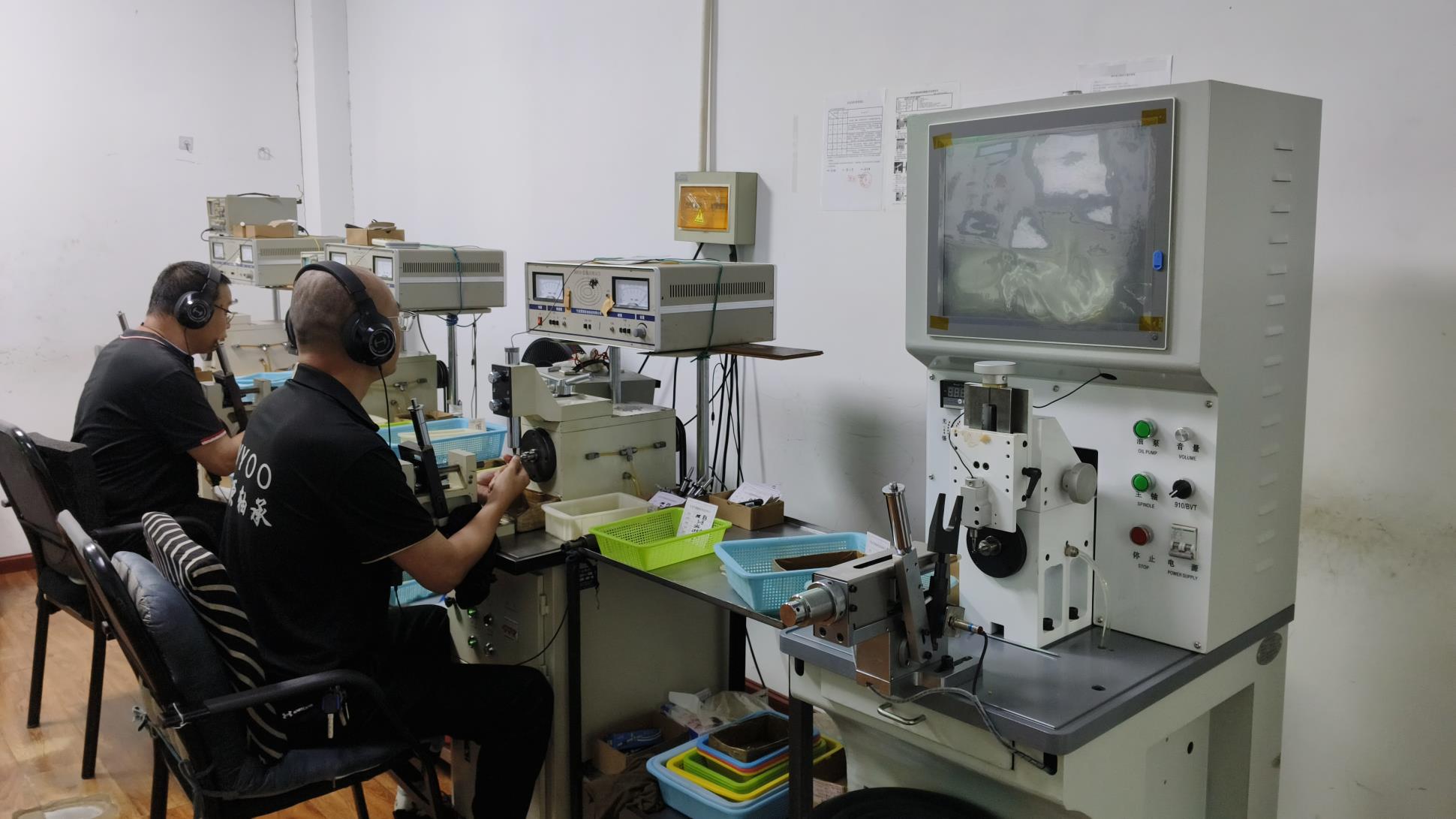
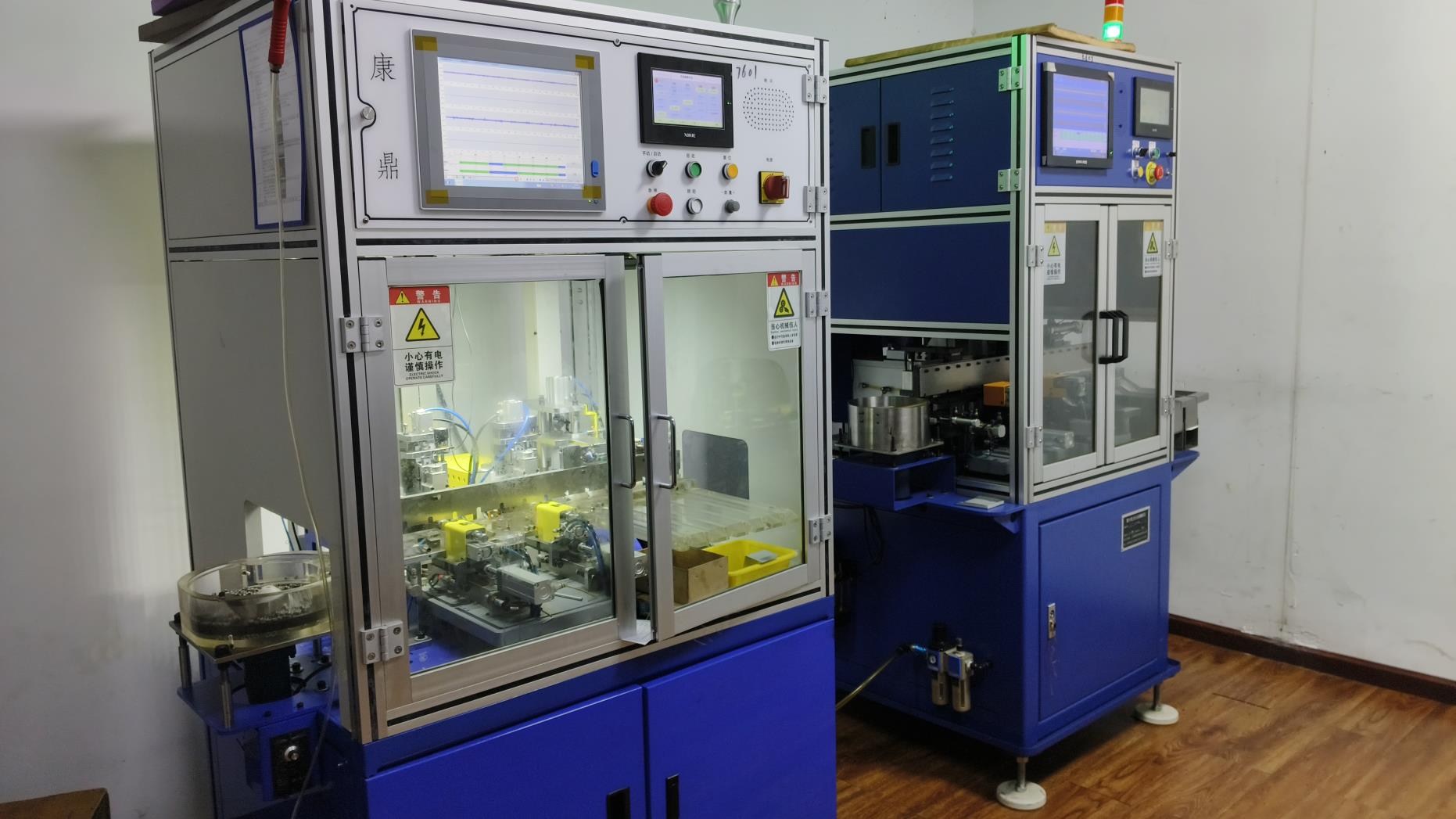
Every micro pump relies on the build quality of its structural core. At TorqPro Motor, we execute our manufacturing under strict industrial guidelines. Our engineering facility combines precision automation with rigorous physical testing. From the raw gear and shaft grinding to high-frequency decibel sound testing, every phase is optimized to prevent field failures.
Below is an inspection of the internal engineering stages our components pass through to maintain their high reliability standard for West African distributors and manufacturing partners.
We operate on a direct philosophy: delivering the high manufacturing capacity of a top-tier factory alongside the precise attention of a local development partner. We support OEM/ODM customization requests for output pressures, current inputs, lead wire connectors, and noise levels.
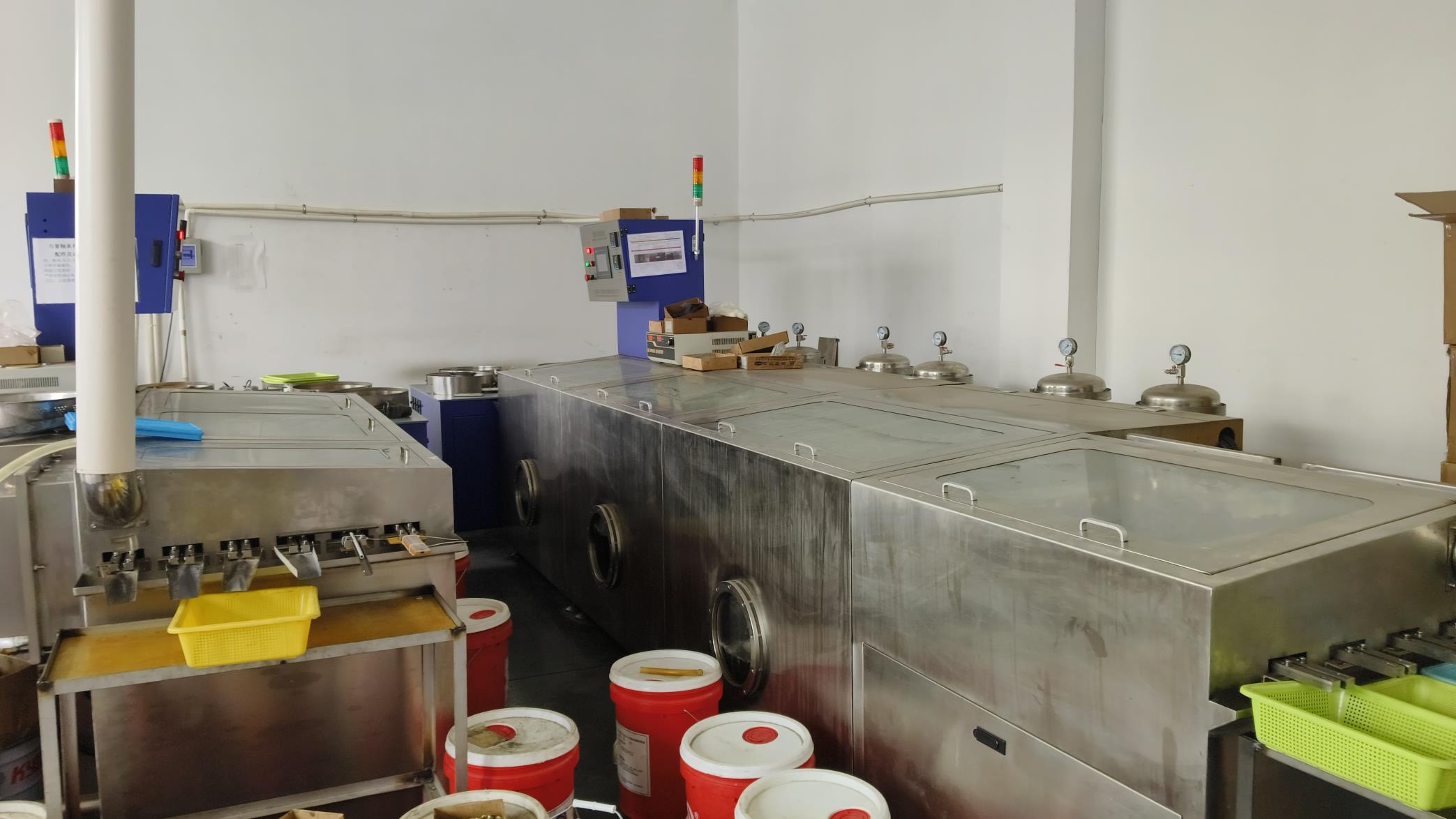
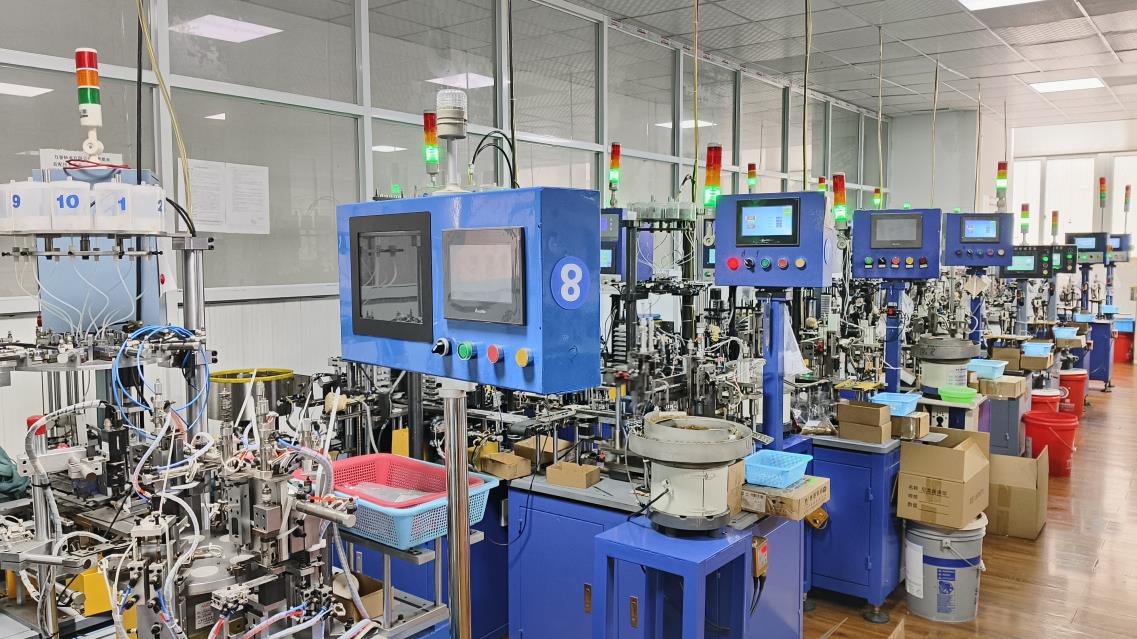
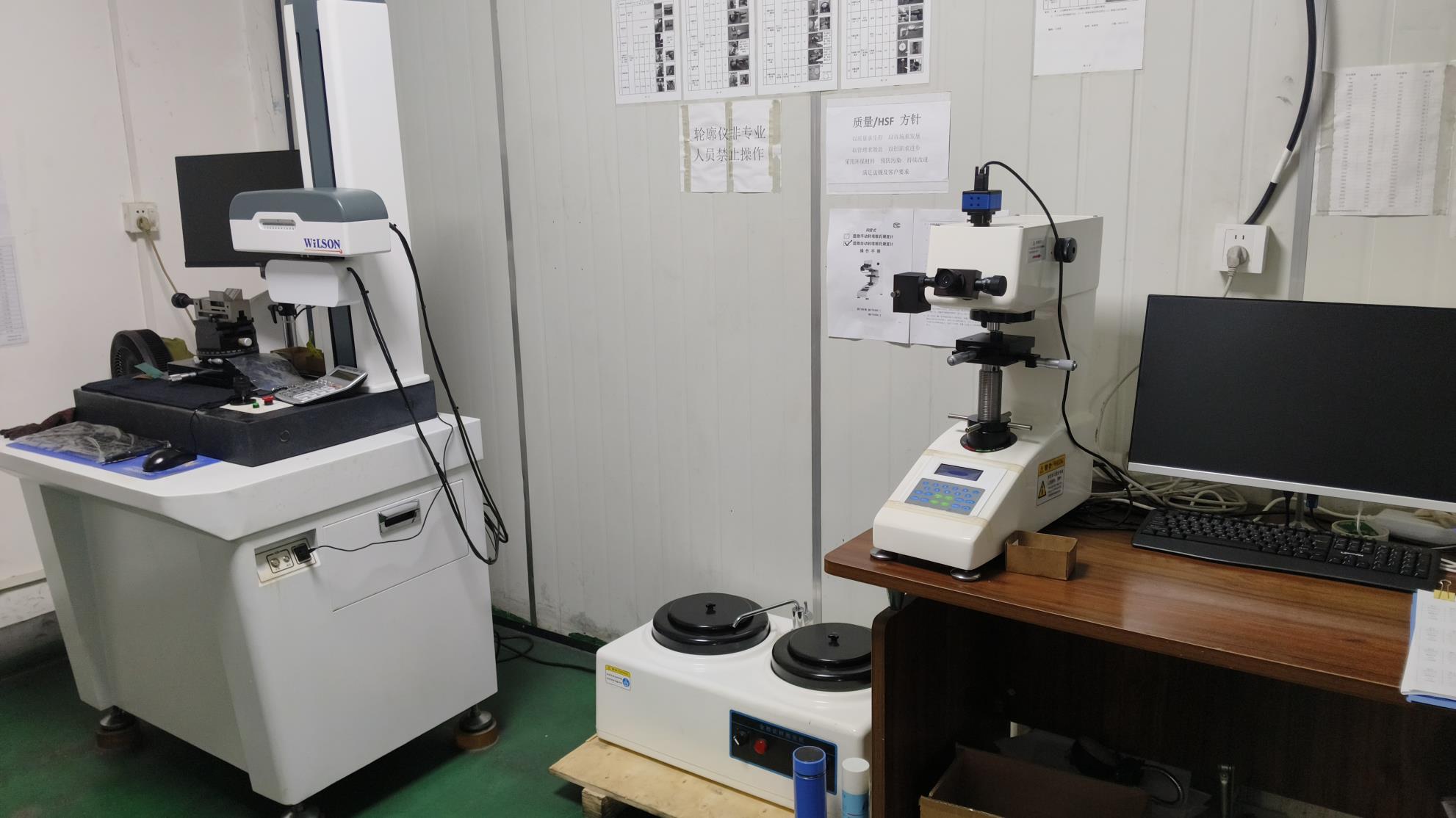
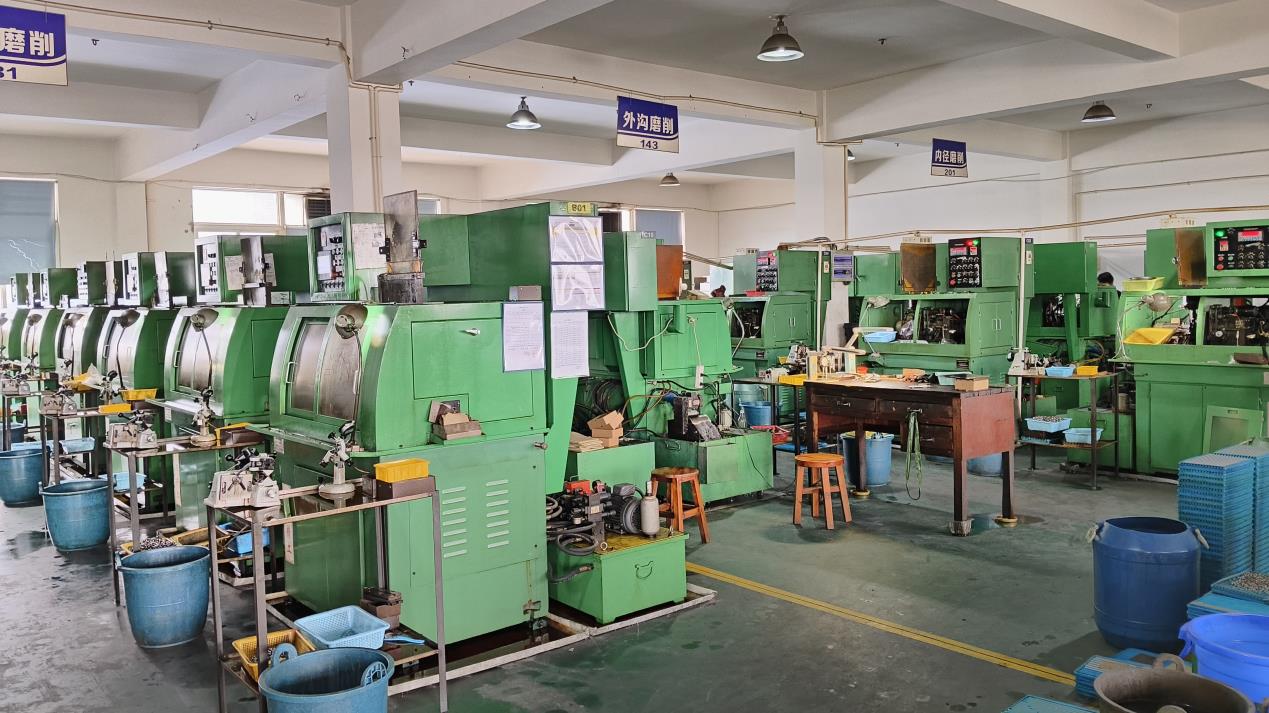
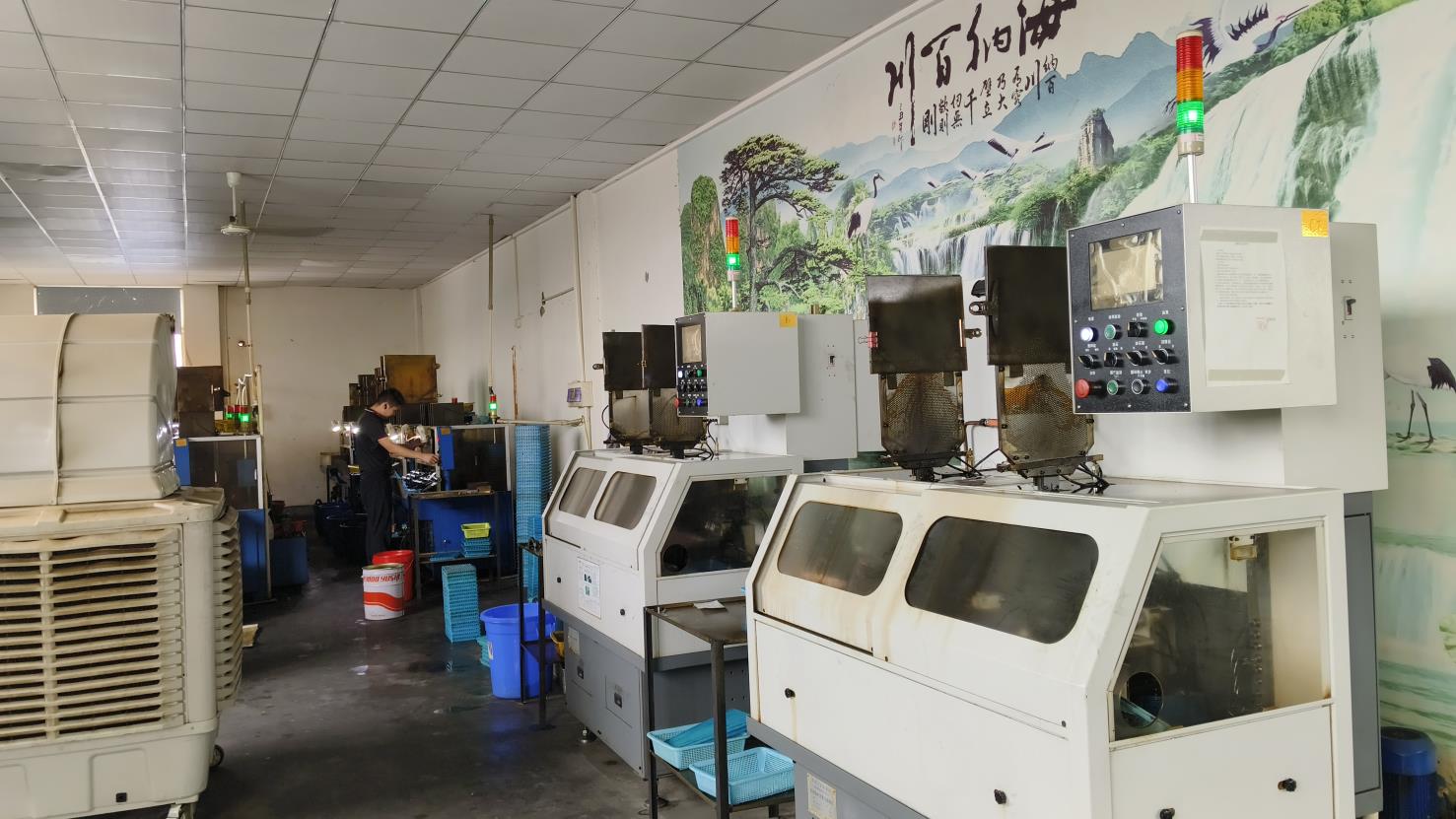
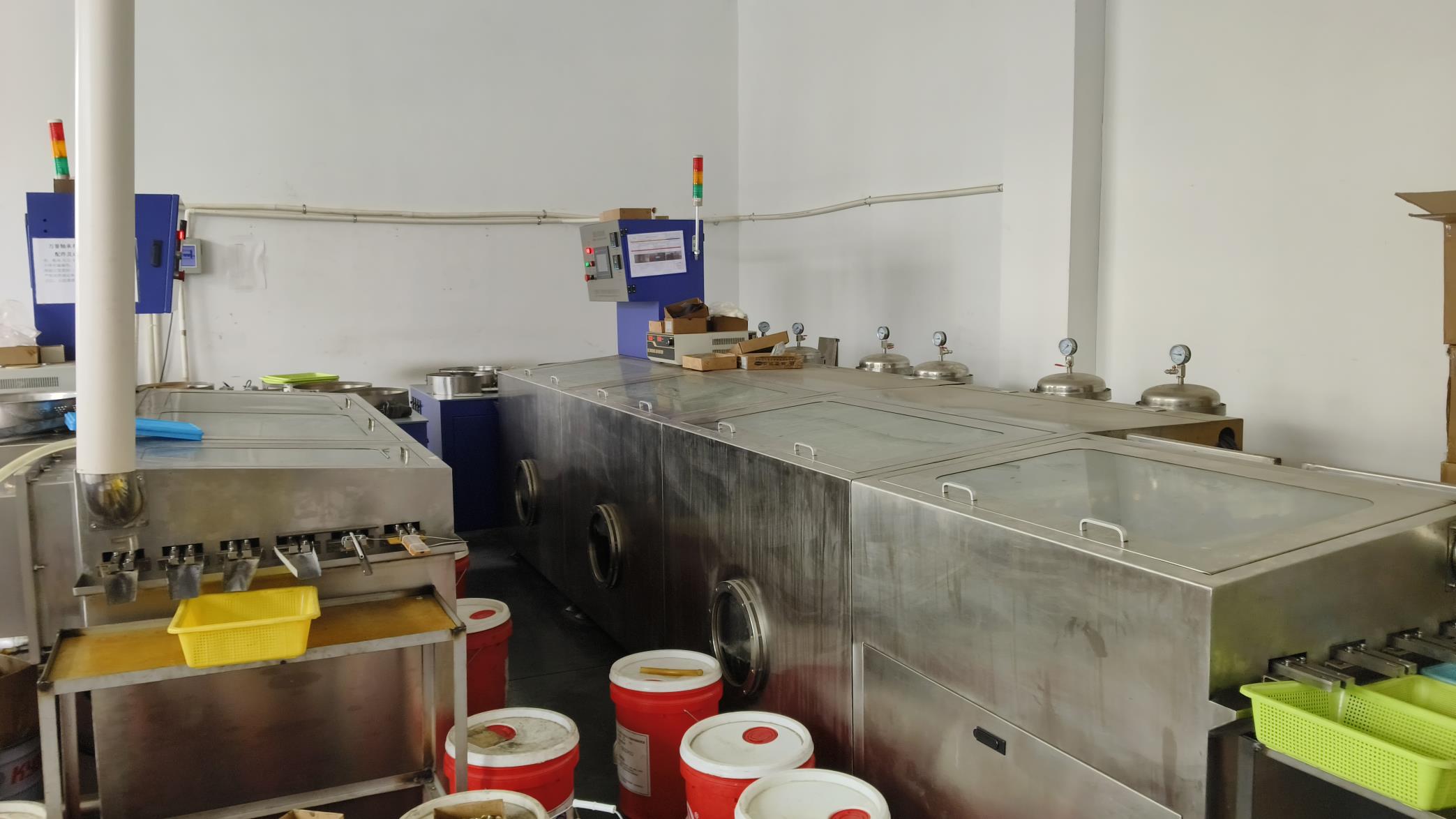
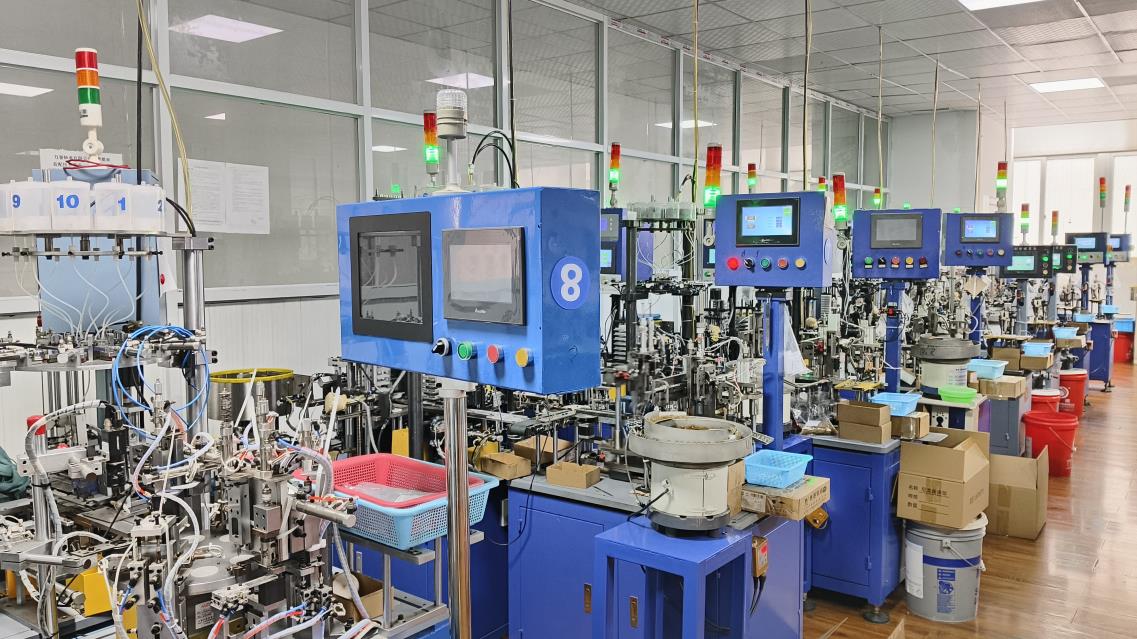
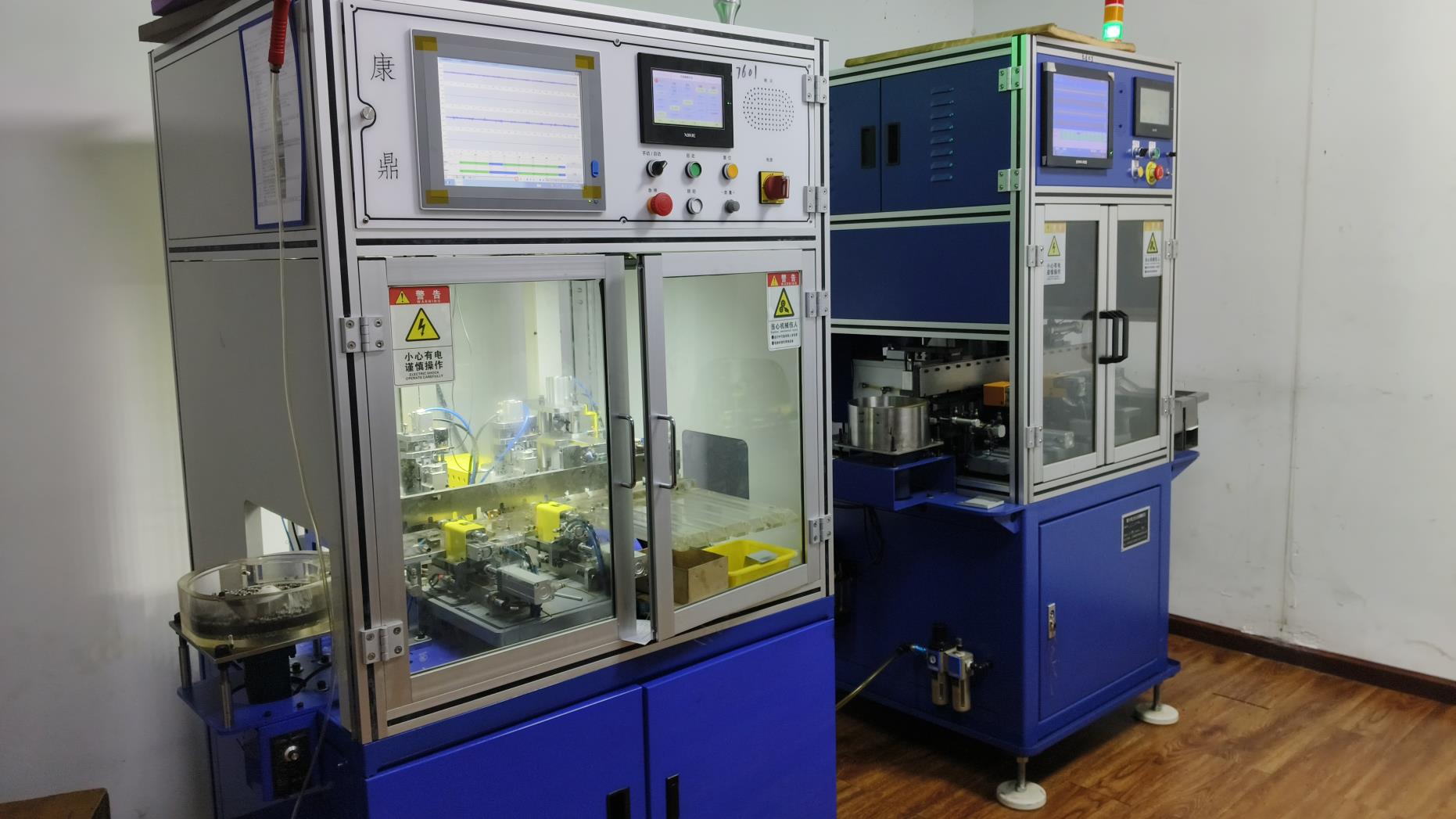
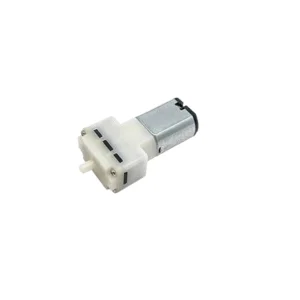
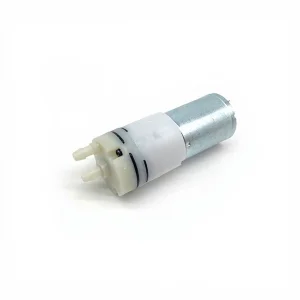
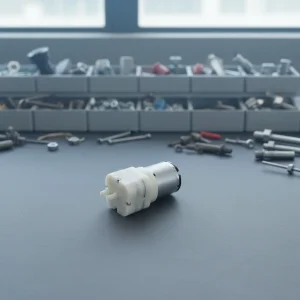
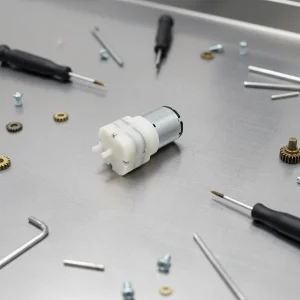
A selection of medical-grade air pumps, vacuum boosters, and low-noise DC diaphragm pumps for local assembly and supply.
Where micro-pump design is heading to meet long-term efficiency benchmarks.
The industry is shifting from traditional brushed DC motor mechanisms to brushless DC (BLDC) architectures. While brushed motors are cost-effective for short-duty or cyclic equipment, BLDC drives yield up to 40% higher efficiency and eliminate friction wear, extending life parameters beyond 10,000 continuous hours.
For the Ghanaian market, where equipment maintenance can face logistical delays, employing BLDC micro pumps reduces downtime and cuts replacement overhead. Additionally, integrating integrated drivers allows closed-loop speed control, enabling direct interface with IoT agricultural networks or automated medical monitors.
Addressing primary engineering, logistical, and design integration questions for buyers in Ghana.
For standardized sample batches, shipping typically takes 7-10 business days via express courier. Bulk production shipments destined for the Tema Port or Kotoka International Airport (ACC) generally require 25-35 days for manufacturing, assembly, and testing, plus standard maritime or air freight times.
Yes, our low-voltage DC options (3.7V, 6V, 12V, 24V) are engineered to interface directly with solar battery setups, charge controllers, and off-grid power systems, bypassing the need for complex, inefficient AC-to-DC converters.
Absolutely. We utilize high-grade thermoplastics like Polyphenylene Sulfide (PPS) and specialized EPDM elastomers that retain structural properties and resist thermal expansion in high-humidity, high-temperature environments.
We follow a zero-defect manufacturing standard. Every single motor and diaphragm assembly undergoes optical aperture tests, high-precision grinding validation, running parameter testing, and decibel audits prior to packing.
Yes. All food-grade self-priming diaphragm pumps utilize FDA-compliant, food-safe silicone, PP, and EPDM. They also carry CE certification, verifying conformity to EU safety standards.
 TorqPro Motor