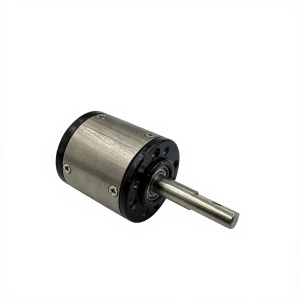
Optimized for Toronto robotics, automation integrations, and severe duty cycles across Canada and North America.
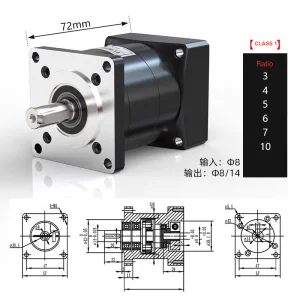
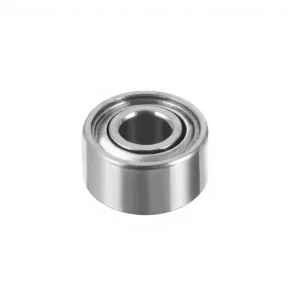
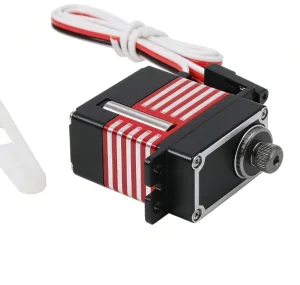
The Greater Toronto Area (GTA), stretching from the manufacturing corridors of Vaughan and Mississauga to the tech supercluster of Waterloo, is home to Canada's most demanding advanced manufacturing ecosystems. With the rapid resurgence of domestic automotive production, complex biomedical fabrication, and automated logistics centers, the demand for precision gears has transitioned from basic mechanical utility to ultra-low backlash, high-performance power transmission networks.
Gears manufactured or distributed in Ontario must survive massive thermal fluctuations, high humidity profiles, and heavy operational stressors. Today's procurement managers require more than off-the-shelf spur gears. They demand custom multi-stage planetary assemblies, custom materials like technical silicon nitride ceramics, and micro-actuators that run continuously inside smart automation lines.
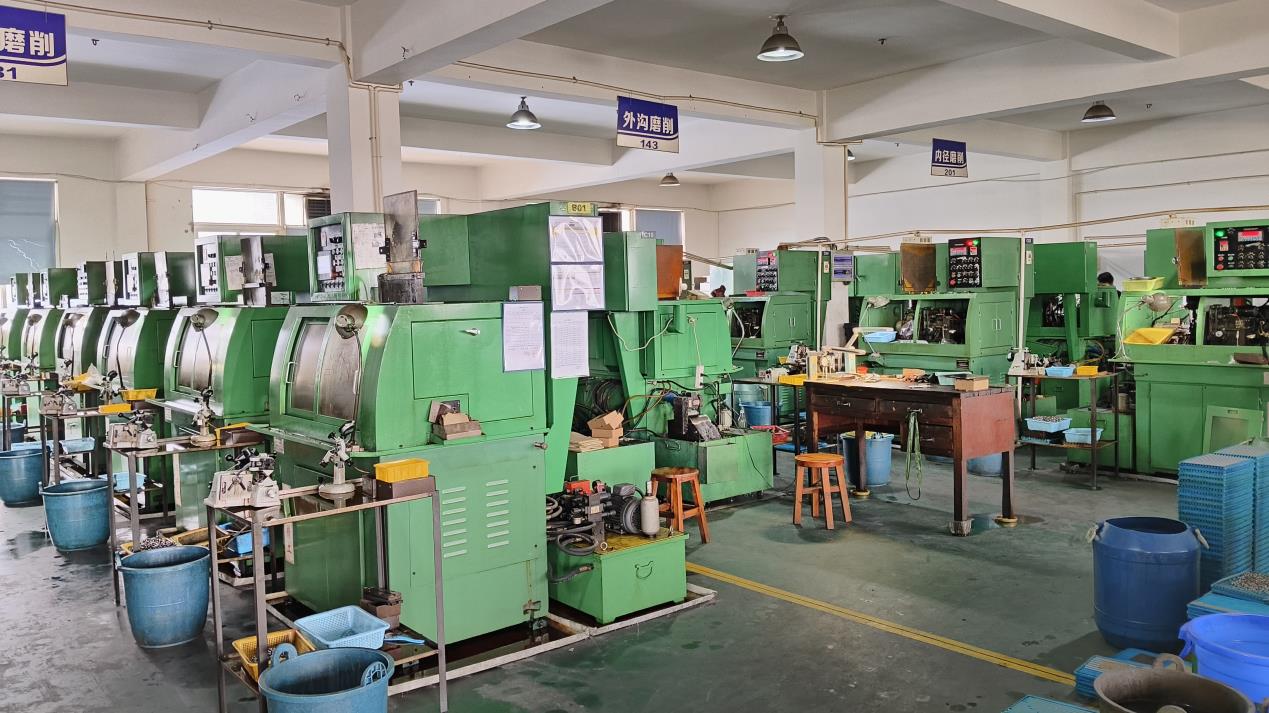
How Material Innovations and Smart Diagnostic Features are Reshaping Torque Transmission.
As medical and robotic devices scale down, the physical footprint of the gearing components must decrease without sacrificing torque-carrying capabilities. Using finite element analysis (FEA) and advanced geometry profiles, current planetary systems achieve up to 35% higher torque density compared to legacy configurations.
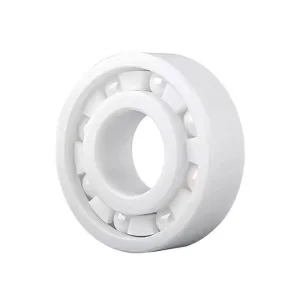
By combining deep-nitrided hardening with advanced silicon nitride (Si3N4) and ceramic configurations, modern gearboxes are designed to eliminate tooth wear in high-frequency applications. These materials are key in high-speed cooling fan systems and surgical automation where lubricant degradation cannot be tolerated.
In domestic, medical, and high-precision scientific labs throughout Toronto, noise pollution from transmission systems must be eliminated. Modern assembly procedures incorporate real-time decibel tracking, matching internal components to reduce acoustic emissions to below 45dB.
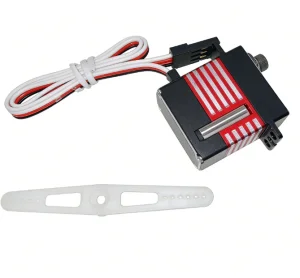
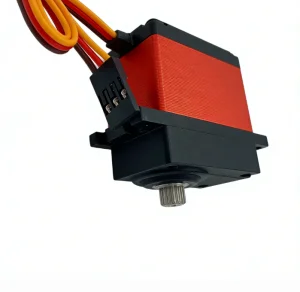
These specialized microcomponents support high-precision medical machinery, robotics assemblies, and heavy industrial instrumentation.
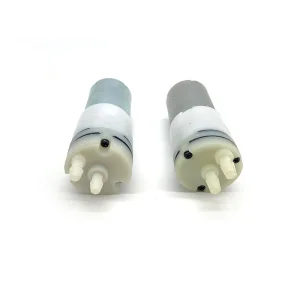
At TorqPro Motor, we bridge the gap between local Toronto engineering support and the massive cost/scale benefits of our advanced Chinese smart factories. Operating under standardized ERP infrastructures, our Factory 4.0 model relies on automated inspection, robotic gear assembly, and precision diagnostic loops to supply reliable drives globally.
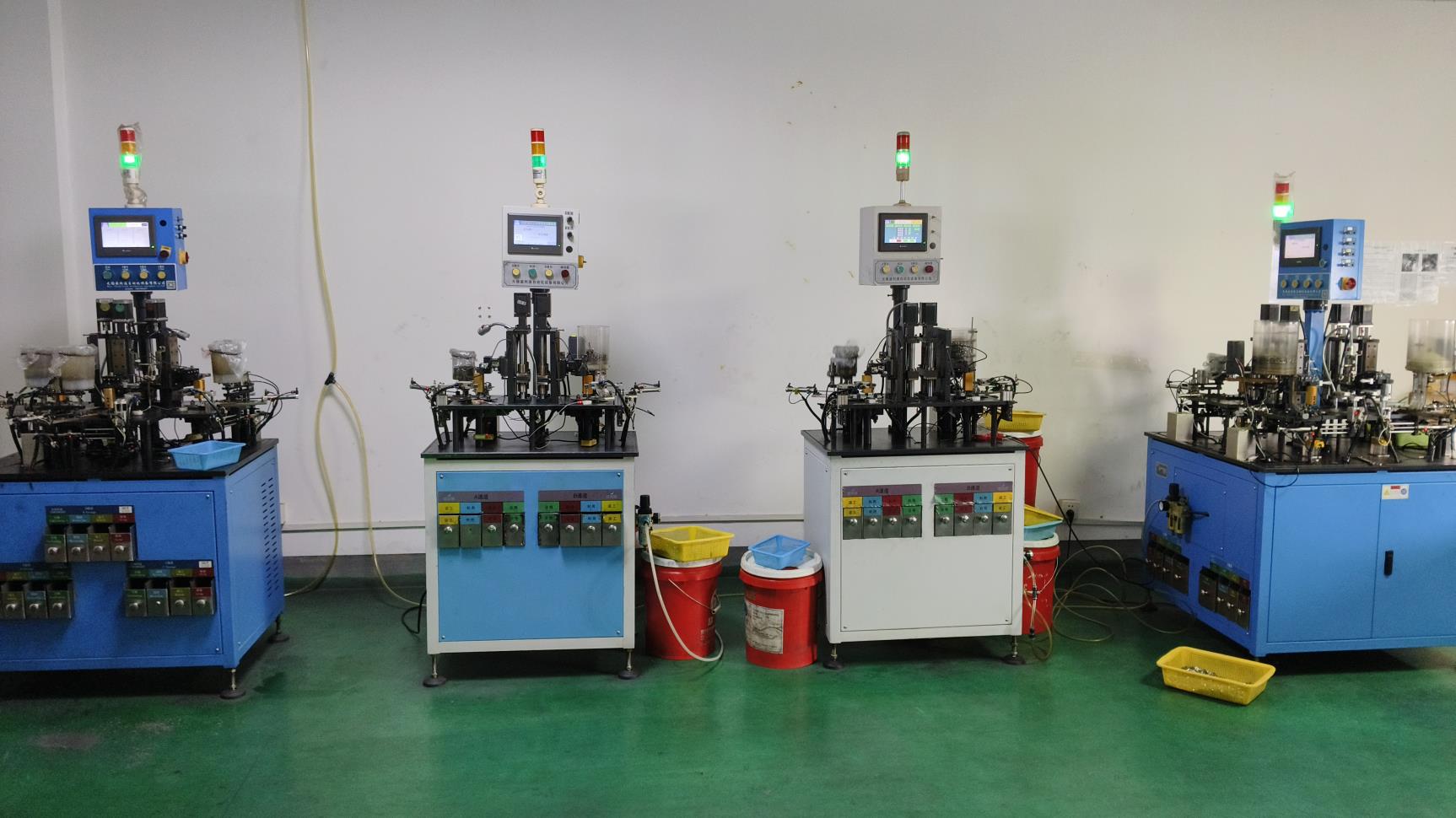
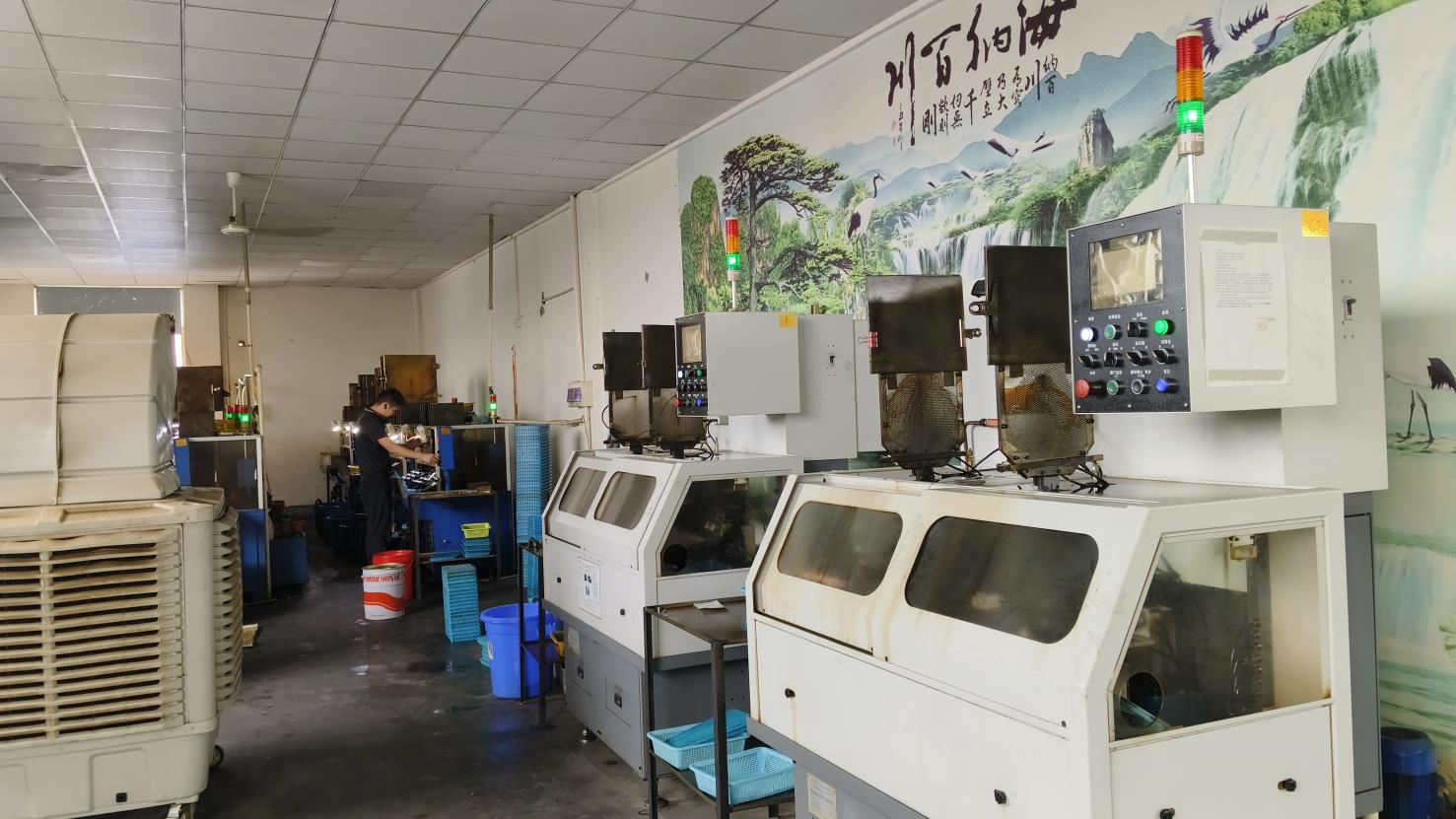
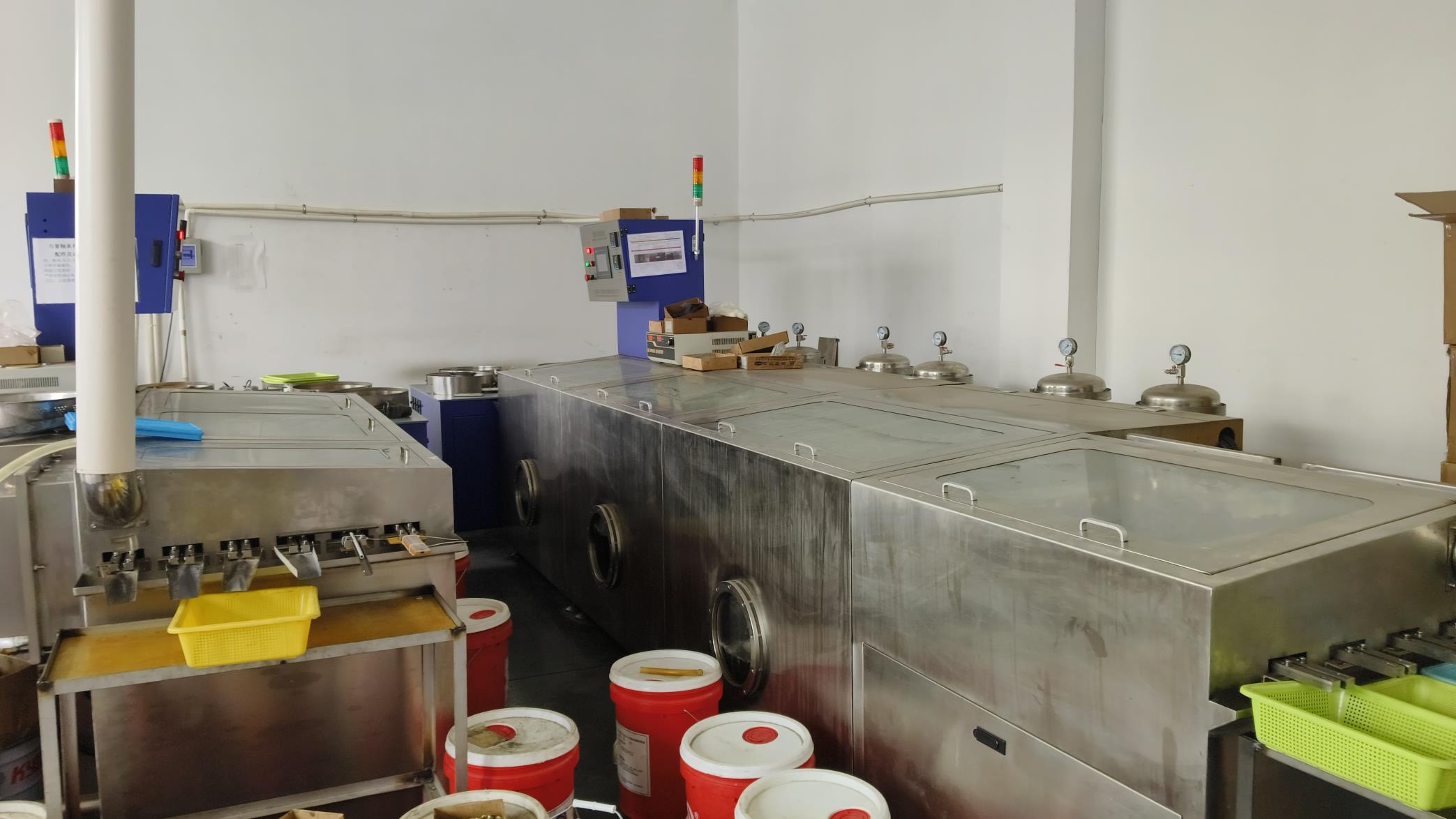
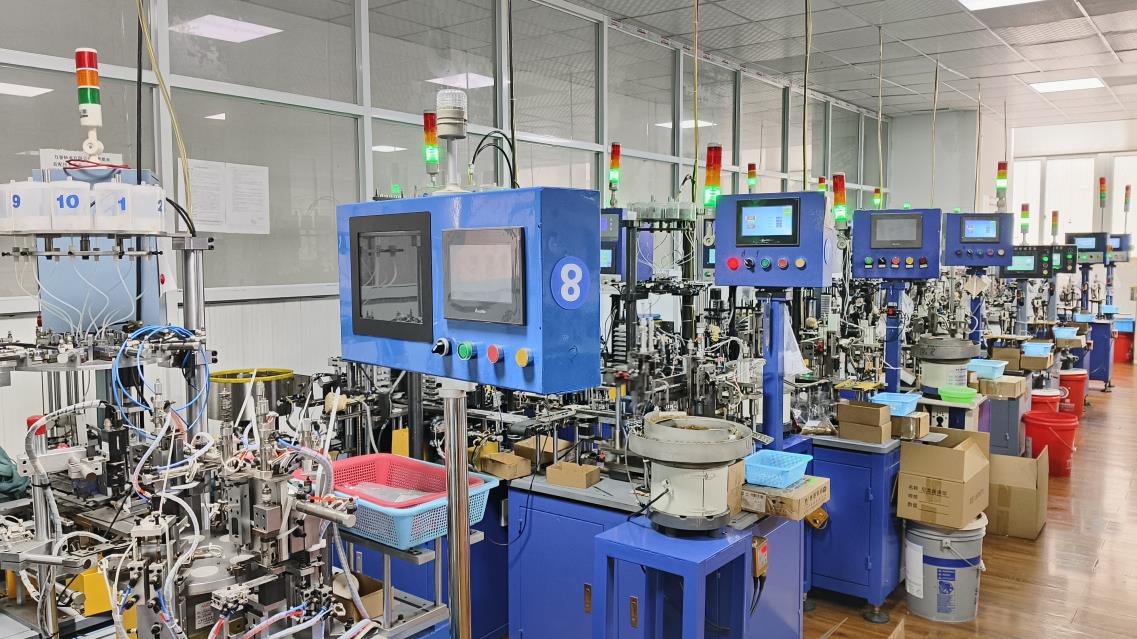
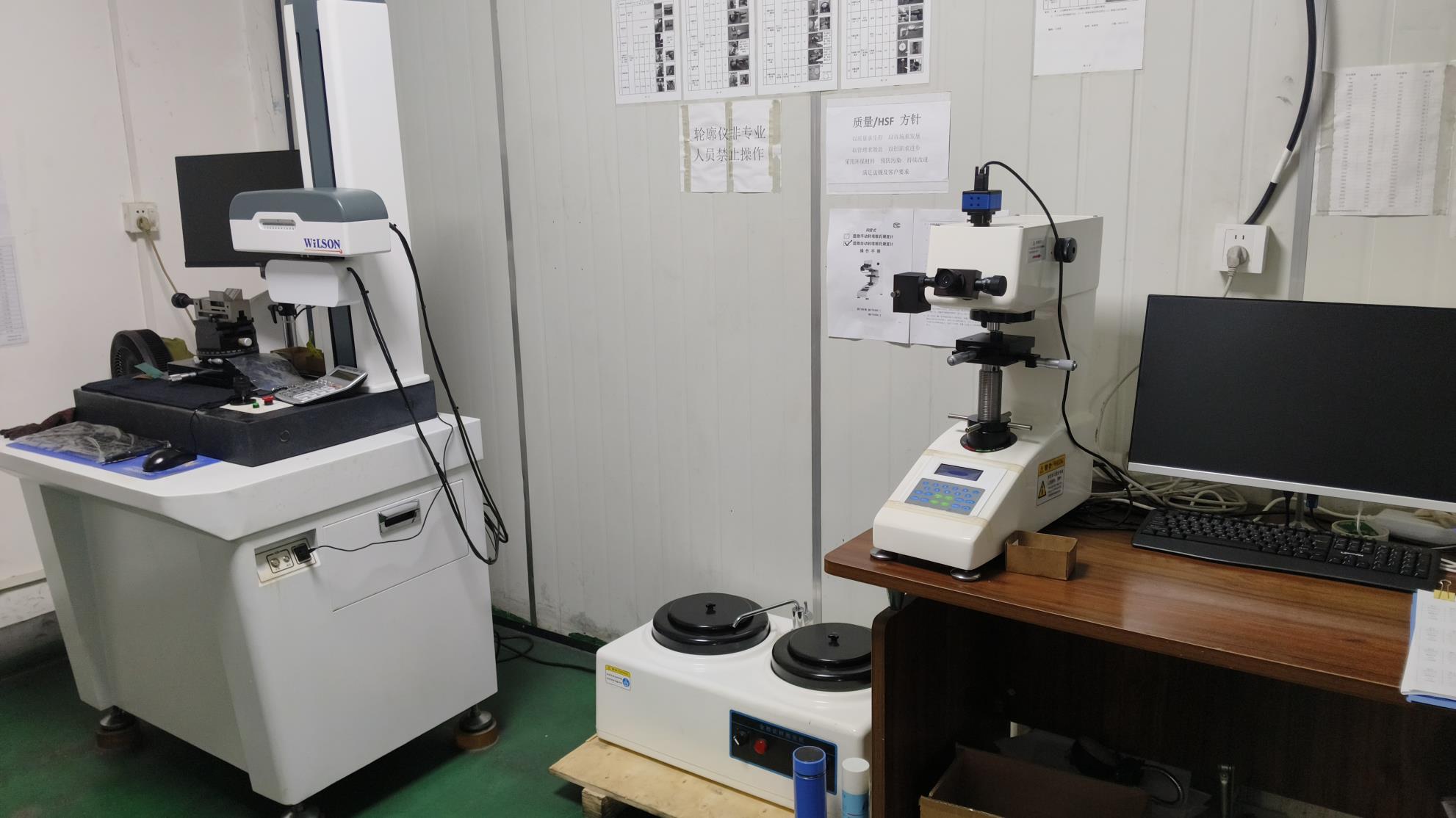
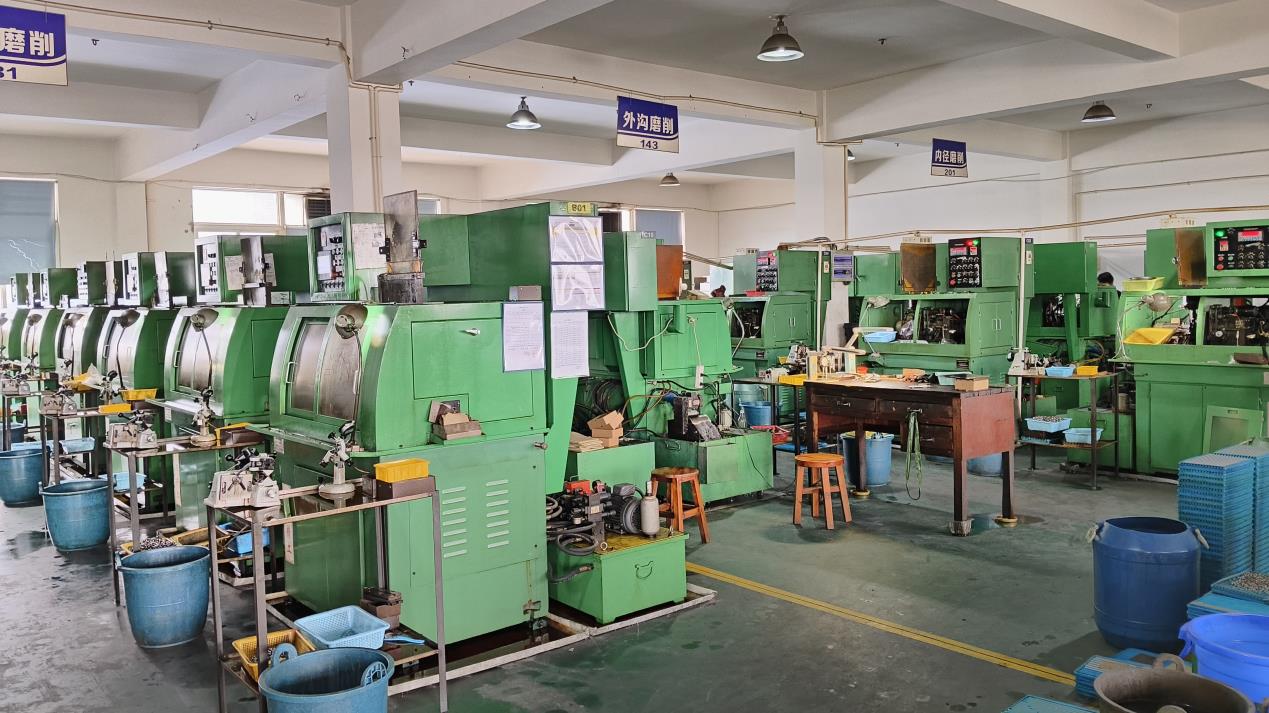
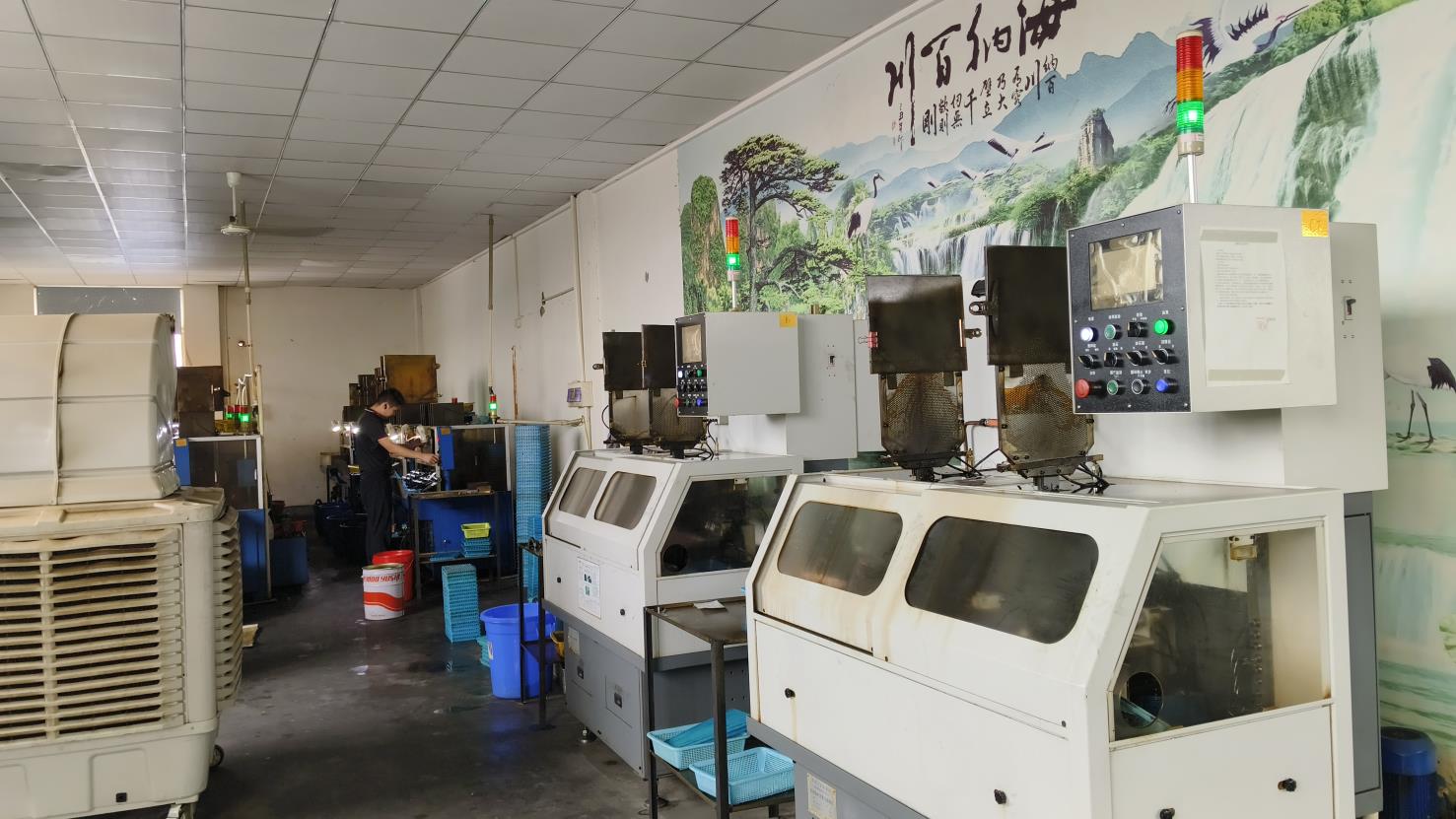
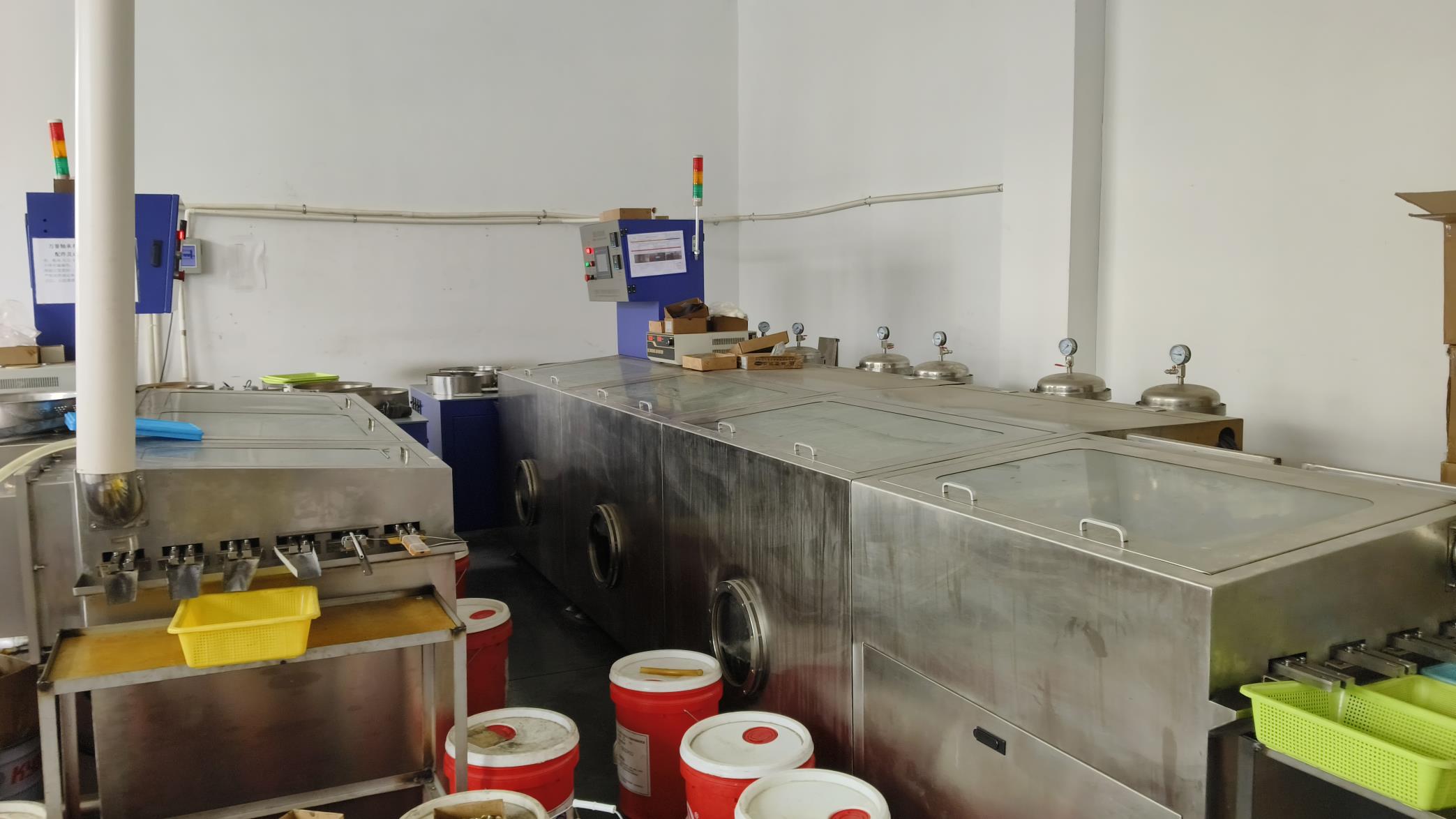
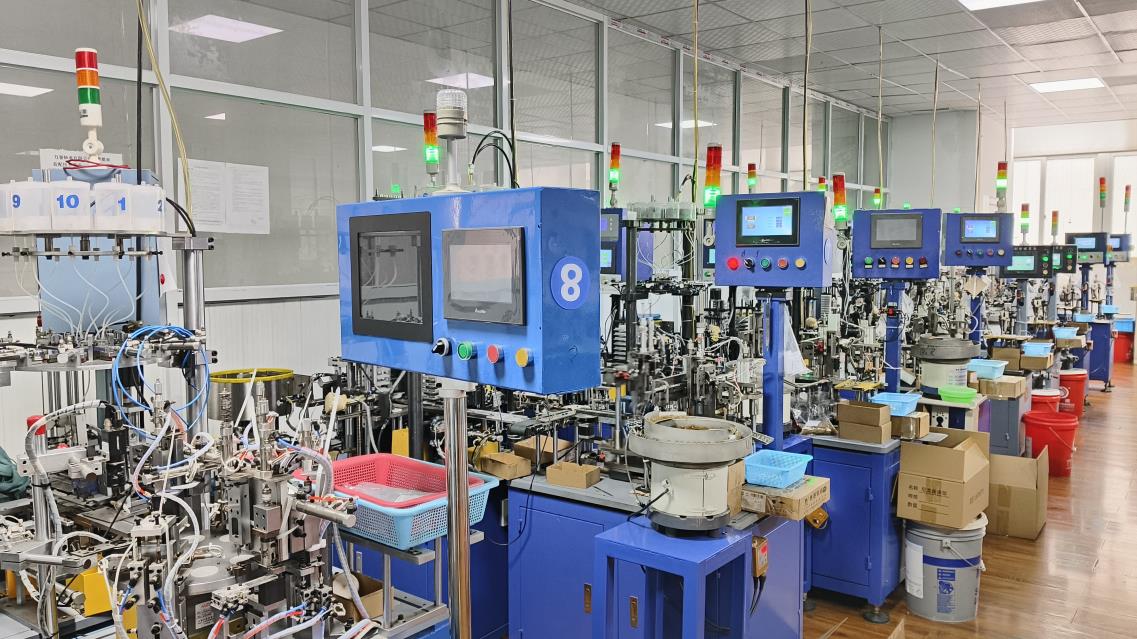
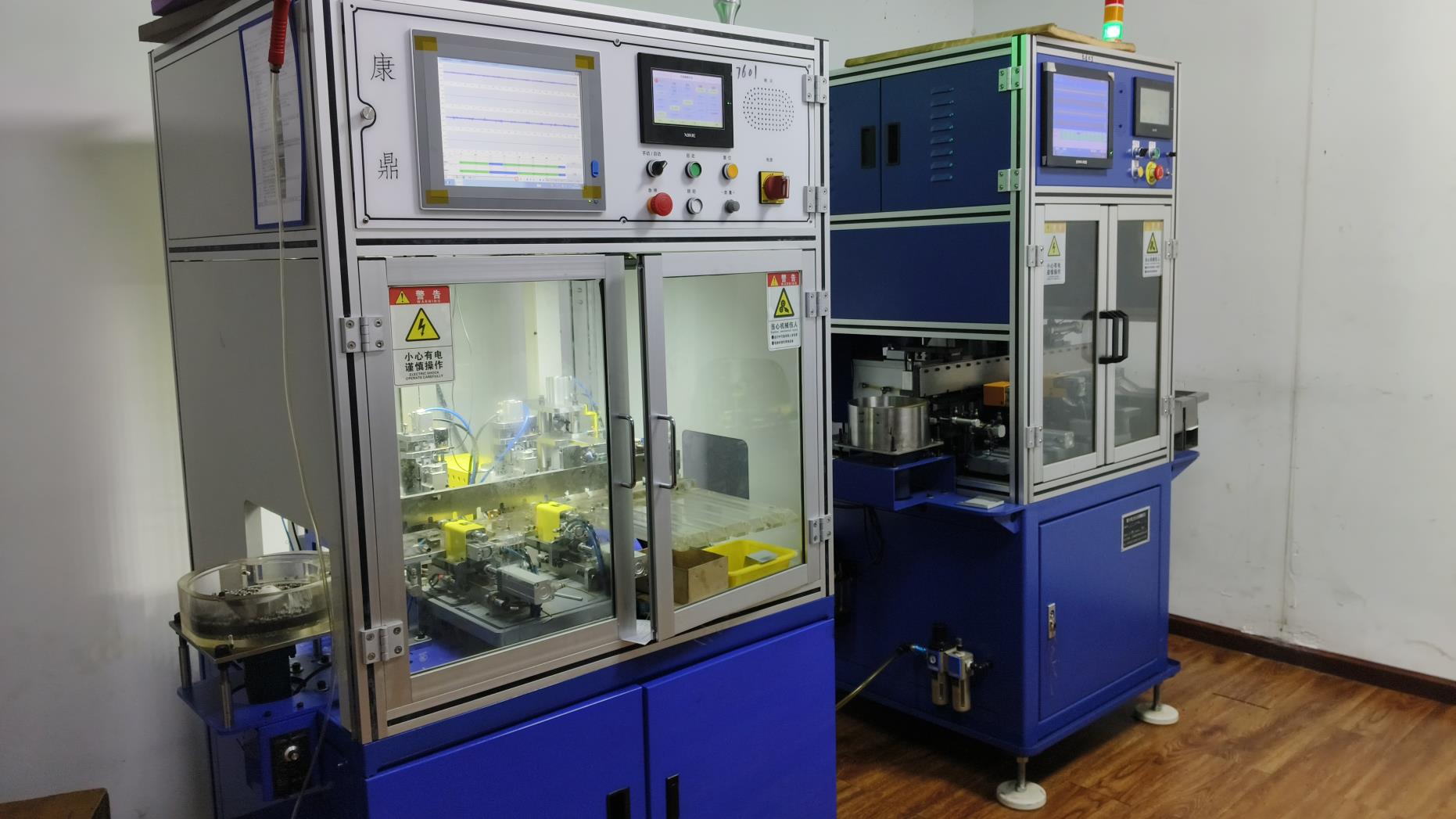
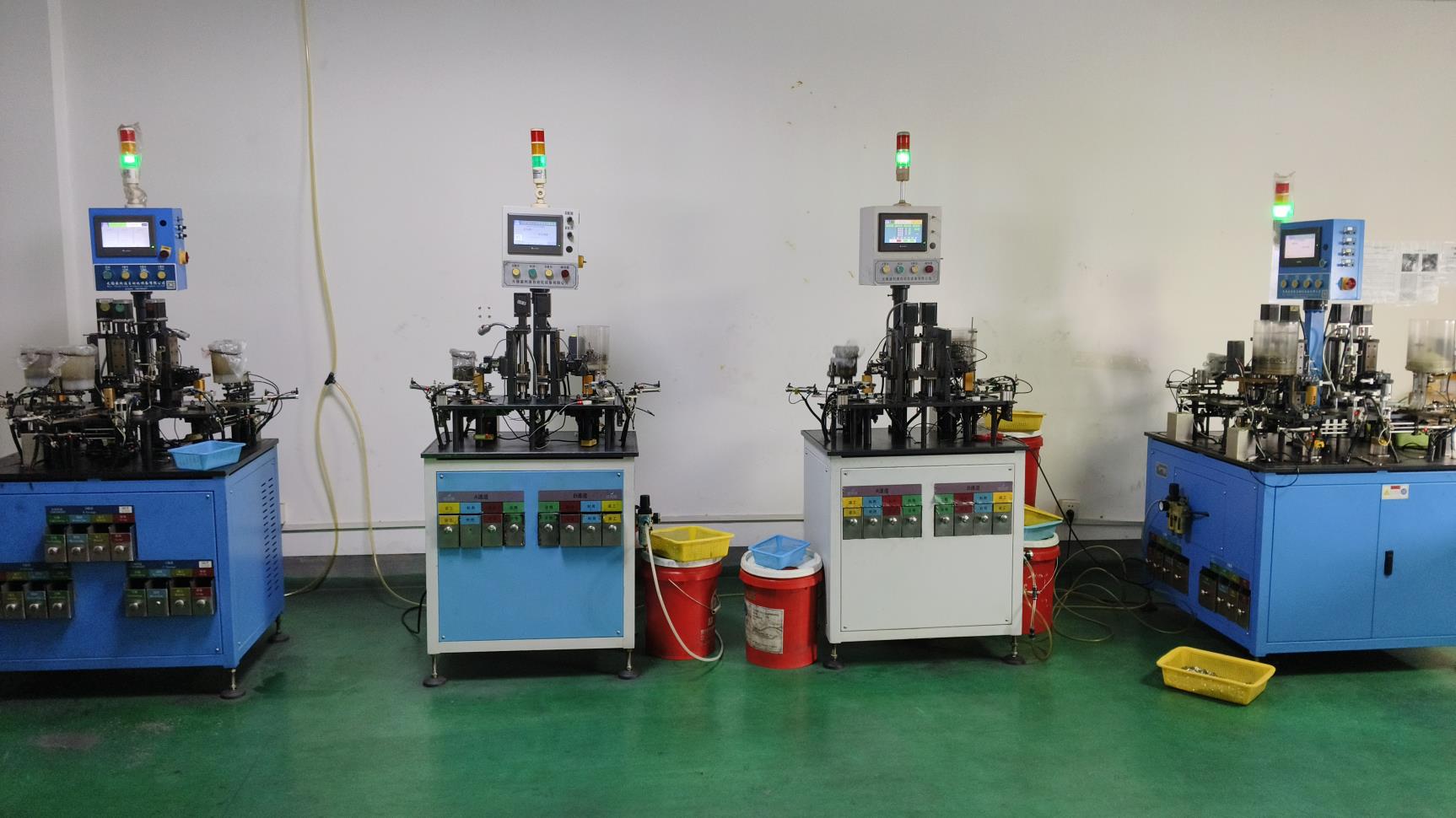
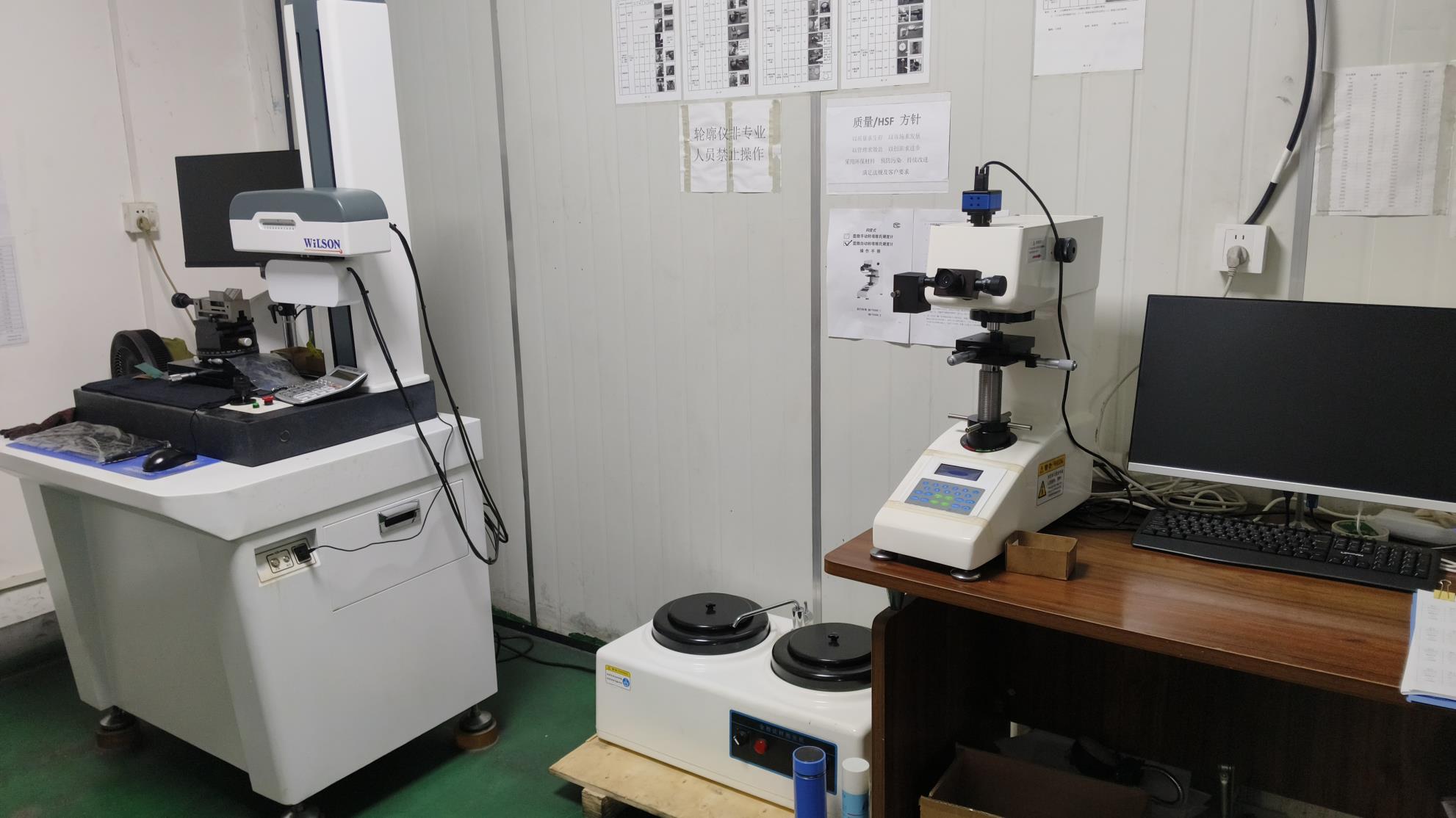
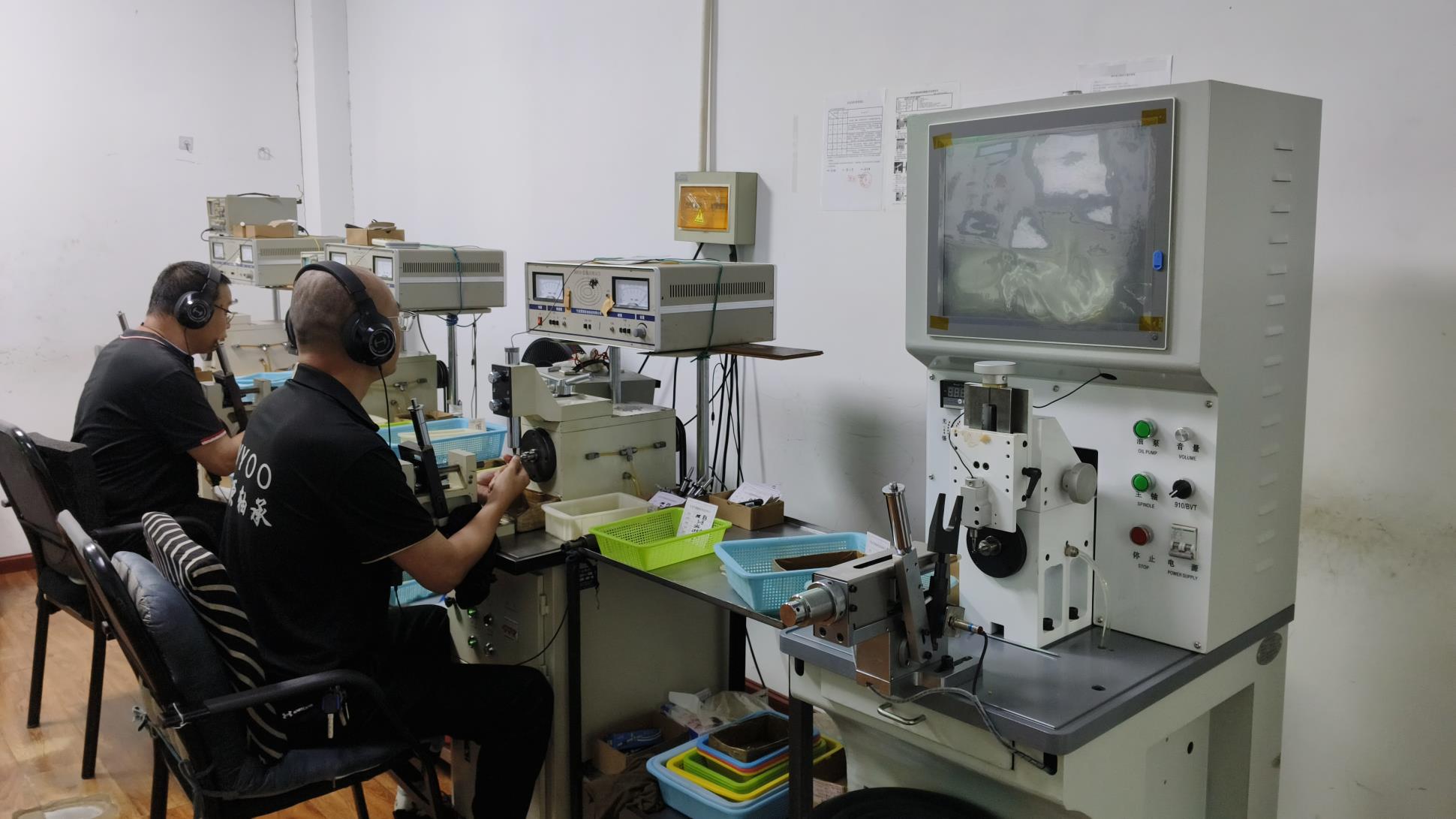
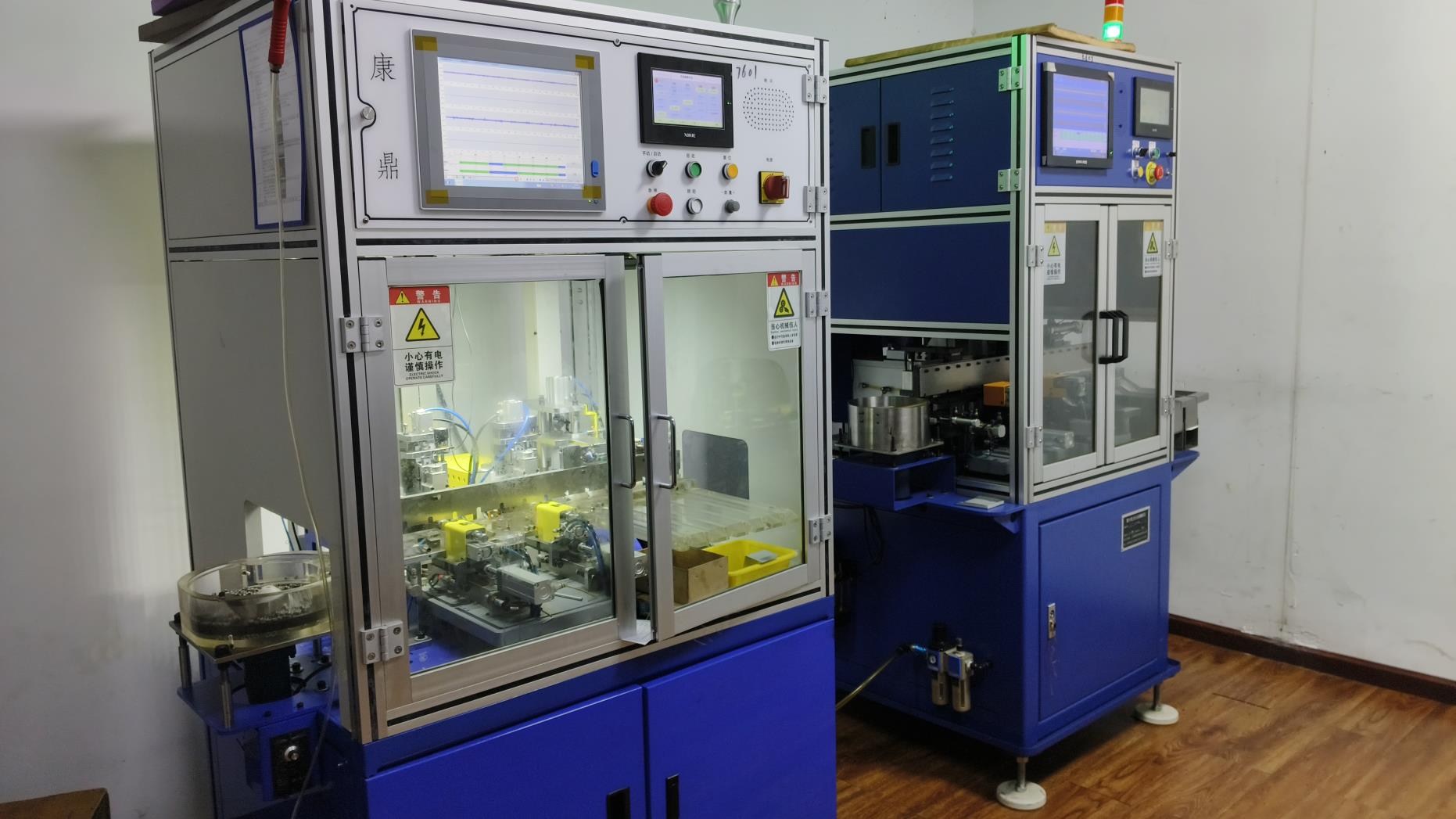
Meeting the strict demands of global procurement with reliable materials and quality testing.
Whether it is high-ratio planetary reduction units or custom-machined worm gearboxes, our systems are optimized to operate in extreme environments. They are engineered to endure heavy shock loads, chemical exposure, and sub-zero temperatures, making them ideal for Canadian industrial projects.
Our gear structures utilize case-hardened alloy steels (20CrMnTi, 40Cr) and advanced precision finishing processes to guarantee reliable, long-term performance under demanding operating conditions.
To support global operations, every manufacturing stage conforms strictly to ISO 9001:2015, IATF 16949, and AGMA standards. This ensures that gear tooth profiles and mechanical components are fully interchangeable and meet global expectations.
We offer our clients full transparency with trace documentation, material safety datasheets (MSDS), and comprehensive dimensional inspection reports for all production batches.
Answers to key engineering questions regarding gear procurement, custom ratios, and distribution logistics.
Select from our certified catalog of transmission systems and high-precision motor controllers.
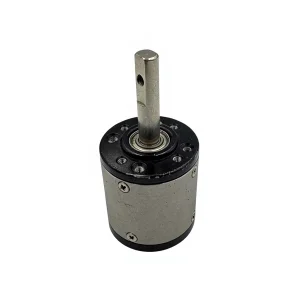
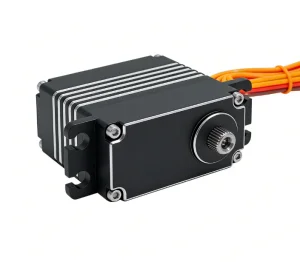
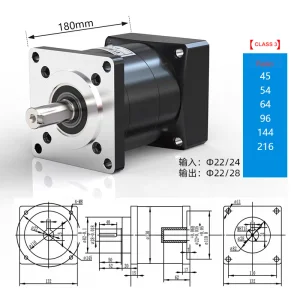
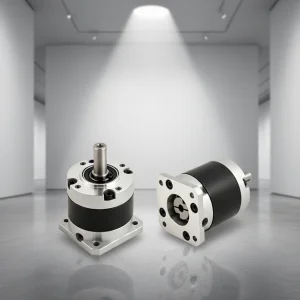
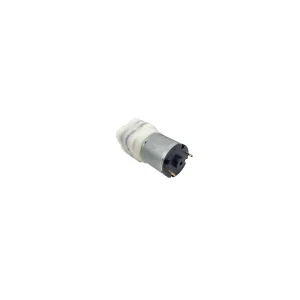
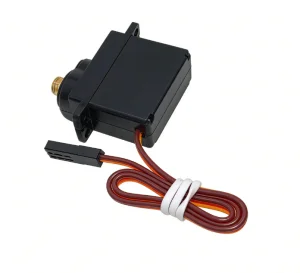
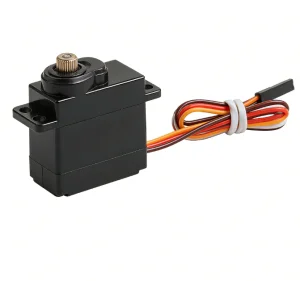
Connect with TorqPro Motor’s custom design division. Our engineering staff is prepared to analyze your blueprints and supply reliable components built to your exact specifications.
Send Inquiry Now TorqPro Motor