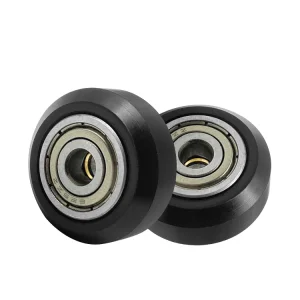
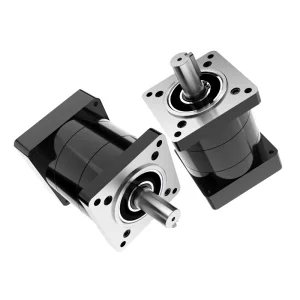
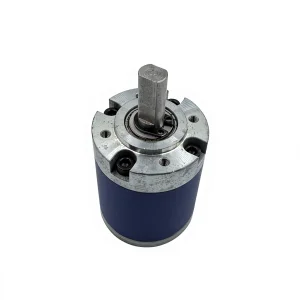
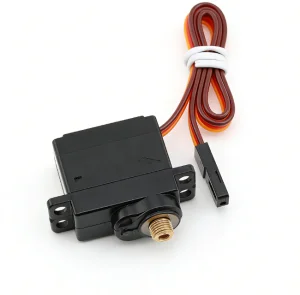
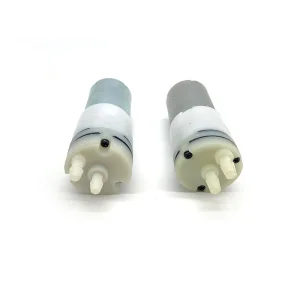
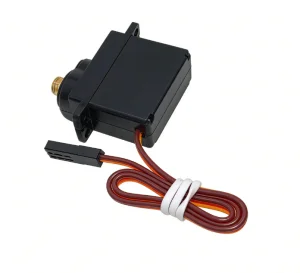
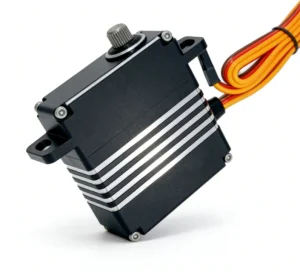
Engineered for high speed, low friction, and extreme durability. These core transmission products form the backbone of modern pump, motor, and seal configurations.
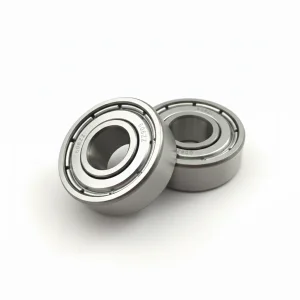
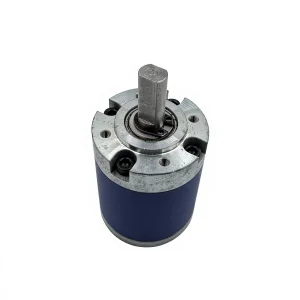
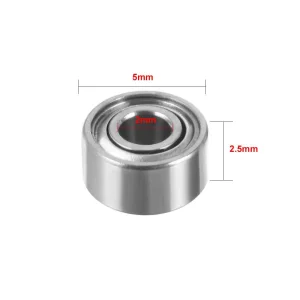
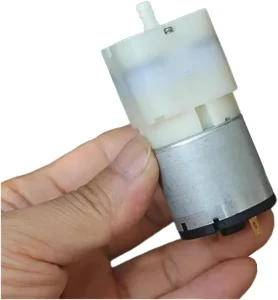
In modern heavy industries, the performance of a mechanical seal is intrinsically linked to the engineering integrity of the entire rotating shaft ecosystem. A mechanical seal is not an isolated component; it functions under dynamic pressure loads, sliding velocities, and structural misalignment governed by the supporting bearings and transmission gearboxes.
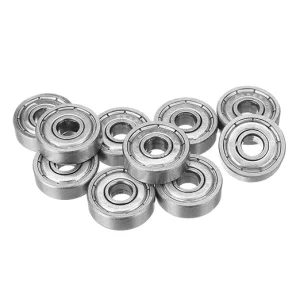
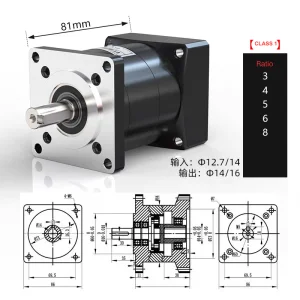
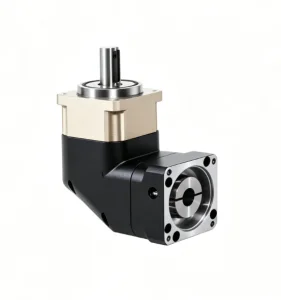
At TorqPro Motor, we address fluid containment and structural alignment as a unified engineering discipline. Mechanical seals rely on maintaining a microscopic fluid film between the rotating seal face and the stationary seat. Any excessive radial runout or axial play can cause catastrophic seal face separation or micro-fracturing. By designing and manufacturing high-precision GCr15 chrome steel bearings alongside planetary gear reducers, we enable global industrial OEMs to maintain shaft runout limits well within 0.02 mm. This extreme precision minimizes boundary friction, drastically reduces thermal deformation, and extends the operational lifespan of cartridge and component mechanical seals in high-wear operations.
Whether handling aggressive chemicals, municipal slurry, high-pressure steam, or hydrocarbons, the coordination between the drive system, structural bearings, and mechanical seal faces remains the deciding factor for total system uptime.
Engineered to Last. Built to Fit.
Every groundbreaking smart device needs a reliable pulse. TorqPro Motor designs and manufactures high-efficiency micro-drives that serve as the invisible, robust core inside next-generation robotics, smart home applications, and aerospace medical tools worldwide.
We operate on a simple philosophy: Engineered to last. Built to fit. By blending advanced automation with a passion for micro-engineering, TorqPro Motor provides global B2B clients with the transparency of a local engineering partner and the massive scale advantages of a top-tier Chinese factory. We don't just sell motors; we build the core axis that keeps your business moving forward.
Deep-dive engineering parameters and material chemistry formulated to resist wear, corrosion, and extreme temperatures.
We source reaction-bonded and sintered silicon carbide to handle extreme PV (Pressure-Velocity) profiles. SiC exhibits superior hardness and thermal conductivity, critical for preventing dry-run failures in volatile media. For high-torque applications subject to hydraulic shock, tungsten carbide provides the high fracture toughness necessary to resist cracking under pressure spikes.
Choosing the correct O-ring or bellows material is vital for fluid containment. We offer standard Viton (FKM), EPDM, and Perfluoroelastomers (FFKM). FFKM compounds withstand chemical attack across the pH spectrum (0-14) and operational temperatures up to 327°C, eliminating chemical degradation pathways and secondary leak paths in hazardous process plants.
To reduce hydrodynamic drag and wear, our advanced seal designs incorporate micro-grooves and laser-etched face features. These structural geometries generate hydrodynamic lift, drawing barrier fluids into the sealing interface. This micro-fluid lubrication layer ensures minimum surface friction, reduced power draw, and consistent reliability under continuous operation.
Addressing the complex engineering challenges and international standards governing industrial fluid containment.
In chemical plants, standard mechanical seal structures often fail due to localized corrosion or elastomer breakdown. We specialize in supplying balanced multi-spring cartridges and metal bellows seals designed to withstand aggressive media like concentrated acids, solvents, and volatile hydrocarbons. By pairing custom-engineered mechanical seals with high-durability internal components, we keep hazardous emissions securely contained, meeting strict fugitive emission standards (EPA Method 21).
Heavy slurry, grit, and suspended solids pose severe challenges to mechanical seal faces. Municipal water treatment pumps require heavy-duty split seals or double pressurized cartridge seals. By incorporating hard face materials like silicon carbide against silicon carbide, along with external flushing plans (API Plan 11 or Plan 32), we prevent abrasive particles from entering the seal chamber. This ensures the structural integrity of wastewater pump stations, water distribution networks, and industrial filtration plants.
The pharmaceutical industry demands absolute purity, with zero contamination of batch products. Our sanitary-grade mechanical seals feature dry-running gas barrier technologies (often using nitrogen gas barriers) and FDA-compliant materials. The elimination of liquid barrier fluids prevents batch cross-contamination. These systems are designed to withstand Clean-in-Place (CIP) and Sterilize-in-Place (SIP) thermal regimes without losing sealing force.
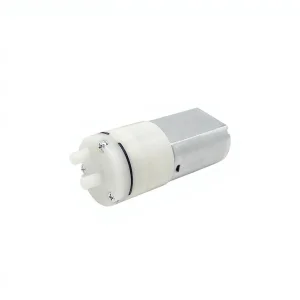
Boiler feed pumps and high-pressure steam turbines operate at the limits of temperature, speed, and pressure. Under these conditions, the mechanical seal requires precise thermal management. We utilize custom API Plan 21 (cooler bypass) and Plan 53A configurations supported by our high-flow mini DC pumps. These setups maintain the barrier fluid temperature below the vapor pressure threshold, preventing flash vaporization at the seal face and securing uninterrupted power output.
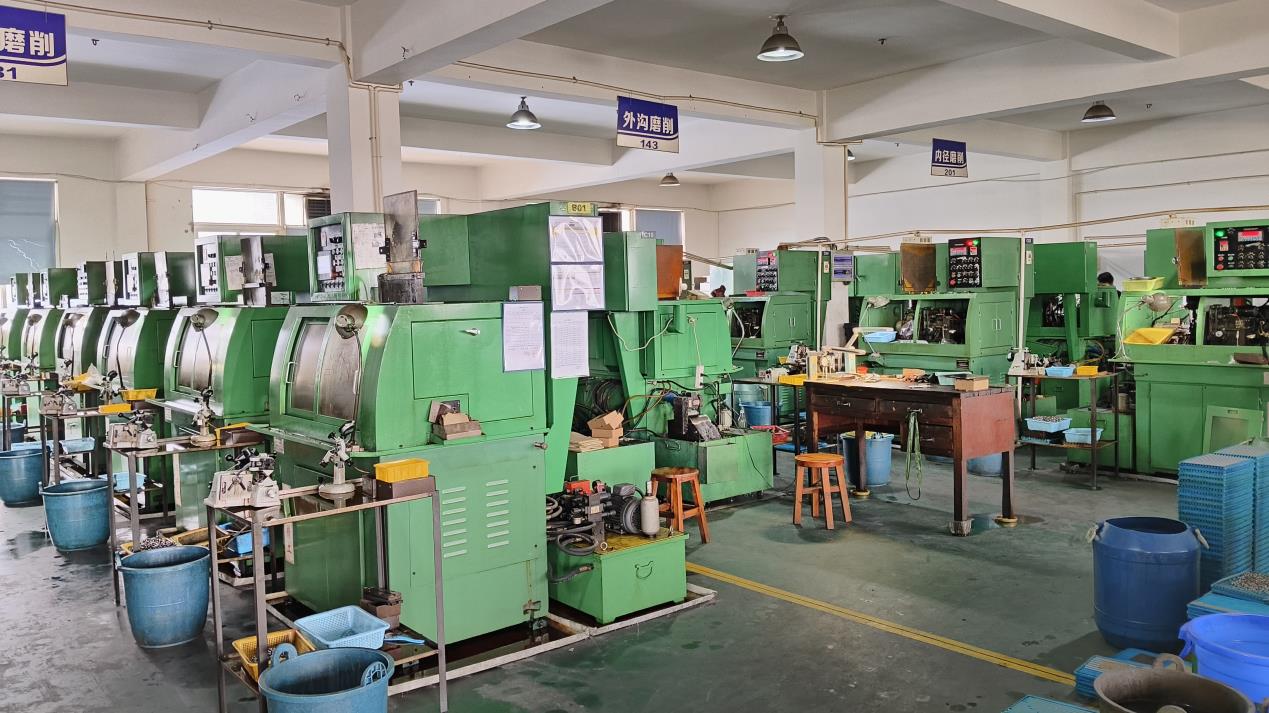
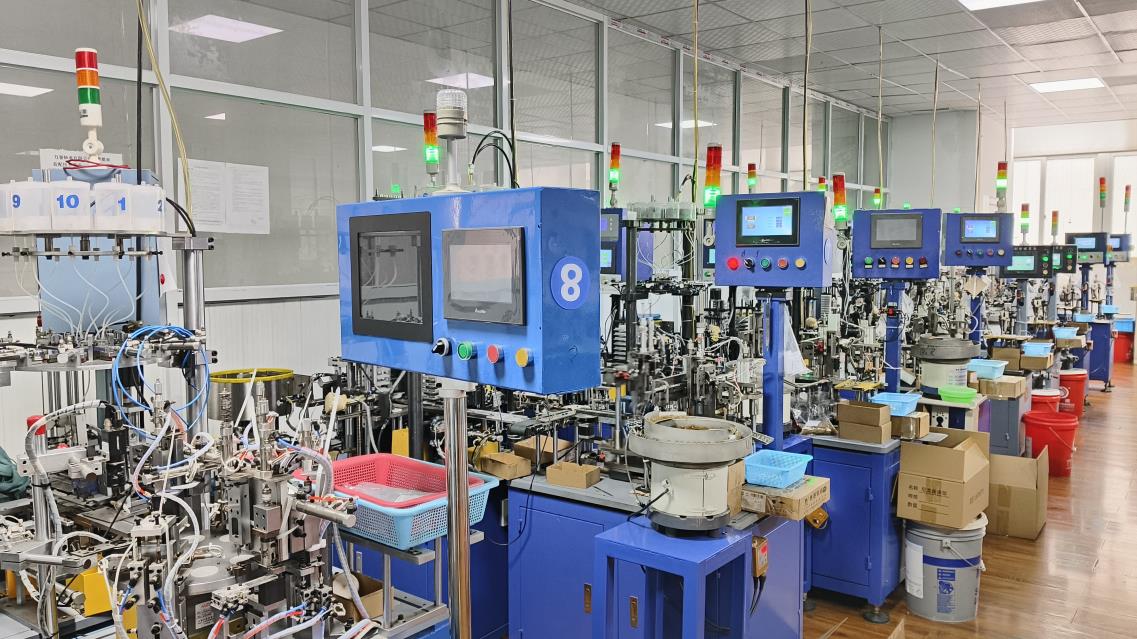
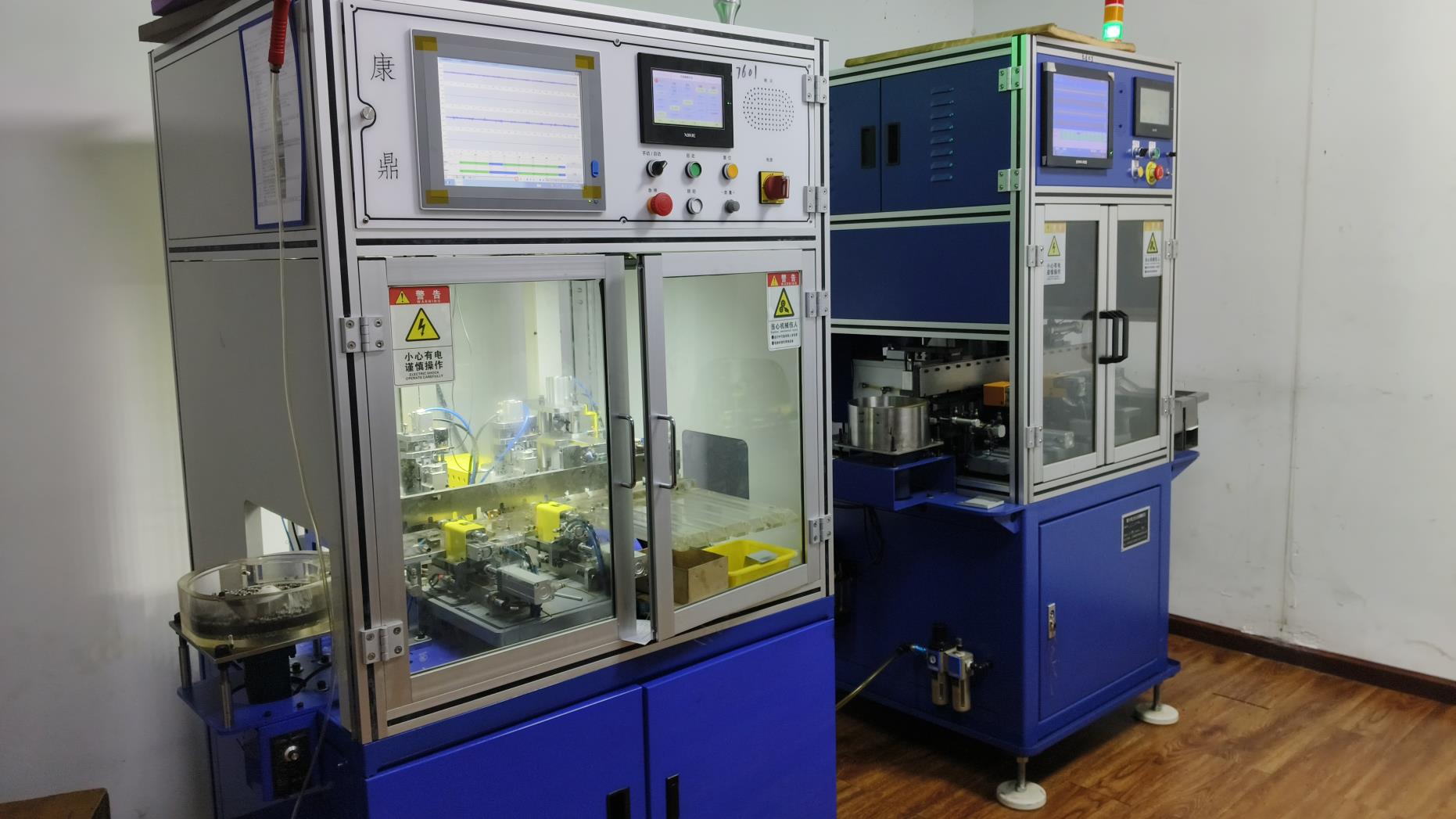
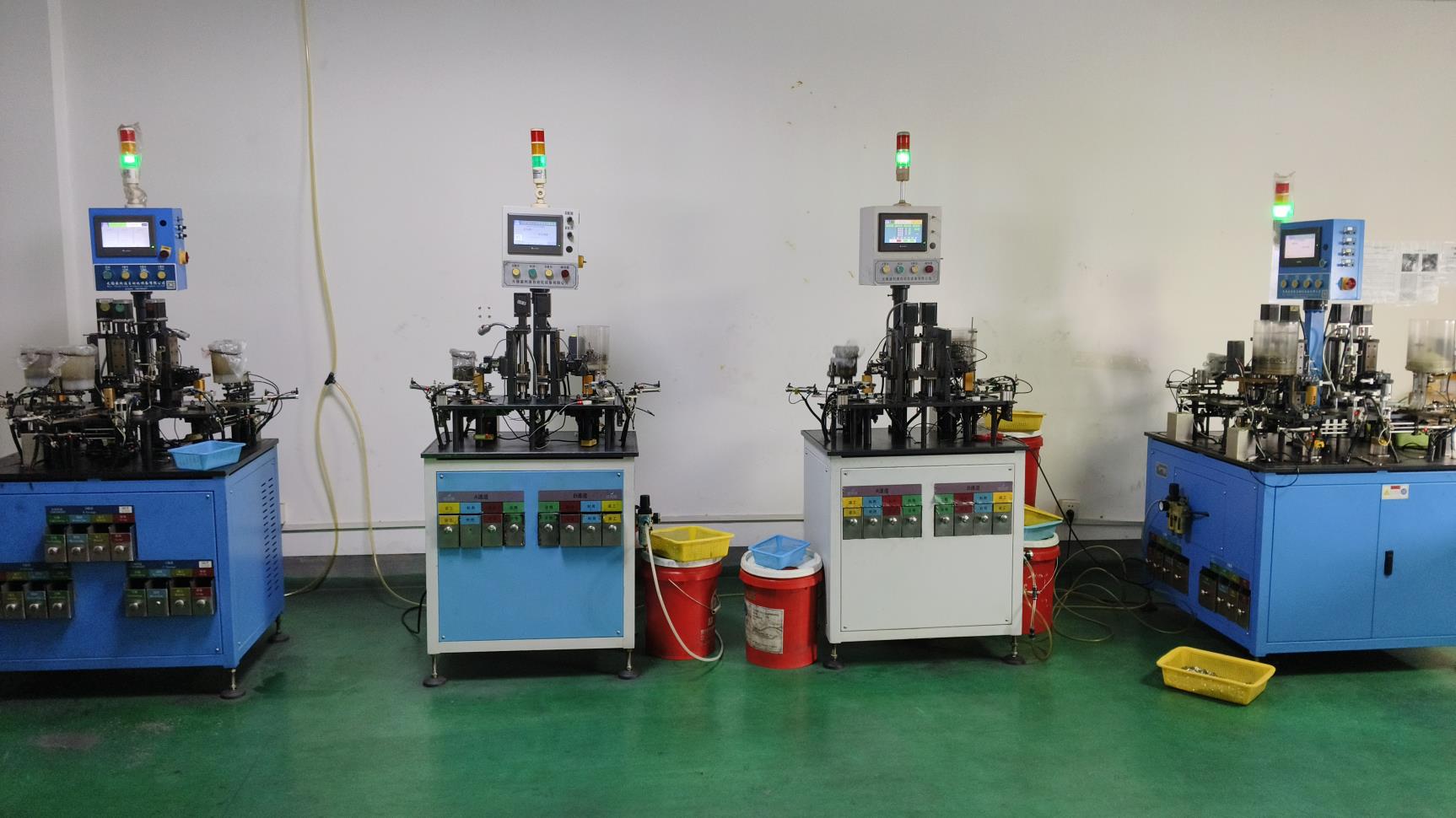
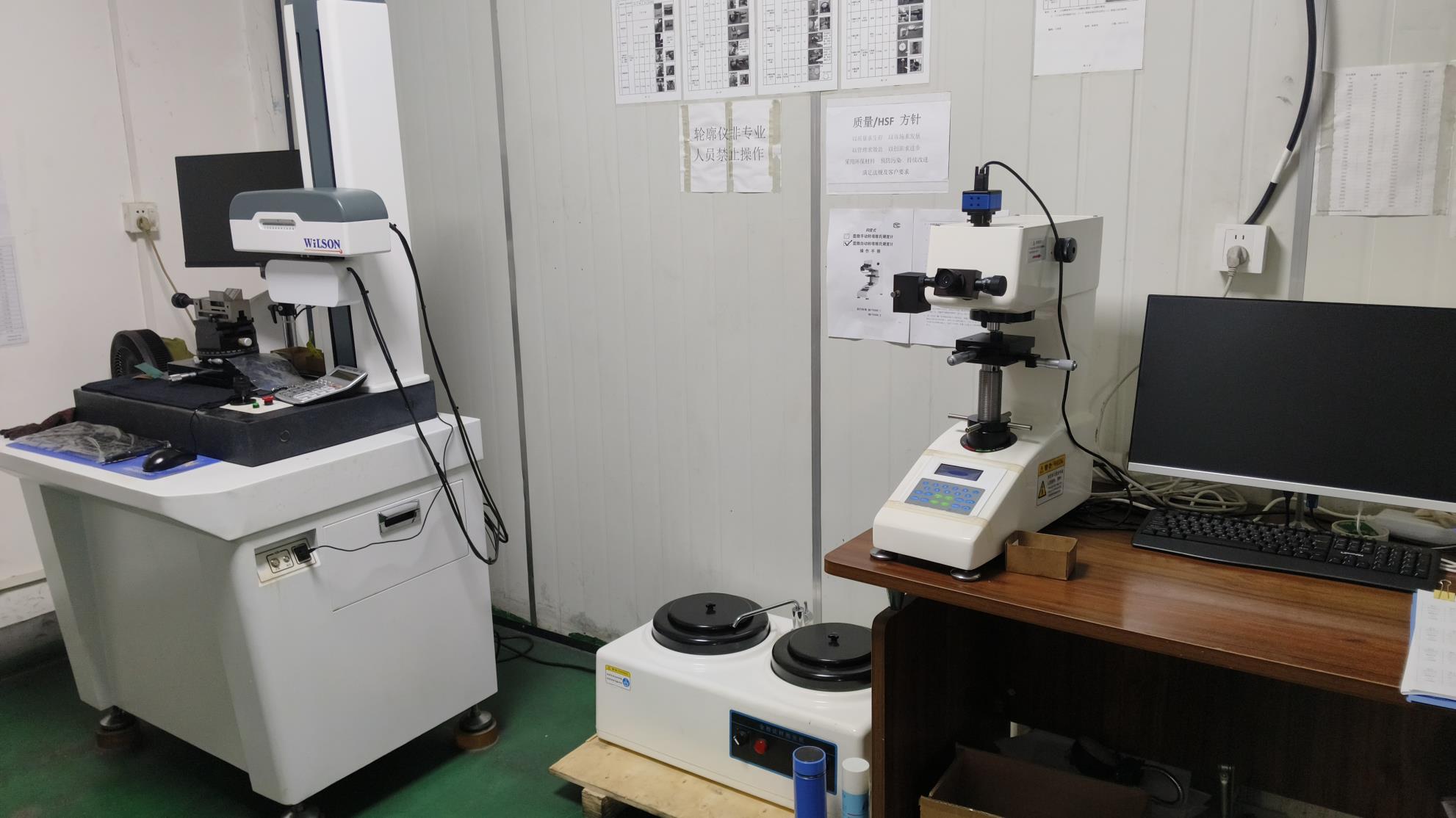
Our production facilities utilize automated machinery and rigorous diagnostic procedures to ensure that every mechanical seal component meets strict global standards.
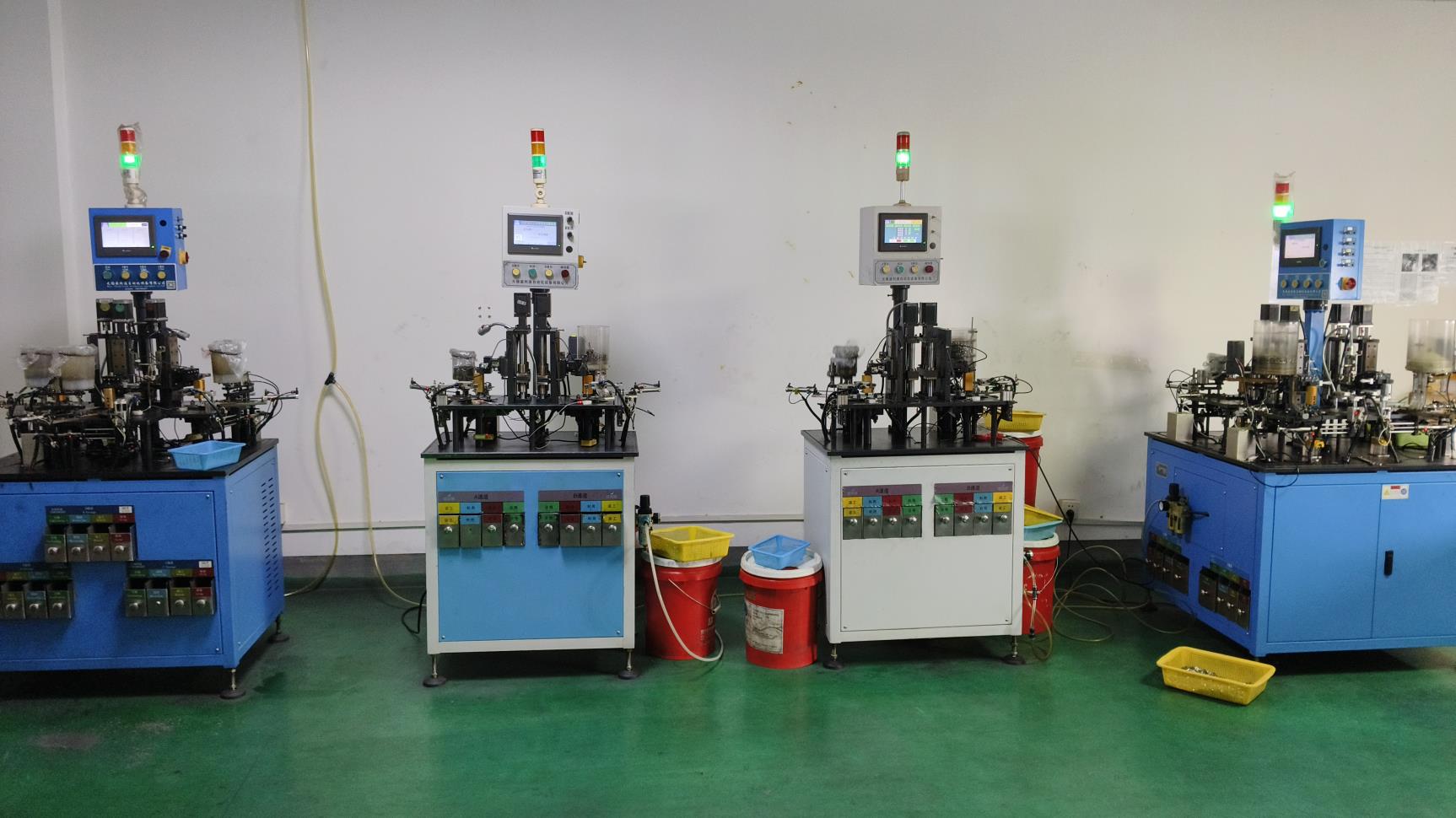
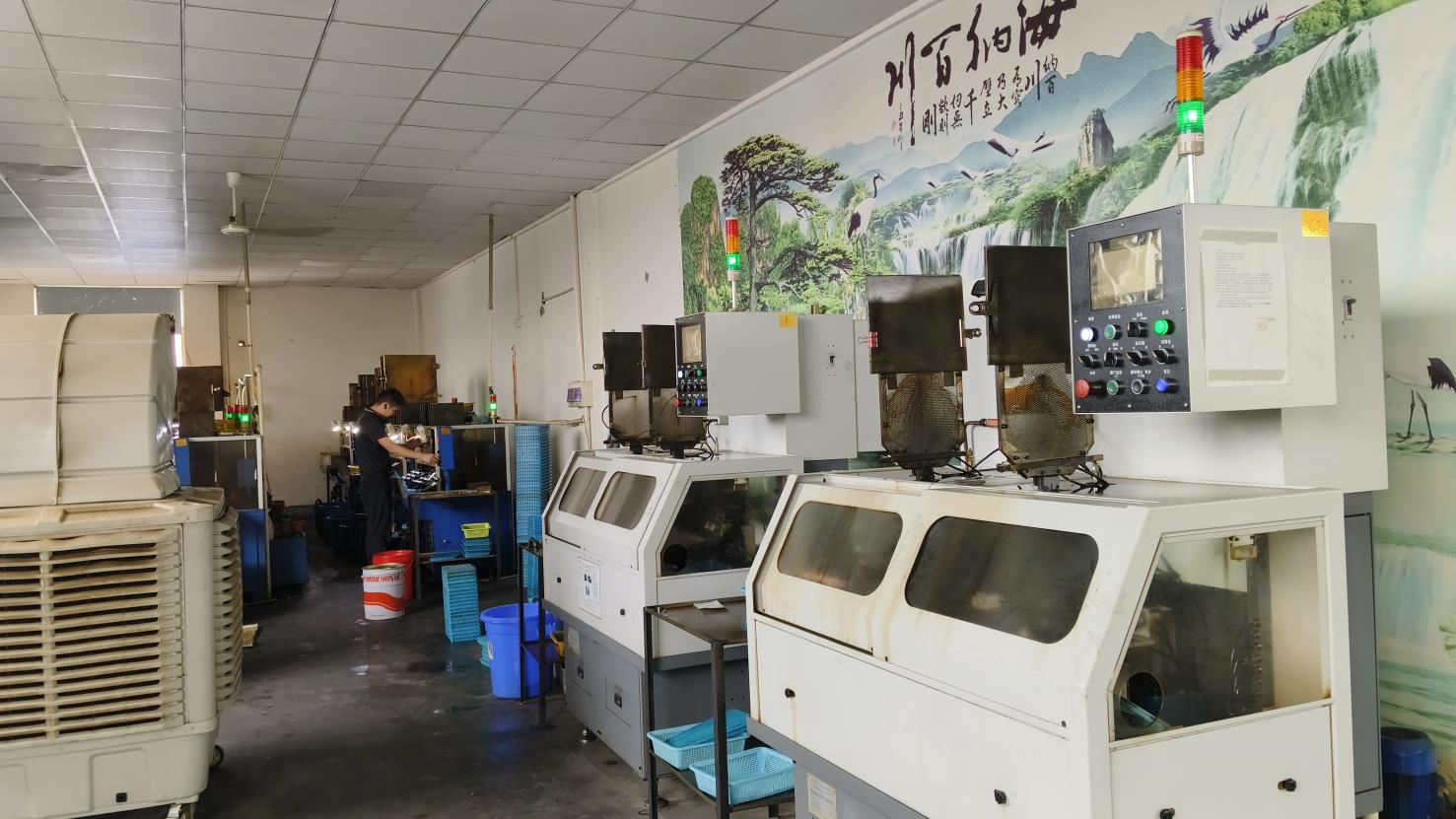
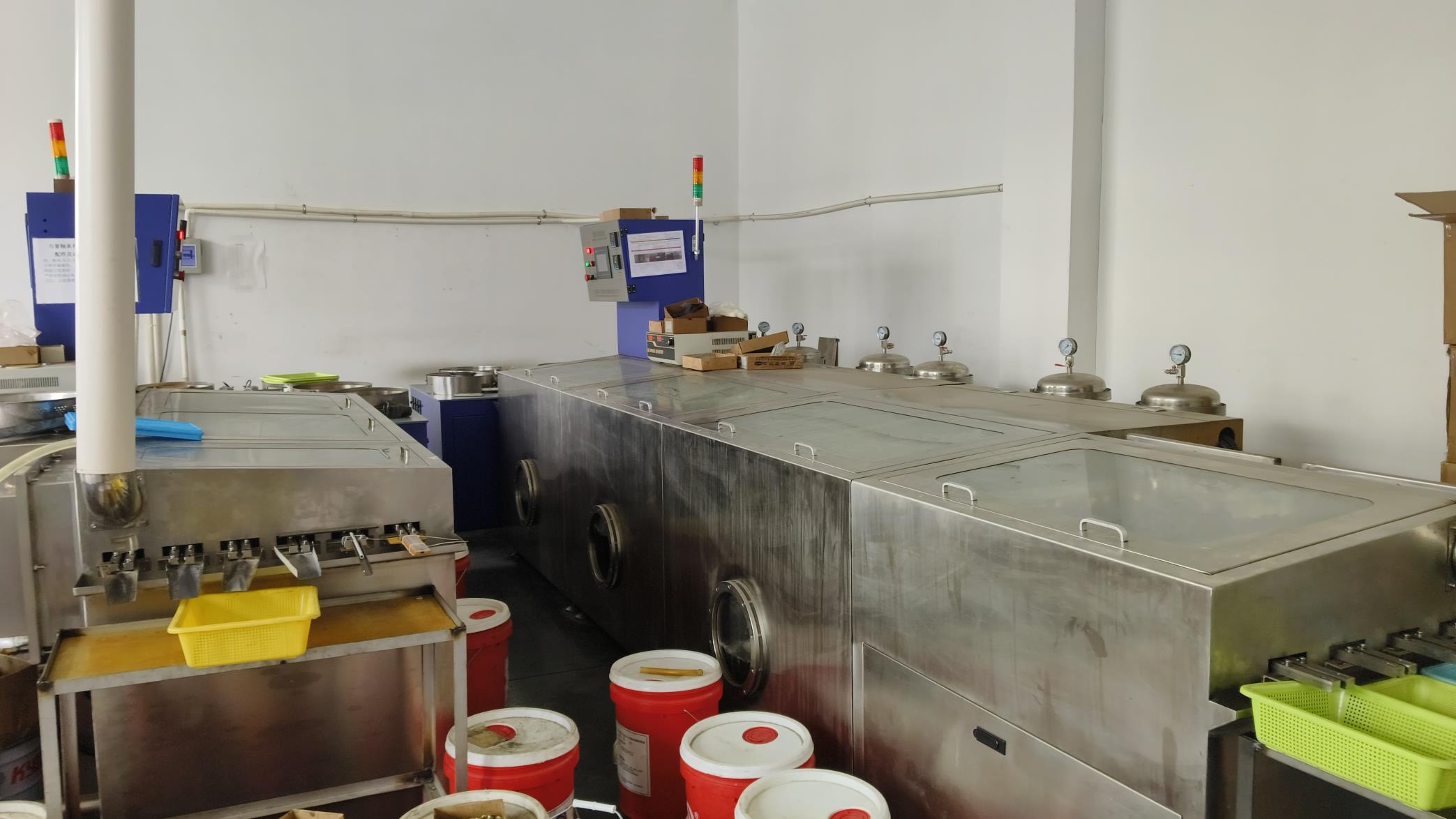
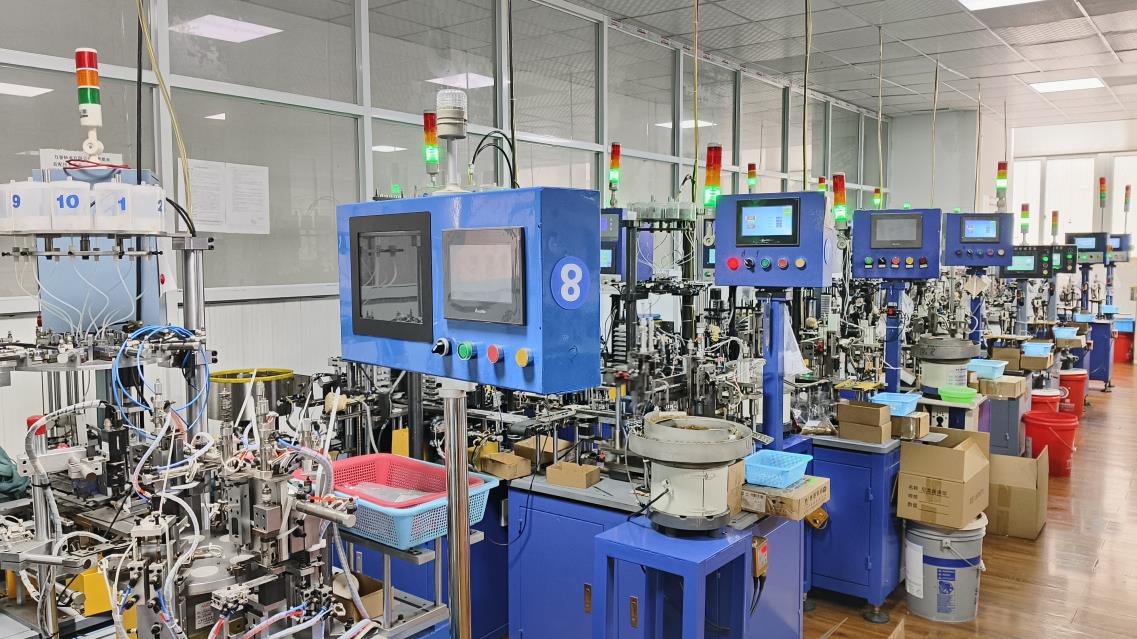
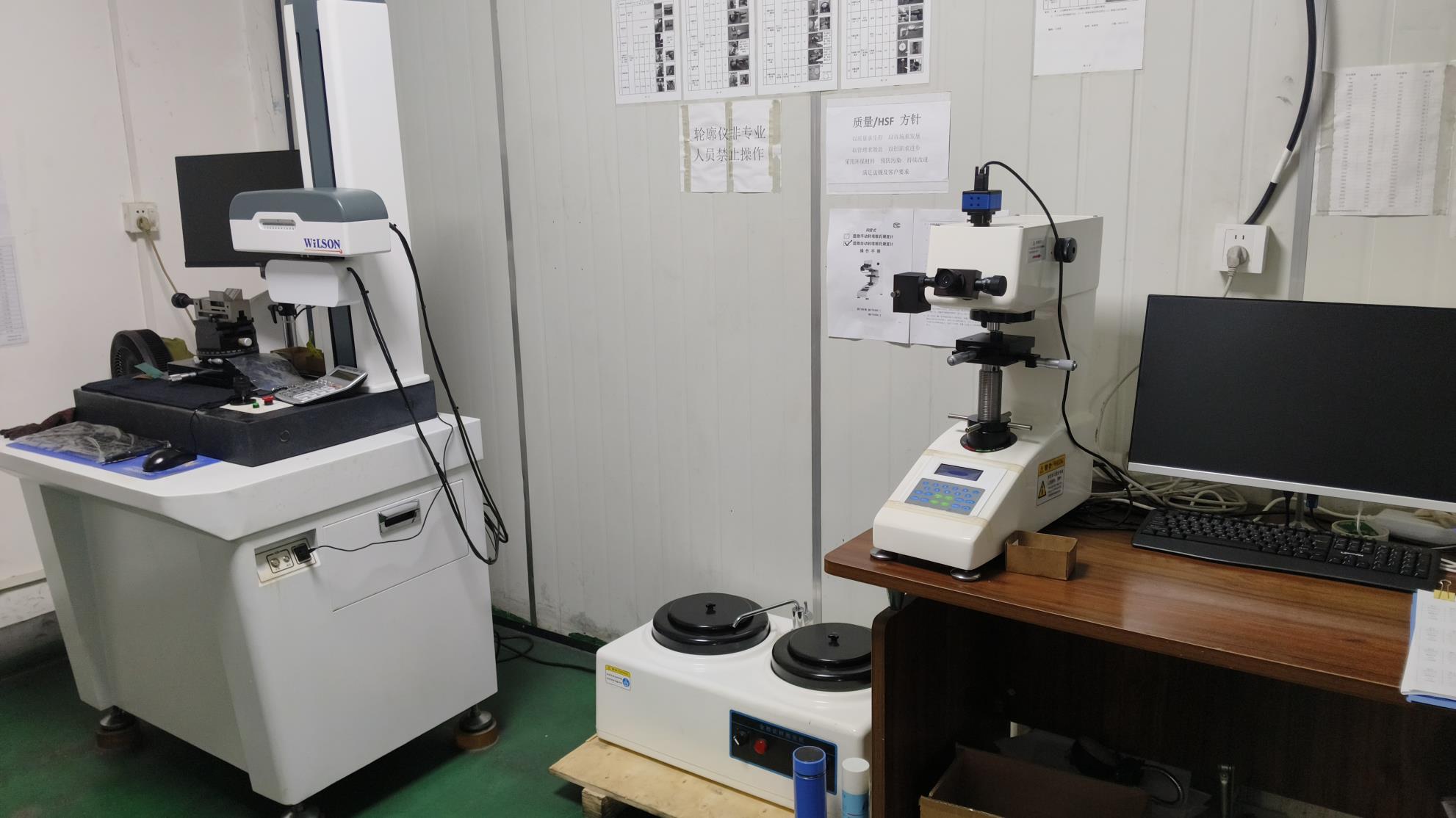
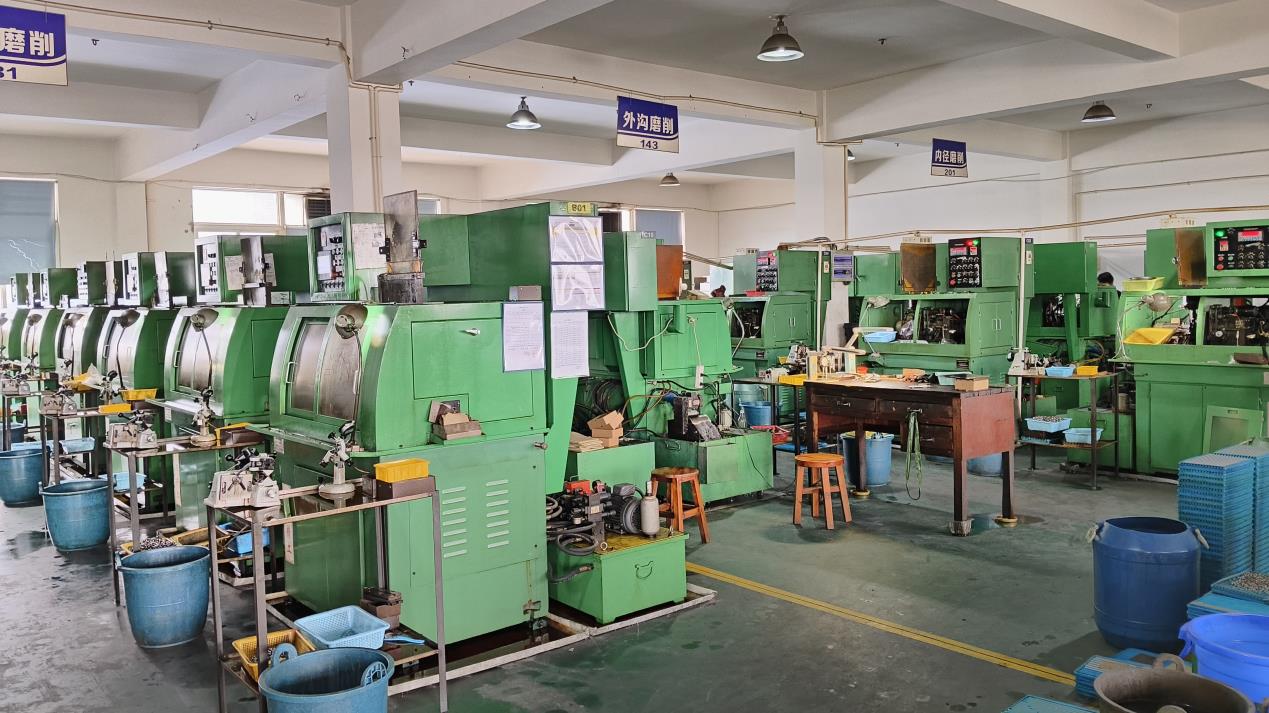
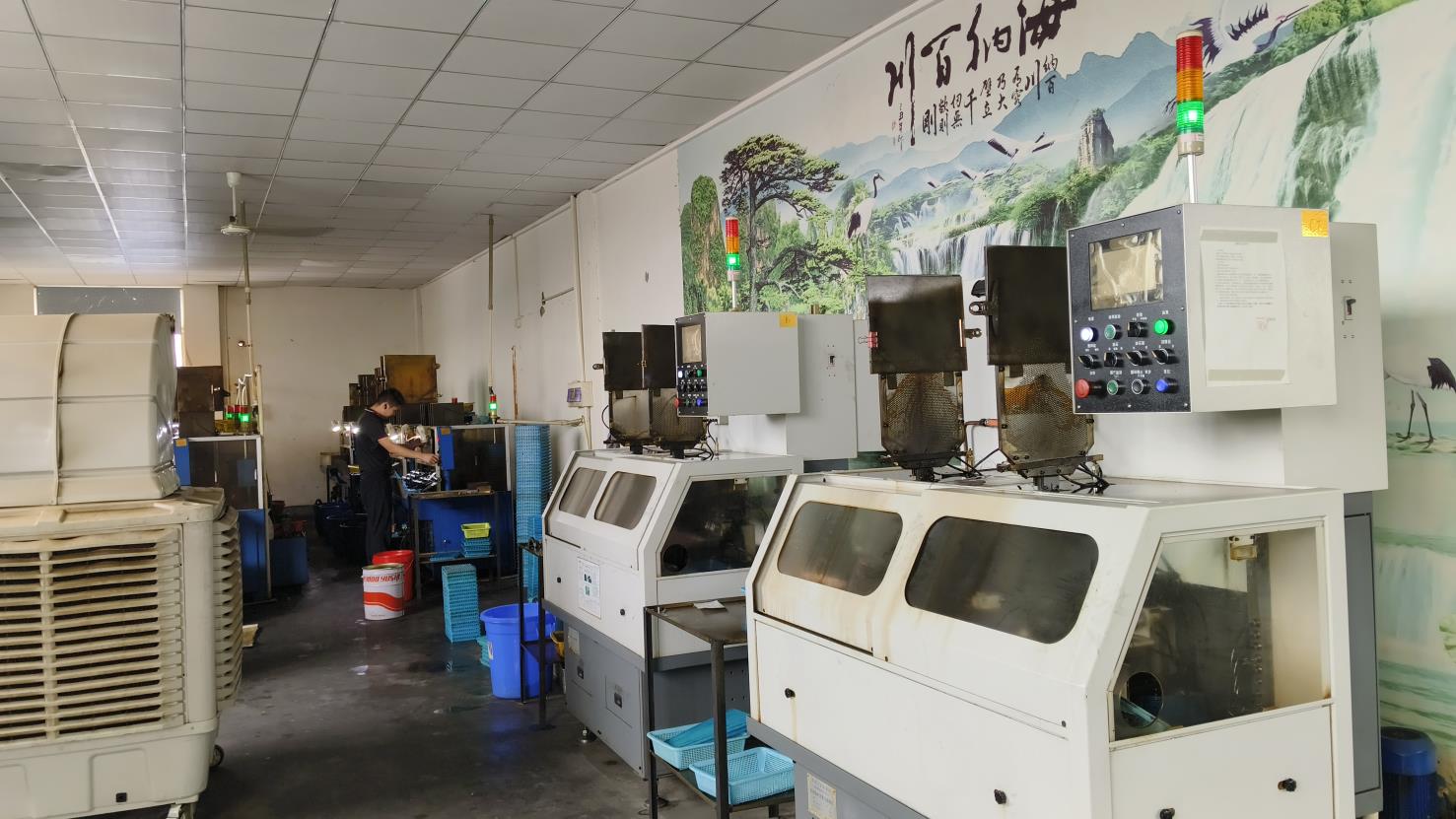
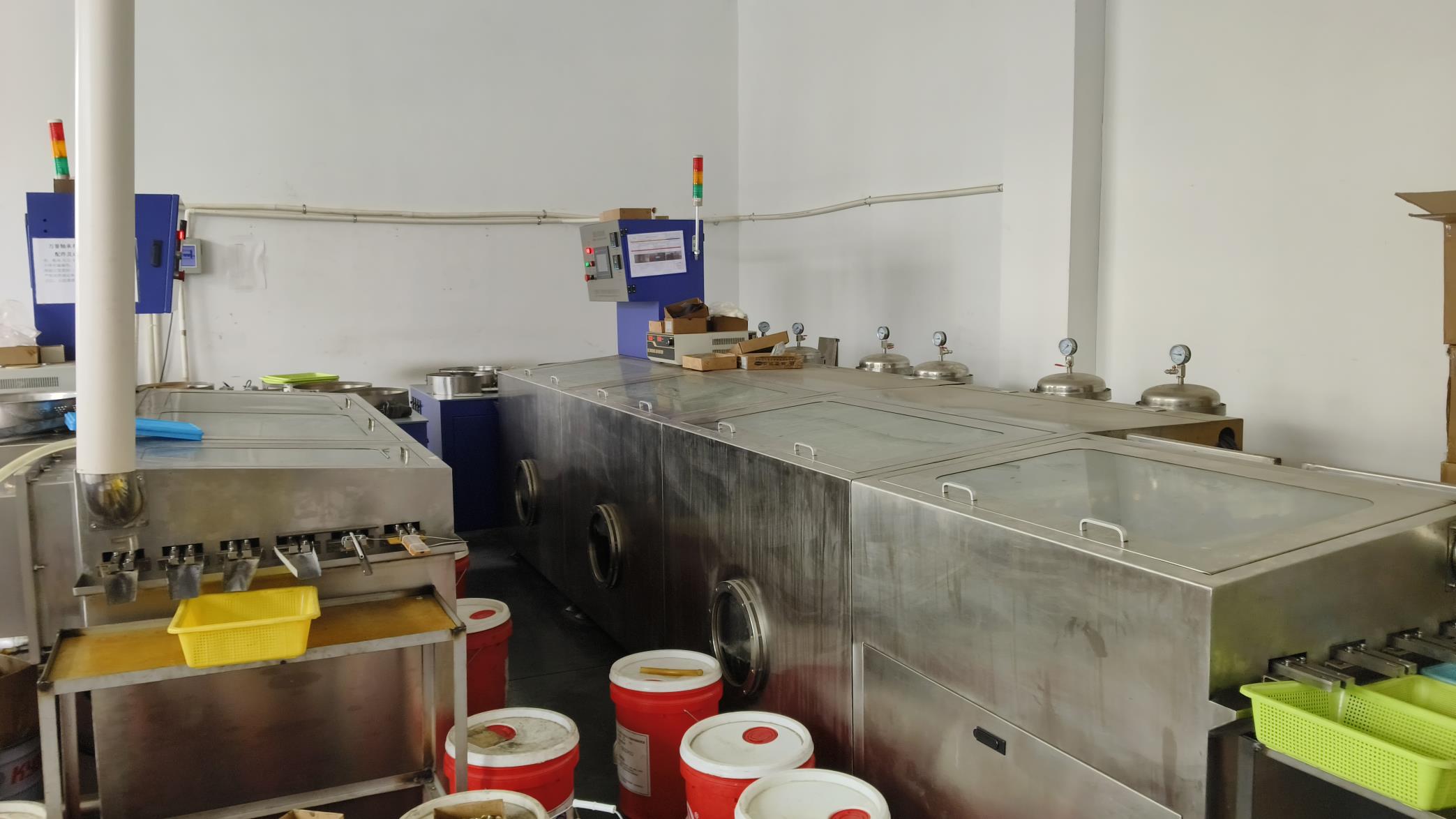
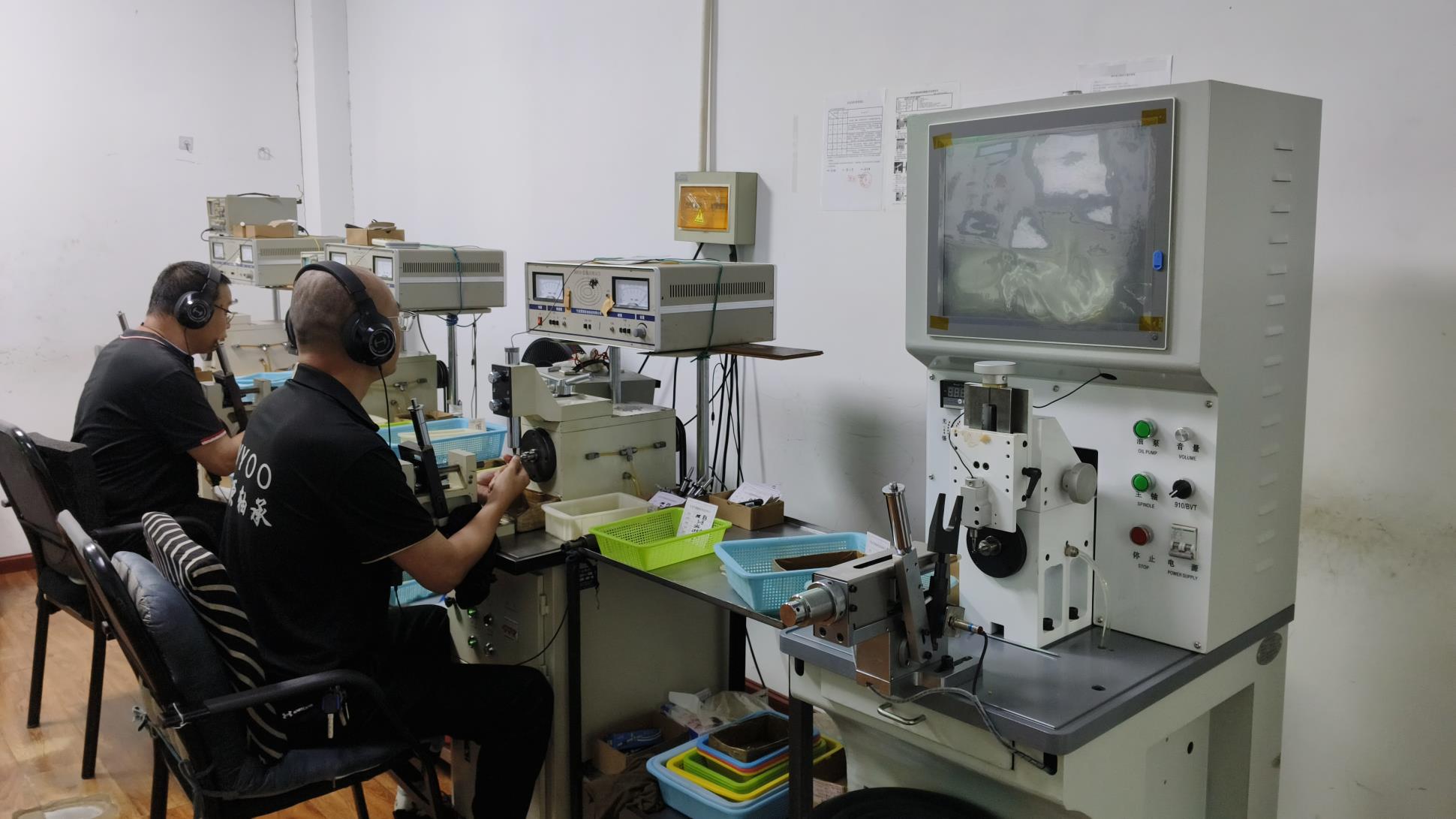
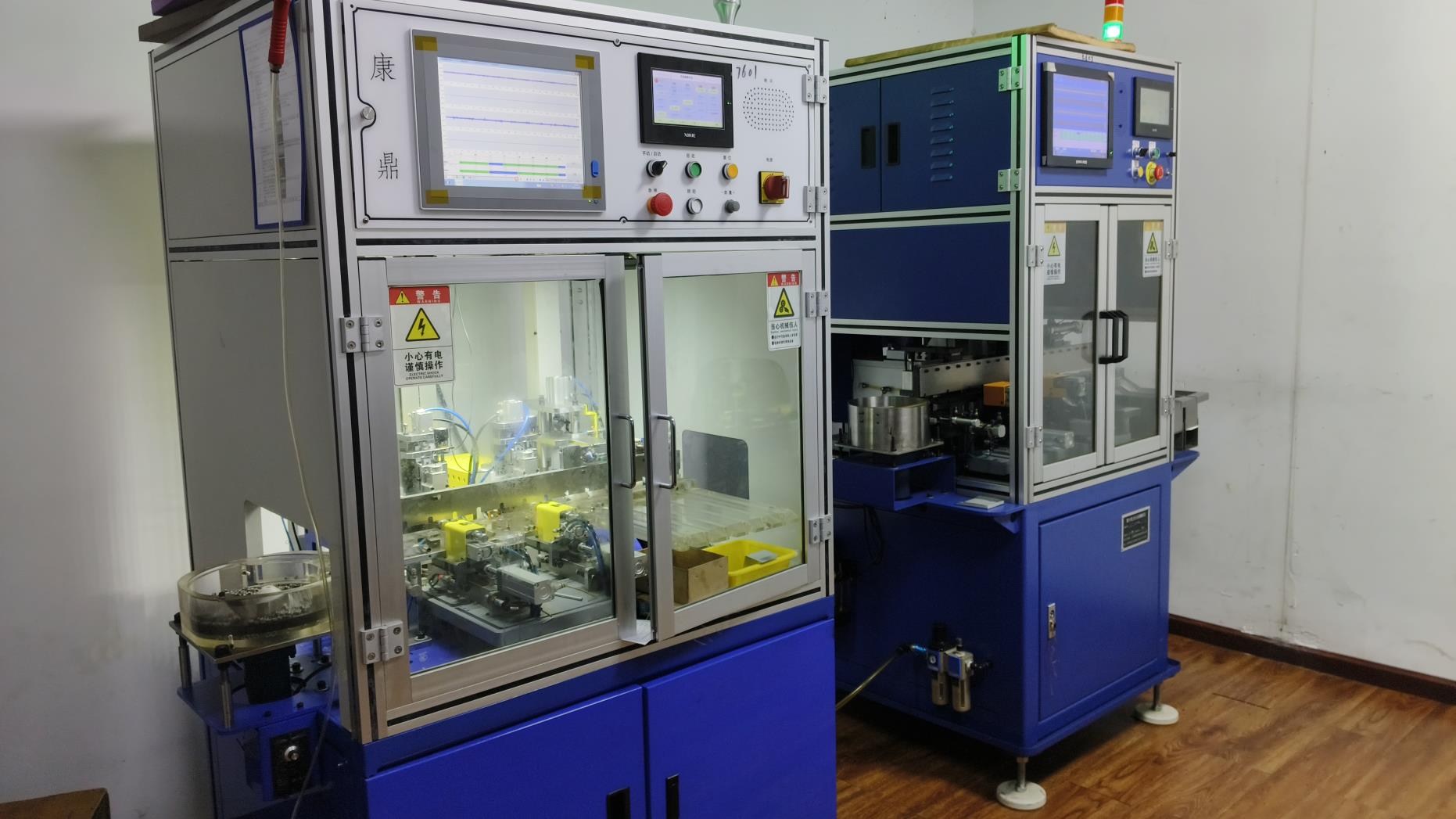
Ensuring cross-border engineering support, localized application support, and strict compliance with international manufacturing guidelines.
Our mechanical seals and related dynamic components are engineered and manufactured in strict compliance with the American Petroleum Institute (API) Standard 682. This standard governs shaft sealing systems for centrifugal and rotary pumps in the oil, natural gas, and chemical industries. By aligning with these criteria, our components are tested for a minimum continuous operation period of 25,000 hours without leakage. Additionally, our factories hold ISO 9001 certification, guaranteeing that every grinding, cleaning, assembly, and testing phase is logged and traceable.
For international markets, we verify all exports against European CE marking standards, RoHS directives for electronic actuator attachments, and REACH chemistry clearances for seals and elastomeric parts. This level of quality management minimizes compliance hurdles for OEM machinery builders importing components from China to North America, Europe, and Japan.
The future of dynamic fluid sealing lies in digitalization. We are developing smart sealing solutions that integrate MEMS temperature sensors and piezoelectric vibration sensors directly into the gland plate of cartridge mechanical seals. These sensors connect directly to our customized high-torque brushless digital servo systems and microcontrollers, transmitting real-time operational diagnostics to a centralized PLC.
By monitoring micro-vibrations, face temperature, and barrier fluid pressure, our smart seals can predict thermal wear and face separation hours before a failure occurs. Predictive maintenance signals are triggered automatically, allowing facilities to schedule replacements during standard shutdowns, preventing unscheduled downtime.
Technical guidance and engineering insights regarding mechanical seals, bearings, and high-performance drive integration.
A comprehensive catalog of industrial products designed to support your transmission, seal lubrication, and automated positioning systems.
 TorqPro Motor