Highly optimized components engineered for extreme environments, heavy radial loads, and high-frequency automation systems.
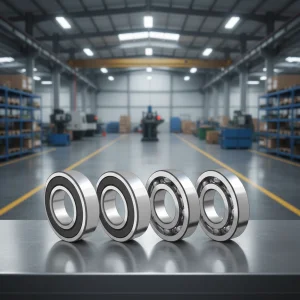
The global bearing manufacturing sector represents the backbone of modern mechanical systems, powering everything from heavy automotive drivetrains to micro-scale medical robotics. Globally, the industry is valued at over $120 billion and is projected to expand significantly as automation, electric vehicles (EVs), and smart home appliances demand unprecedented precision and lower decibel footprints.
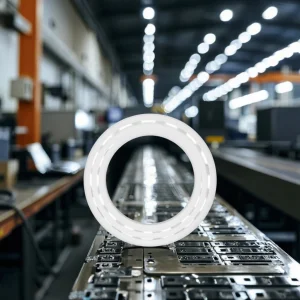
Historically, the bearings market was dominated by basic steel alloys. However, the rise of extreme environment manufacturing has shifted demand toward advanced material compositions. For instance, hybrid ceramic bearings (incorporating Silicon Nitride balls) have evolved from niche aerospace applications to mainstream high-speed motorcycle hubs, skateboards, and medical instrumentation because of their superior high-temperature limits and minimal friction coefficients.
At the micro-scale, the integration of ultra-precision bearings with high-torque gearboxes and servo drives has redefined structural requirements. Modern machinery factories no longer treat bearings as simple isolated hardware; instead, they are engineered as part of integrated electromechanical assemblies. This holistic design philosophy minimizes rotational vibration, improves system efficiency, and extends the operational lifecycle under extreme axial and radial stresses.
Every groundbreaking smart device needs a reliable pulse. TorqPro Motor designs and manufactures high-efficiency micro-drives that serve as the invisible, robust core inside next-generation robotics, smart home applications, and aerospace medical tools worldwide.
By blending advanced automation with a passion for micro-engineering, TorqPro Motor provides global B2B clients with the transparency of a local engineering partner and the massive scale advantages of a top-tier Chinese factory. We don't just sell motors; we build the core axis that keeps your business moving forward.
Under the hood of a global precision manufacturer: tracing the complex steps from raw metal to high-reliability bearing components.
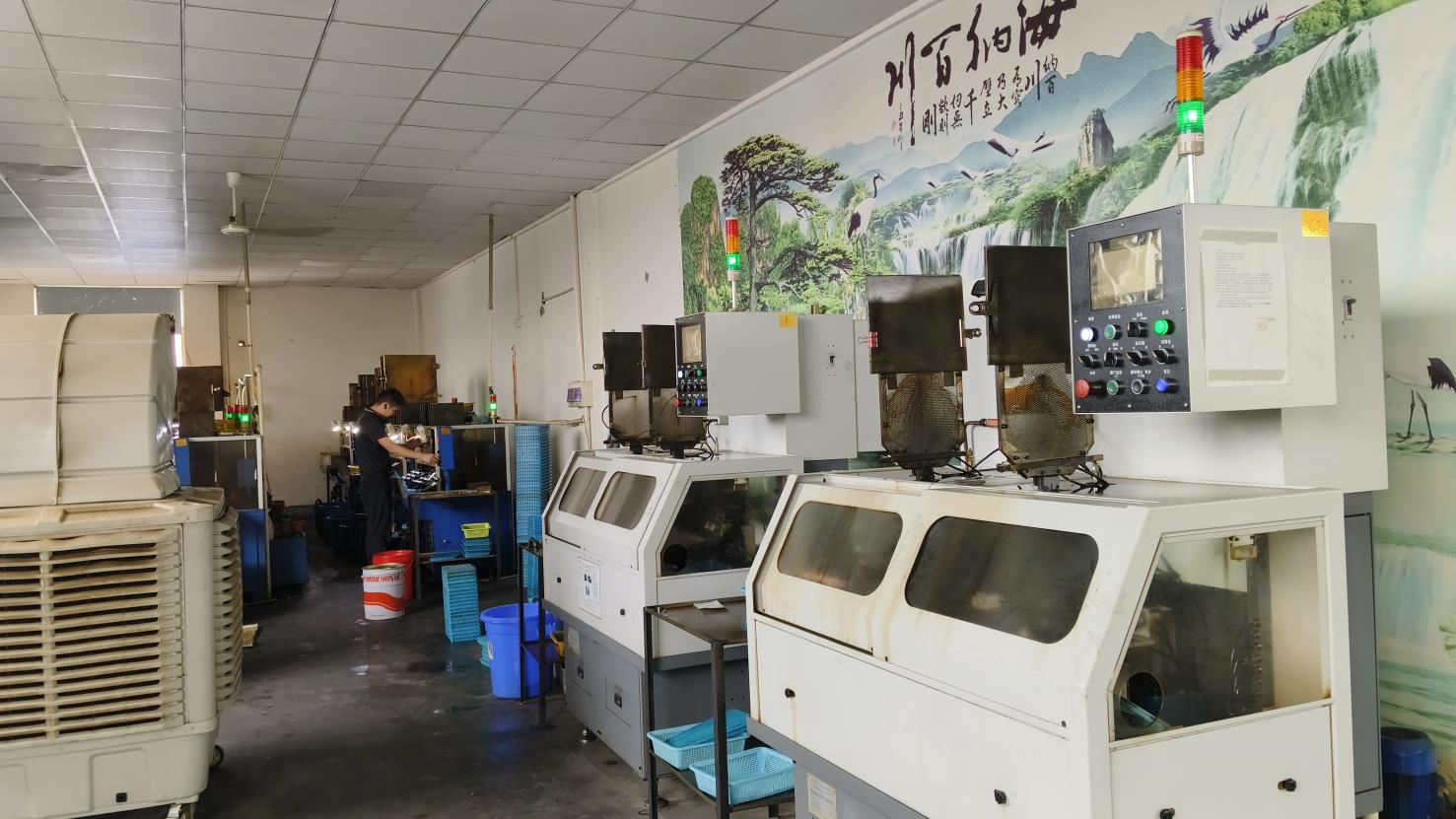
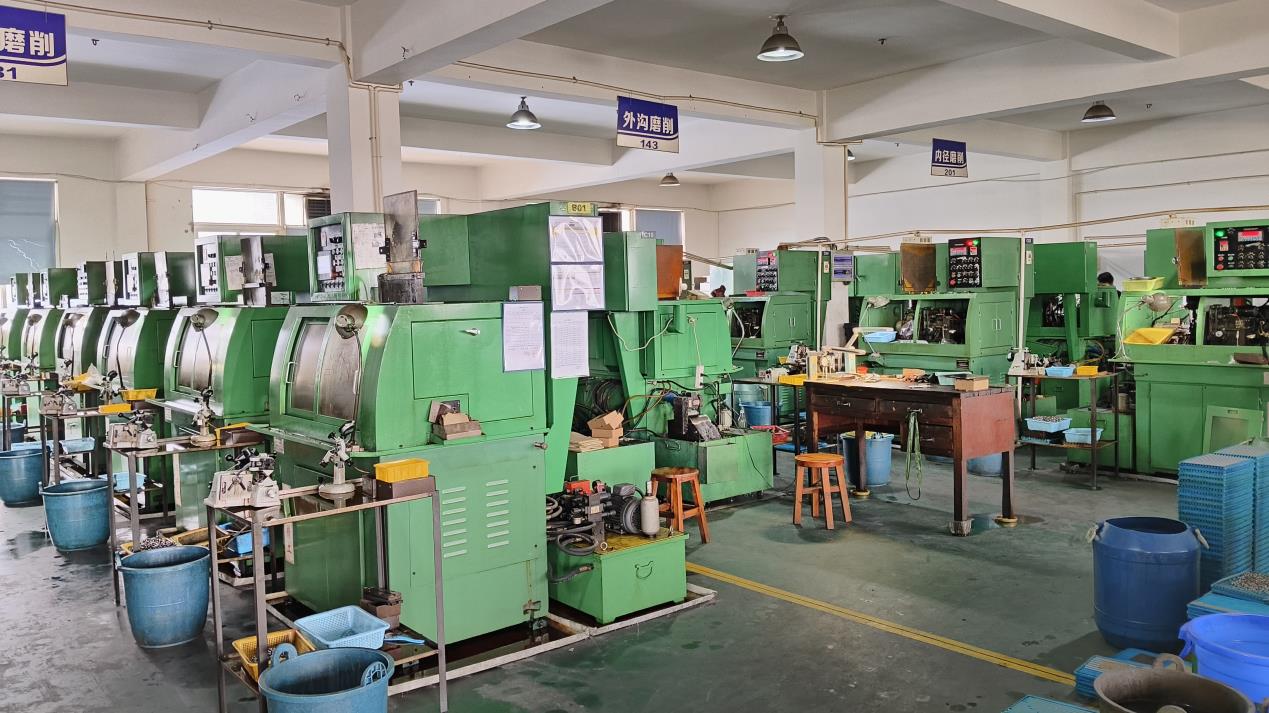
Using advanced CNC grinders, outer and inner rings are ground to exact micrometer tolerances. This ensures minimal friction and stabilizes heat distribution at high revolutions.
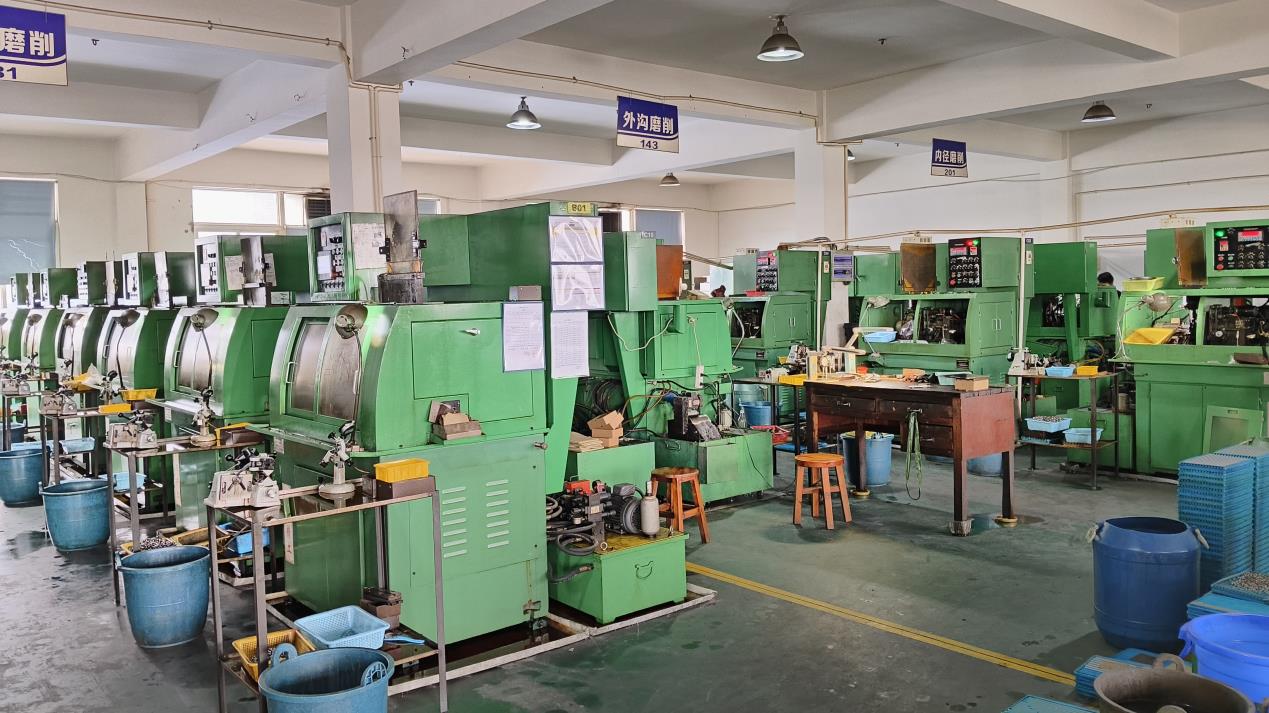
Automated spindle tracking keeps circular deviation down to sub-micron layers. Proper tooling geometry prevents uneven distribution of surface friction, which causes premature wear.
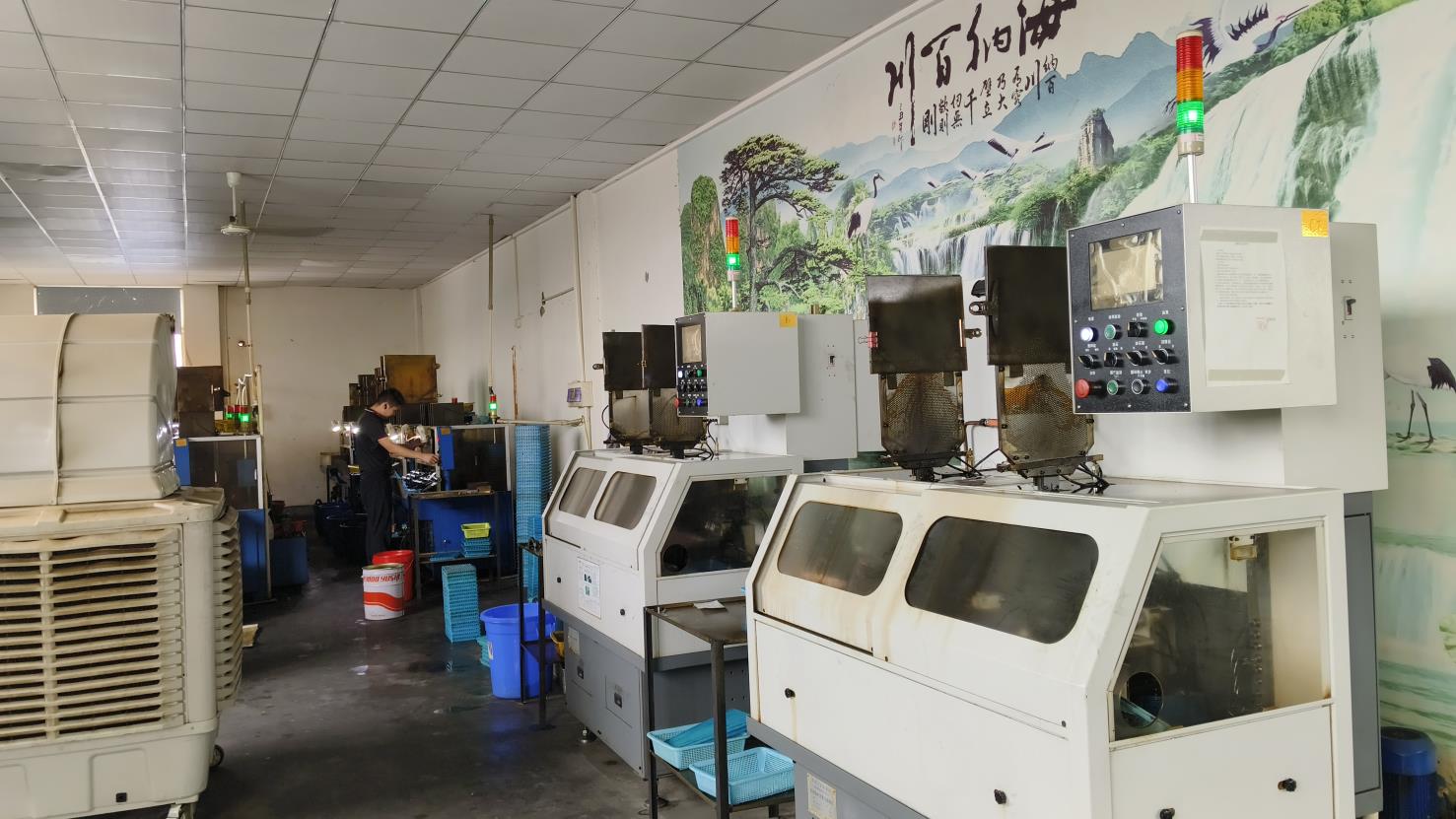
Precision alignment of inner and outer ring profiles. Smooth path creation ensures quiet rolling performance, which is vital for consumer robotics and smart home electronics.
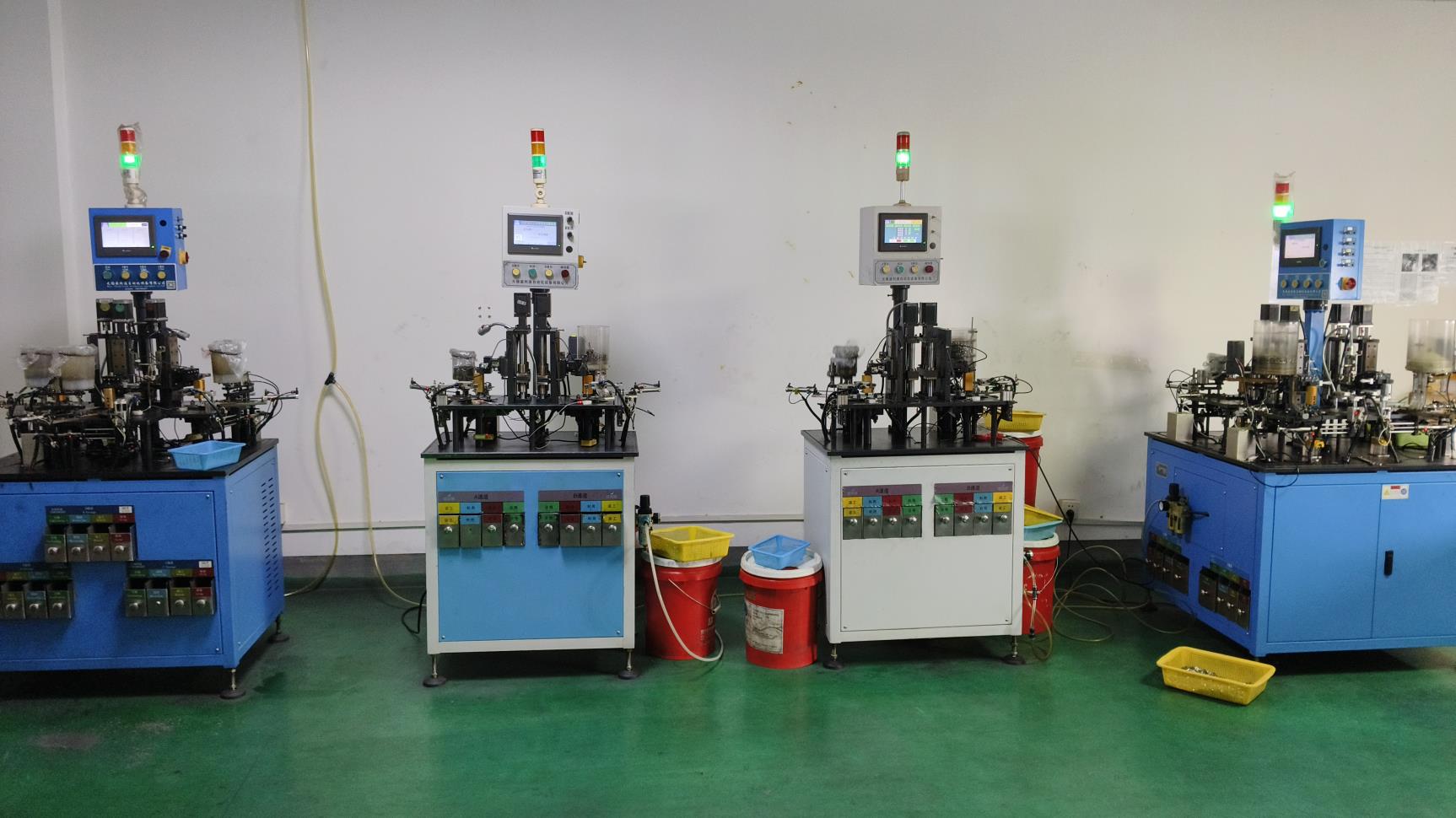
Every batch goes through computerized pneumatic gauging to check bore tolerances. Deviations of just 1 micron can cause shaft slippage, noise, or early failure.
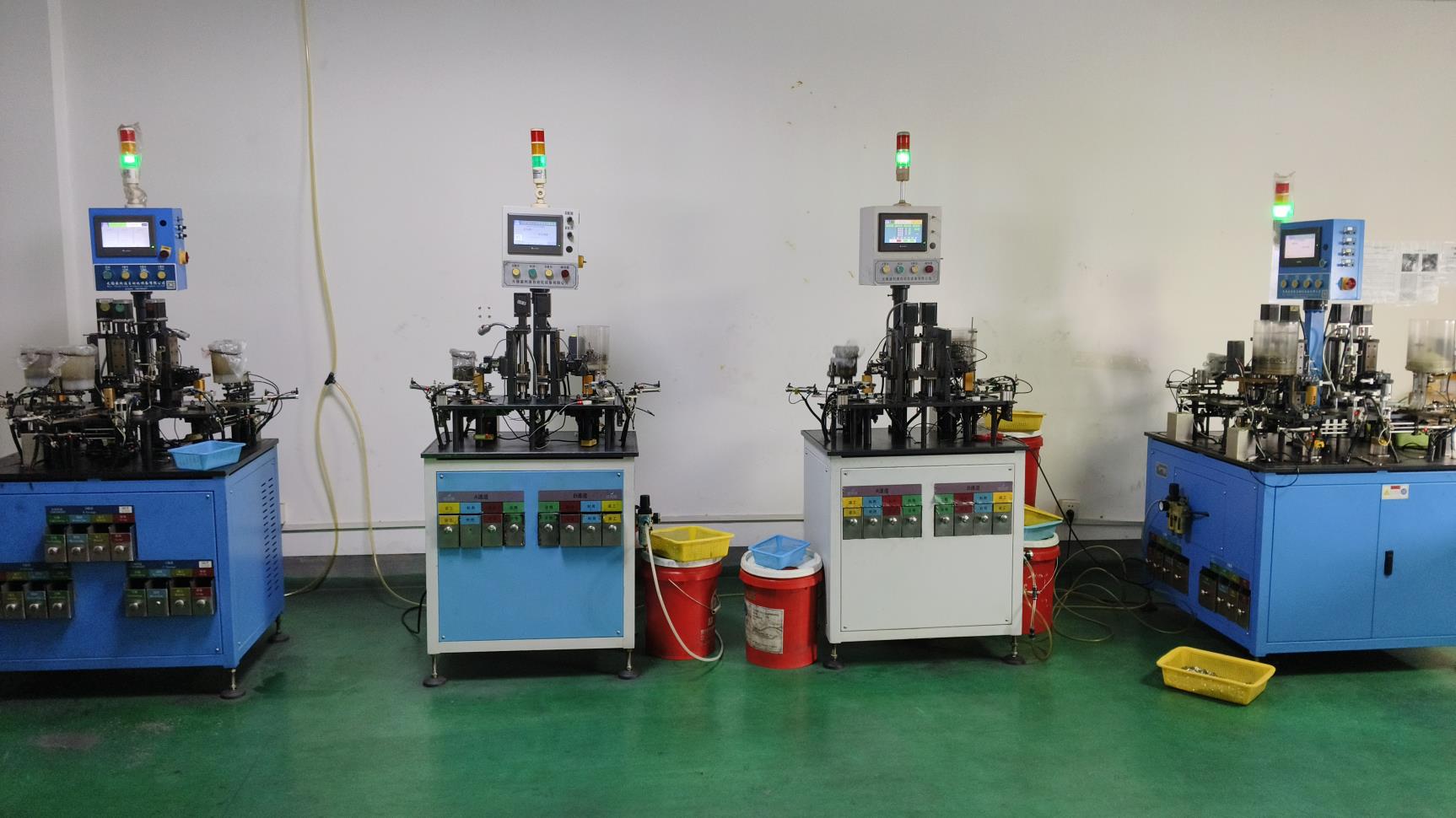
Automated size checkers verify critical contact points. This ensures perfect fit compatibility when integrating bearings into high-stress automotive or aerospace assemblies.
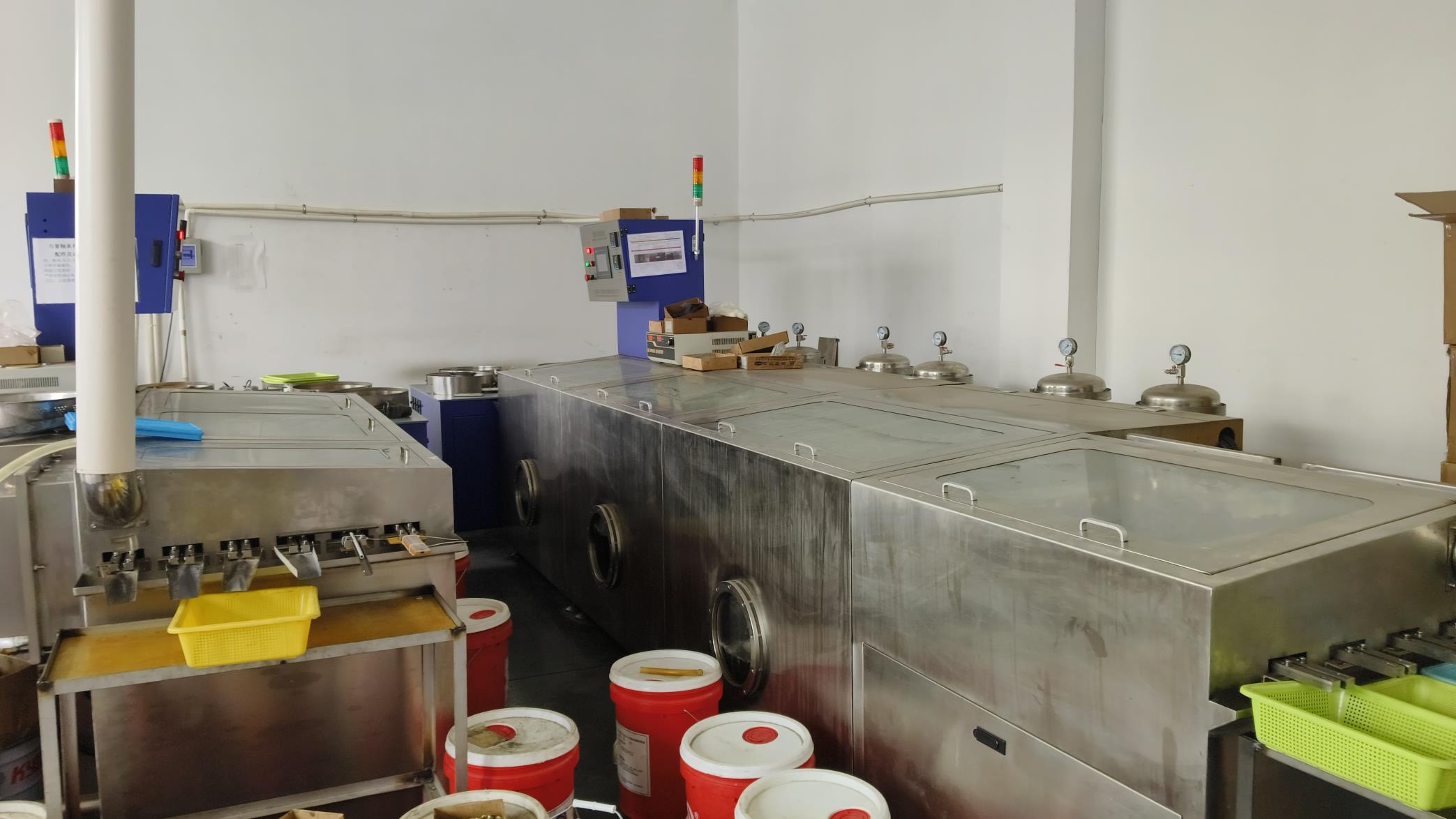
Multi-stage ultrasonic bath washing clears away micro-grit and cutting fluids. Removing all debris helps prevent internal friction scratches during initial rotation.
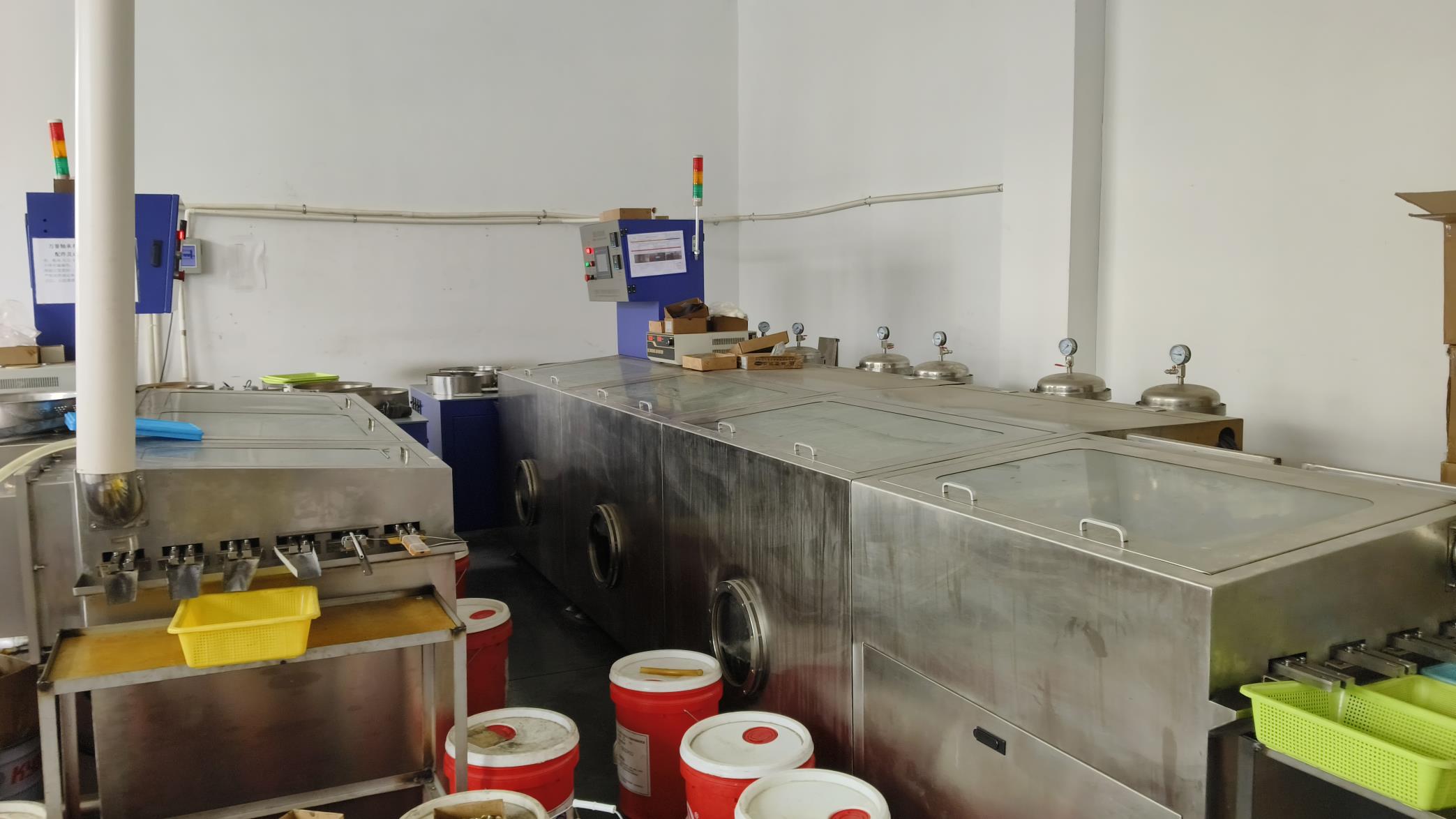
Automated fluid circulation washes out particles smaller than a micron. Clean surface structures are essential for long bearing life and consistent torque output.
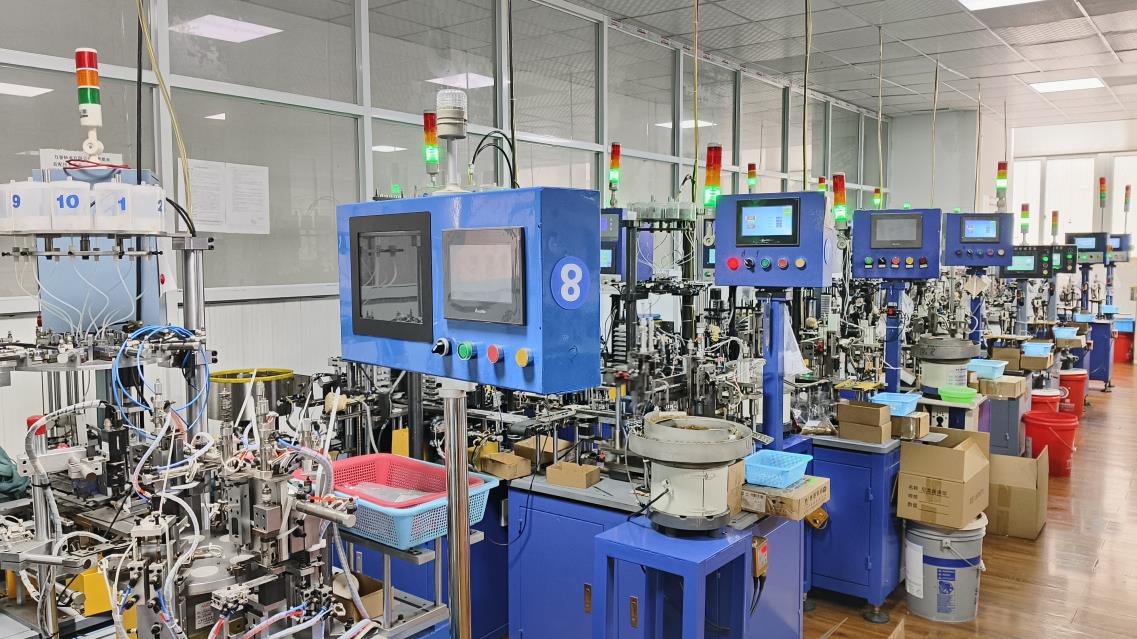
Rings, steel/ceramic balls, and retaining cages are assembled in a dust-free environment. This step keeps contaminants out of the internal raceways.
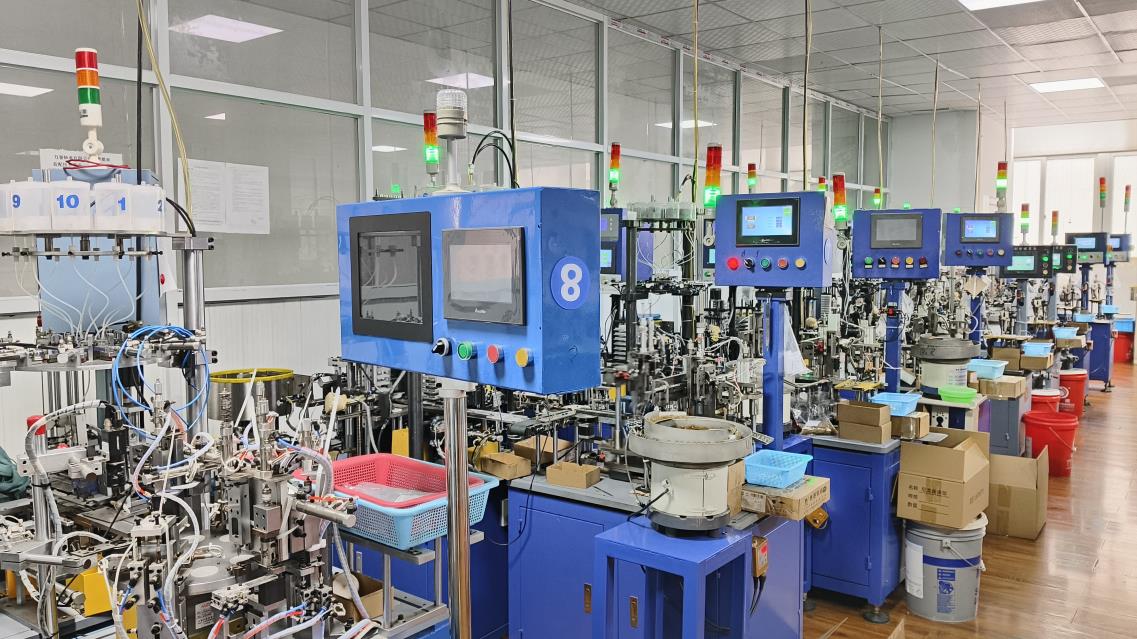
Automated equipment matches rings with optimized ball diameters. This process maintains consistent radial clearance and preload settings across large production batches.
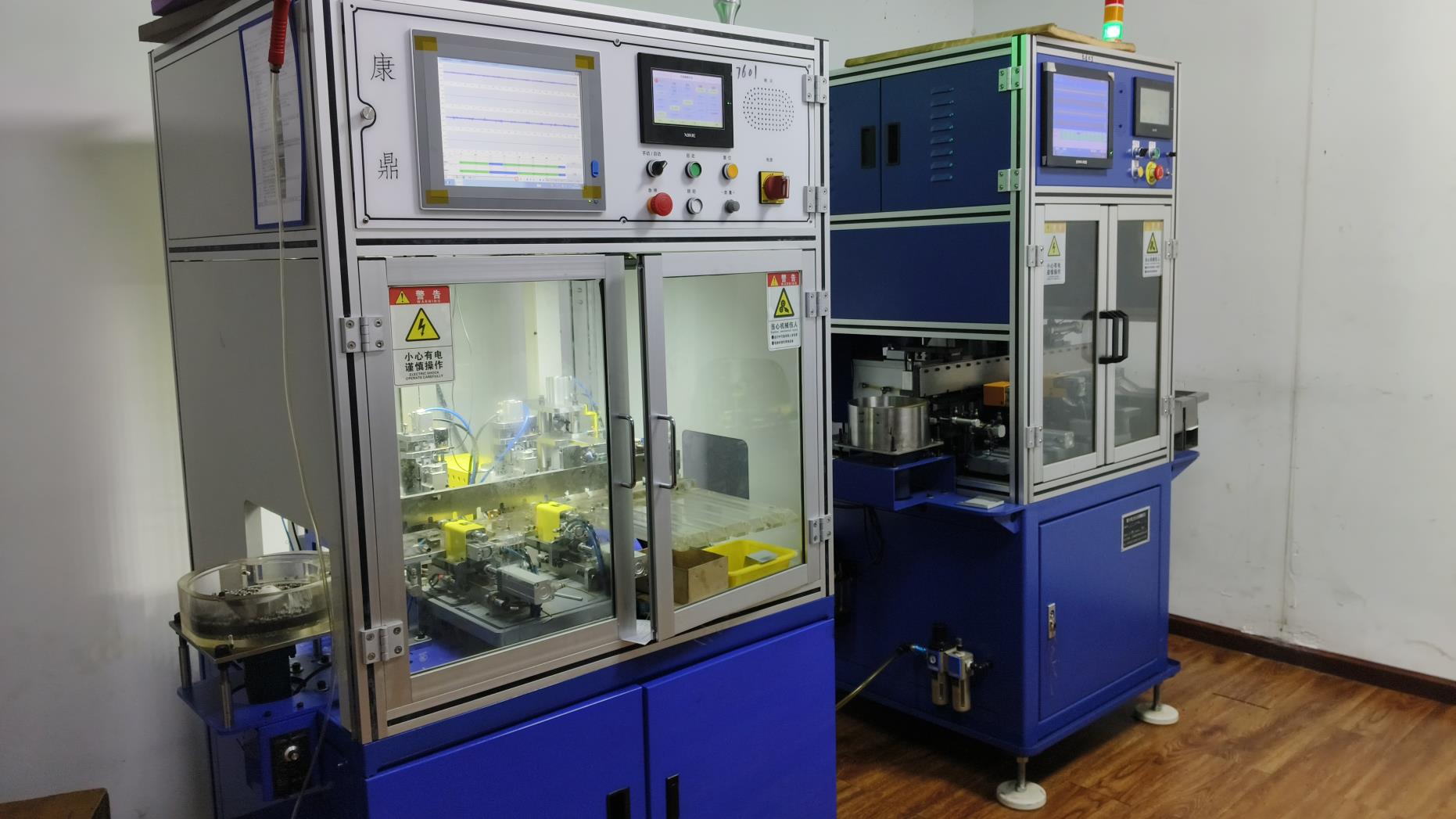
Automated vision cameras scan surfaces for micro-cracks or irregularities. Only defect-free parts are approved for final testing and shipping.
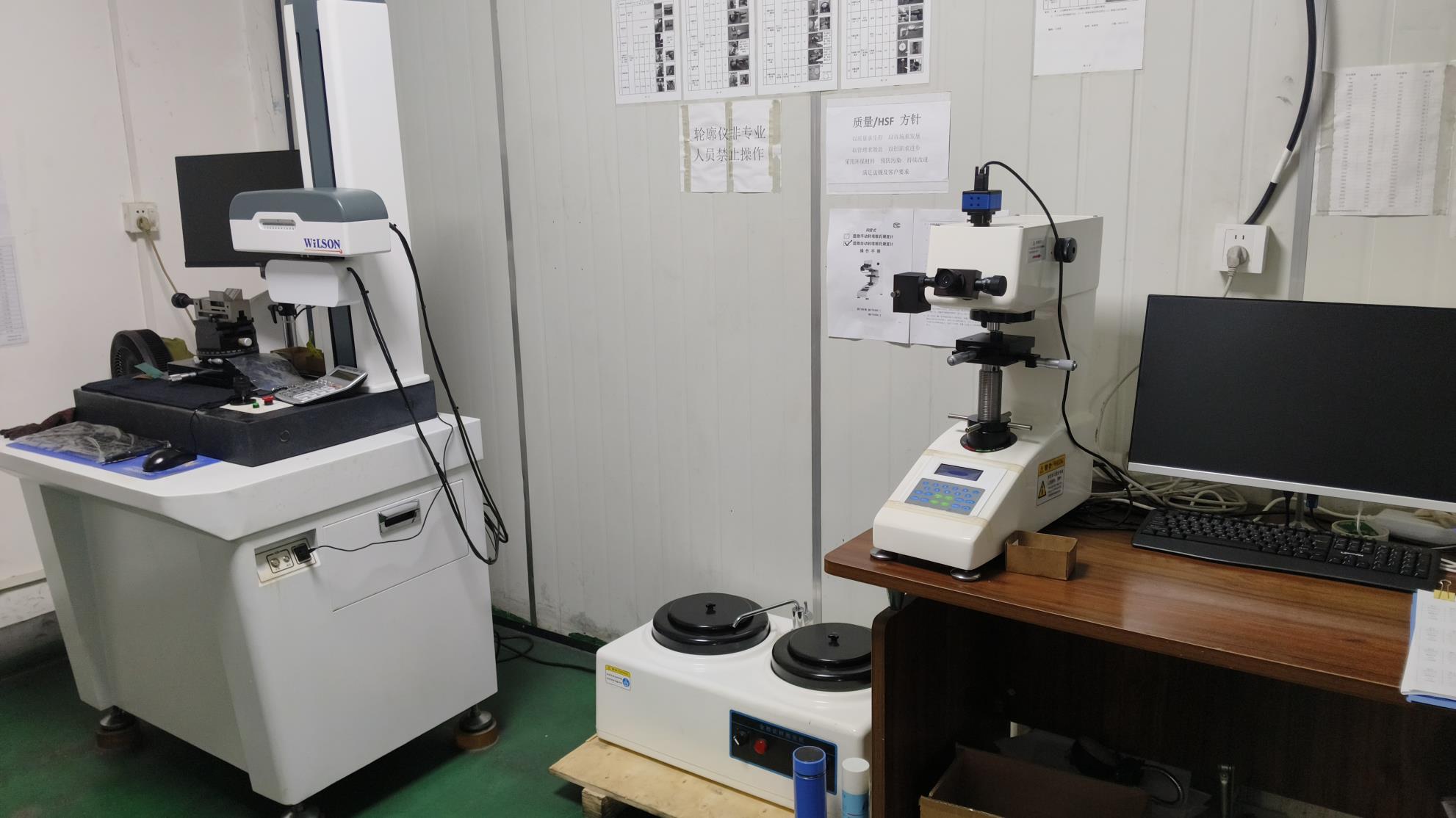
Electronic parameters, torque profiles, and thermal signatures are checked under real-world load conditions to ensure long-term mechanical reliability.
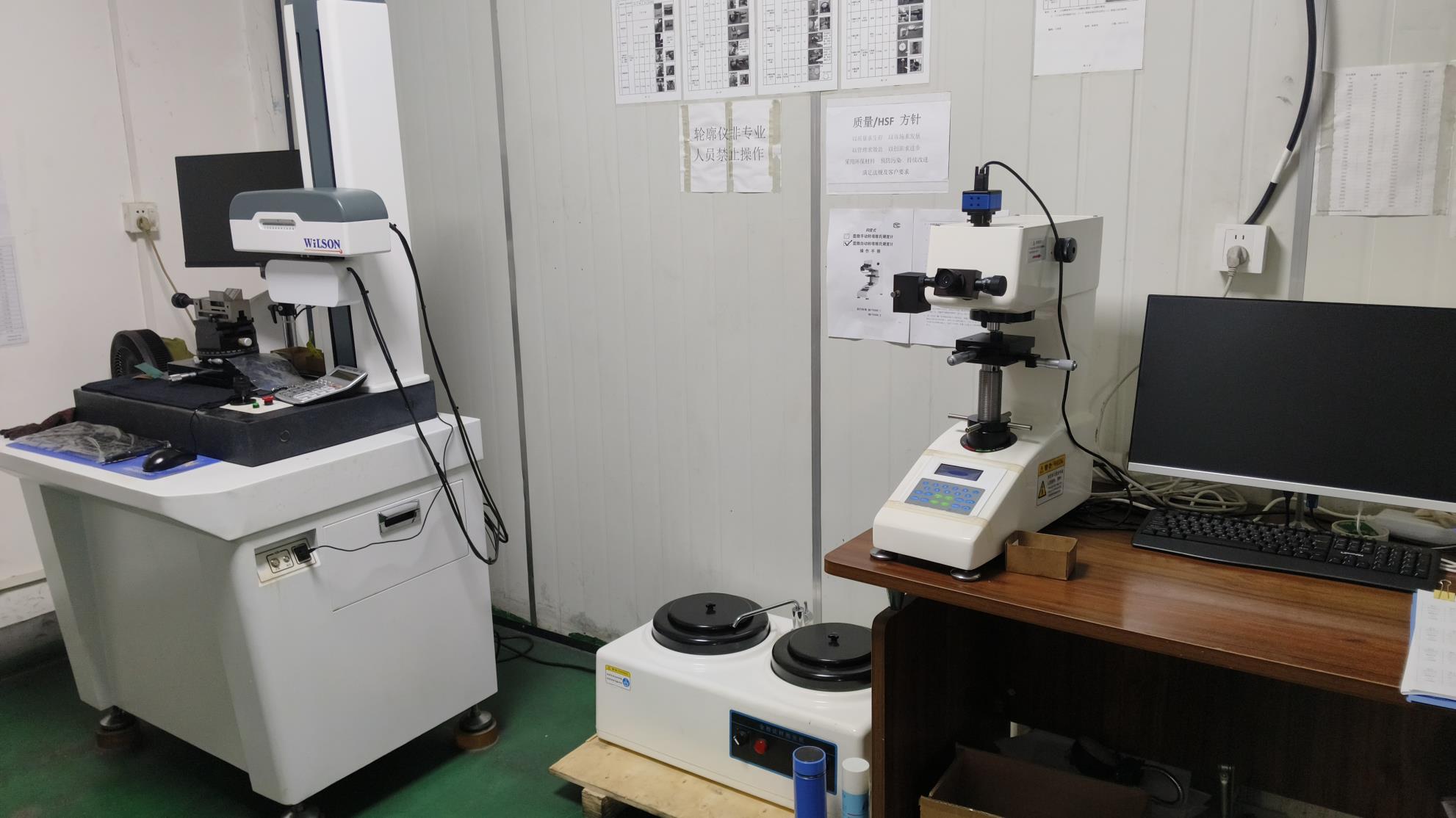
Automated sensors record friction torque and start-up energy profiles. This step ensures consistent and efficient operation under varying load conditions.
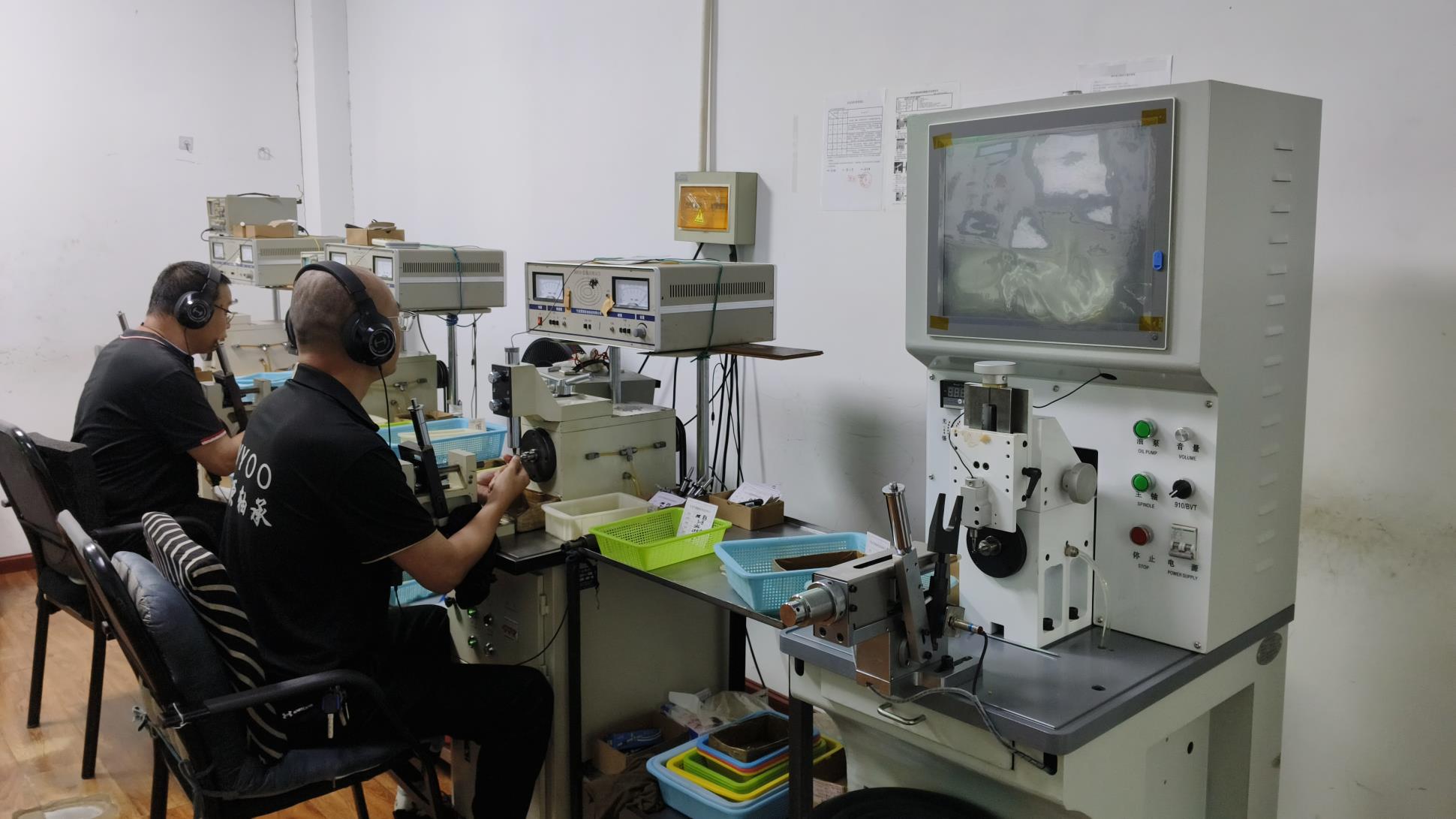
Acoustic sensors measure noise in a soundproof room. Eliminating structural vibrations ensures quiet operation, which is critical for consumer and medical applications.
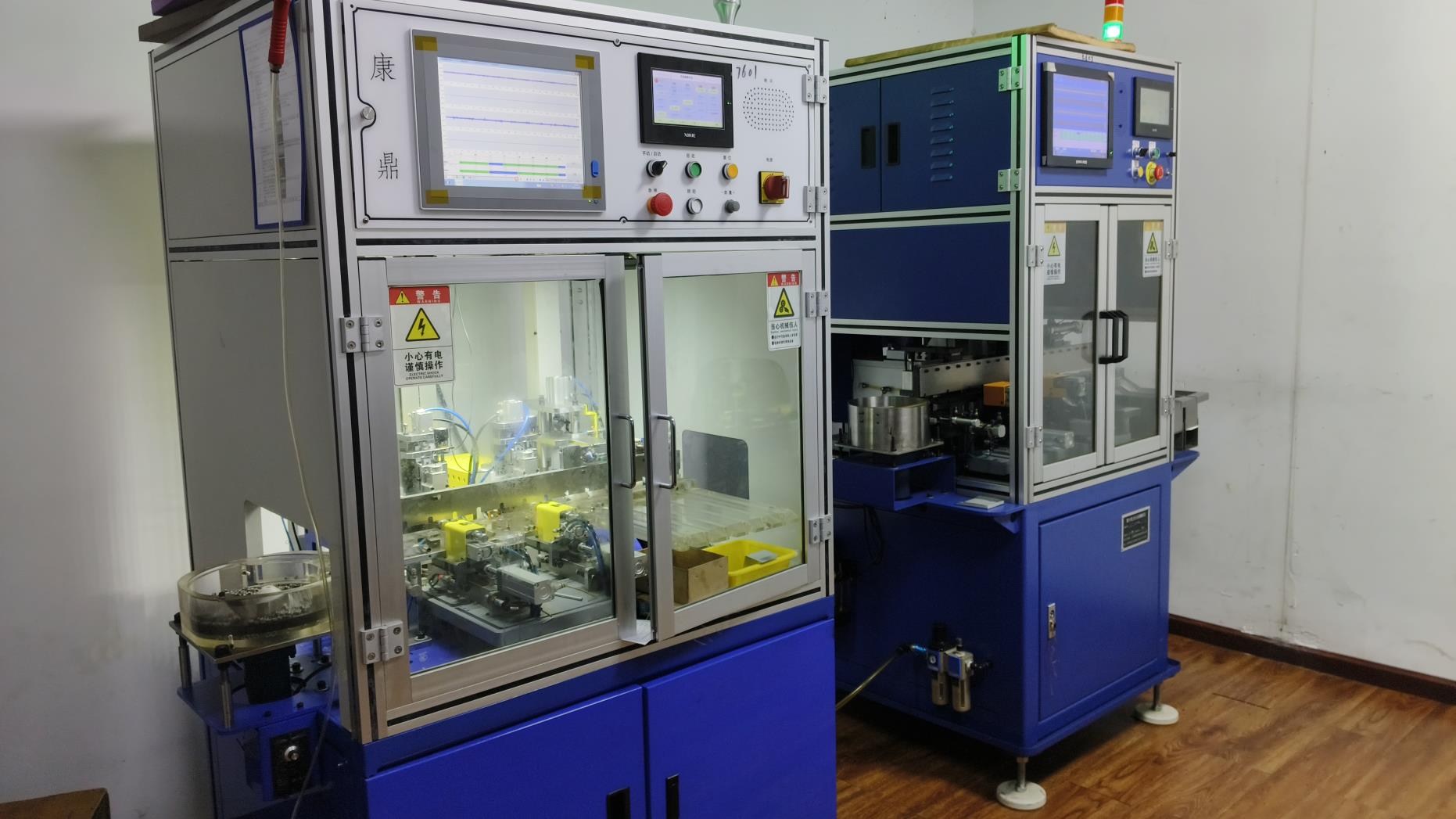
High-speed acoustic sorters process each component, filtering out assemblies with microscopic internal flaws or uneven lubricant dispersion.
How materials science and intelligent sensing are shaping the next generation of bearing systems and micro-drives.
Standardizing vacuum-degassed SAE 52100 chrome steel to boost fatigue life under heavy workloads. Expanding silicon nitride ceramic options (6805CE series) to increase heat thresholds and prevent electrical current damage in EV motors.
Developing embedded micro-sensors to monitor temperature, vibration, and rotation speed in real time. This allows industrial operators to schedule preventive maintenance before components fail.
Using diamond-like carbon coatings to keep friction low even under dry-running conditions. Combined with biodegradable greases, these designs lower maintenance needs and reduce environmental impact.
Solving complex engineering challenges across high-growth industries with integrated bearing and motor designs.
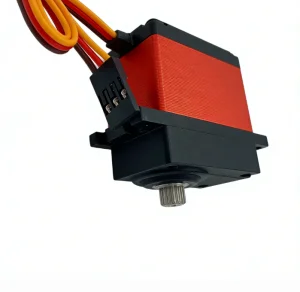
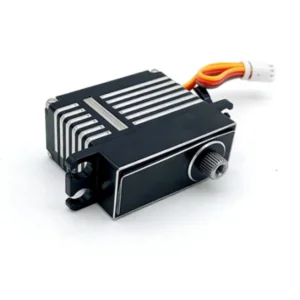
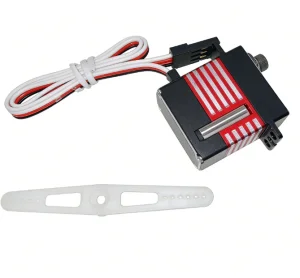
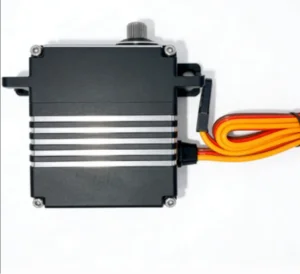
Robotic joints require high torque density and zero backlash. Combining miniature ball bearings (like the 608 series) with digital servo systems (such as the XS005A 75kg Coreless Motor series) provides the micro-precision and durability needed for industrial robot arms.
Surgical tools require ultra-high rotation speeds and must withstand chemical sterilization. Hybrid ceramic bearings deliver low thermal expansion and clean operation, making them ideal for modern operating rooms and dental equipment.
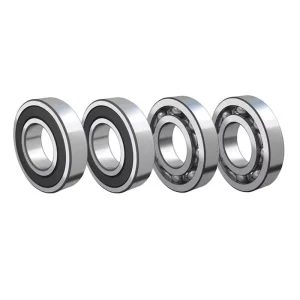
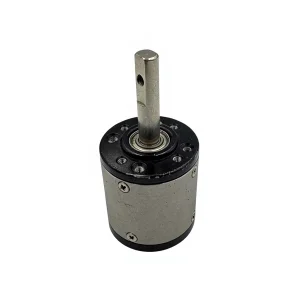
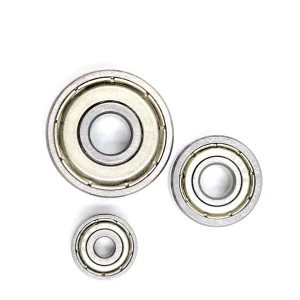
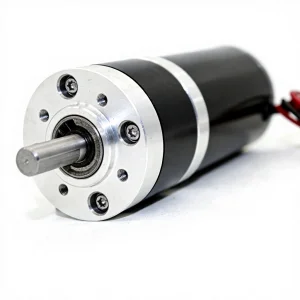
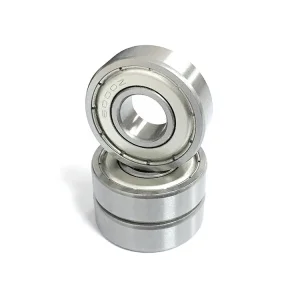
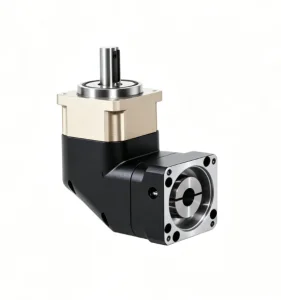
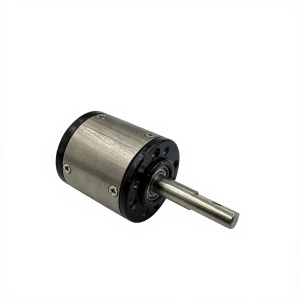
Quiet operation is essential for home appliances. Combining low-decibel deep groove bearings (such as the 6200zz chrome steel series) with high-efficiency planetary gearboxes reduces motor vibration and ensures quiet, reliable performance.
Answers to common engineering and sourcing questions about industrial bearing selection.
Silicon Nitride (Si3N4) ceramic bearings offer several advantages, including being 58% lighter than steel, which significantly reduces centrifugal force at high speeds. They can operate at temperatures up to 800°C without deformation, do not conduct electricity, and require less lubrication because of their low friction coefficient. These properties make them ideal for high-speed EV drivetrains and specialized motorcycle assemblies.
Shields (ZZ) are non-contact metal covers that protect against large debris while maintaining low friction, making them suitable for high-speed applications. Seals (2RS) use contact rubber to block dust and moisture, which is ideal for harsh environments but adds slight friction that can limit top speeds. Choosing between ZZ and 2RS depends on balancing protection needs with operational speed requirements.
Acoustic and decibel testing measures high-frequency vibrations caused by micro-defects or poor lubrication. In home appliances and medical equipment, quiet operation is essential. Sorters use acoustic sensors to test and verify that every bearing runs quietly, meeting strict quiet-running requirements before packaging.
Yes. TorqPro provides custom design services, matching high-efficiency planetary gearboxes and precision bearings to specific torque, speed, and dimensional requirements. This integrated approach ensures all components work together reliably, simplifying sourcing and development for our clients.
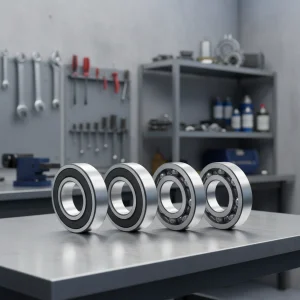
Browse our complete product range, featuring miniature ball bearings, planetary gearboxes, and digital servo assemblies.
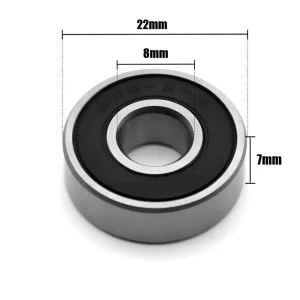
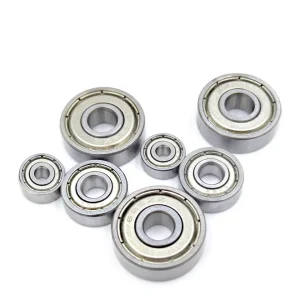
 TorqPro Motor