Explore our high-performance components engineered for precise torque output, fluid dynamics, and stable electromagnetic parameters under high load operations.
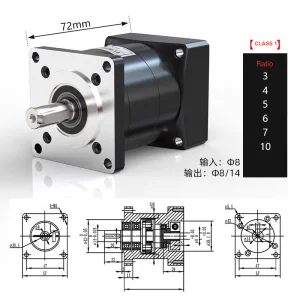
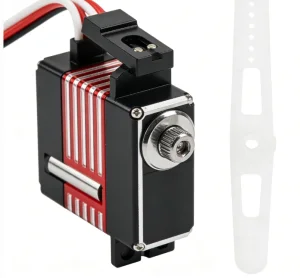
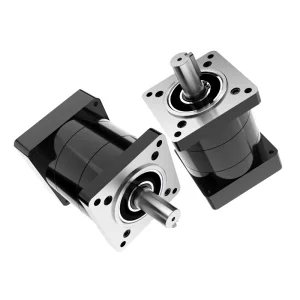
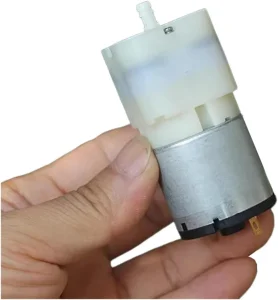
Inductors are no longer passive buffers; they serve as the operational bedrock of high-efficiency signal filtration, power distribution units (PDU), and magnetic coupling networks across high-speed computing and industrial domains. As top China inductor manufacturers and exporters, we recognize that selecting the optimal magnetic component goes beyond mere inductance values (μH). Industrial systems, automotive drivetrains, and IoT medical devices demand stringent limits on Direct Current Resistance (DCR), Saturation Current (Isat), and Electromagnetic Interference (EMI).
By optimizing core composition—transitioning from traditional ferrite to advanced metal alloy powders—our industrial exporters deliver products characterized by soft saturation characteristics and minimized parasitic capacitance. This ensures high-current stability, shielding delicate microprocessor networks from catastrophic voltage drops or EMI disturbances.
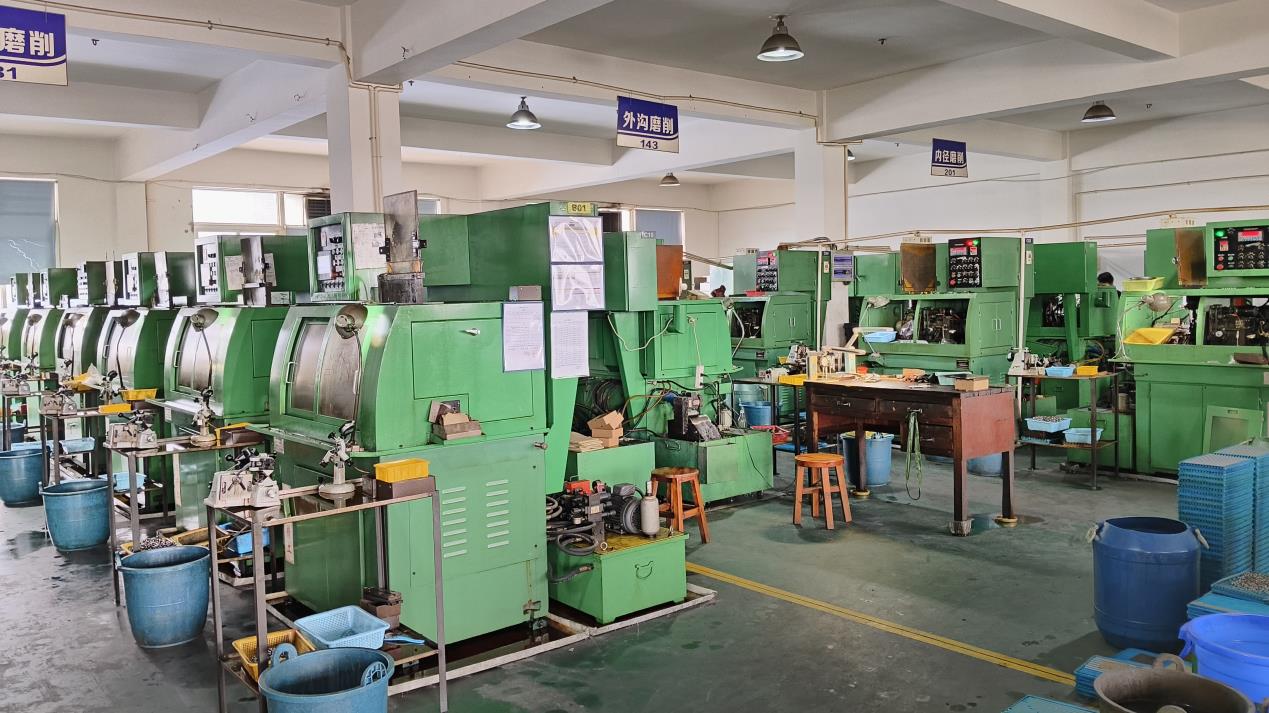
Why international technology leaders trust Chinese manufacturers for integrated magnetic components, micro-drives, and critical custom assemblies.
Benefiting from vertical integration close to rare-earth extraction clusters, domestic manufacturing guarantees stable sourcing of high-grade copper, ferrite formulations, and premium polymer coatings, insulating projects from global commodity price spikes.
Employing multi-axis winding systems, automated laser stripping, and computer-guided optical inspection (AOI) to eliminate structural variations, achieving dimensional tolerances as low as 0.02μm for custom coil geometries.
Every product batch undergoes certified screening against IATF 16949 for automotive design, ISO 9001 quality guidelines, RoHS/REACH chemical directives, and CE standards to ensure frictionless customs clearance globally.
Electromagnetic FEA analysis to map flux vectors and optimize winding profiles before physical fabrication.
Computerized high-tension copper winding around custom-molded ceramic, ferrite, or hybrid metal cores.
Dual-stage testing featuring micro-ohm DCR analysis and high-frequency impedance checking.
Application of high-temperature resins and epoxy barriers to protect against mechanical strain and vibration.
Every groundbreaking smart device needs a reliable pulse. TorqPro Motor designs and manufactures high-efficiency micro-drives and precision electromagnetic components that serve as the invisible, robust core inside next-generation robotics, smart home applications, and aerospace medical tools worldwide.
We operate on a simple philosophy: Engineered to last. Built to fit. By blending advanced automation with a passion for micro-engineering, TorqPro Motor provides global B2B clients with the transparency of a local engineering partner and the massive scale advantages of a top-tier Chinese factory. We don't just sell components; we build the core axis that keeps your business moving forward.
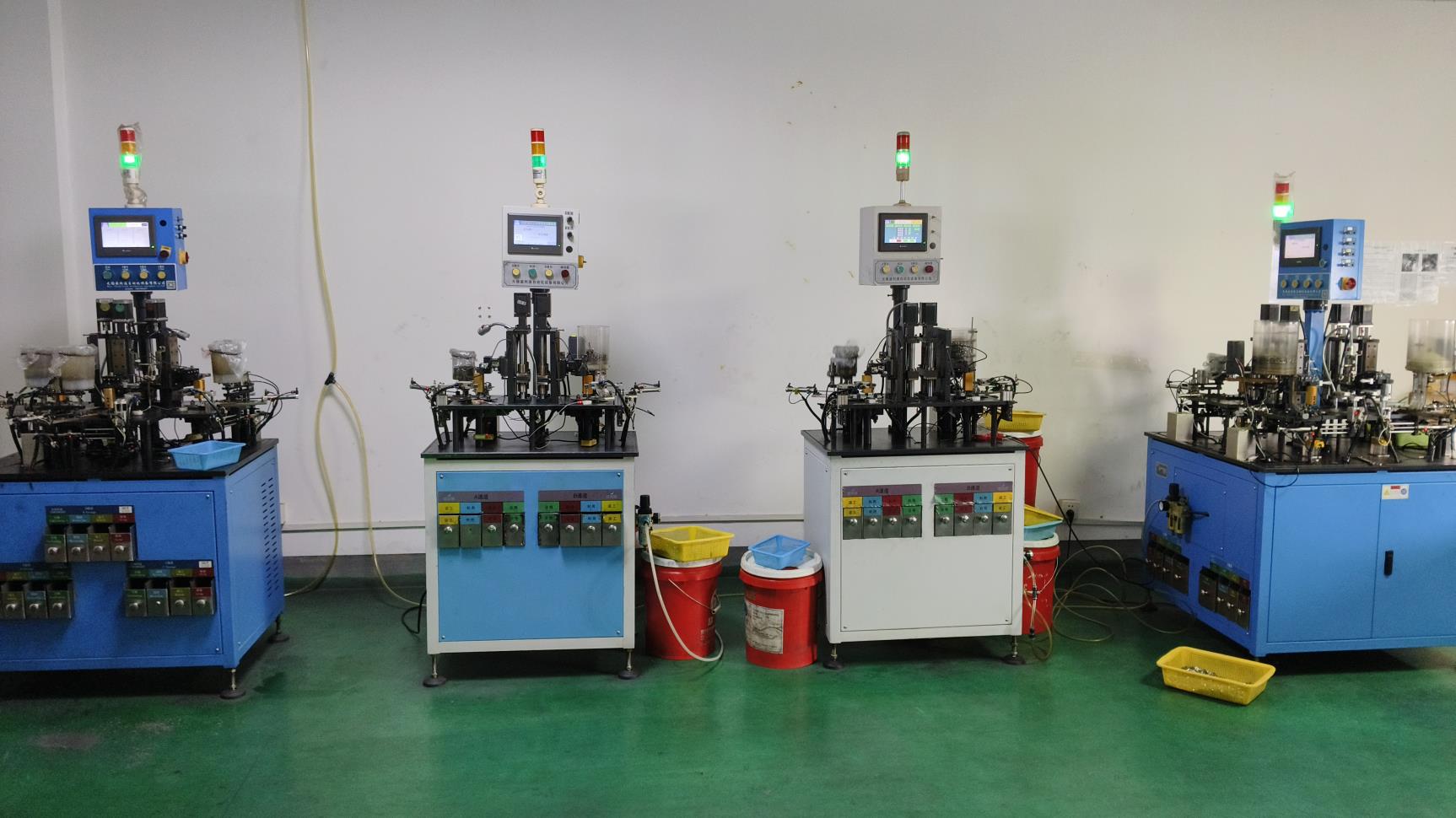
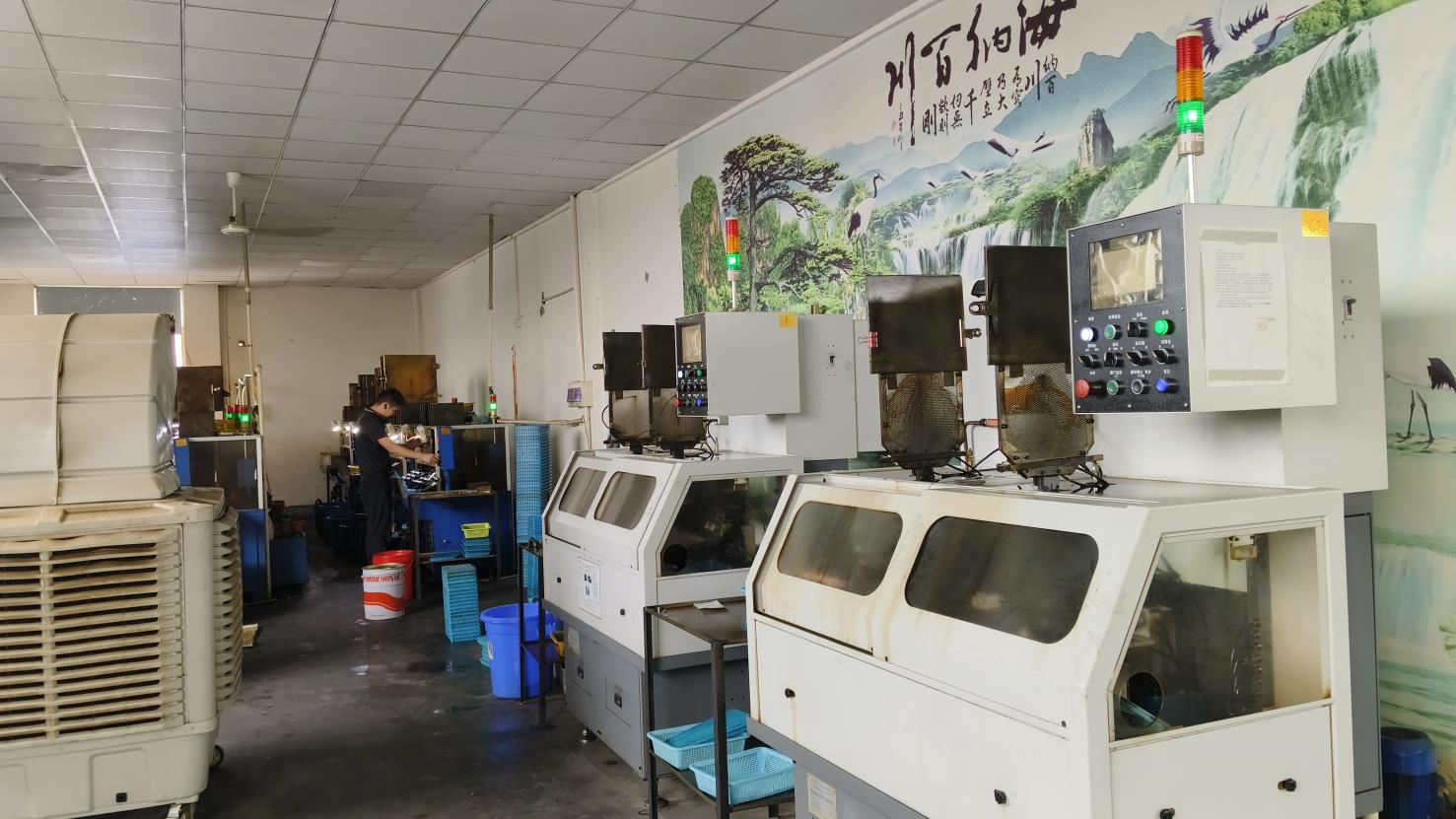
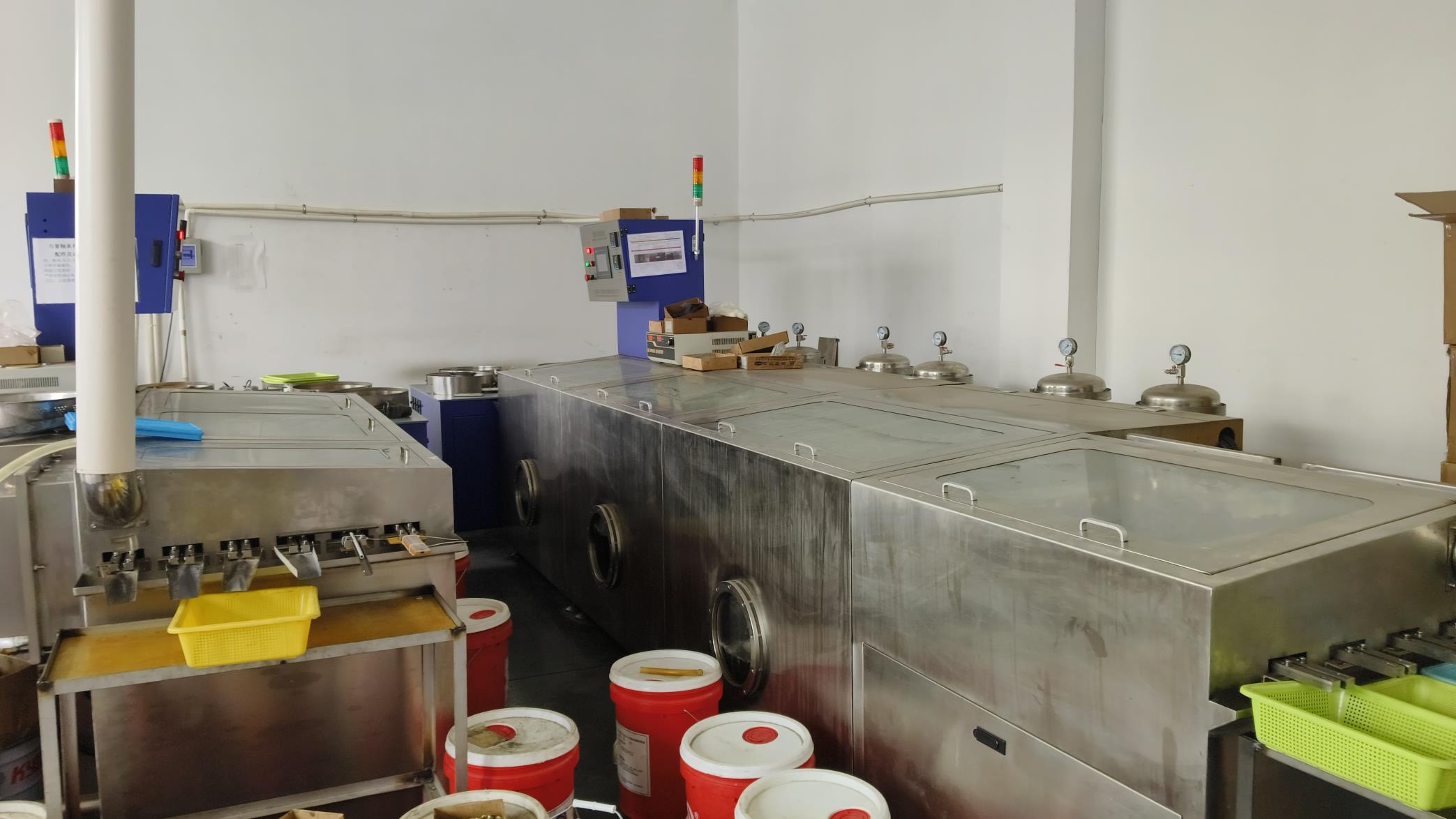
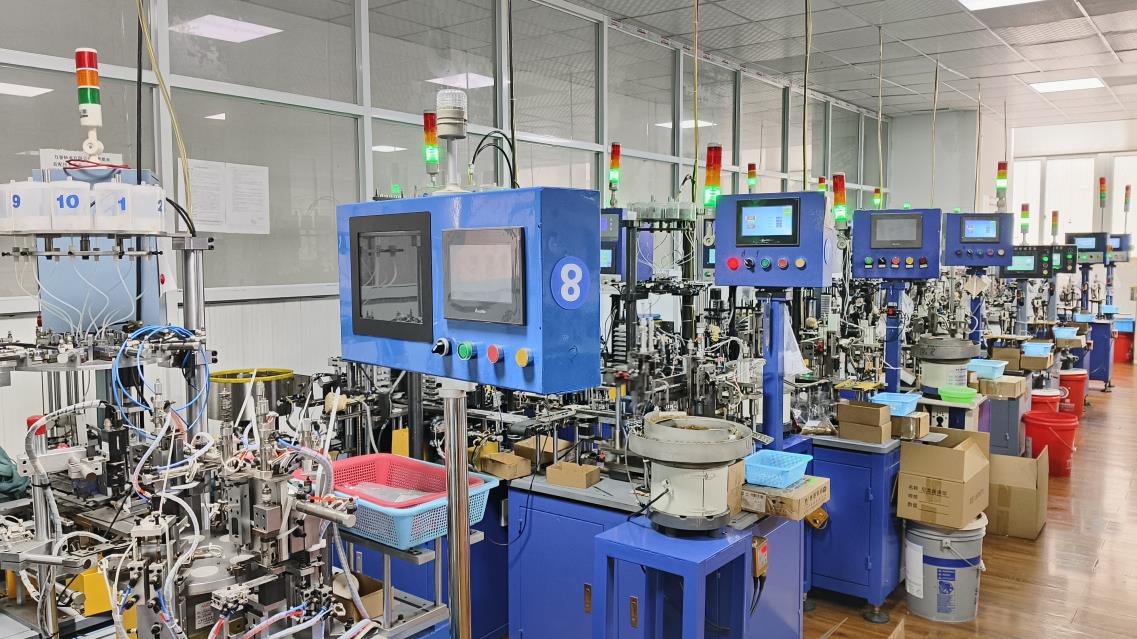
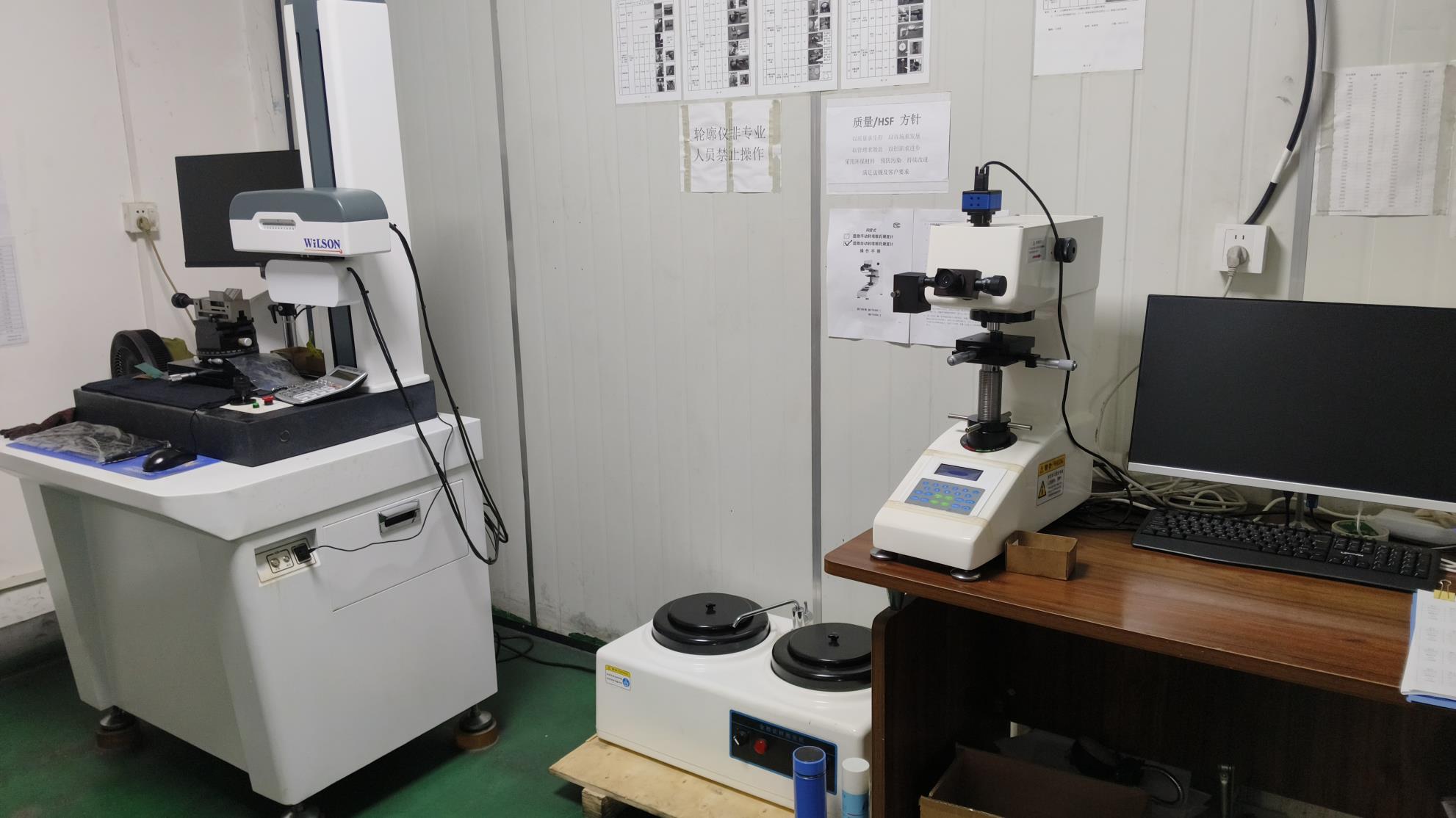
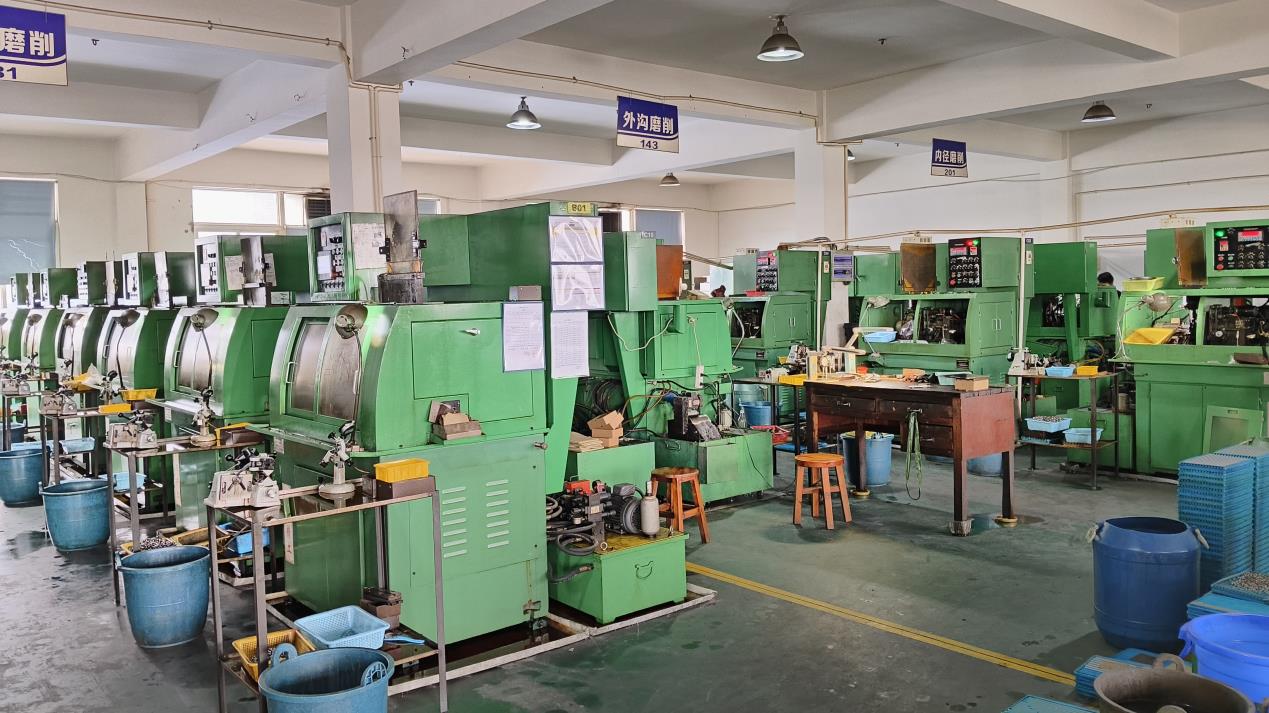
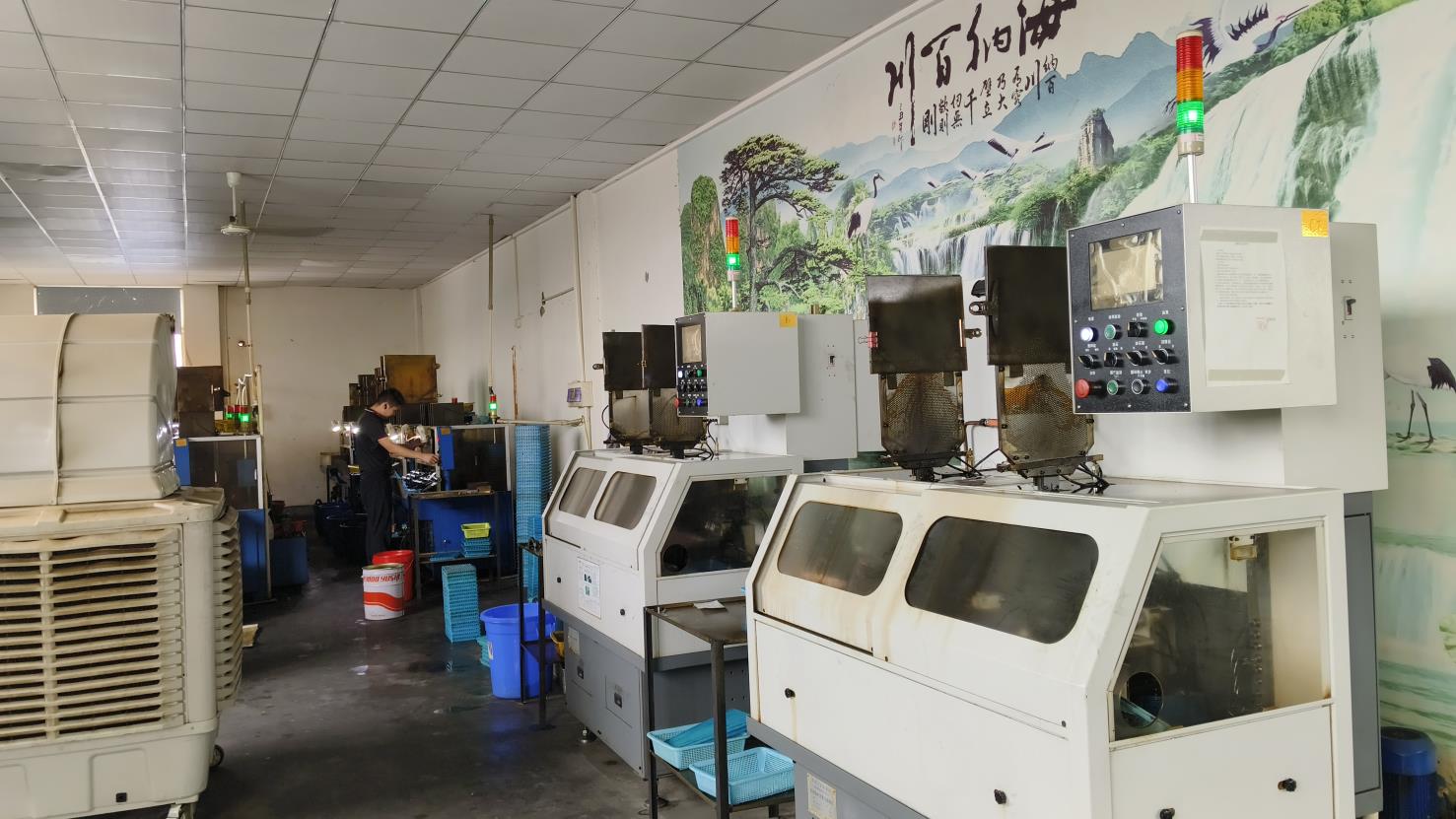
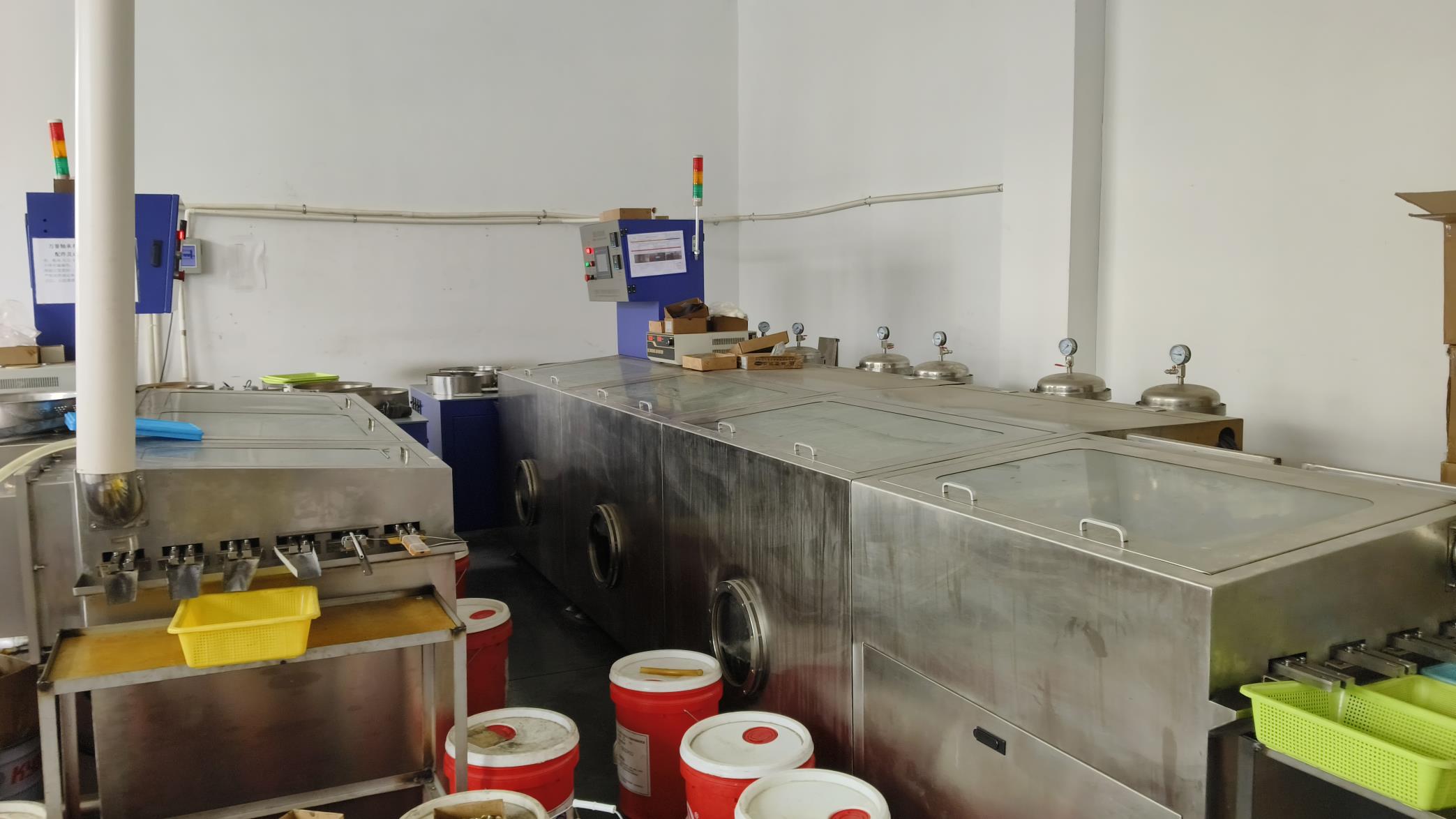
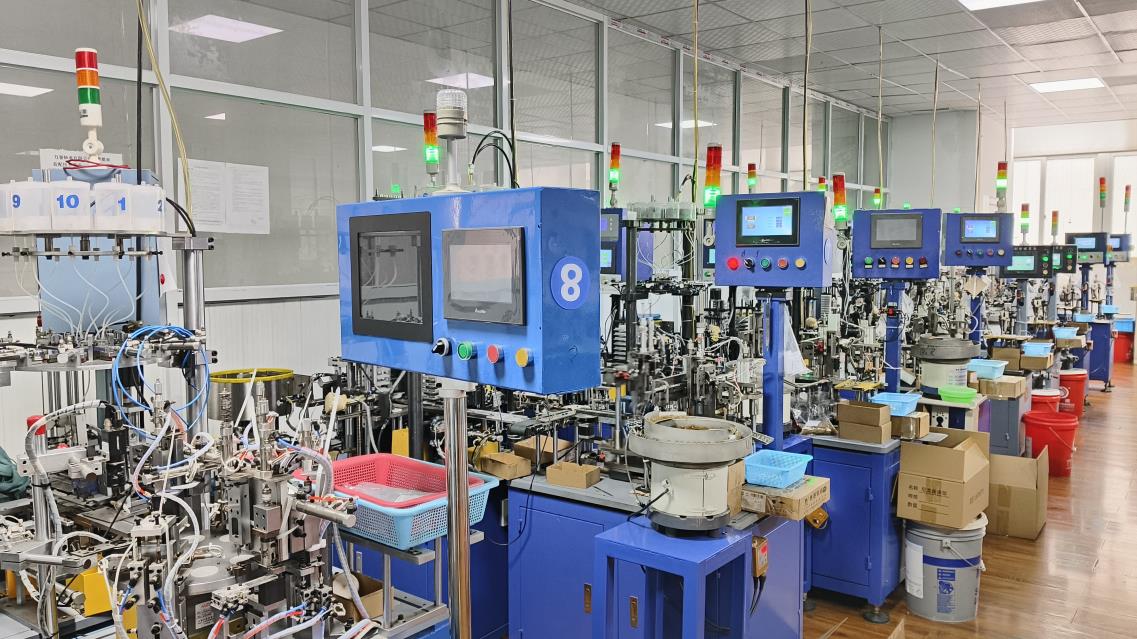
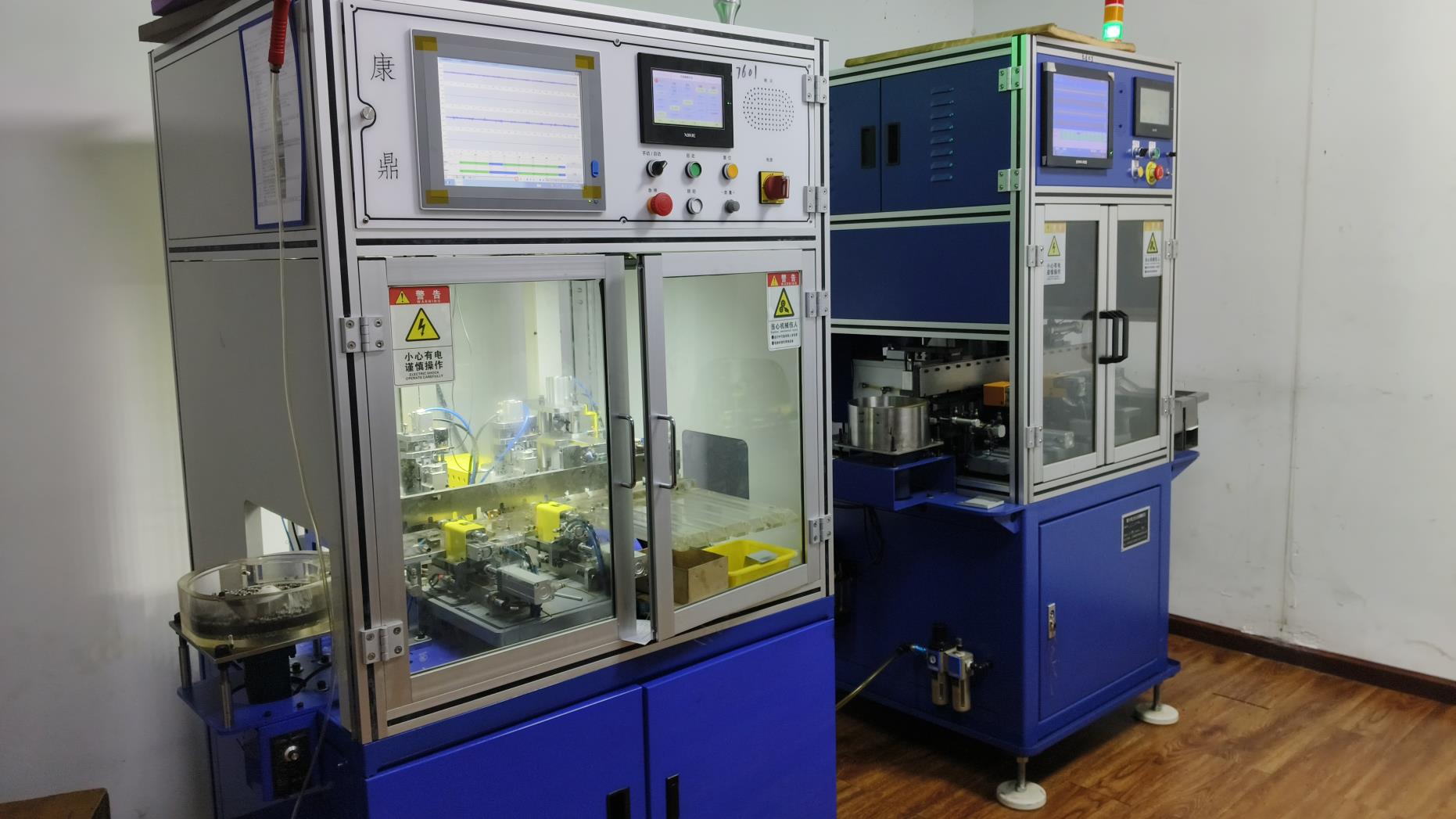
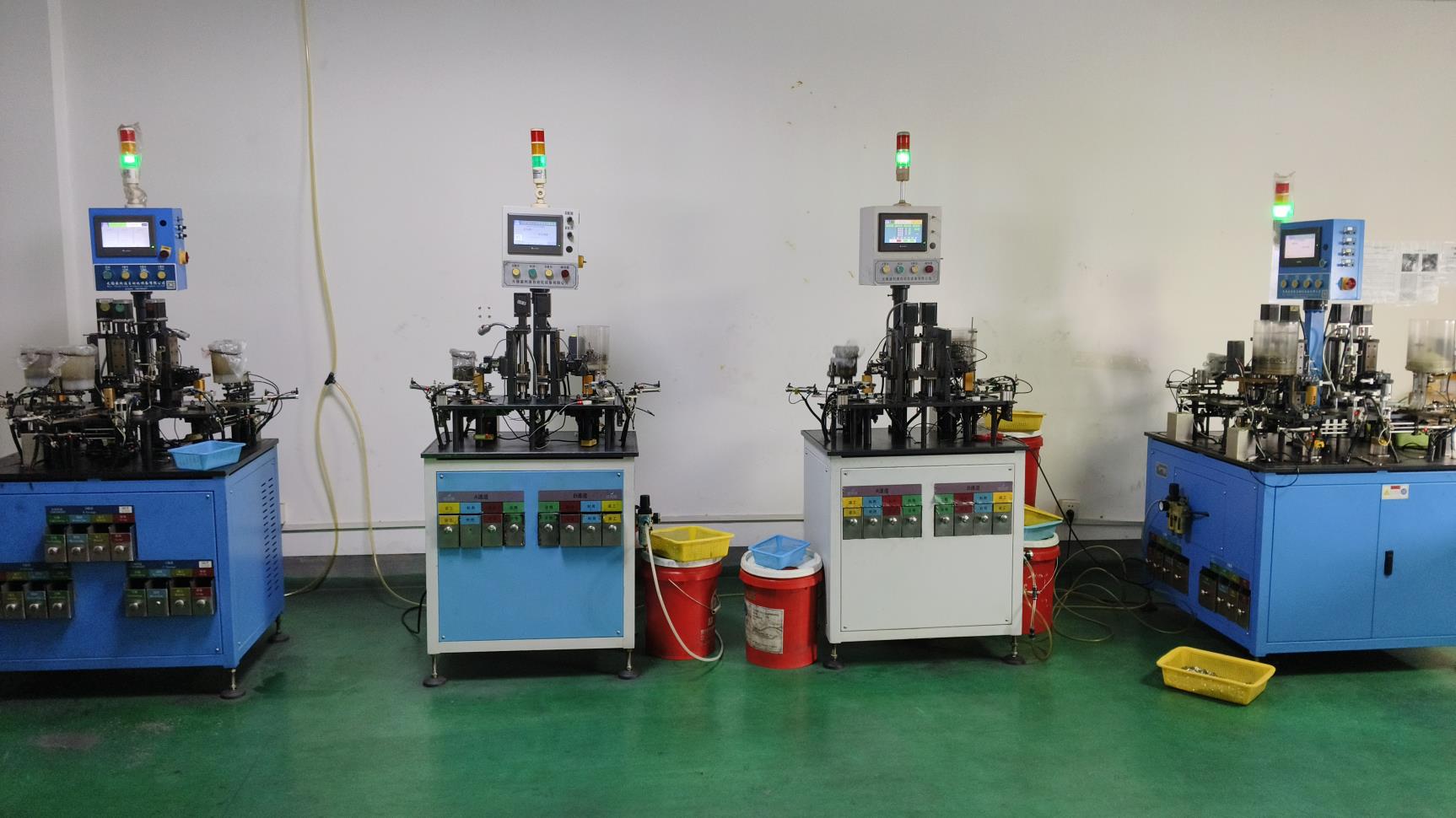
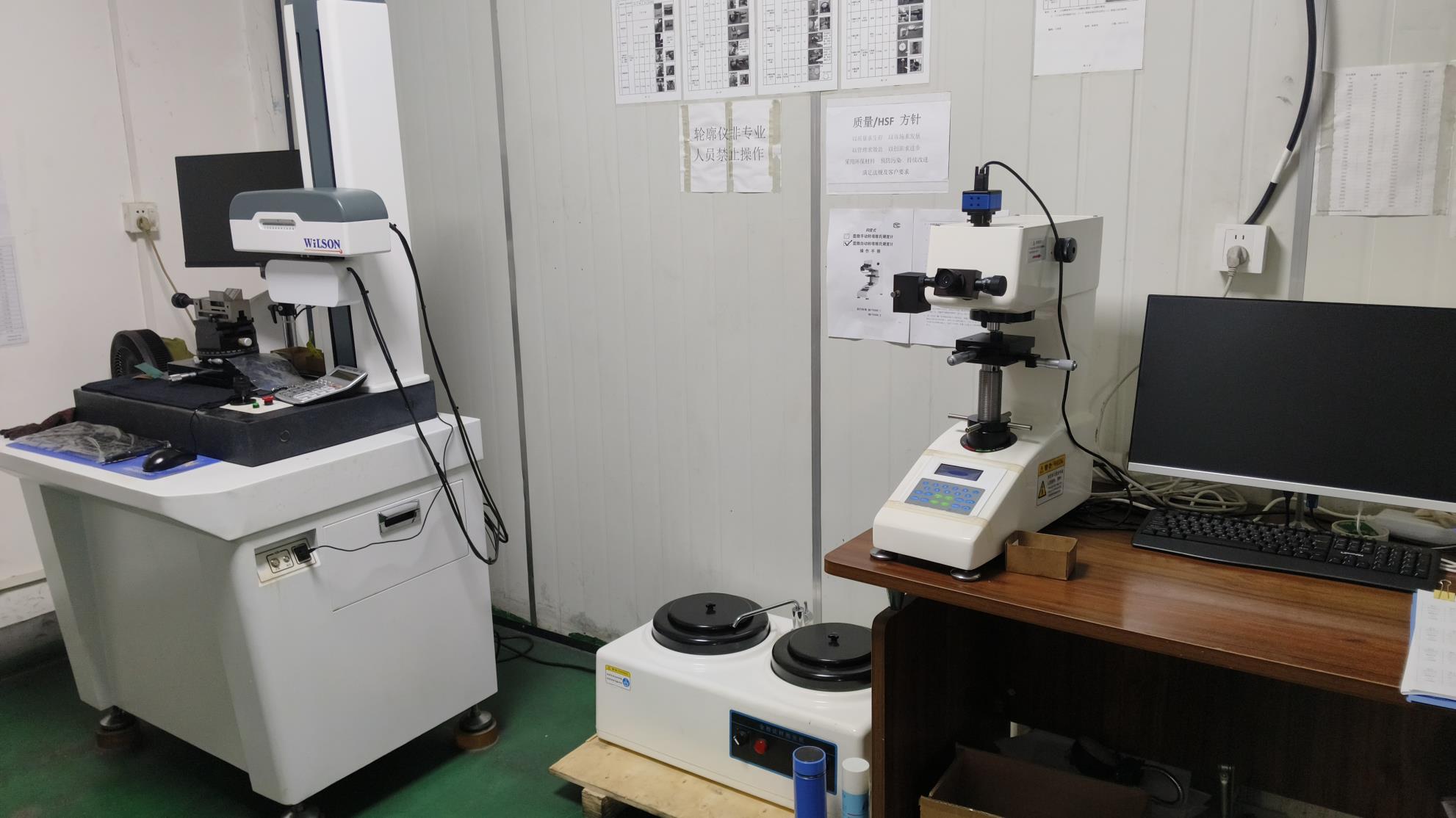
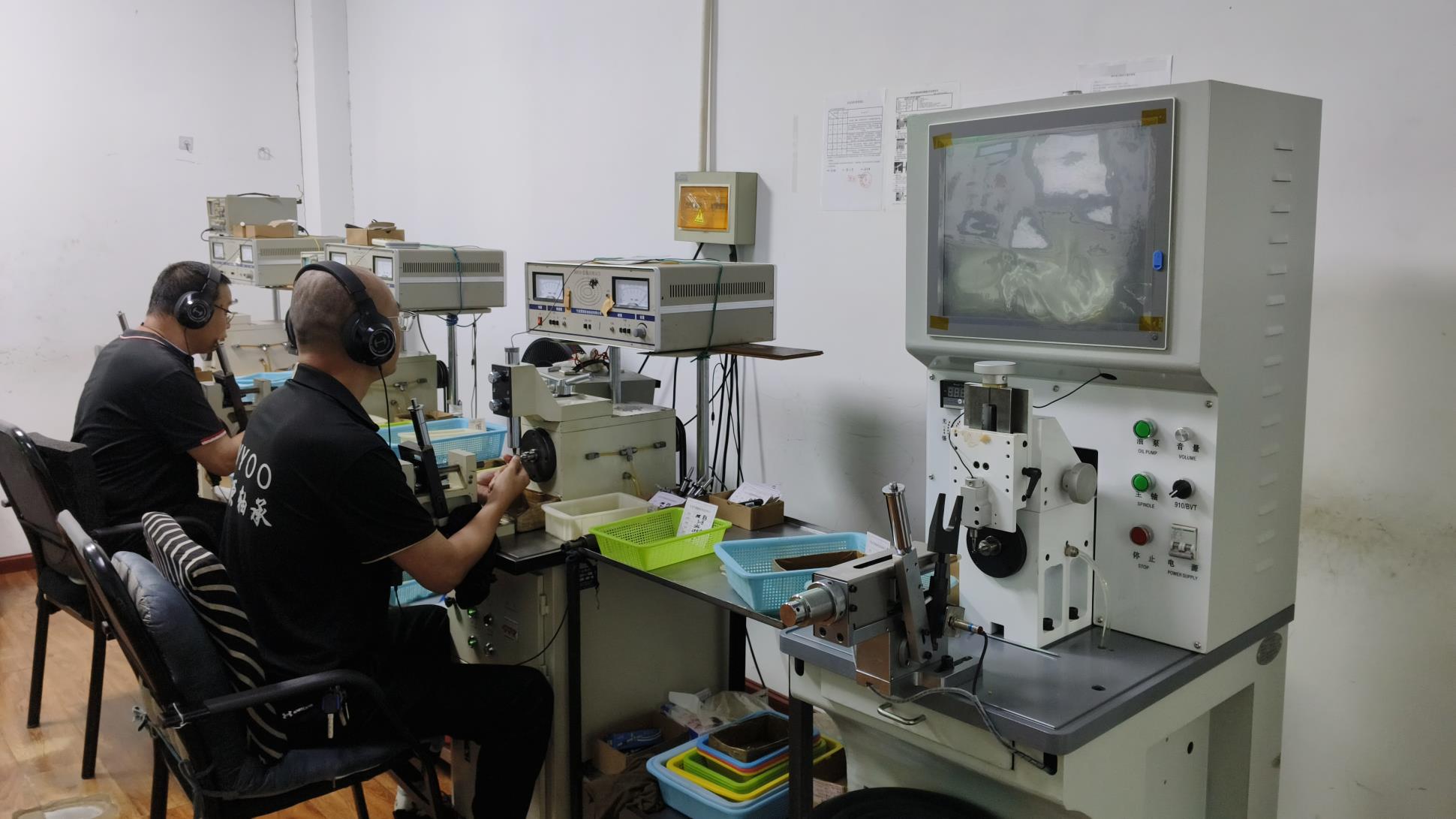
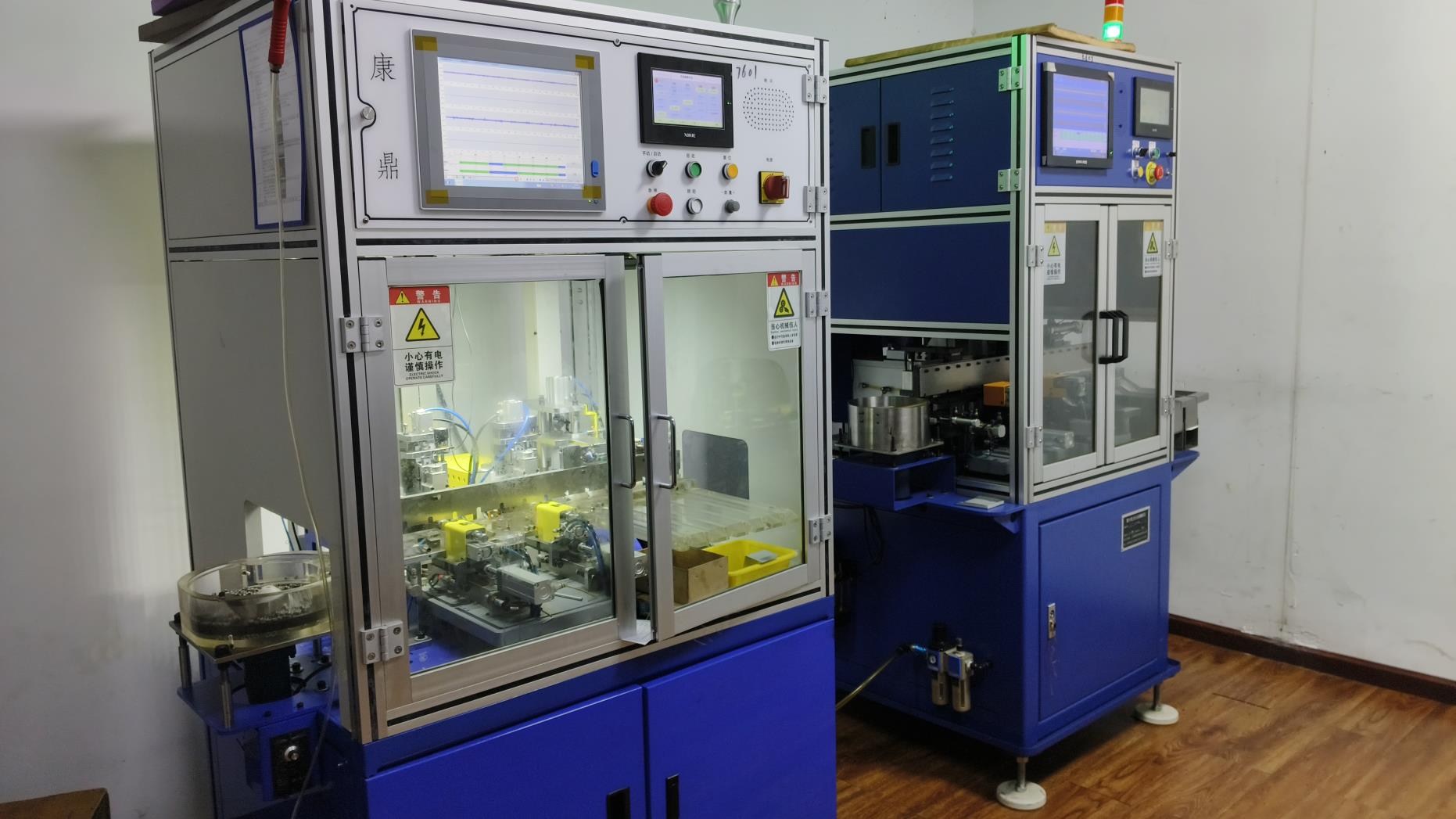
Global original equipment manufacturers (OEMs) and systems integrators face multi-dimensional challenges. In addition to meeting targeted pricing indexes, passive magnetic components must operate reliably within environments characterized by severe thermal stress, vibration, and damp heat. To meet these high expectations, our R&D initiatives focus heavily on addressing key engineering pain points:
Integrating these premium standards reduces structural failure rates to less than 2 parts per million (PPM), giving our enterprise partners peace of mind and reducing lifetime warranty claims.
Iterative numerical solvers predict thermal behaviors and magnetic saturation zones under complex high-density dynamic loads.
From double-wall export boxes to moisture-impermeable vacuum sealing, our packaging protocols safeguard electromagnetic components from moisture and physical shocks.
We believe that delivering world-class products requires equally robust customer support and logistics reliability. Working with leading logistics partners, we ensure safe door-to-door delivery, handling complex customs clearances and tariff classifications smoothly.
For custom engineering projects, our Field Application Engineers (FAEs) provide direct support, assisting with prototype verification, PCB layout optimization, and EM/EMC qualification testing. We offer rapid design iterations, with customized samples typically dispatched within 7 to 10 working days, helping speed up your design cycle.
Expert answers addressing the critical parameters, trade compliance, and mechanical designs required by global industrial buyers.
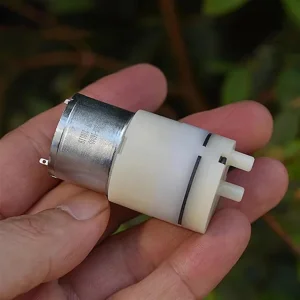
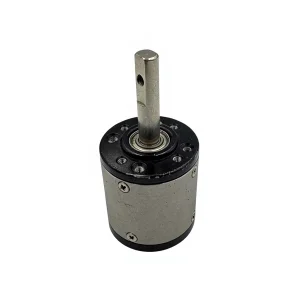
Integrated manufacturing that delivers mechanical and electromagnetic synergy across rotating components, miniature pumps, and precision planetary reductions.
 TorqPro Motor