The global shift toward renewable energy integration, carbon neutrality, and modernized smart grids has placed unprecedented demand on power transmission systems. As grids expand to accommodate wind, solar, and distributed energy resources, industrial power transformers serve as the indispensable hub of electrical transformation. Currently, the international market is witnessing a transition from traditional manual grid management to automated, digitally-integrated step-down and step-up stations.
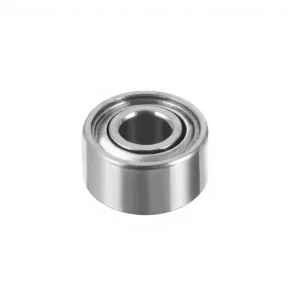
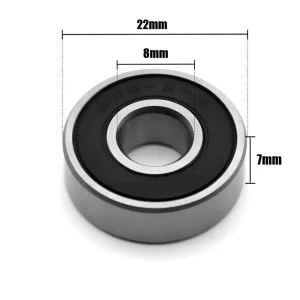
These massive electrical setups require more than just primary copper windings and silicon steel cores; they rely heavily on high-precision mechanical control components, micro-drives for automated tap changers, cooling pumps for temperature control, and rugged bearings capable of withstanding constant electromagnetic vibrations. Suppliers who understand the synergy between heavy-duty electrical design and micro-mechanical engineering are leading the current global industrial supply chain.
When engineering firms and procurement teams evaluate the top global transformer exporters, they prioritize high-tier manufacturing standards, material integrity, and strict adherence to international safety standards (IEEE, IEC, and ANSI). The following core benchmarks distinguish industry leaders:
Top-tier suppliers utilize high-grade oriented silicon steel sheets with low iron loss and high magnetic permeability, minimizing load-free energy dissipation.
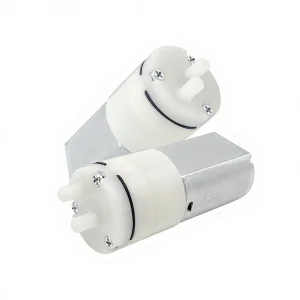
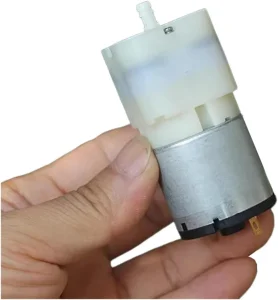
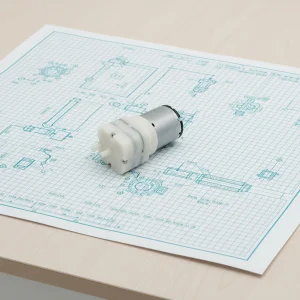
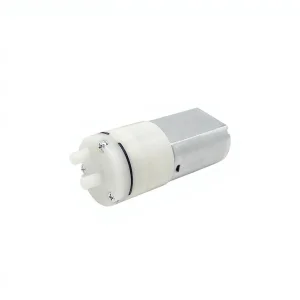
Optimized cooling channels driven by micro DC vacuum pumps and heavy-duty blowers ensure stability under extreme operational loads.
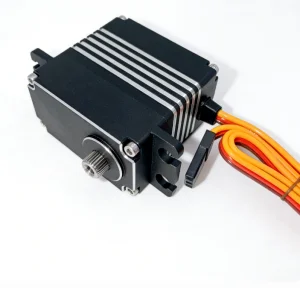
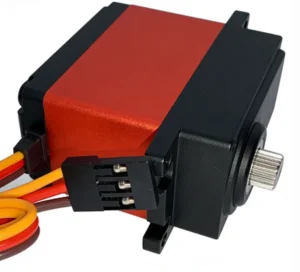
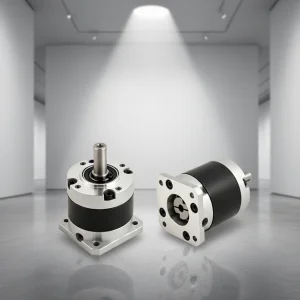
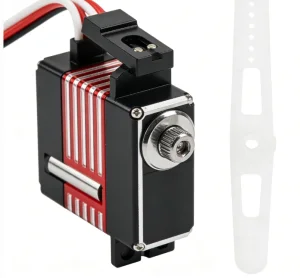
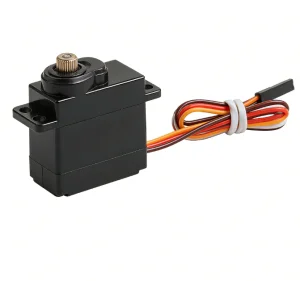
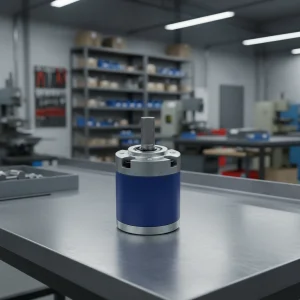
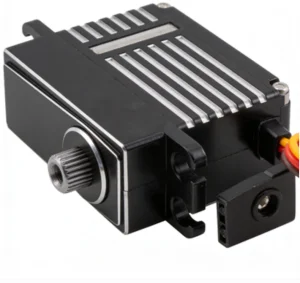
On-load tap changers (OLTC) operated by advanced planetary gearboxes and precision digital servos enable real-time voltage adjustments.
China has solidified its position as the global hub for electrical component manufacturing, offering significant advantages in supply chain integration and cost efficiency. The efficiency of a top-tier Chinese factory lies in its localized ecosystem, where raw copper processing, silicon steel cutting, and precise motor component fabrication happen within a unified hub.
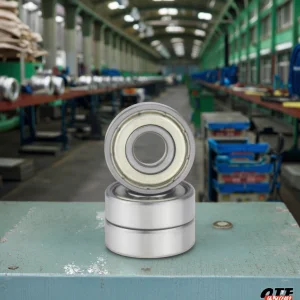
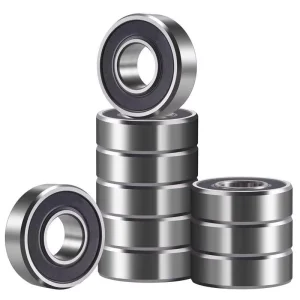
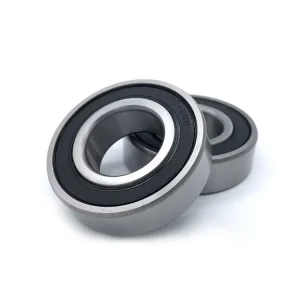
At TorqPro Motor, we leverage these advantages to design and manufacture the micro-drives, high-precision bearings, and cooling system pumps that keep heavy-duty transformers and industrial automation running smoothly. By integrating ultra-precision grinding processes and digital test parameters directly into our assembly lines, we match the strict compliance requirements of Western European and North American buyers while offering competitive Chinese industrial pricing.
Every groundbreaking smart device needs a reliable pulse. TorqPro Motor designs and manufactures high-efficiency micro-drives that serve as the invisible, robust core inside next-generation robotics, smart home applications, and aerospace medical tools worldwide.
We operate on a simple philosophy: Engineered to last. Built to fit. By blending advanced automation with a passion for micro-engineering, TorqPro Motor provides global B2B clients with the transparency of a local engineering partner and the massive scale advantages of a top-tier Chinese factory. We don't just sell motors; we build the core axis that keeps your business moving forward.
 Aperture Detector Testing
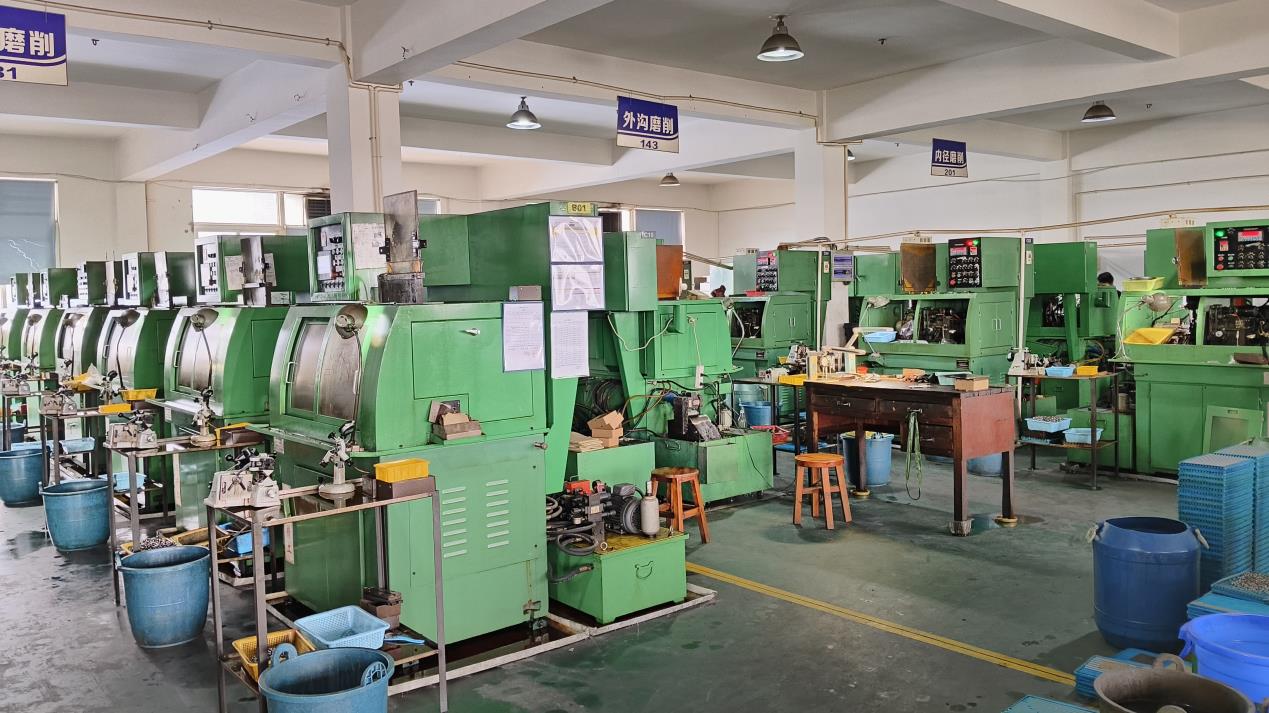
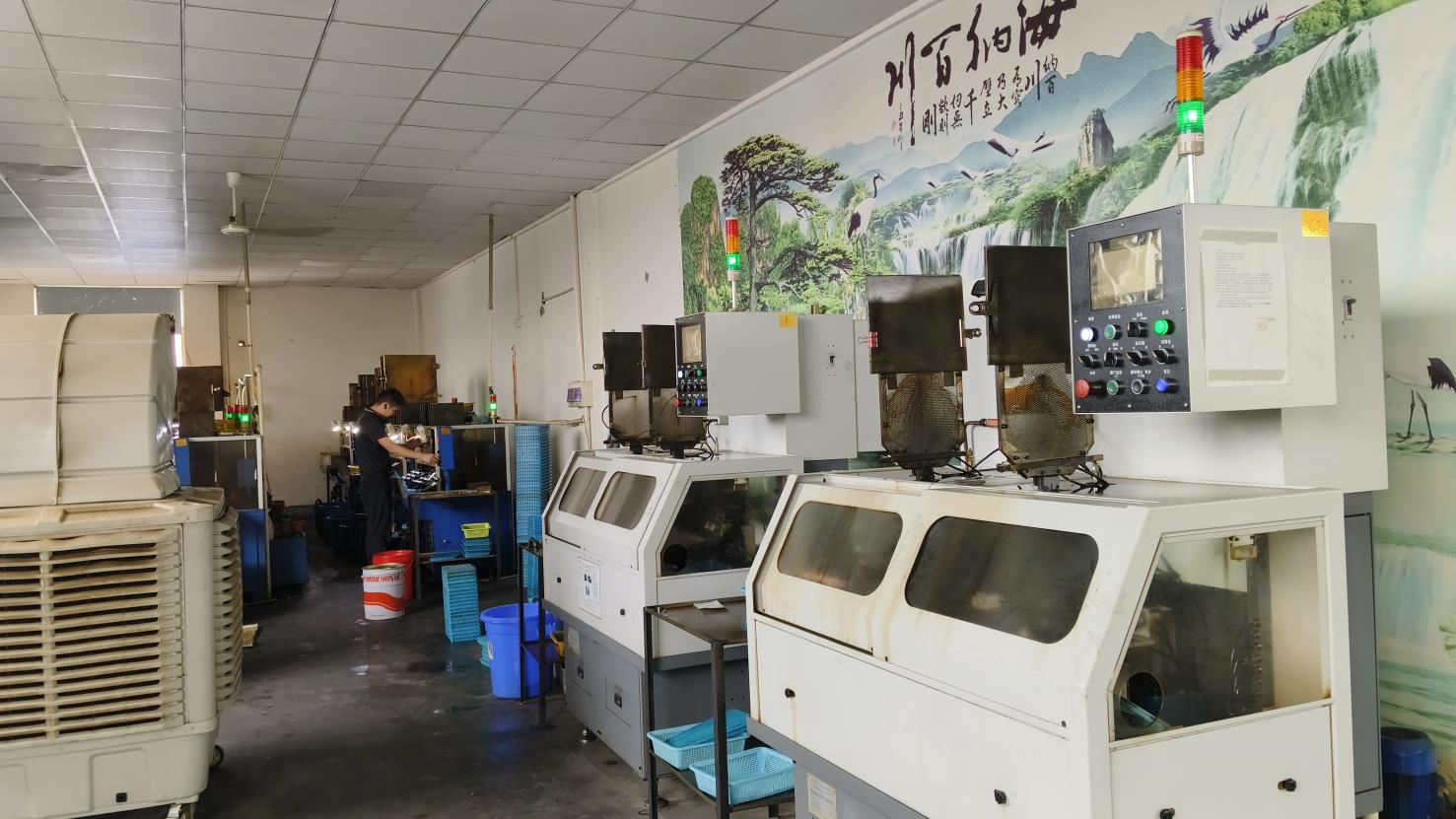 Ultra Precision Grinding
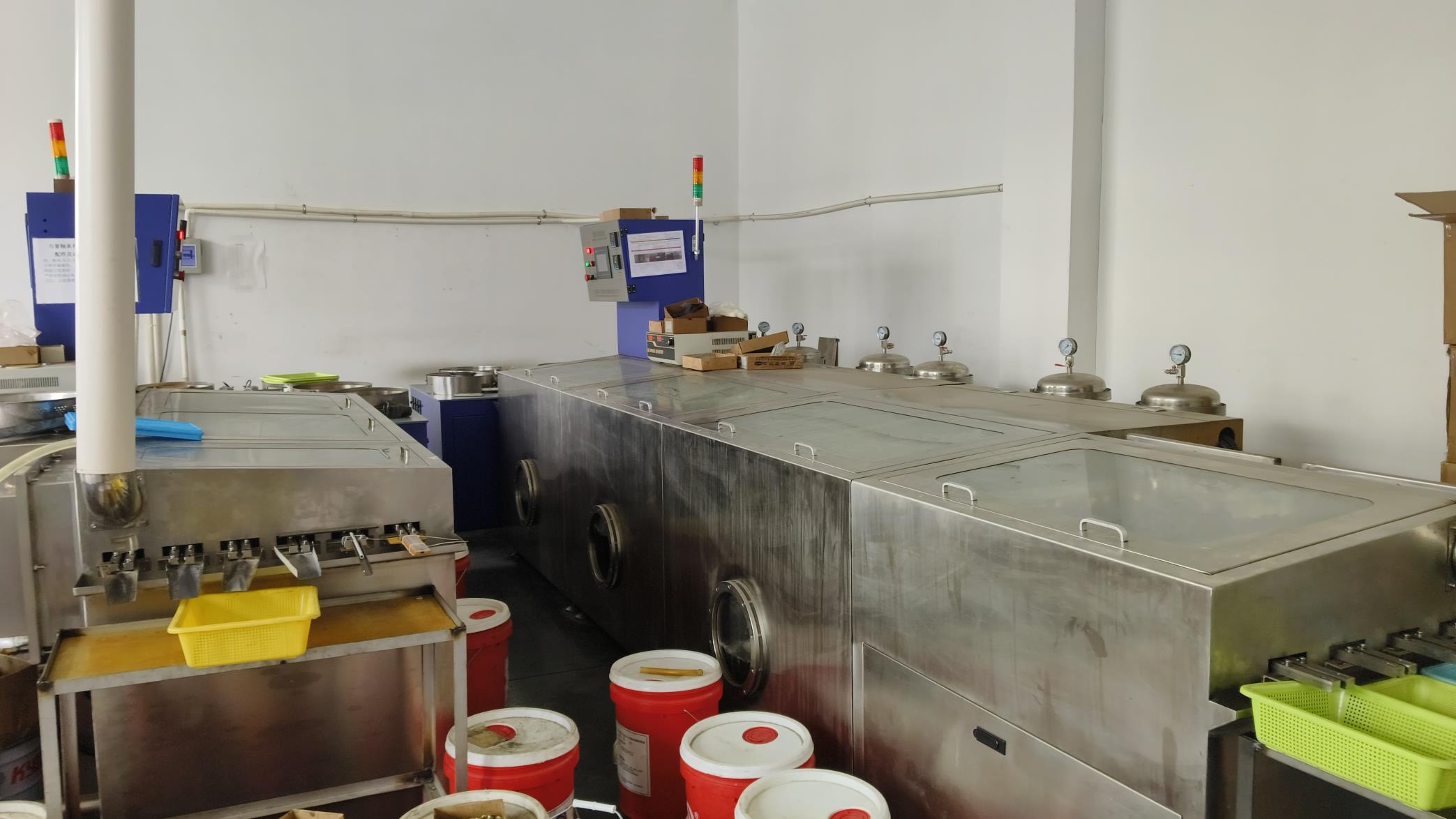 Industrial Cleaning
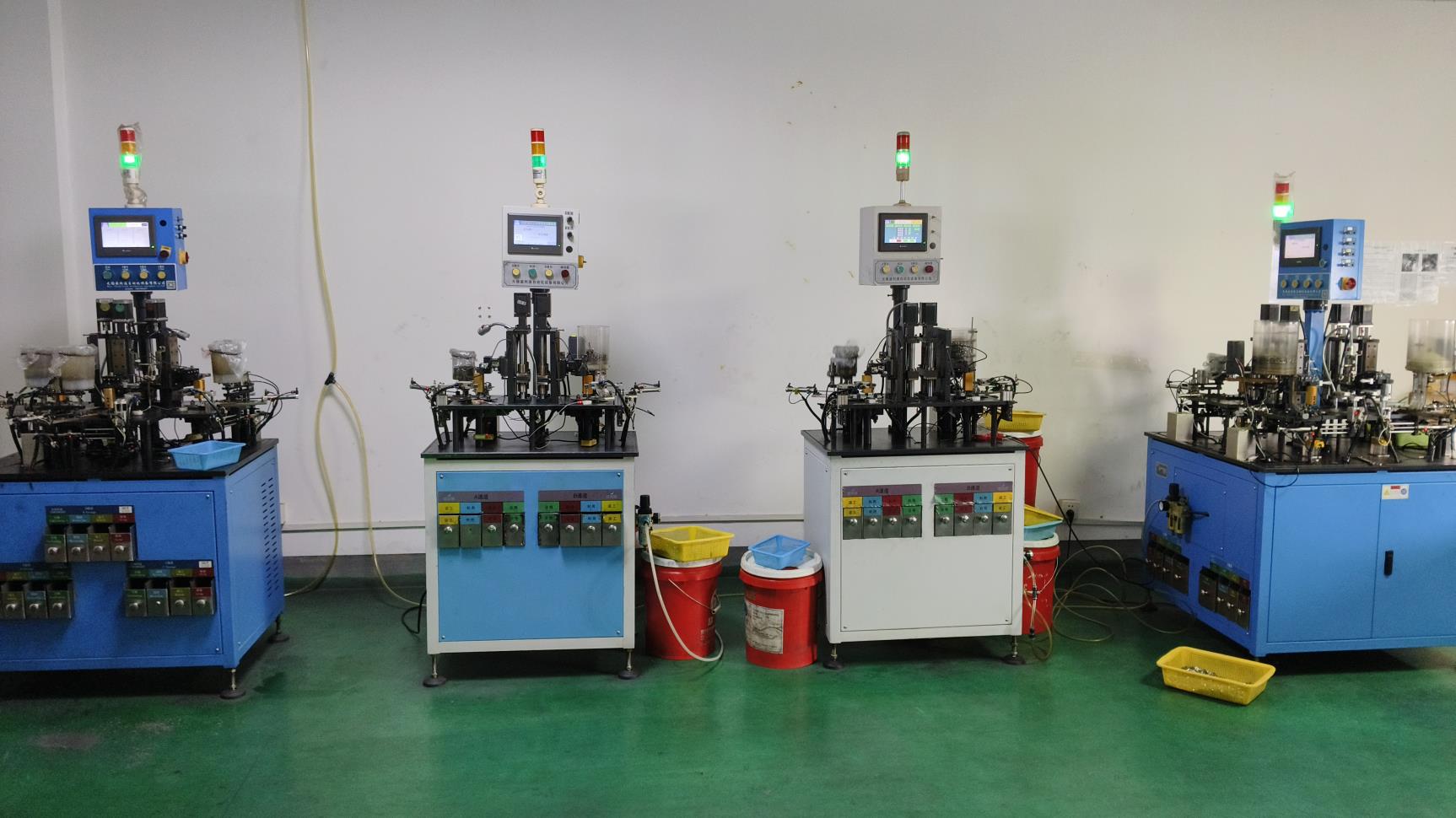
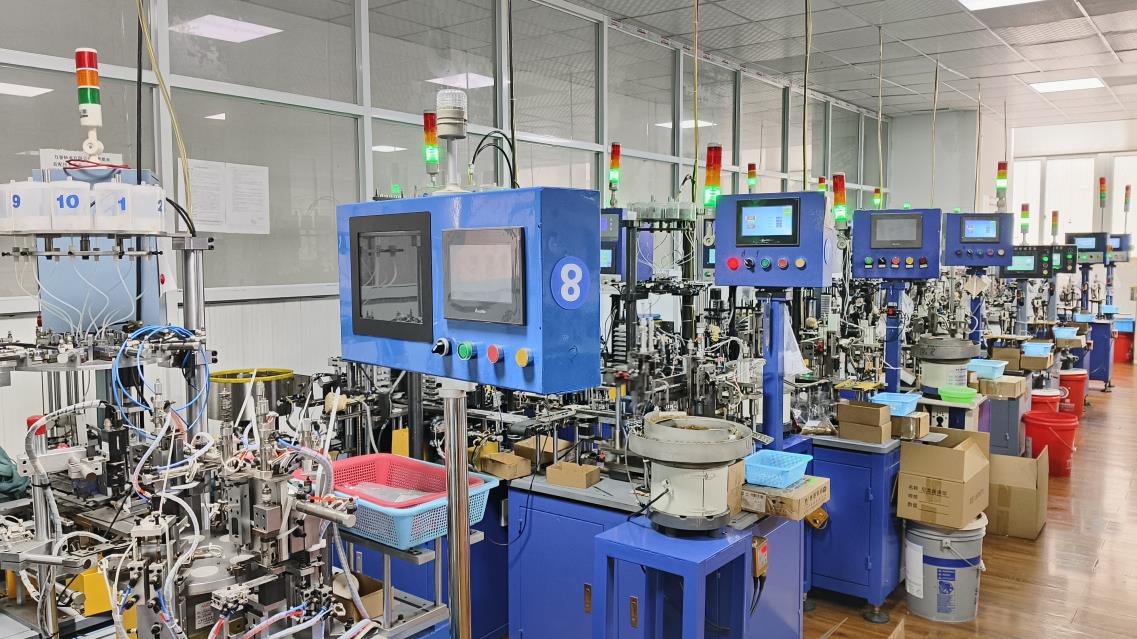 Precision Assembly
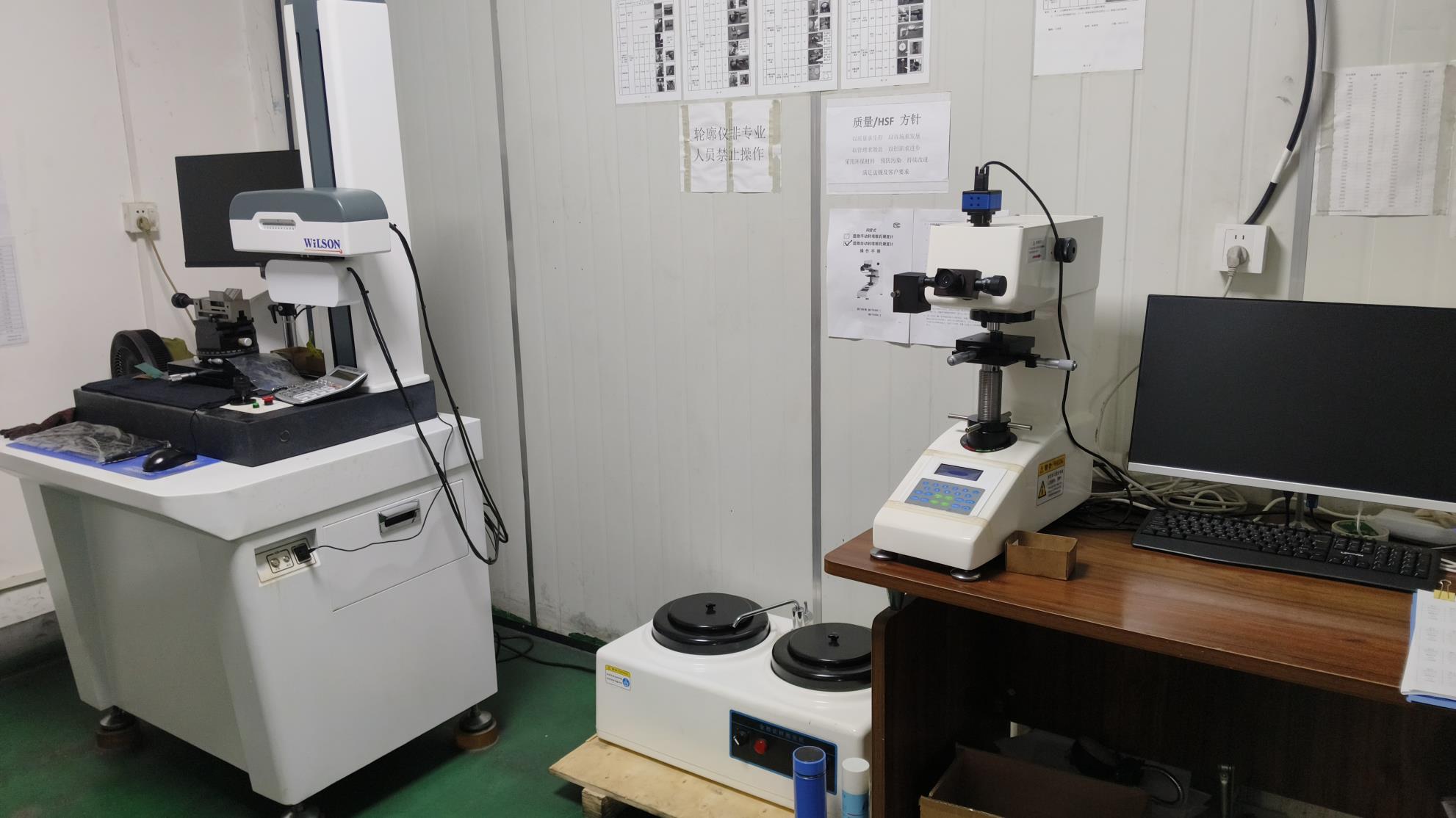 Parameter Tester Testing
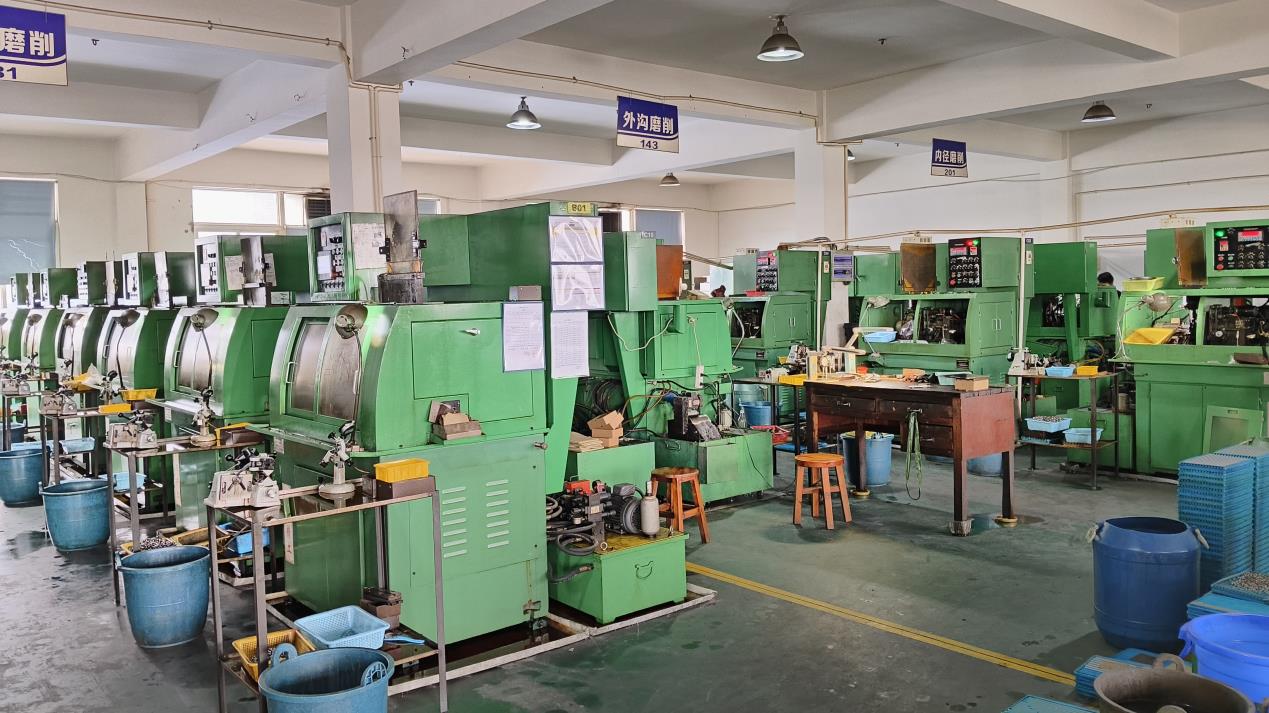 CNC Grinding Station
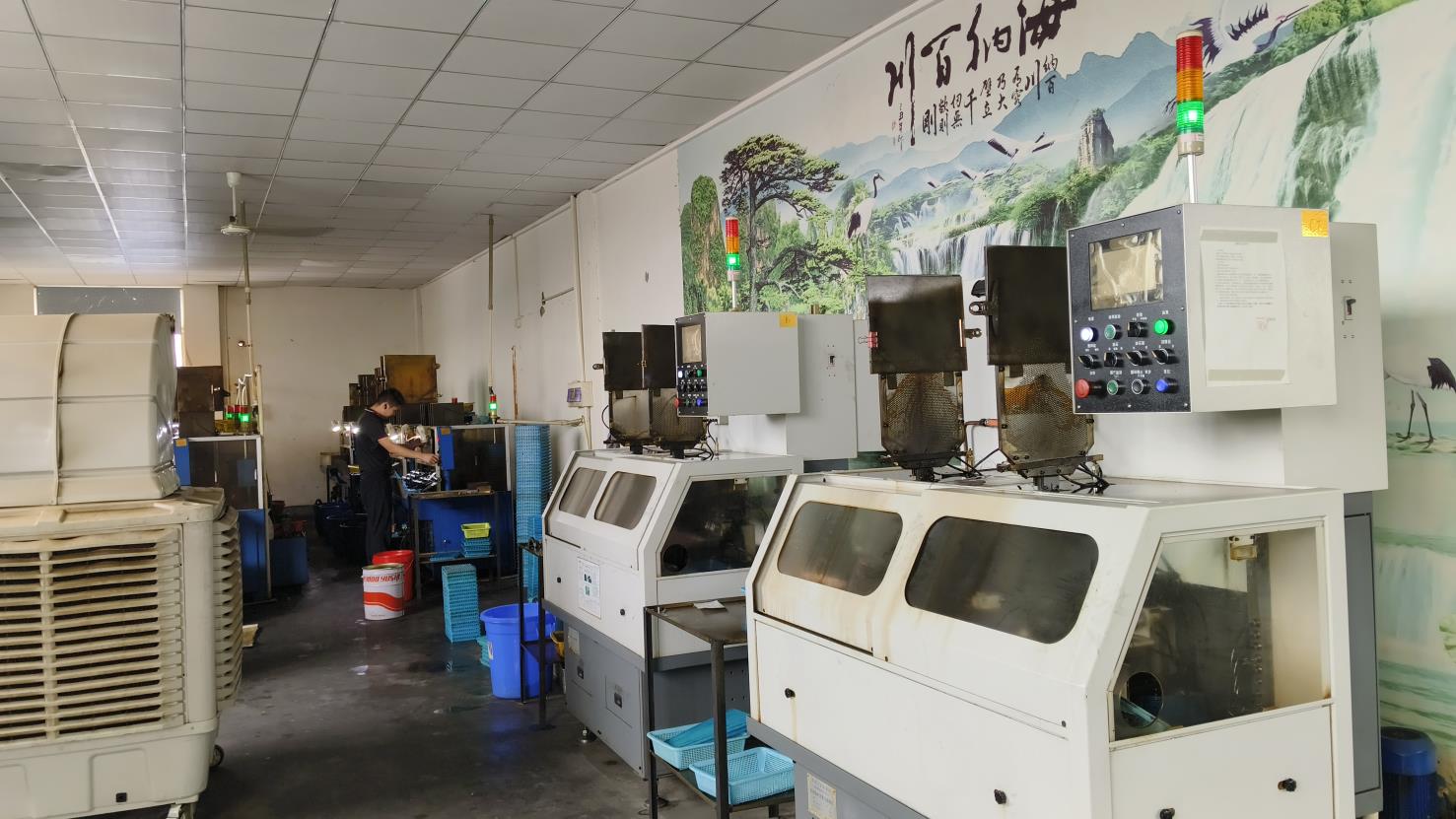 Ultra Precision Grinder
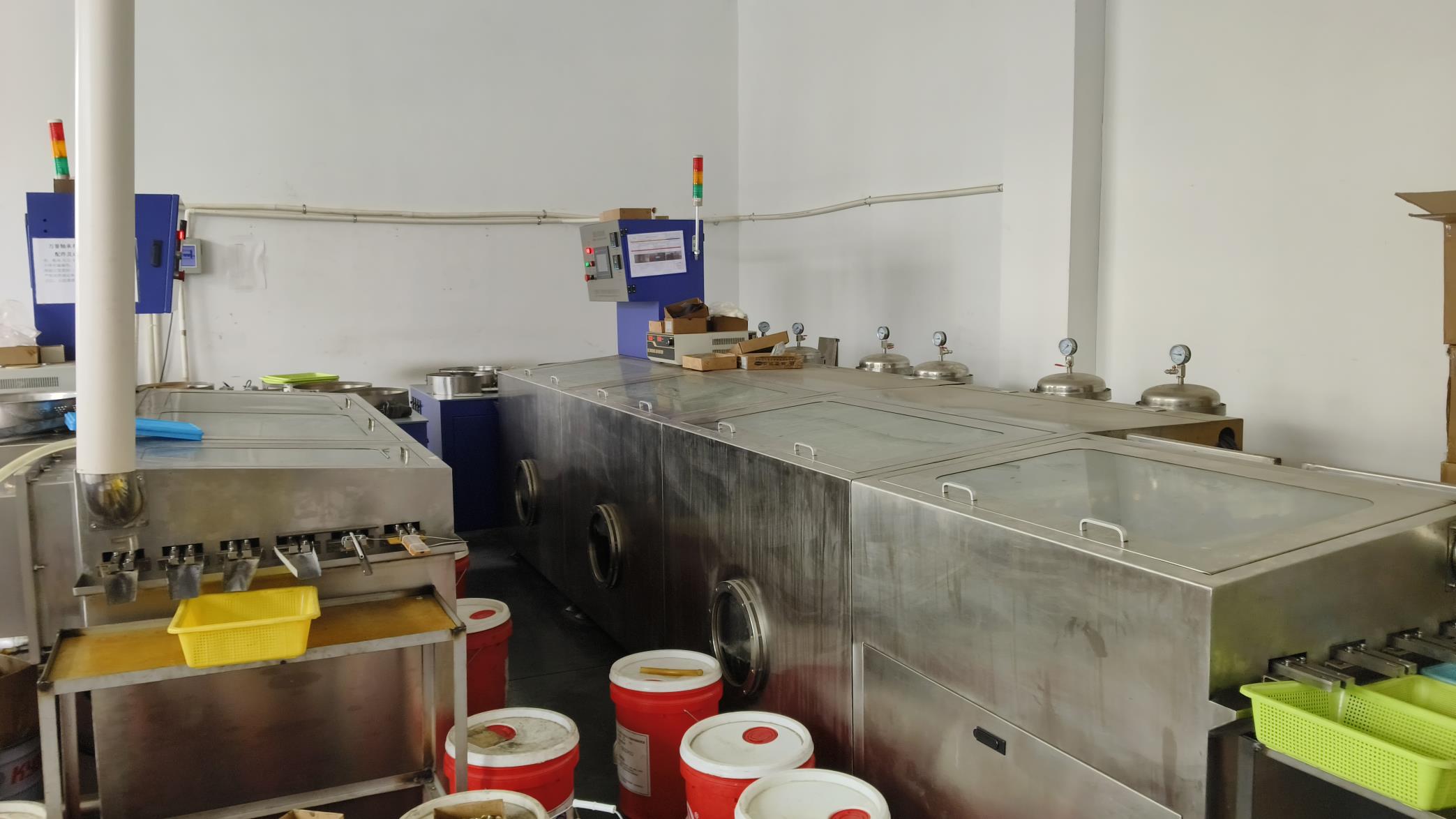 Automated Cleaning Machine
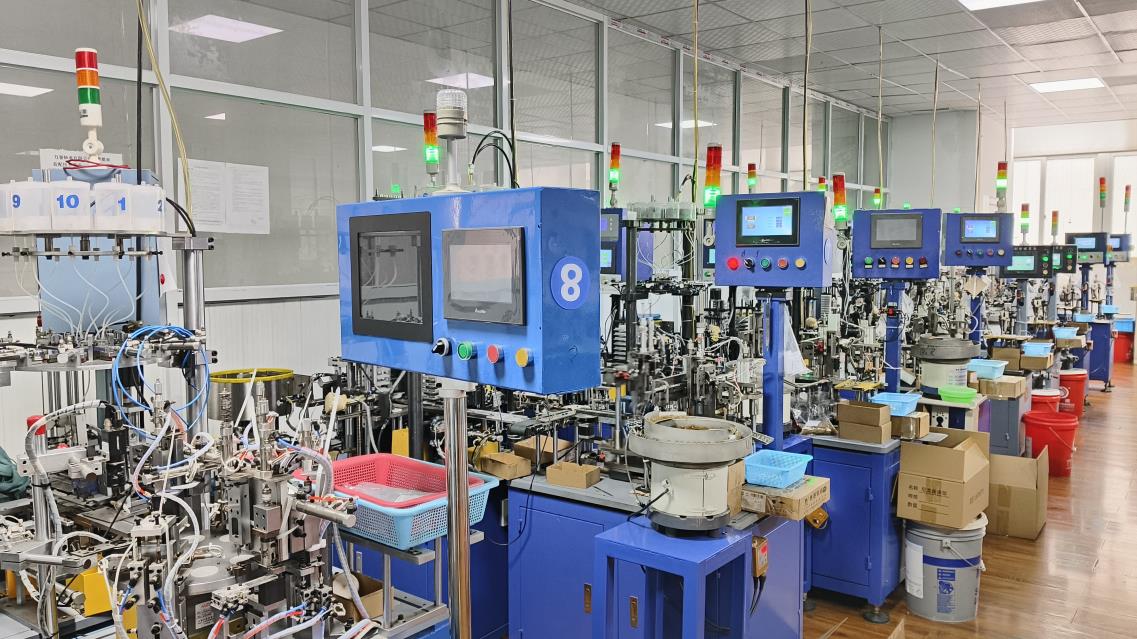 Assembly Line Tech
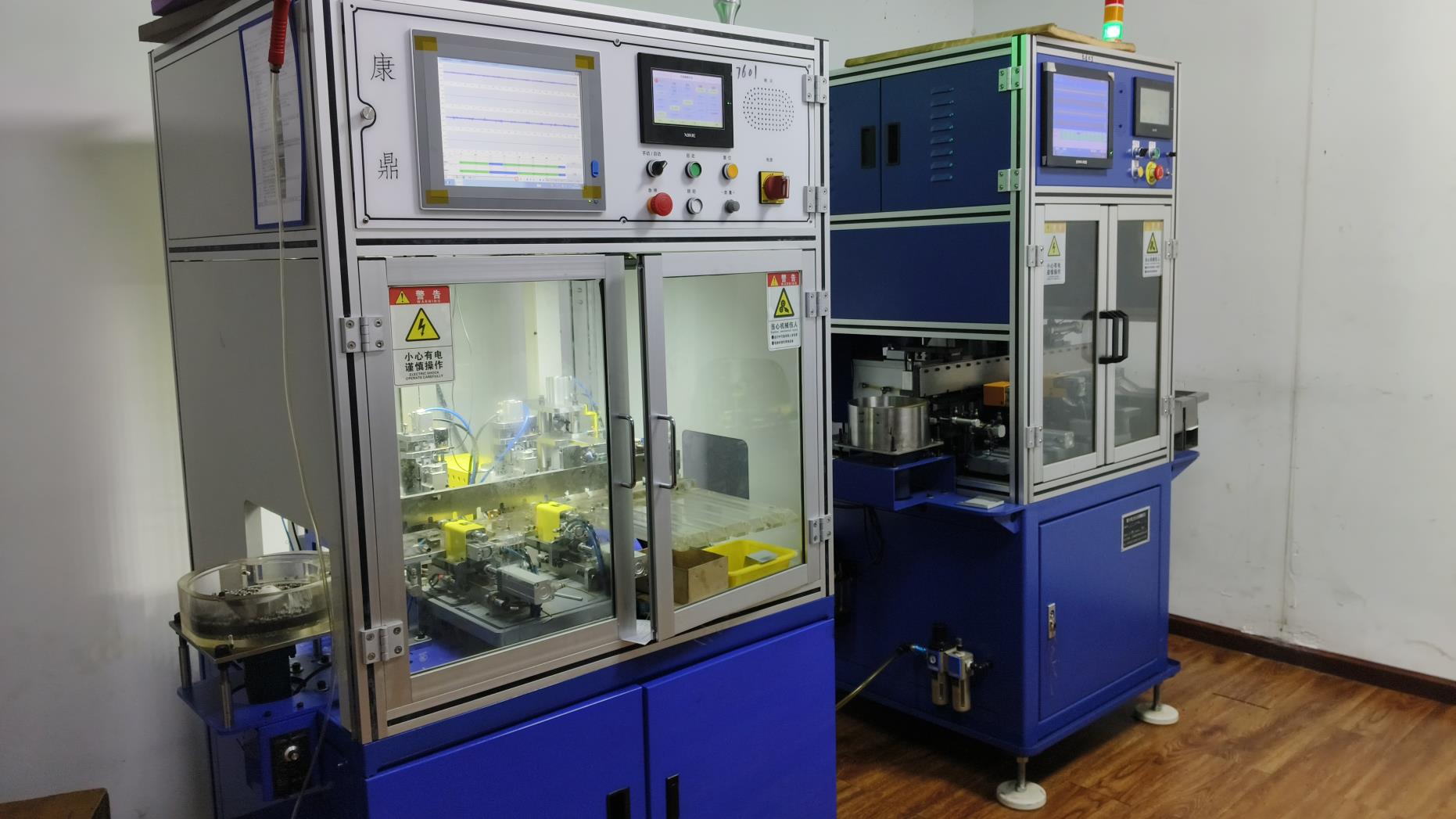 Visual Inspection
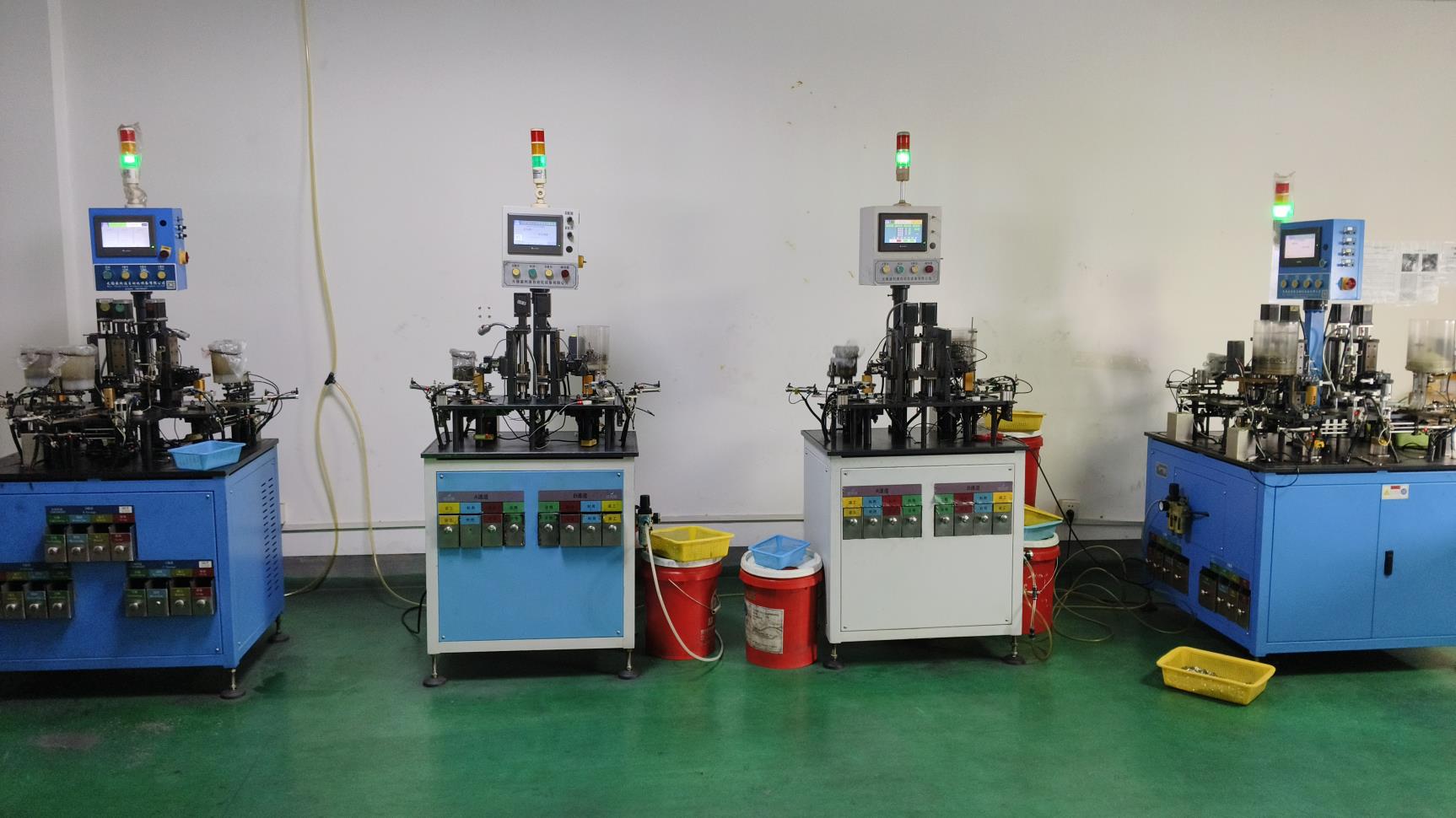 Aperture Detector Unit
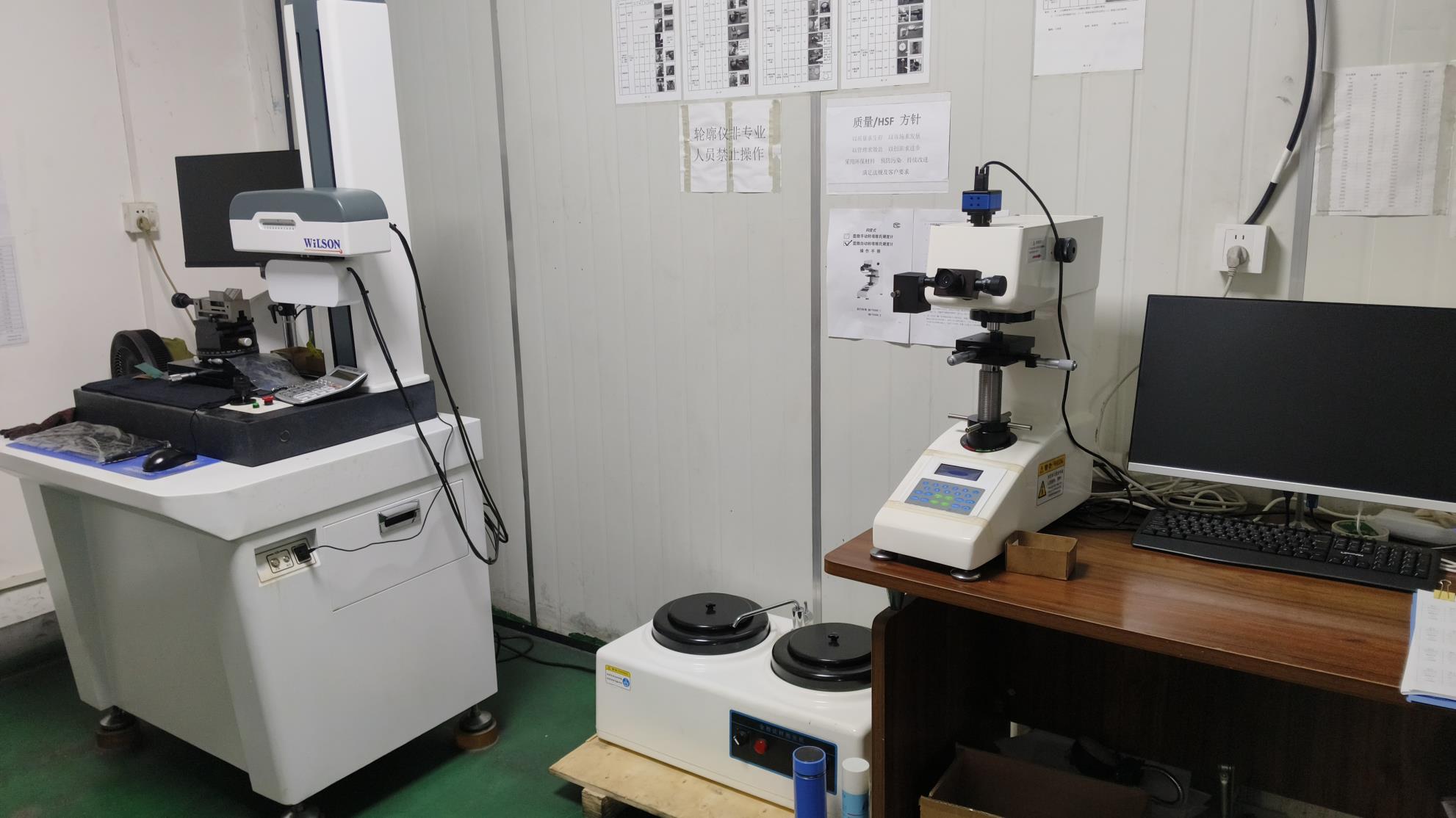 Dynamic Parameter Tester
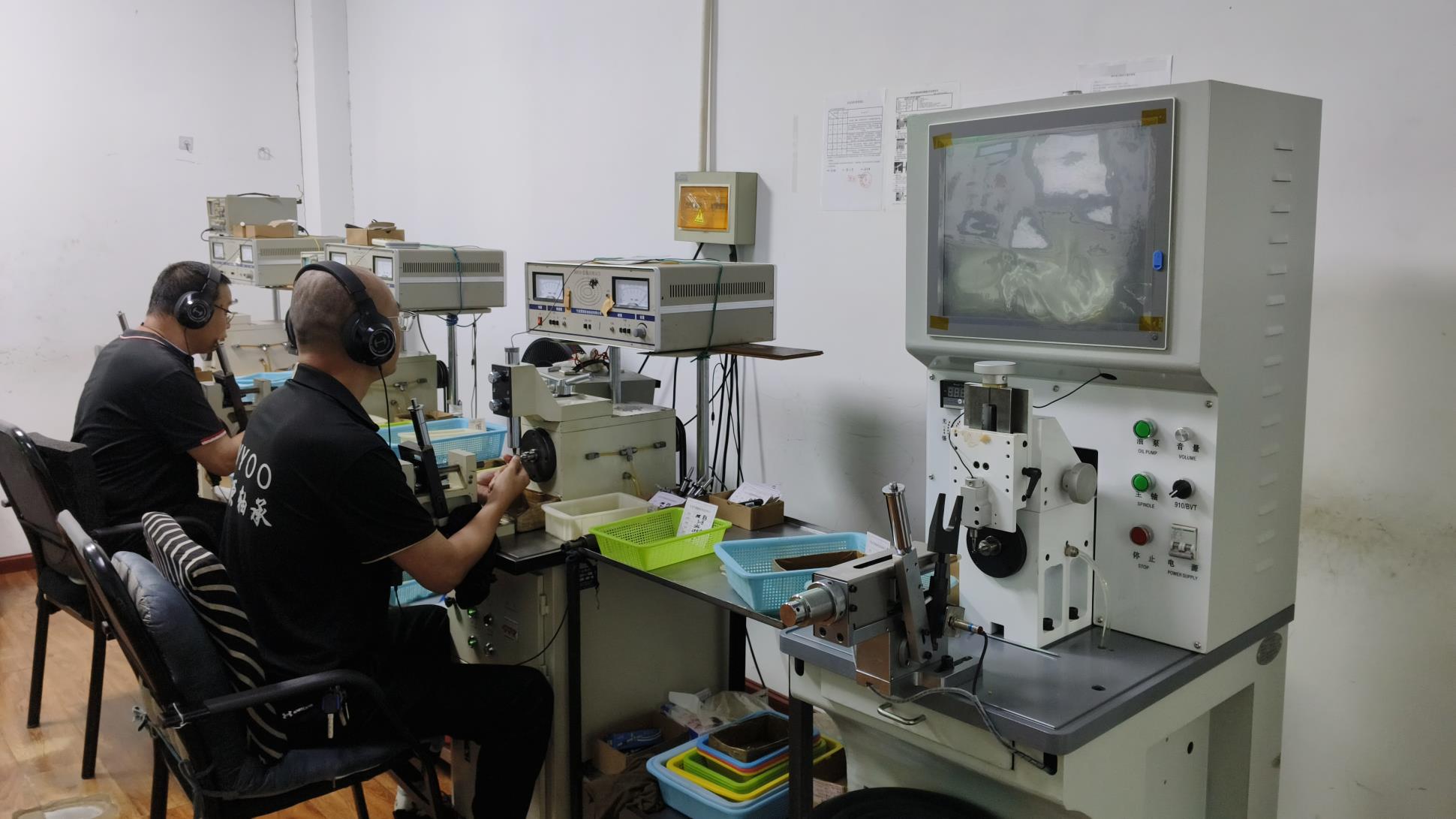 Noise & Decibel Analyzer
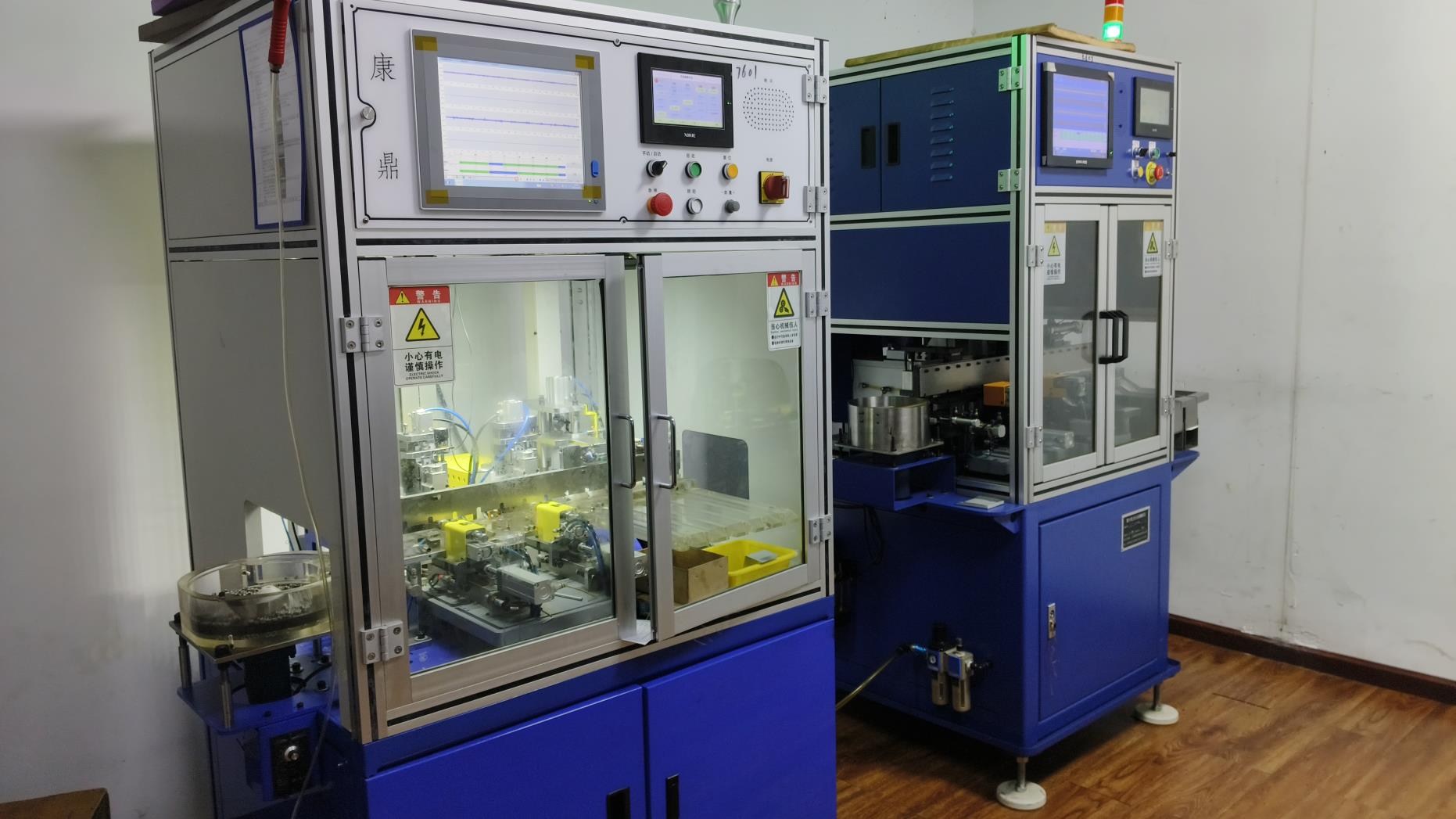 Auto Decibel Inspector
Industrial components cannot follow a one-size-fits-all approach. Global environments present severe operational stresses that require structural customizations:
Modern B2B purchasing processes have shifted from transactional sourcing to long-term collaborative engineering agreements. Industrial buyers prioritize components with a low Total Cost of Ownership (TCO), guaranteed supply timelines, and validated design specifications.
There is also an increasing focus on modularity. Buyers are actively sourcing combined modules (such as custom speed reducers paired directly with digital servo drivers) rather than individual components to streamline their assembly stages. Managing quality-control steps like decibel noise verification and automated dimensional testing ensures that every imported element integrates into the grid without structural delays.
 TorqPro Motor