High-efficiency micro servos, premium ceramic bearings, and specialized pumps powering automated industrial strainer valves and control mechanisms.
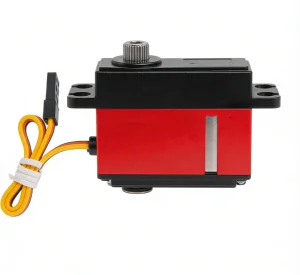
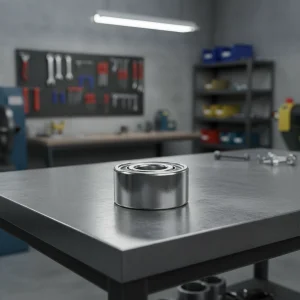
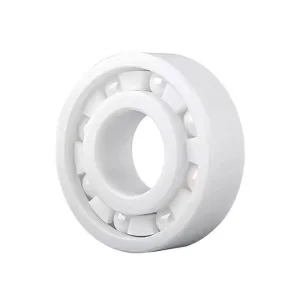
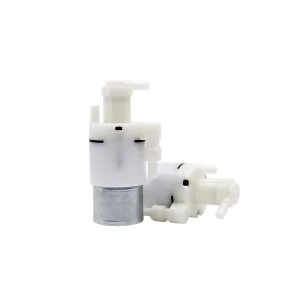
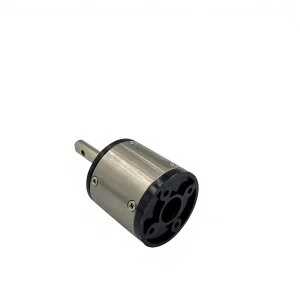
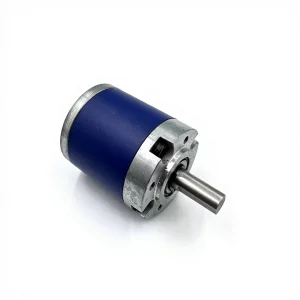
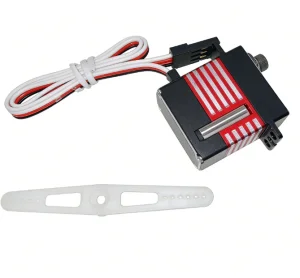
Providing macro solutions that transition fluid management from passive mesh separation to intelligent, automated self-cleaning systems.
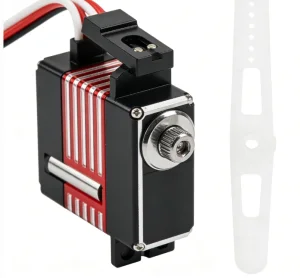
Modern plants demand non-stop operation. Self-cleaning strainers use differential pressure (DP) monitors and high-speed coreless servos to actuate backwash cycles without line shutdown.
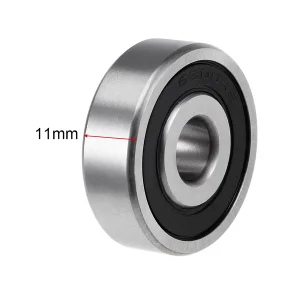
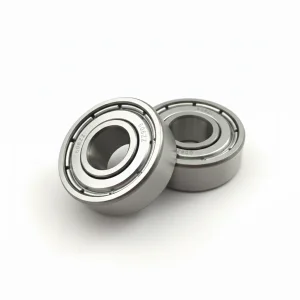
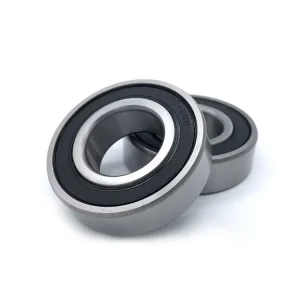
By utilizing premium hybrid ceramic bearings and all-metal micro-gearboxes, internal rotational strain elements resist aggressive chemical treatment and high saline environments.
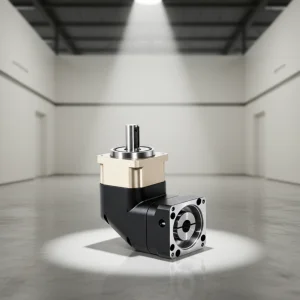
Integration of brushless DC motor planetary gearboxes allows strainers to feed system status to centralized PLC grids, enabling predictive maintenance schedules.
Industrial filtration is experiencing a technological renaissance. Traditional simplex basket strainers and standard Y-strainers are increasingly being optimized with automated motorized configurations to decrease manual labor risks and environmental exposure. As global manufacturing demands higher uptime, the core mechanical components—such as automated valves, gearboxes, motors, and bearings—have become the focal point of innovation for strainer manufacturers worldwide.
The definitive directory of industry leaders, engineering capabilities, and high-performance industrial filtration technologies.
Widely recognized for its high-performance simplex, duplex, and automatic self-cleaning strainers. Eaton leads the global petrochemical and water treatment industries with its highly engineered solutions, specializing in the iconic Model 72 basket strainer and the Eaton DCF-series mechanically cleaned filters.
Parker Hannifin offers robust filtration systems designed for aerospace, marine, and extreme industrial environments. Their customized Y and T-strainers are known for precision sealing, utilizing specialized internal components designed to reduce pressure drops and maintain system integrity.
Watts is a global leader in residential, commercial, and industrial flow control. Their cast iron and bronze Y-strainers are standard components in commercial HVAC and municipal backflow prevention setups, emphasizing ease of maintenance and long service life.
Operating for over a century, Keckley manufactures ASME-certified Y-strainers, basket strainers, and duplex strainers. Known for massive casting capacities and ability to customize alloys (including Monel, Hastelloy, and Titanium) for corrosive chemical processing.
An industry benchmark for steam, water, oil, and gas applications. Mueller's extensive catalog includes simplex and duplex basket strainers, Y-strainers, and temporary cone strainers, often relied upon in critical power generation pipelines.
Specializing in non-metallic thermoplastic fluid control systems. Hayward manufactures strainers in PVC, CPVC, GFPP, and PVDF. They are the ideal choice for aquariums, chemical processing plants, water parks, and semiconductor manufacturing facilities.
Spirax Sarco provides steam system solutions globally. Their robust Y-strainers are essential safeguards for control valves, steam traps, and flow meters, ensuring particulates do not disrupt critical industrial heating and thermal processes.
A family-owned global enterprise, Armstrong provides intelligent system solutions in steam, air, and hot water. Their pipeline strainers protect downstream equipment in institutional, food processing, and chemical refining installations.
Crane is a diversified manufacturer of highly engineered industrial products. Their fluid handling division supplies a complete line of Y, basket, and simplex strainers under brands like Saunders and Jenkins, engineered to perform under extreme pressures.
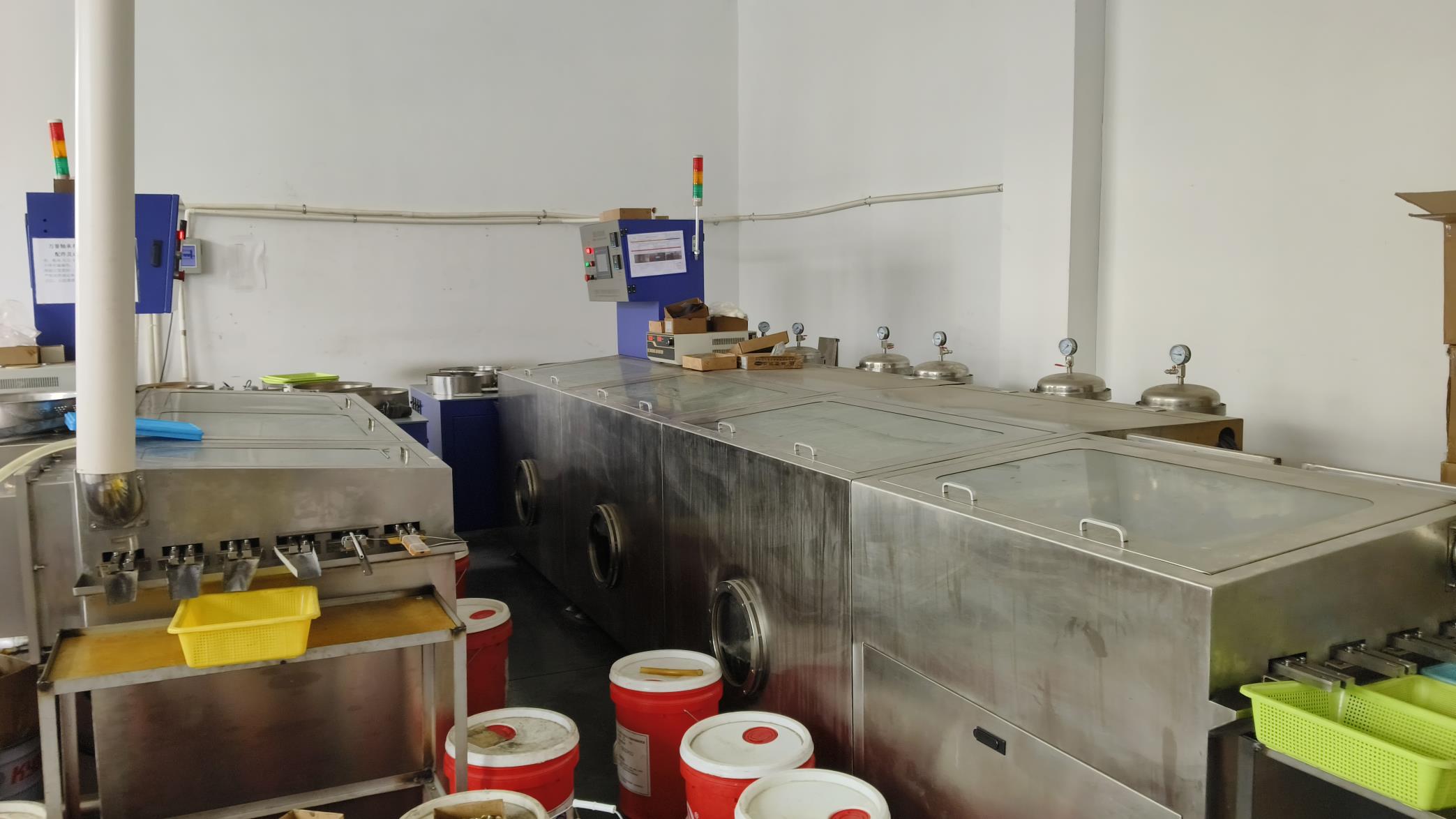
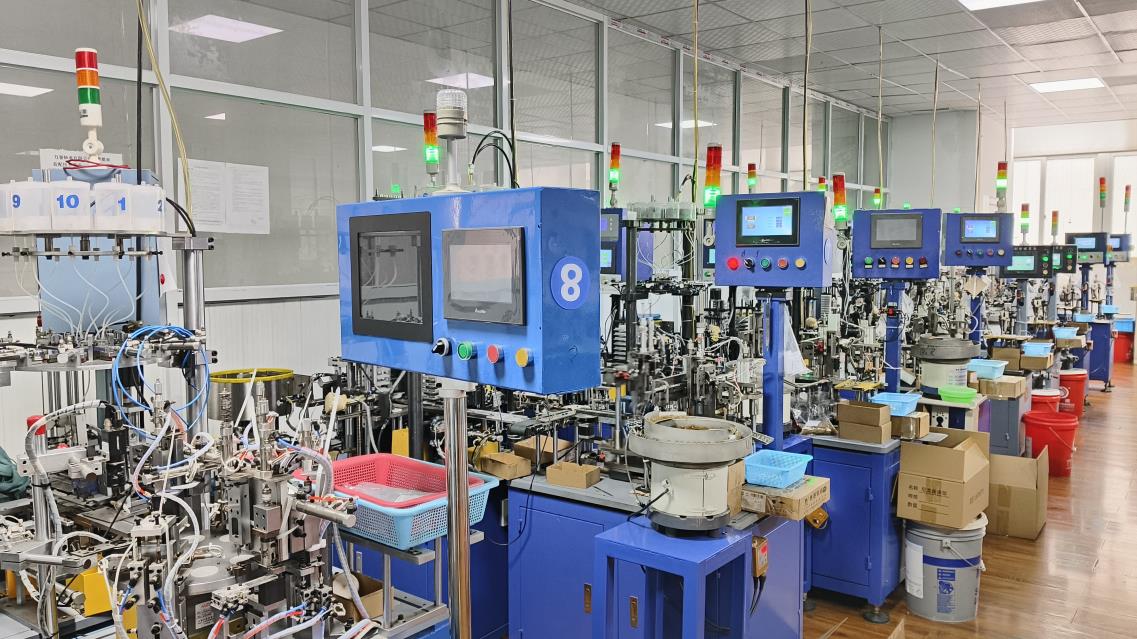
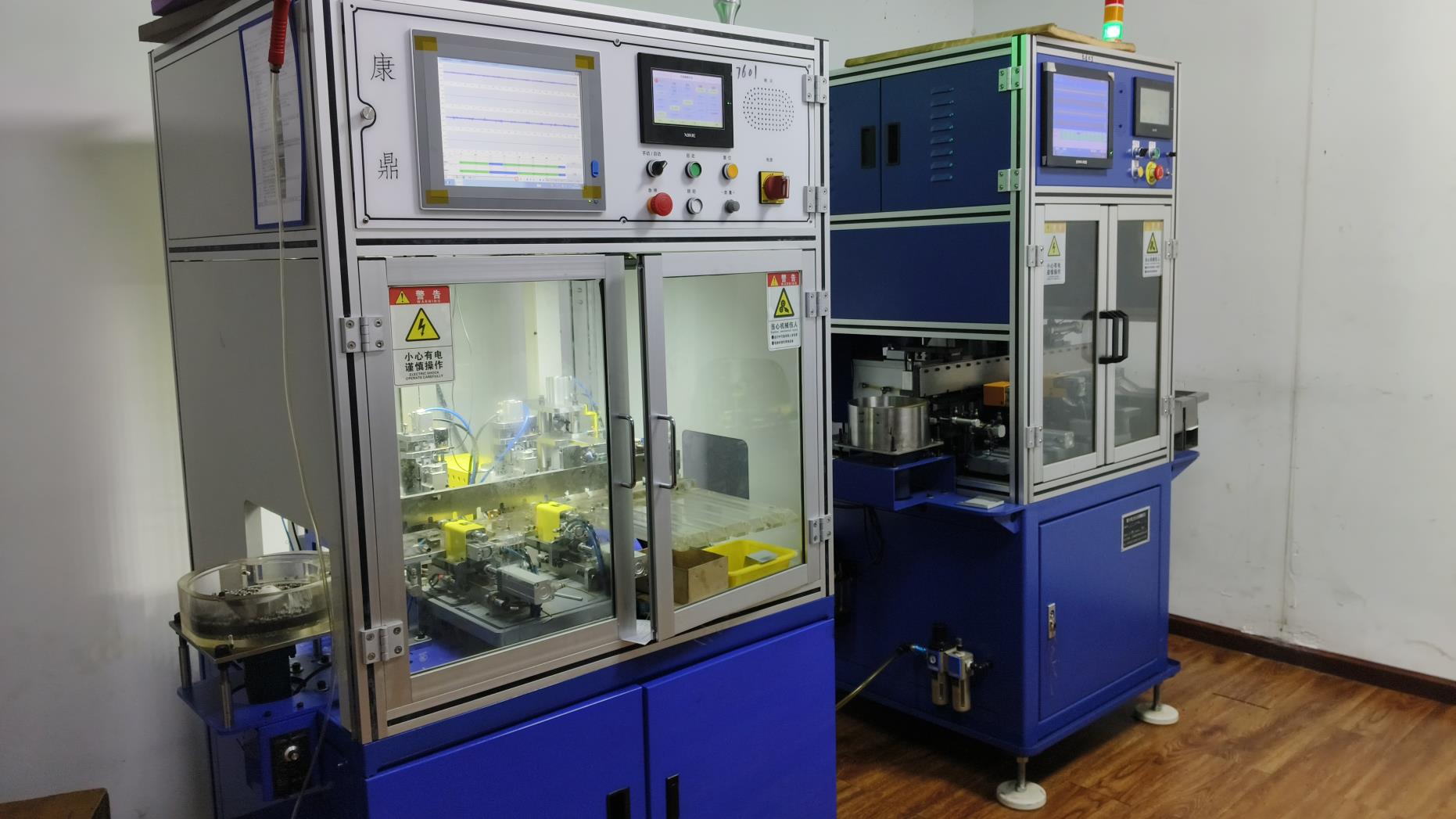
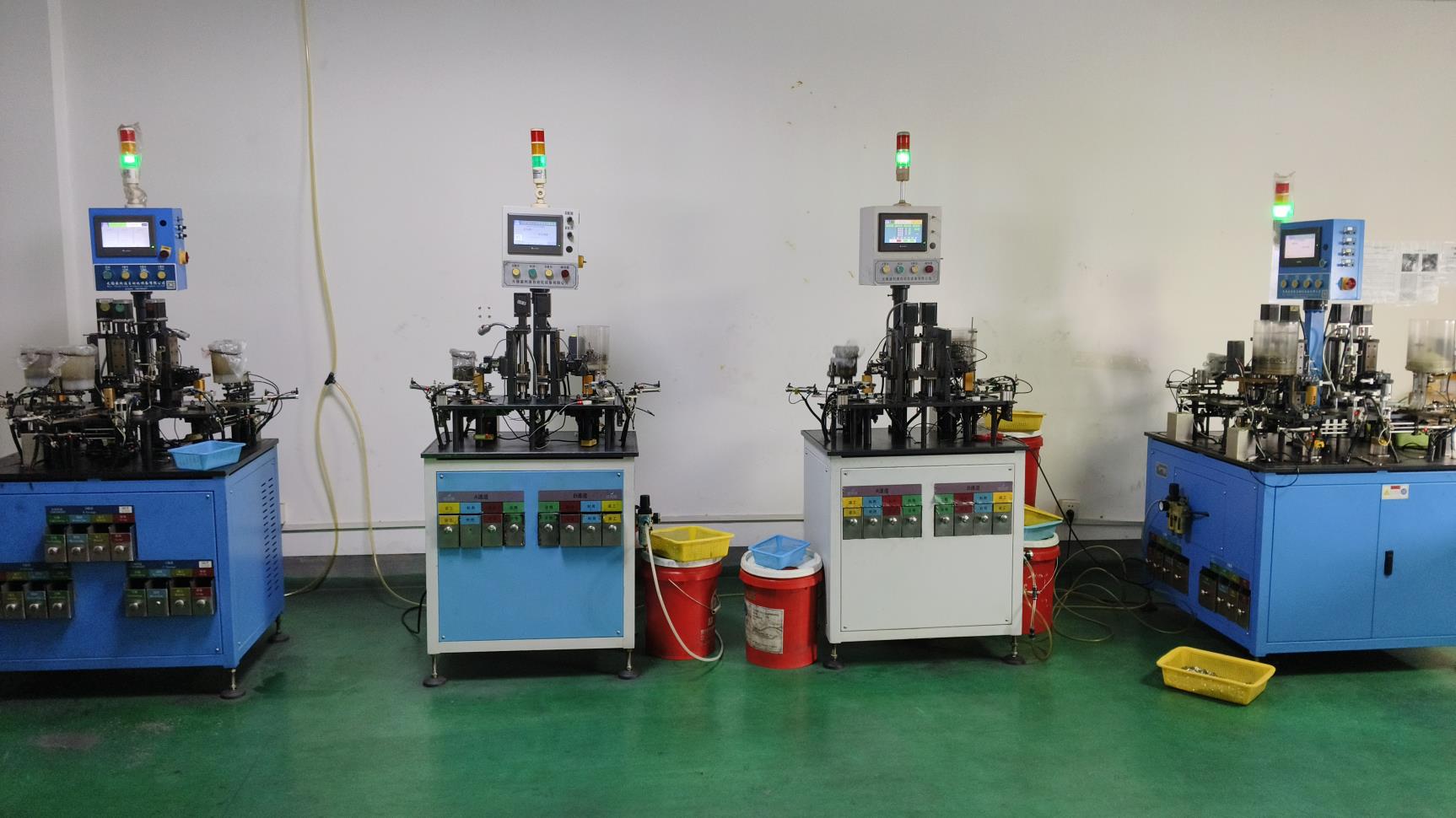
Serving as the ultimate OEM integration partner for motorized strainers. TorqPro designs and manufactures high-efficiency micro-drives, coreless high-speed servos, and precision planetary gearboxes that actuate the self-cleaning scraper and backwash arms inside automated industrial strainers.
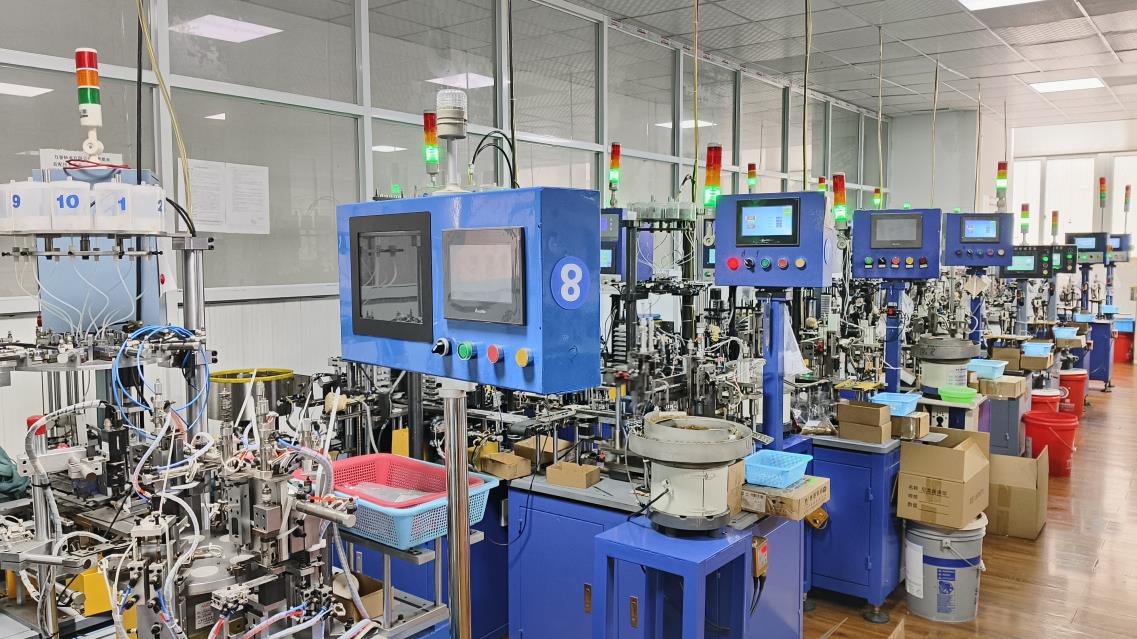
Every groundbreaking smart filtration device needs a reliable pulse. TorqPro Motor designs and manufactures high-efficiency micro-drives that serve as the invisible, robust core inside next-generation automated strainers, robotics, and fluid management systems worldwide.
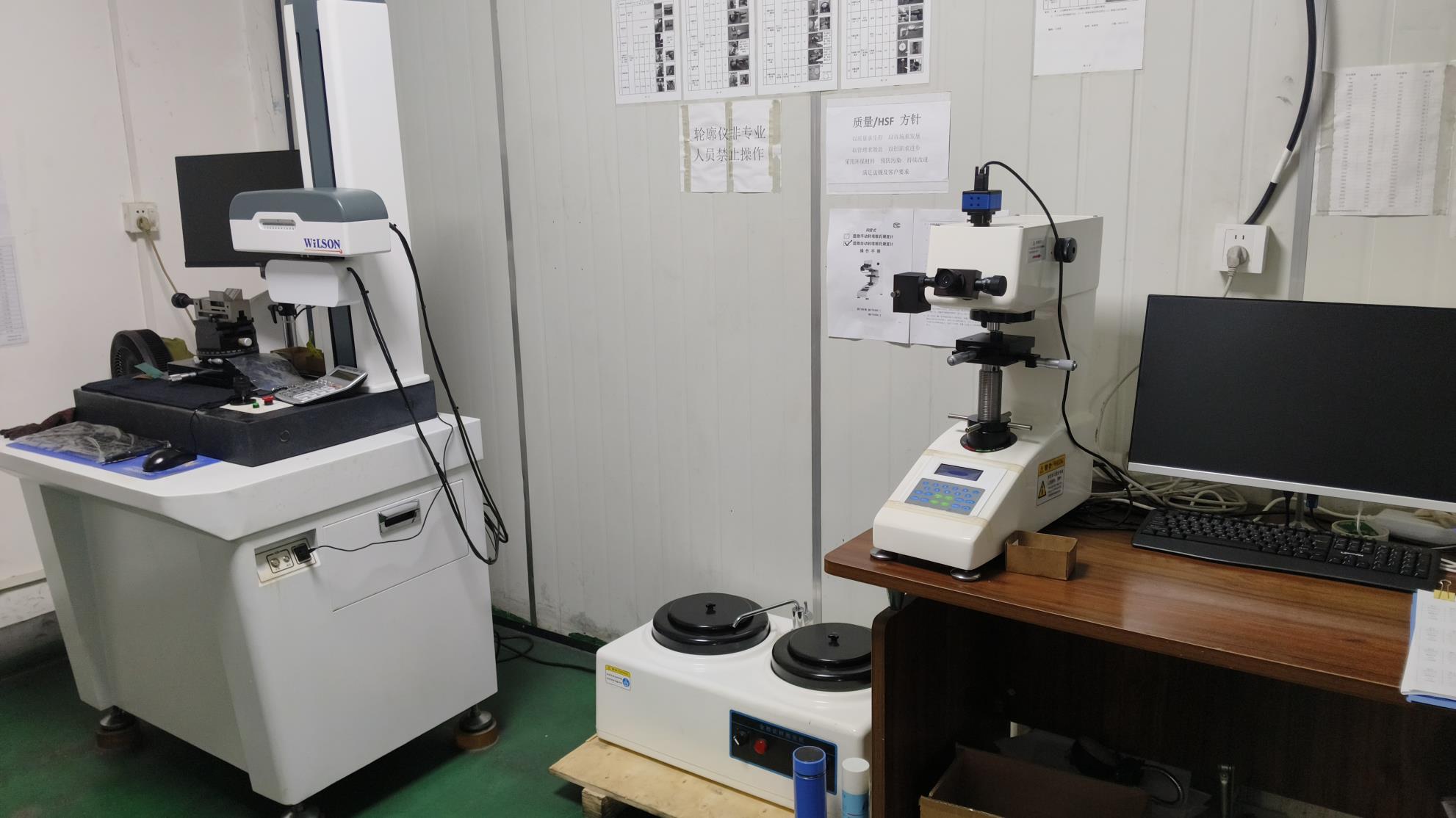
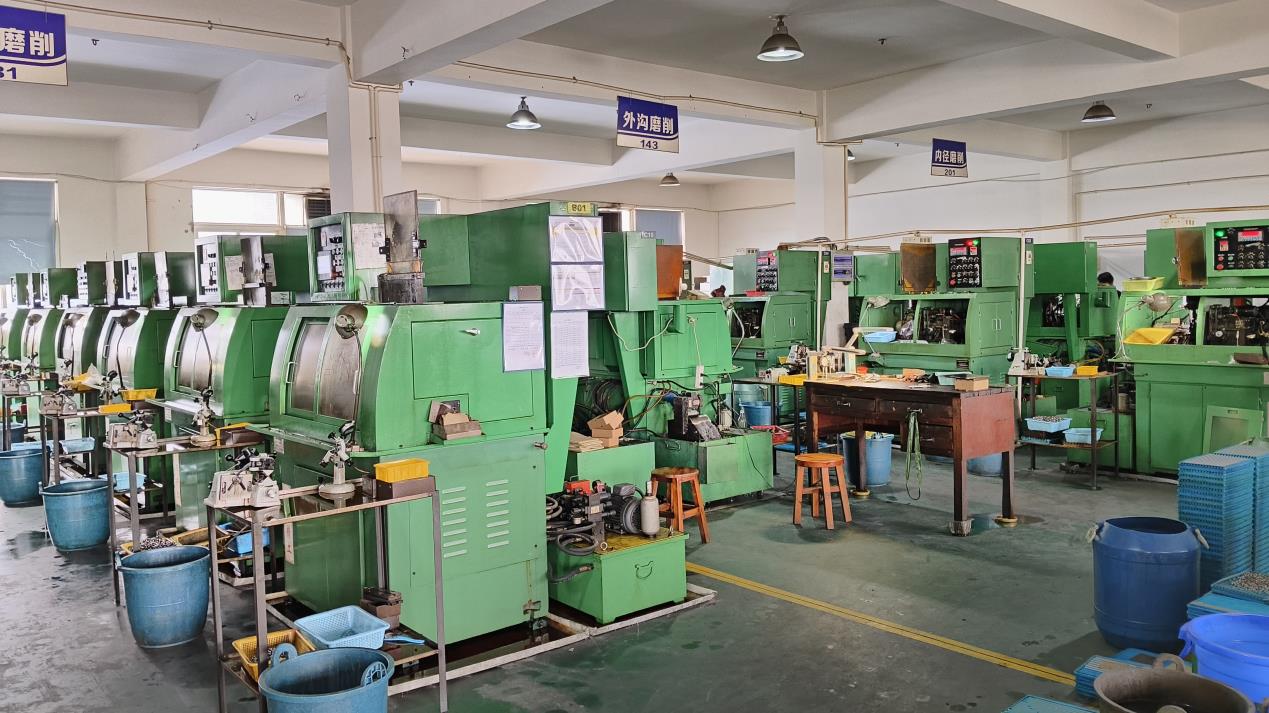
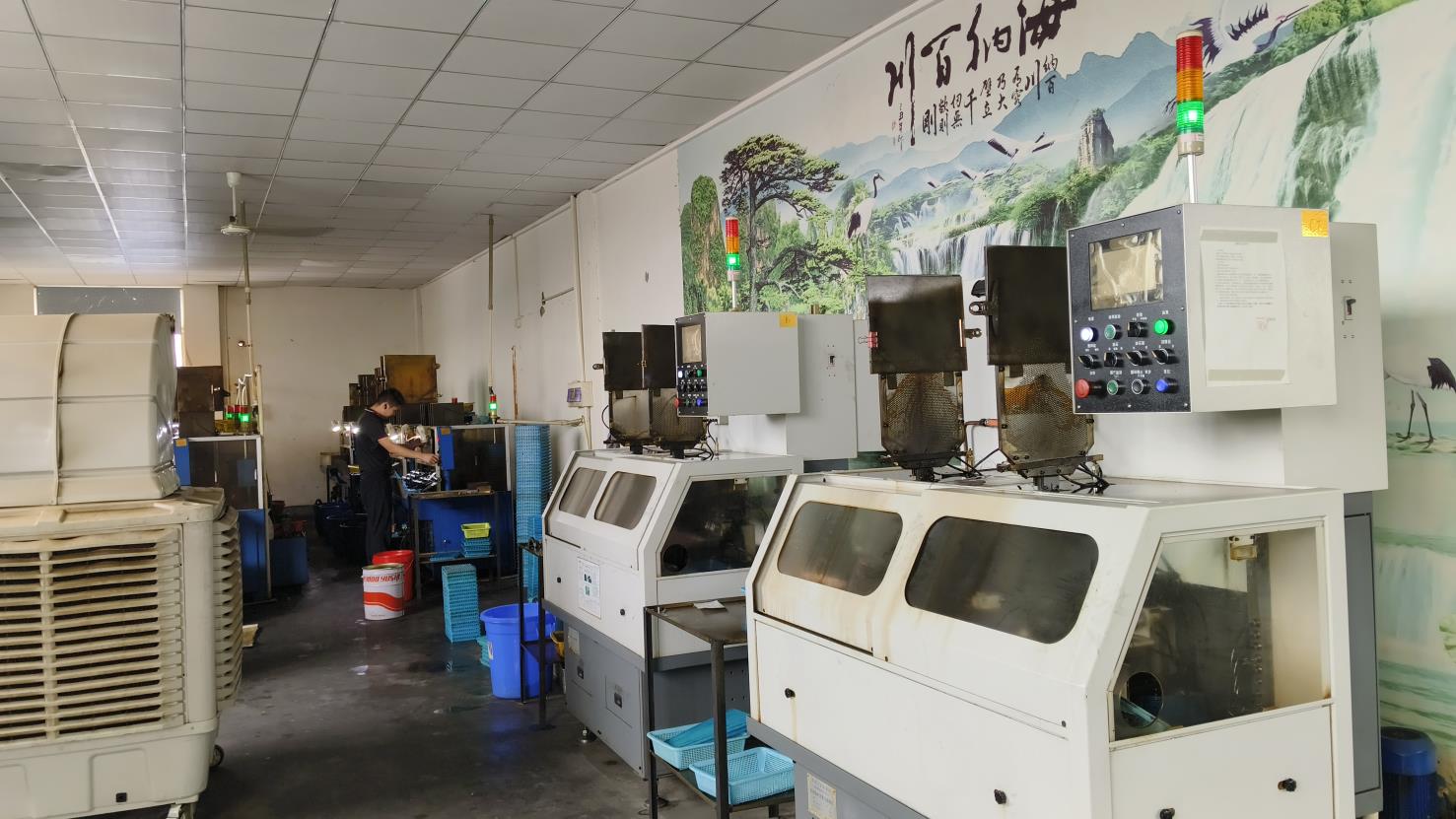
By blending advanced automation with a passion for micro-engineering, we provide global B2B clients with the transparency of a local engineering partner and the massive scale advantages of a top-tier factory. We don't just sell components; we build the core axis that keeps your business moving forward.
Ensuring fluid systems comply with regional environmental guidelines, pressure ratings, and food/beverage safety standards.
Industrial processing facilities require strict adherence to international safety codes. Standard basket strainers must meet ASME Section VIII, Division 1 for pressure vessels, ensuring they can handle dynamic hydraulic shocks. For sanitary food and beverage processing, strainers must comply with FDA and 3-A Sanitary Standards, requiring clean-in-place (CIP) capabilities driven by automated micro-pumps and fast brushless servos that control the wash cycle without introducing oil or wear particles into the product stream.
Designed to handle massive volumes of marine intake water. Demands duplex or automated backwashing strainers to keep sand, debris, and shells from eroding downstream centrifugal pumps.
Heavy-duty cast carbon steel and stainless steel Y-strainers that operate under high temperatures and high pressures. Certified under API 598 for leakage testing.
Ultra-high purity thermoplastic or electro-polished stainless steel strainers. These configurations run in cleanrooms to eliminate trace chemical contamination.
Exploring the transition toward IoT-enabled strainers, smart actuators, and zero-maintenance component designs.
The next decade of industrial filtration will focus on digitalized flow control. Traditional passive strainers require technicians to manually read pressure gauges to know when a basket is clogged. Modern setups rely on smart pressure transmitters linked to PLC systems. When the pressure differential reaches a threshold, the PLC commands an electric actuator—powered by brushless planetary DC gearmotors—to turn a scavenger scraper, shedding debris into a flush port.
TorqPro is aligning its research and development to address these requirements. Our roadmap includes integrating hybrid ceramic miniature bearings within internal scraper shafts to prevent electrolysis corrosion and using brushless motors with integrated drives for smaller physical footprints. By reducing internal decibels and maximizing mechanical output torque, we ensure that automated strainers can work autonomously for years in remote water-treatment facilities.
Expert technical answers addressing common queries about industrial strainers, self-cleaning automation, and drive systems.
Y-strainers are typically used for high-pressure systems containing low volumes of particulate matter, such as steam or gas lines. They are compact and can be installed horizontally or vertically. Basket strainers (simplex or duplex) have a larger storage chamber for dirt and debris, offering a lower pressure drop. They are designed for liquid systems with higher particulate loads and must be installed horizontally.
Manual simplex strainers require the fluid line to be shut down and vented for the basket to be cleaned, resulting in system downtime. Automated self-cleaning strainers monitor differential pressure (DP) and actuate a motor-driven cleaning arm to wash or scrape the filter screen while the system remains fully online. This ensures continuous filtration and removes the risks associated with manual chemical exposure.
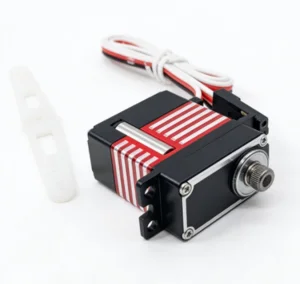
Self-cleaning strainers utilize high-torque, precise drive systems like planetary gearboxes and micro-servos to actuate cleaning blades, scrapers, or rotary backwash valves. They ensure the scraper moves at a steady speed through high-viscosity fluids and provide feedback to the main control panel if the mechanism becomes blocked by larger debris, preventing motor burnouts.
The rotating scraper shafts inside self-cleaning strainers are constantly submerged in process fluids, which can be highly corrosive or abrasive. High-precision hybrid ceramic bearings, like the MR52ZZ or 627 series, offer superior corrosion resistance and low friction compared to standard steel bearings, preventing seizure and extending the interval between maintenance shutdowns.
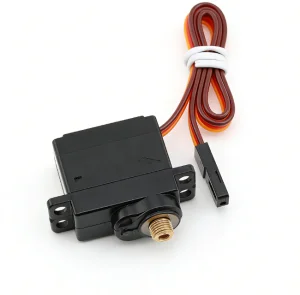
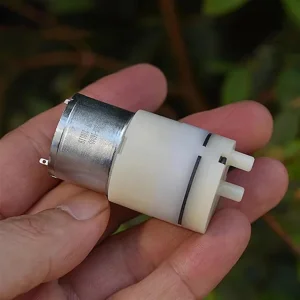
High-torque actuators, deep-groove ball bearings, and vacuum diaphragm pumps for severe service valve actuation and chemical dosing.
 TorqPro Motor