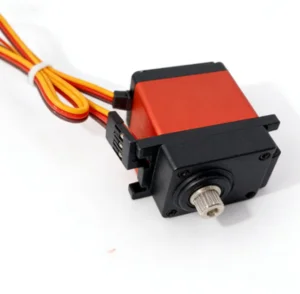
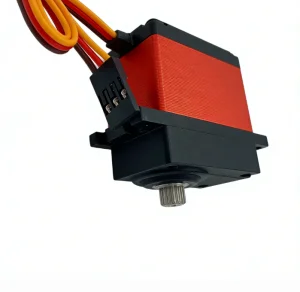
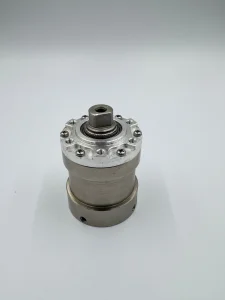
Explore our highly integrated core mechanisms, custom-engineered for precision and durability.
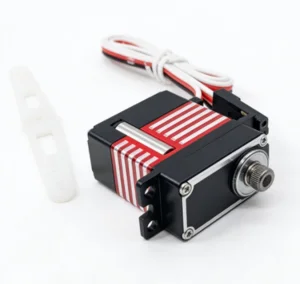
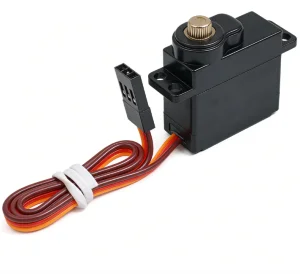
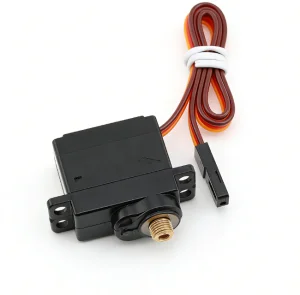
Every groundbreaking smart device needs a reliable pulse. TorqPro Motor designs and manufactures high-efficiency micro-drives that serve as the invisible, robust core inside next-generation robotics, smart home applications, and aerospace medical tools worldwide.
We operate on a simple philosophy: Engineered to last. Built to fit. By blending advanced automation with a passion for micro-engineering, TorqPro Motor provides global B2B clients with the transparency of a local engineering partner and the massive scale advantages of a top-tier Chinese factory. We don't just sell motors; we build the core axis that keeps your business moving forward.
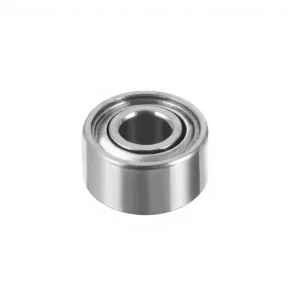
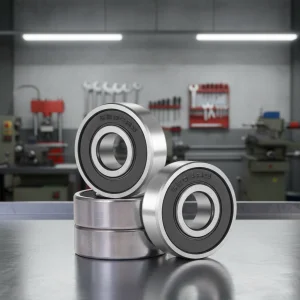
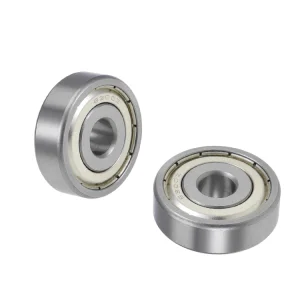
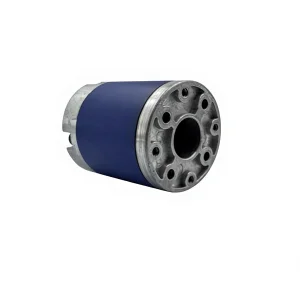
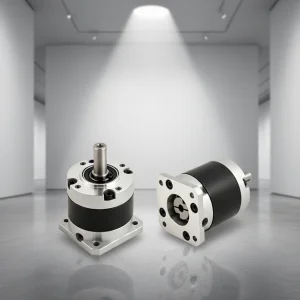
Our structural aluminum and zinc die-cast enclosures optimize thermal management and electromagnetic shielding, providing a robust frame for high-rpm miniature bearings and heavy-duty planetary gearboxes.
An expert analysis of material performance, manufacturing techniques, and supply chain strategies in high-torque miniature drives.
In high-performance micro-drives, precision planetary gearboxes, and heavy-duty robotic servos, structural integrity is paramount. High-torque systems demand outer casings that can withstand extreme shear stresses, dissipate heat efficiently, and maintain tight alignment tolerances. This is where high-precision die casting and investment casting prove indispensable.
Unlike standard sheet metal or CNC-machined components, custom-engineered cast housings provide isotropic mechanical properties, reducing resonance and structural fatigue under high dynamic loads. By integrating mounting features, bearing seats, and heat-sink fins directly into a single cast component, design engineers eliminate potential failure points and drastically lower overall assembly times.
| Casting Method | Typical Materials | Dimensional Tolerance | Best Suited For |
|---|---|---|---|
| High-Pressure Die Casting (HPDC) | Al-Si-Cu Alloys (ADC12, A380), Zinc (Zamak) | ±0.05 mm to ±0.1 mm | Thin-wall motor casings, high-volume electrical enclosures, brackets. |
| Investment Casting | Stainless Steel, Carbon Steel, Superalloys | ±0.1 mm to ±0.2 mm | Complex internal geometries, high-stress structural joints. |
| Squeeze Casting | High-strength Wrought Aluminum Alloys | ±0.08 mm to ±0.12 mm | Heavy-duty automotive mounting fixtures and aerospace structural parts. |
As industries shift toward electrification and light-weight designs, the metal casting sector undergoes rapid technological evolution. The integration of AI-driven mold flow simulation software allows engineers to predict shrinkage, air entrainment, and thermal stress defects before any tooling is cut. This drastically reduces development cycles and tooling optimization costs.
The industry's technical roadmap points toward:
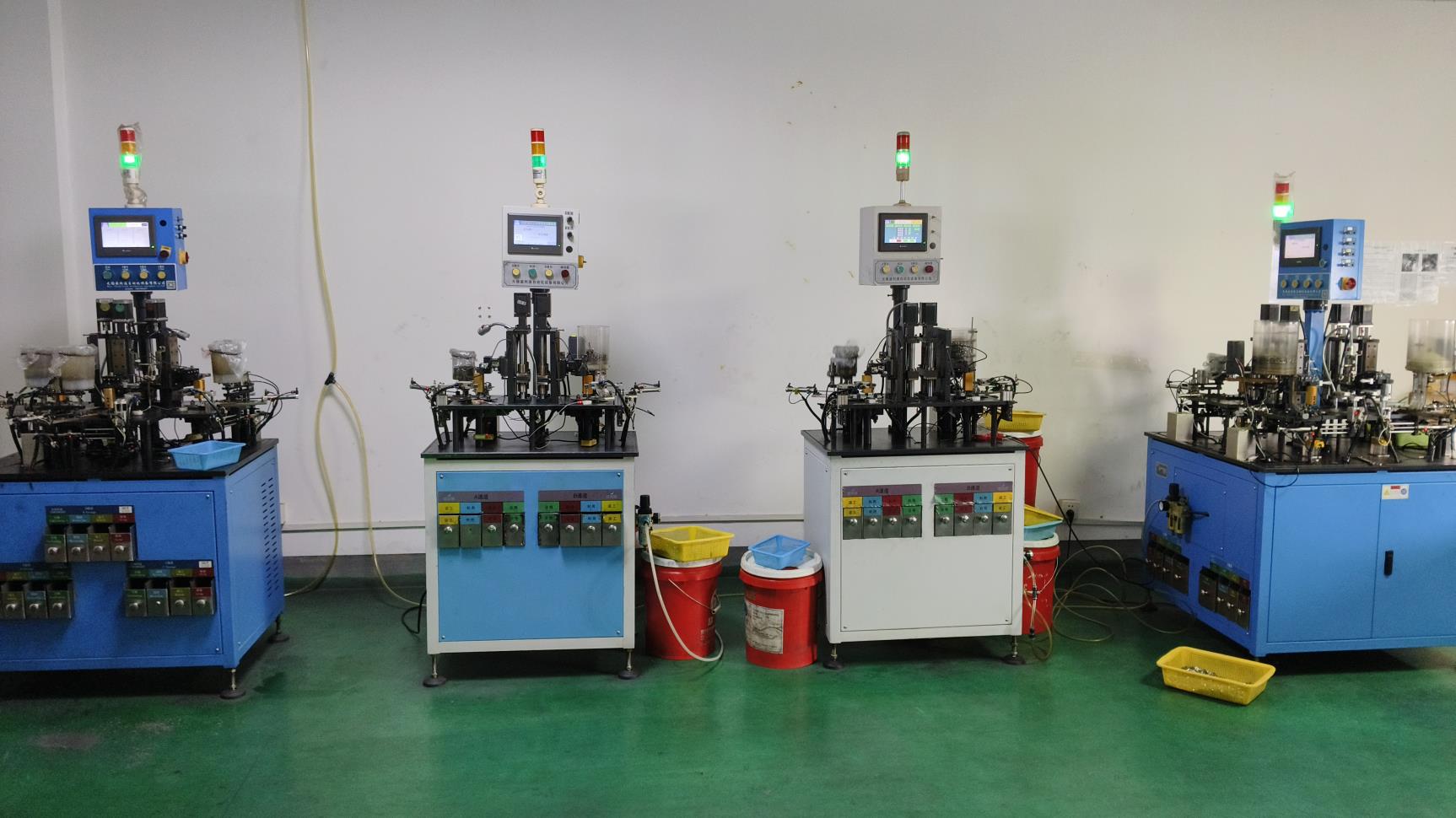
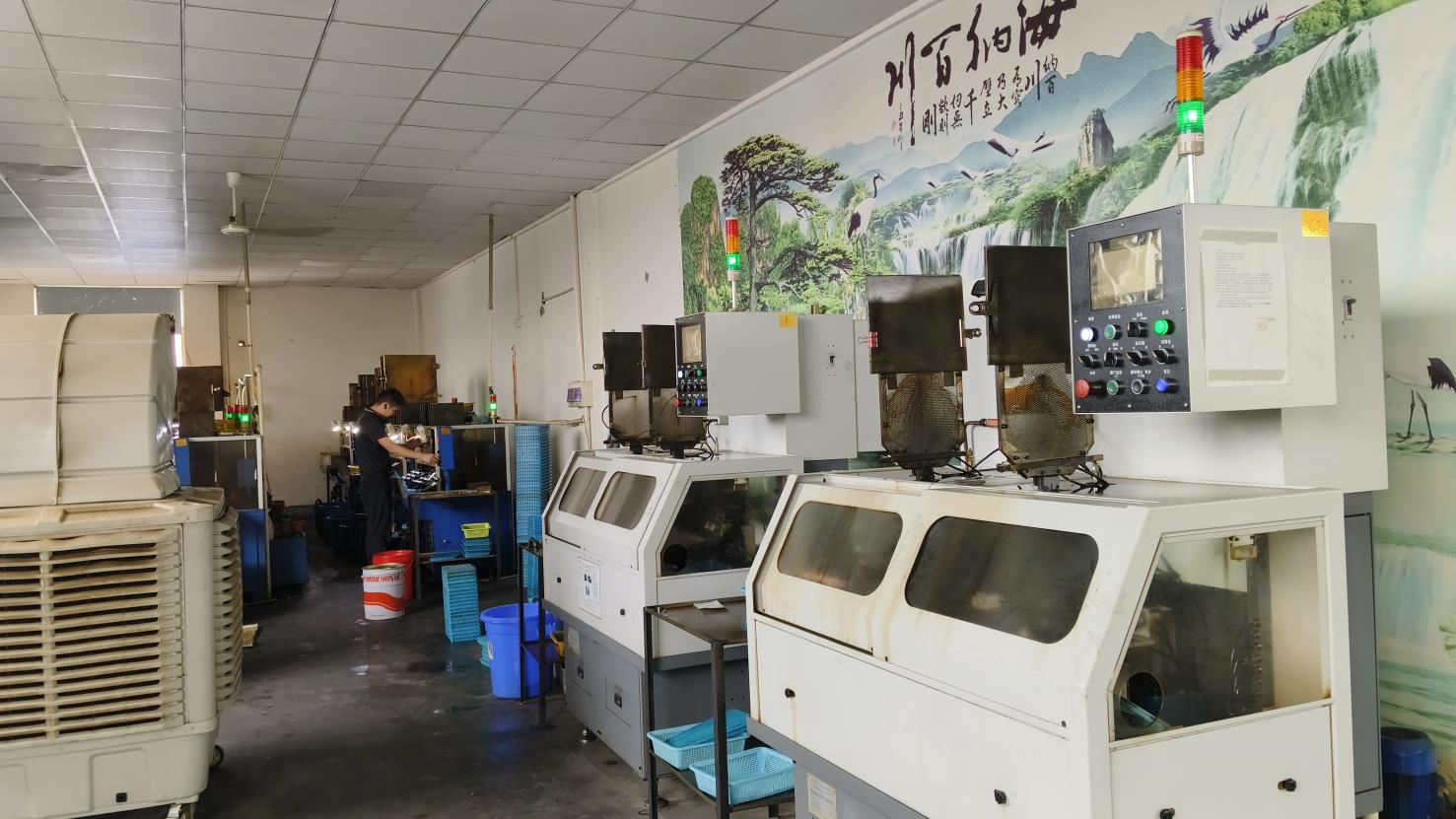
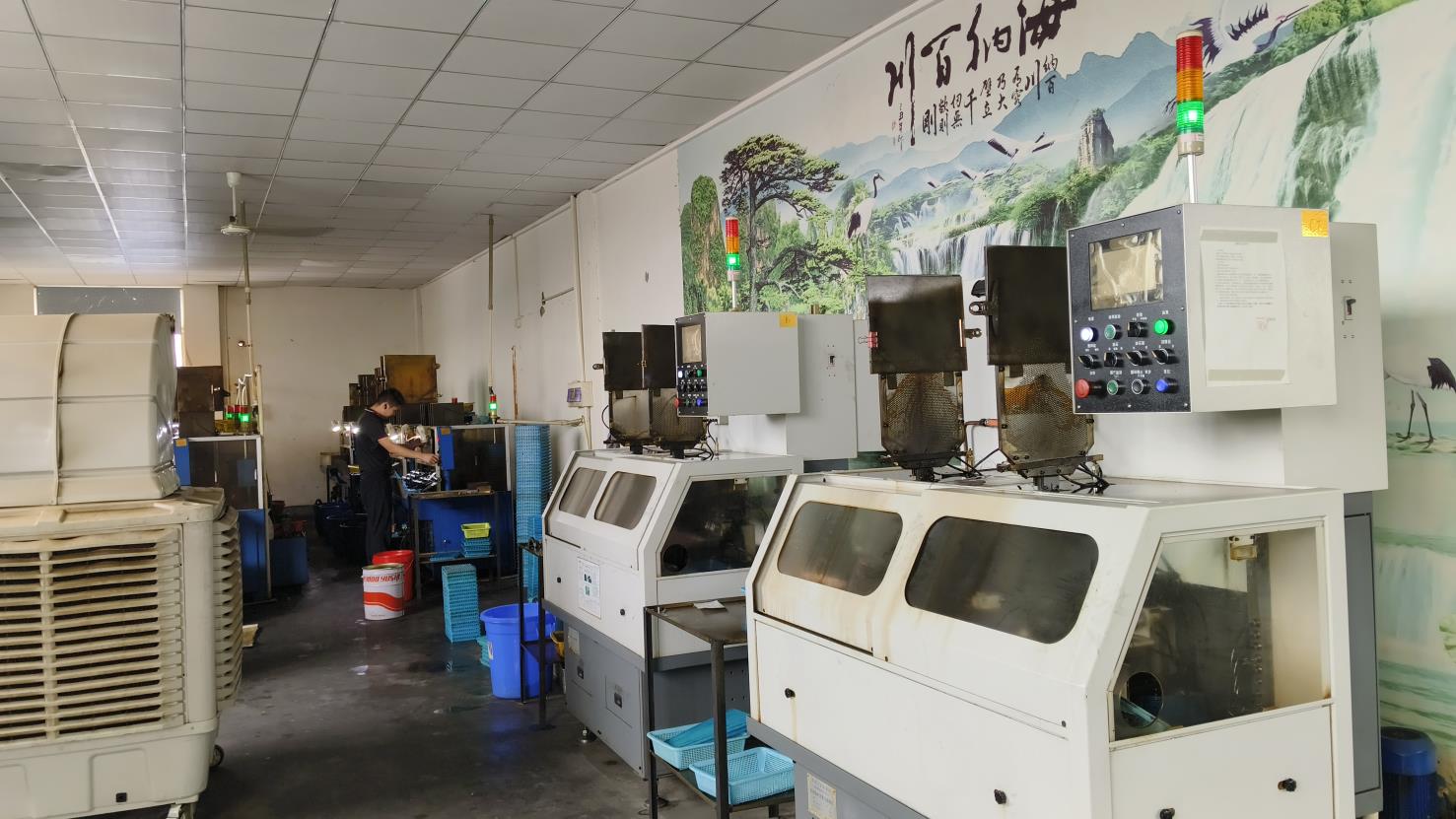
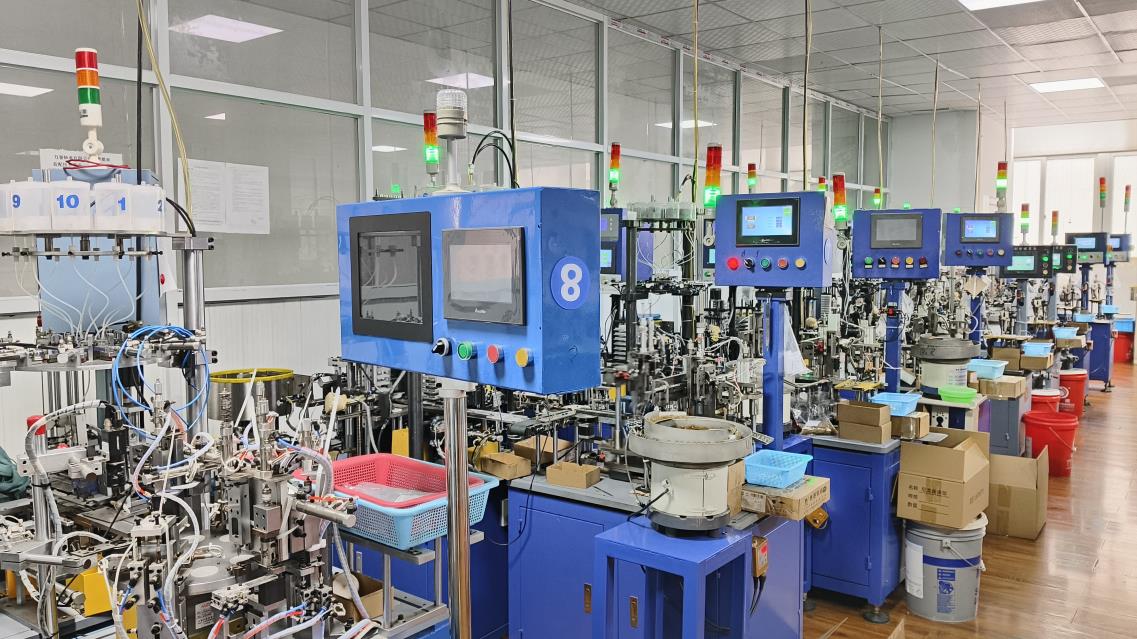
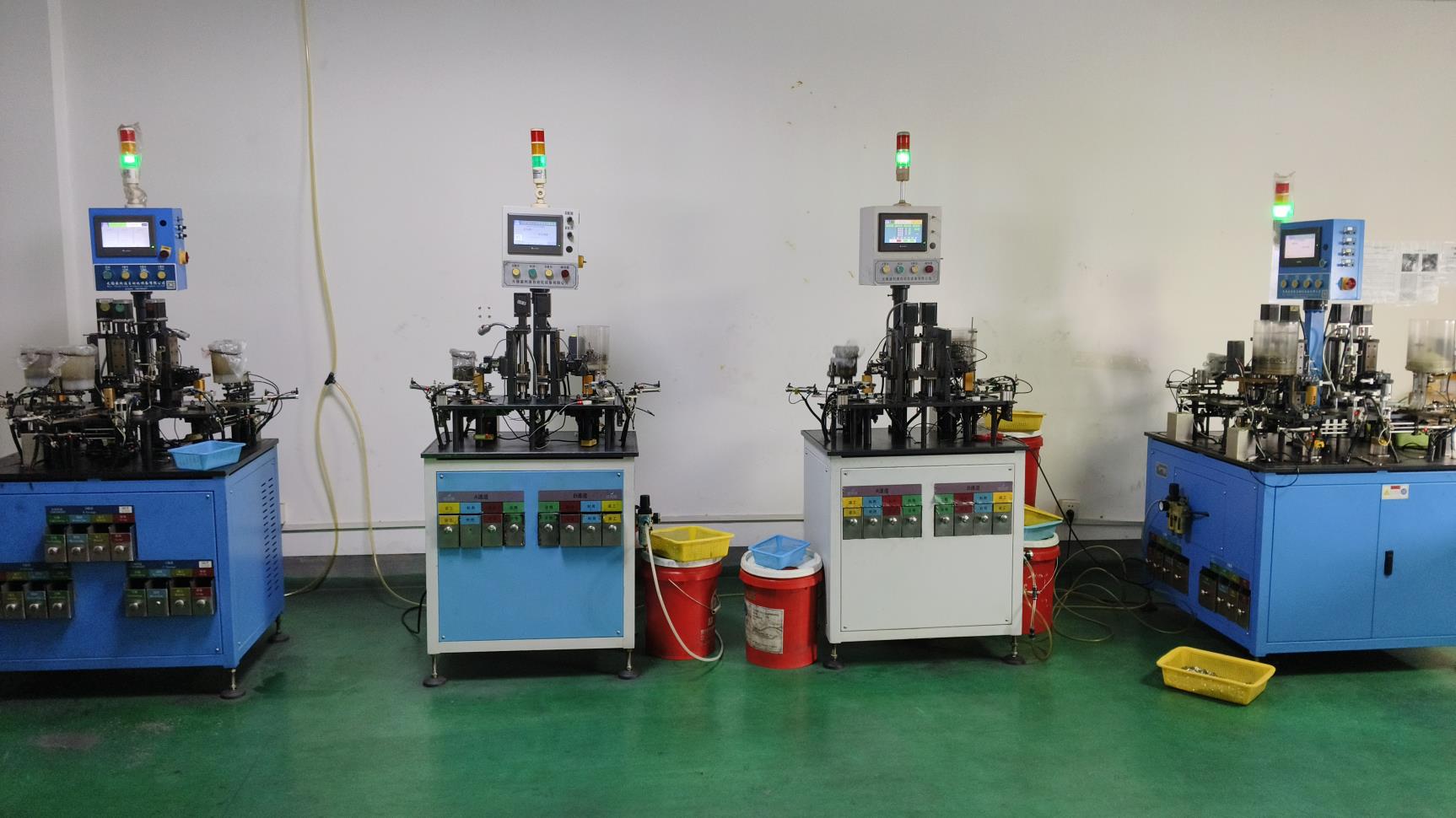
In the global market, Chinese casting manufacturers have transformed from low-cost providers into state-of-the-art technological hubs. By executing Factory 4.0 automation, modern facilities optimize every manufacturing step—from melt monitoring to final assembly. Real-time sensor arrays ensure consistent alloy chemistry, while robotically controlled pouring lines eliminate human variability.
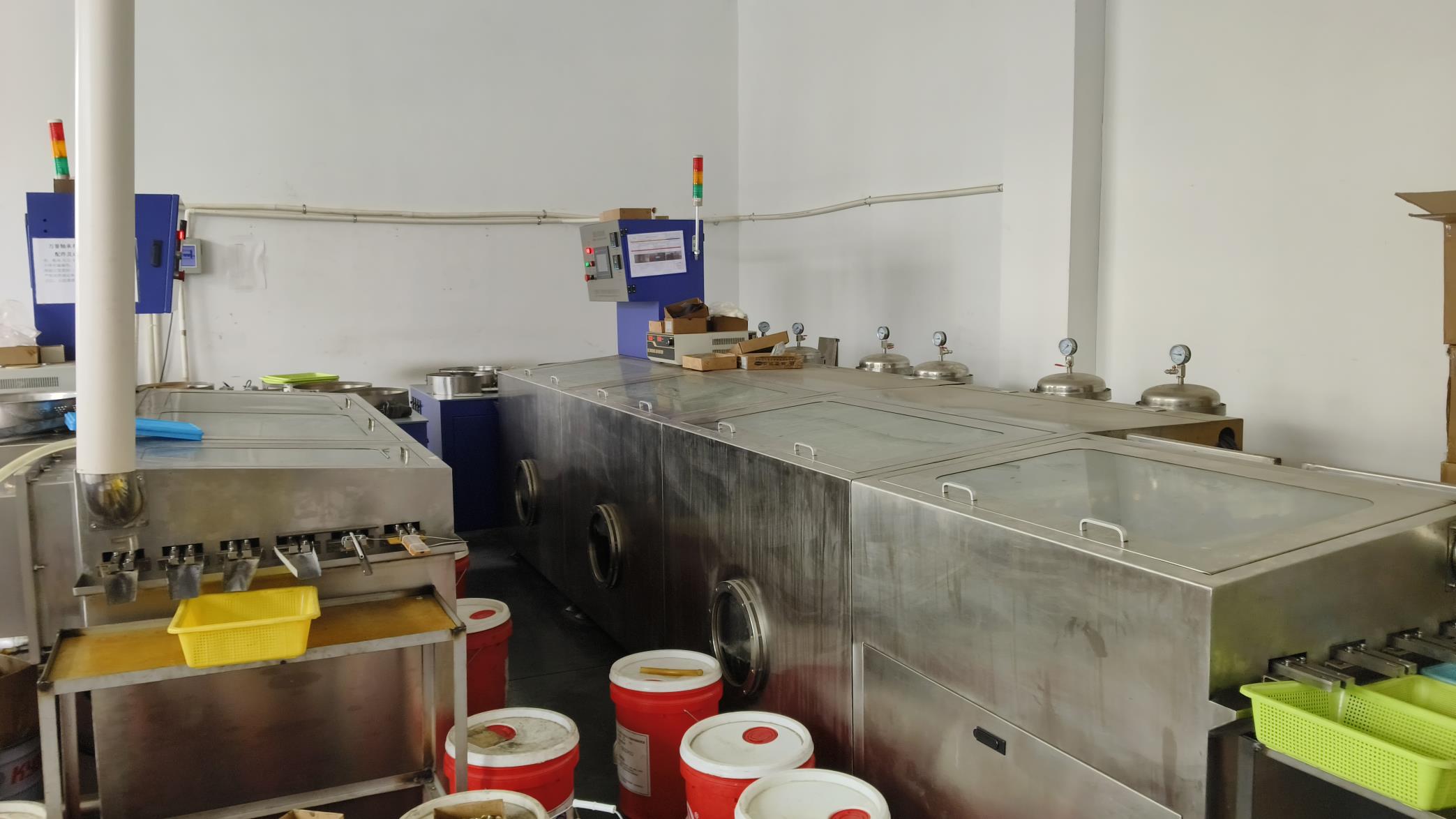
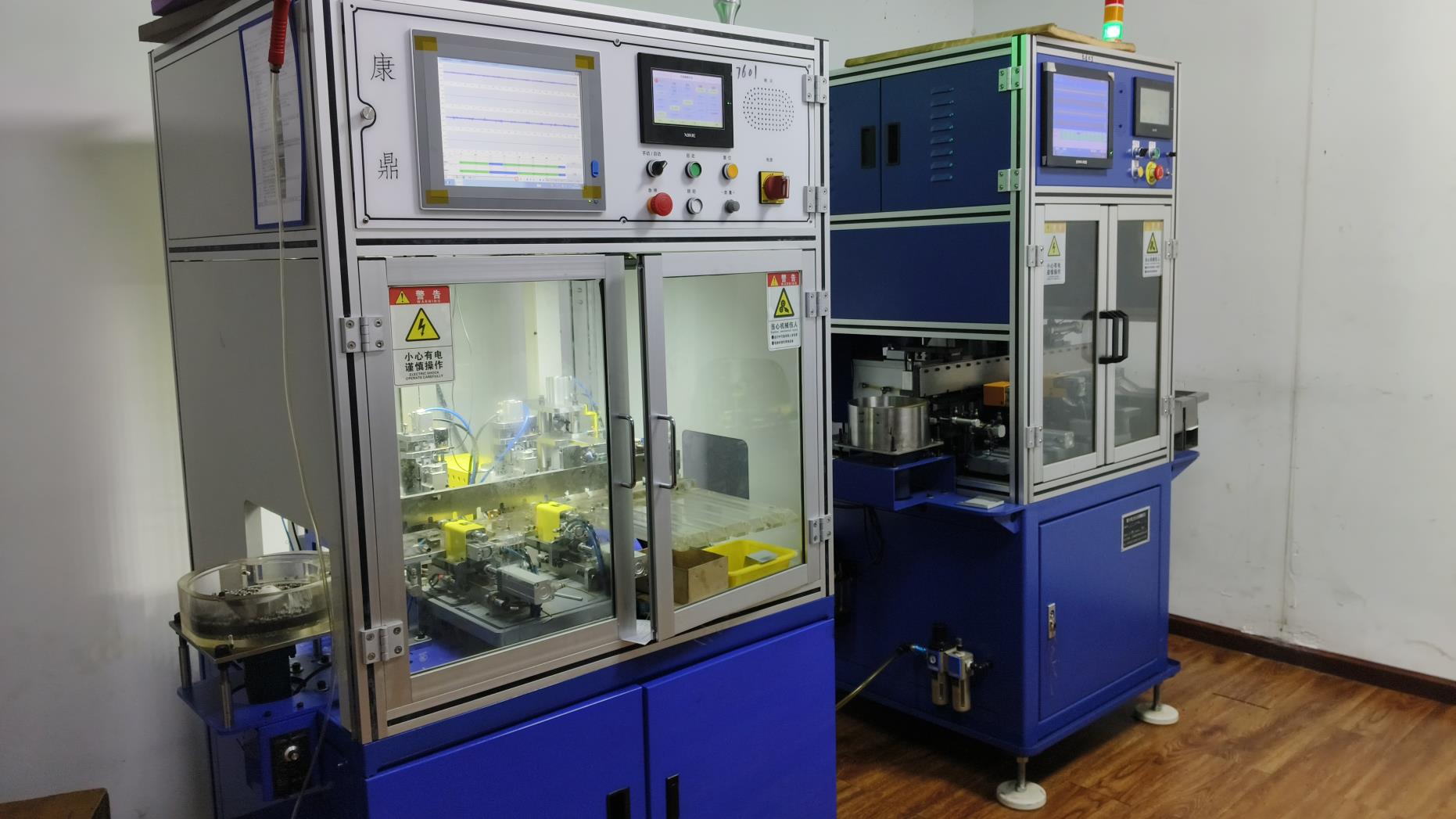
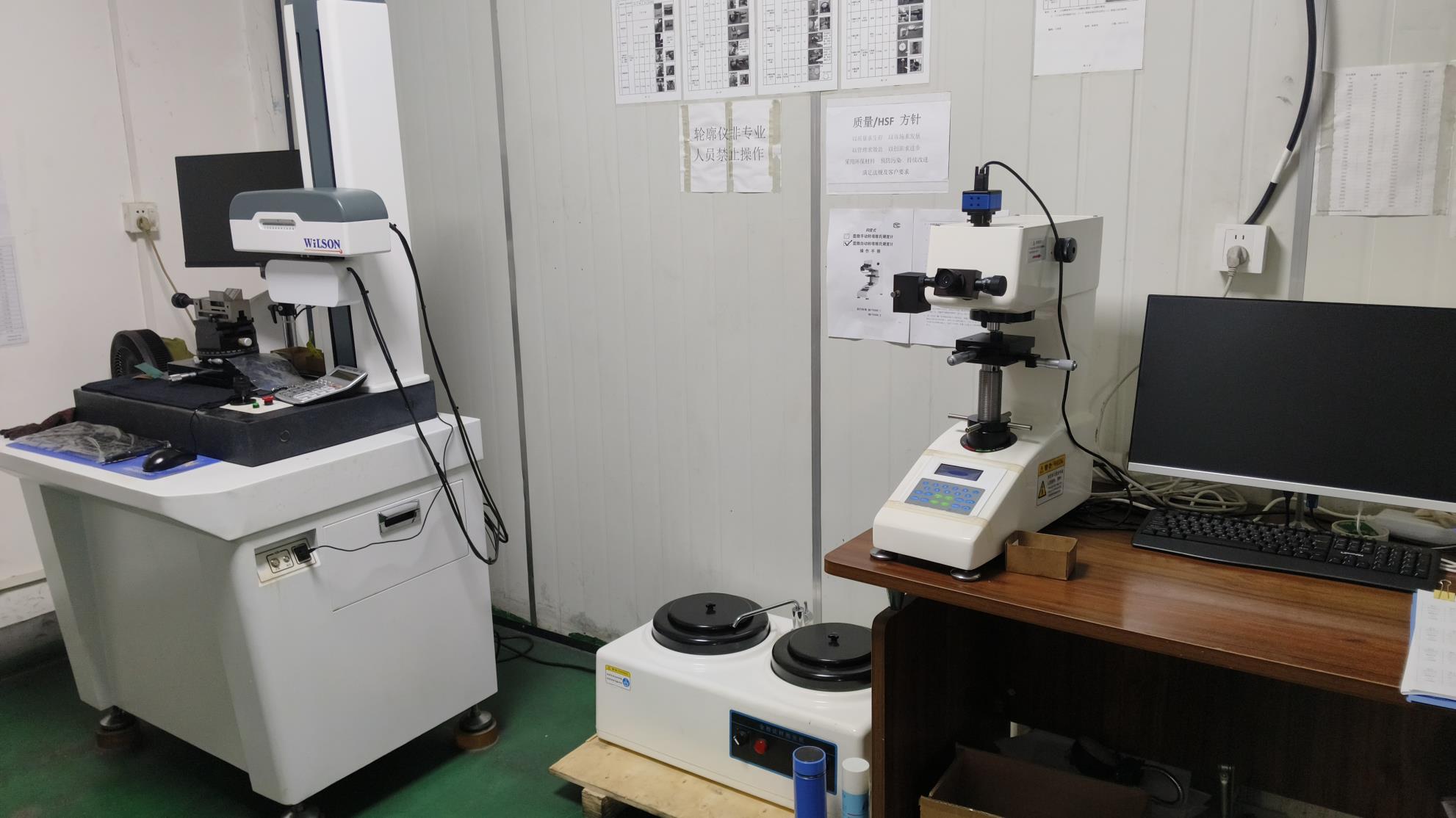
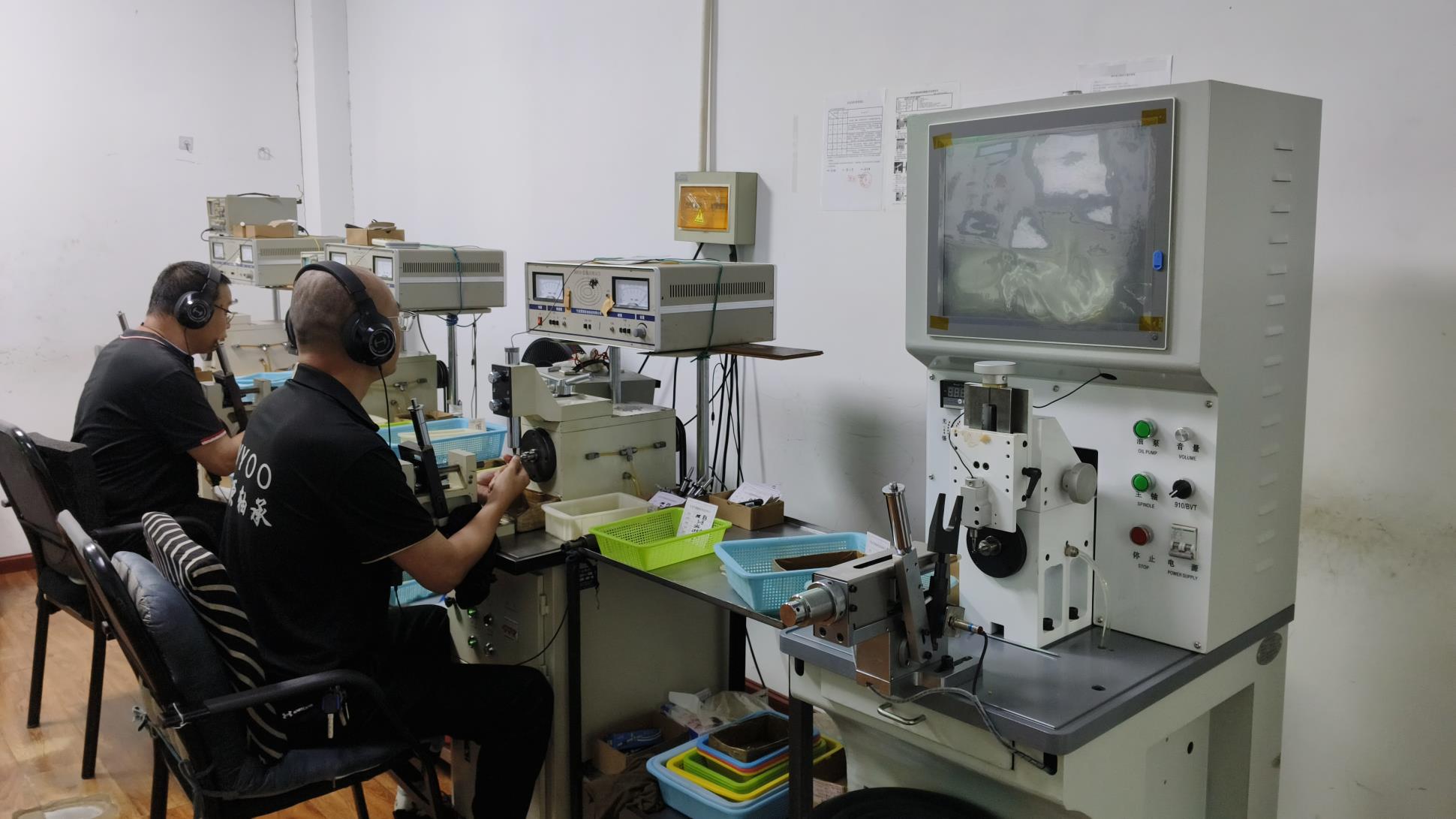
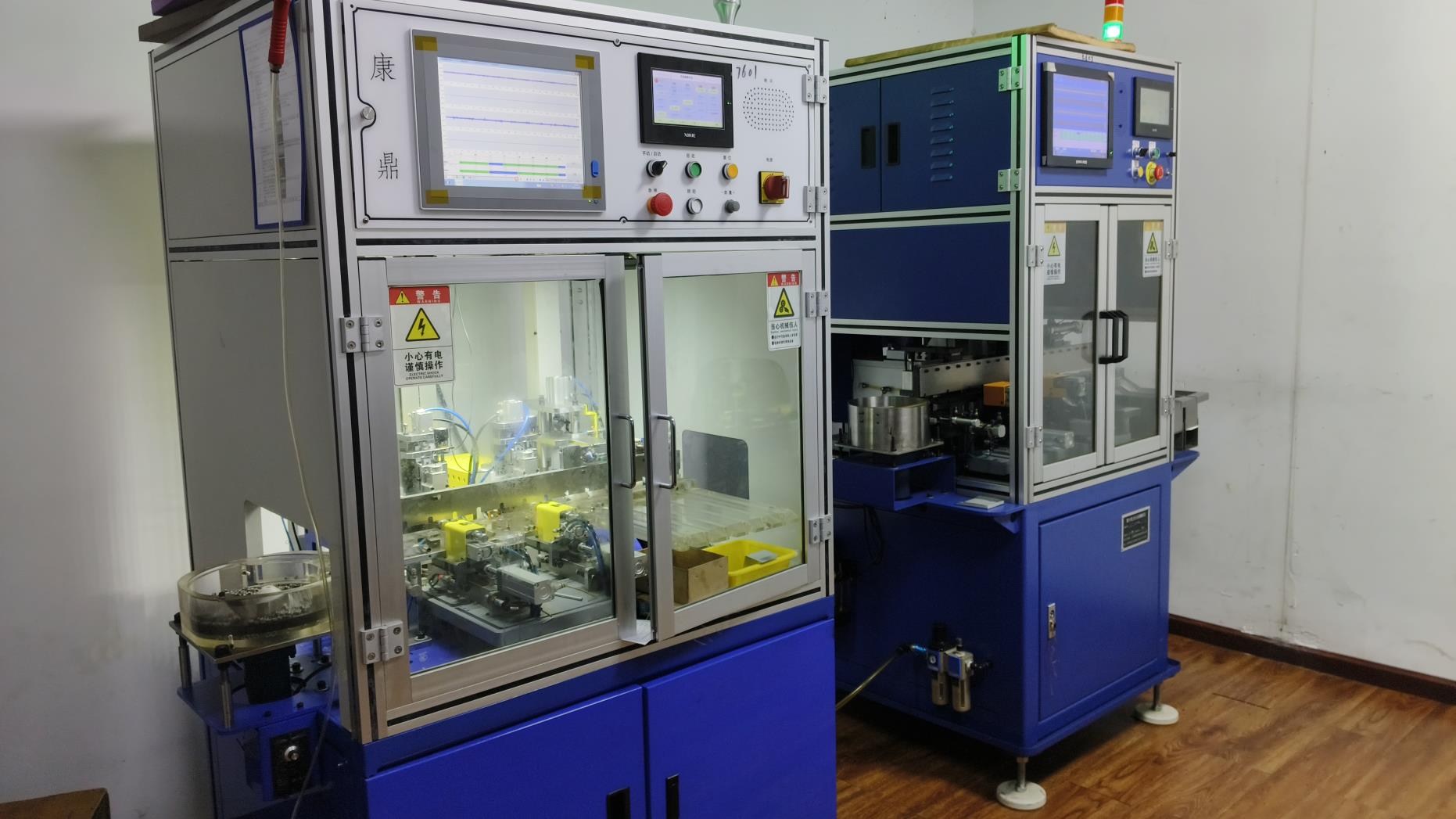
For industrial B2B clients, this level of vertical integration means guaranteed repeatability. By carrying out casting, heat treatment, precision CNC machining, and quality assurance testing (such as decibel detection and parameter verification) under one roof, Tier-1 Chinese suppliers provide highly optimized, cost-effective solutions for global distribution.
To safeguard global delivery schedules, progressive exporters implement robust material supply lines, maintaining buffer stocks of strategic alloys and utilizing multi-port shipping strategies to bypass global logistics bottlenecks.
When selecting a casting supplier and exporter, global procurement teams must look past piece-part costs. A holistic total cost of ownership (TCO) evaluation includes analyzing the manufacturer's quality management framework, tooling warranties, and testing infrastructure.
Delivering high-reliability components through strict quality control and global logistics networks.
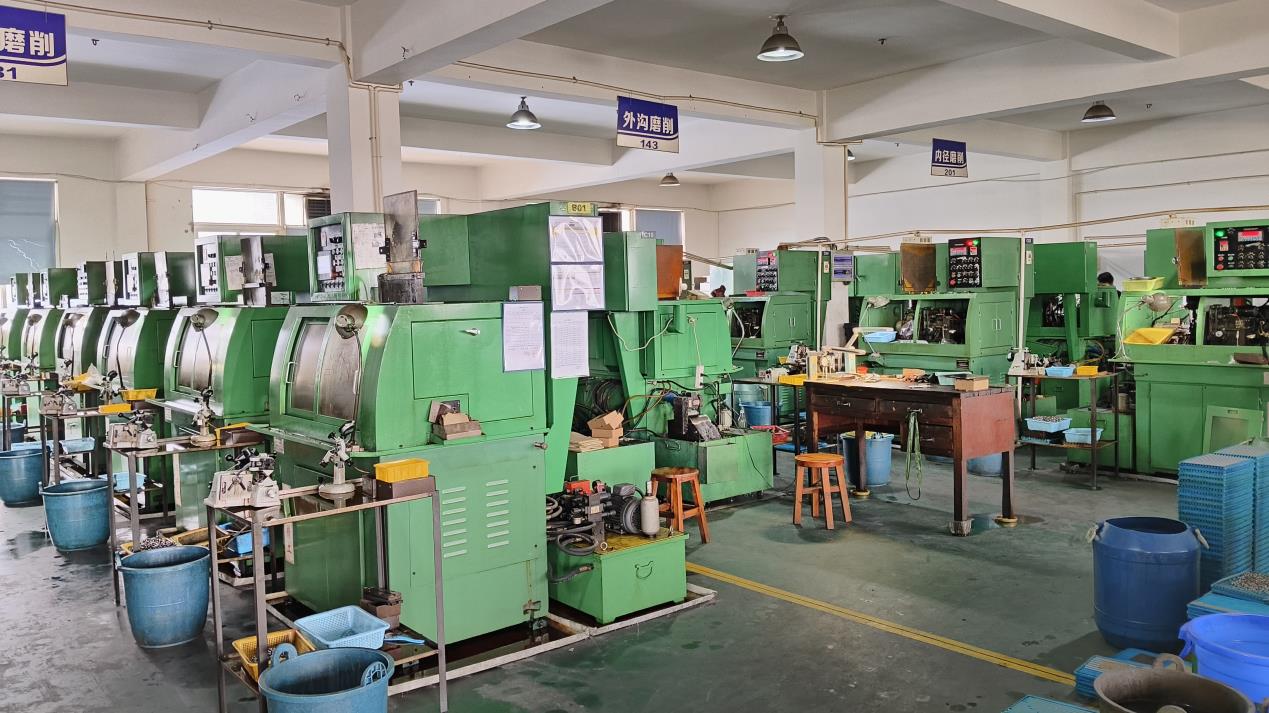
Inside our modern facility: where meticulous inspection and advanced automation meet.
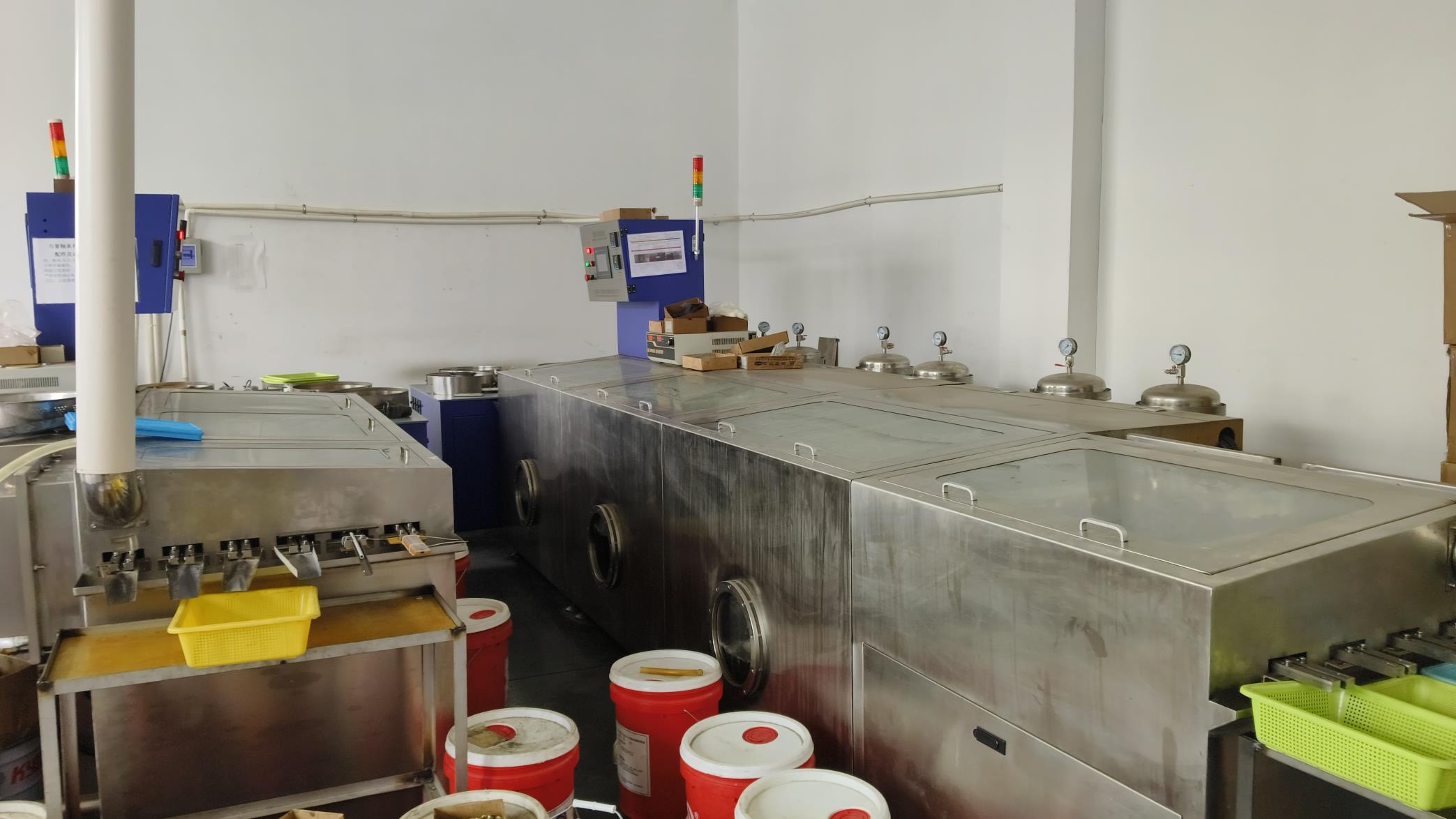
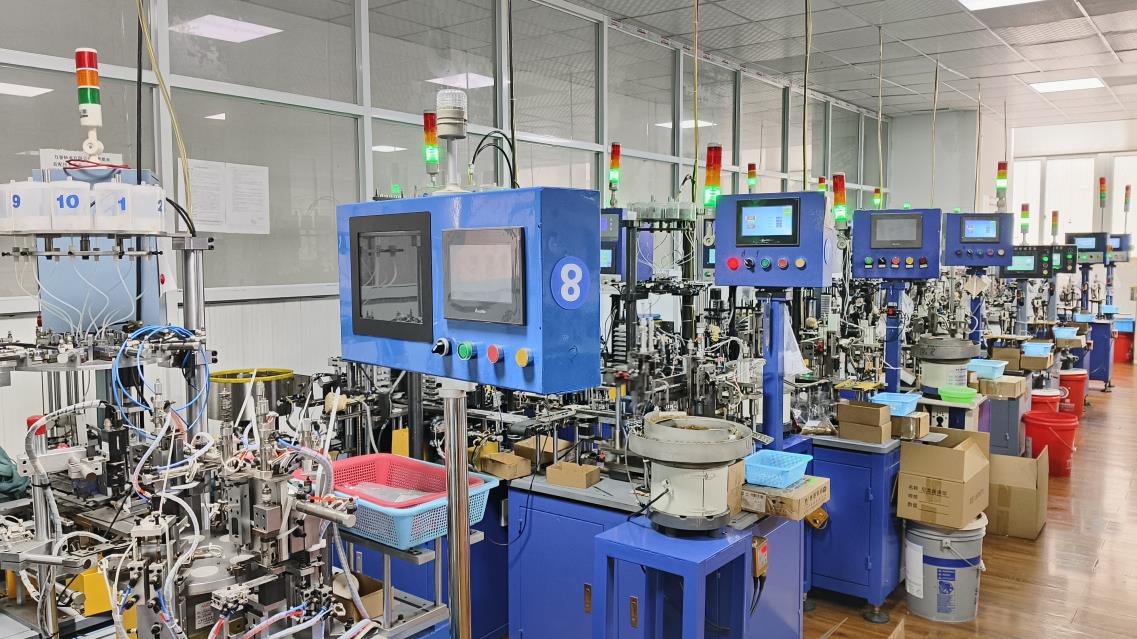
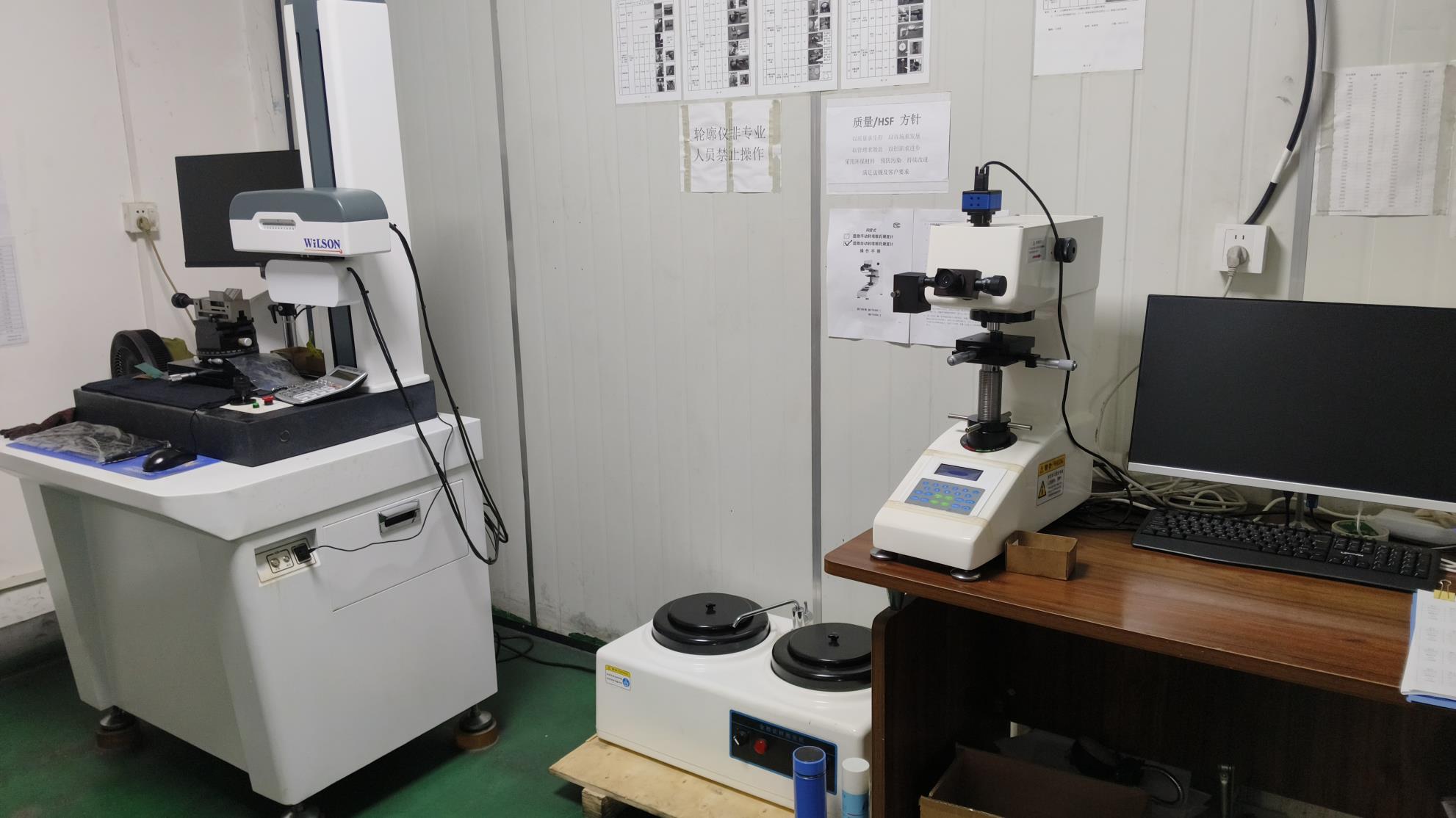
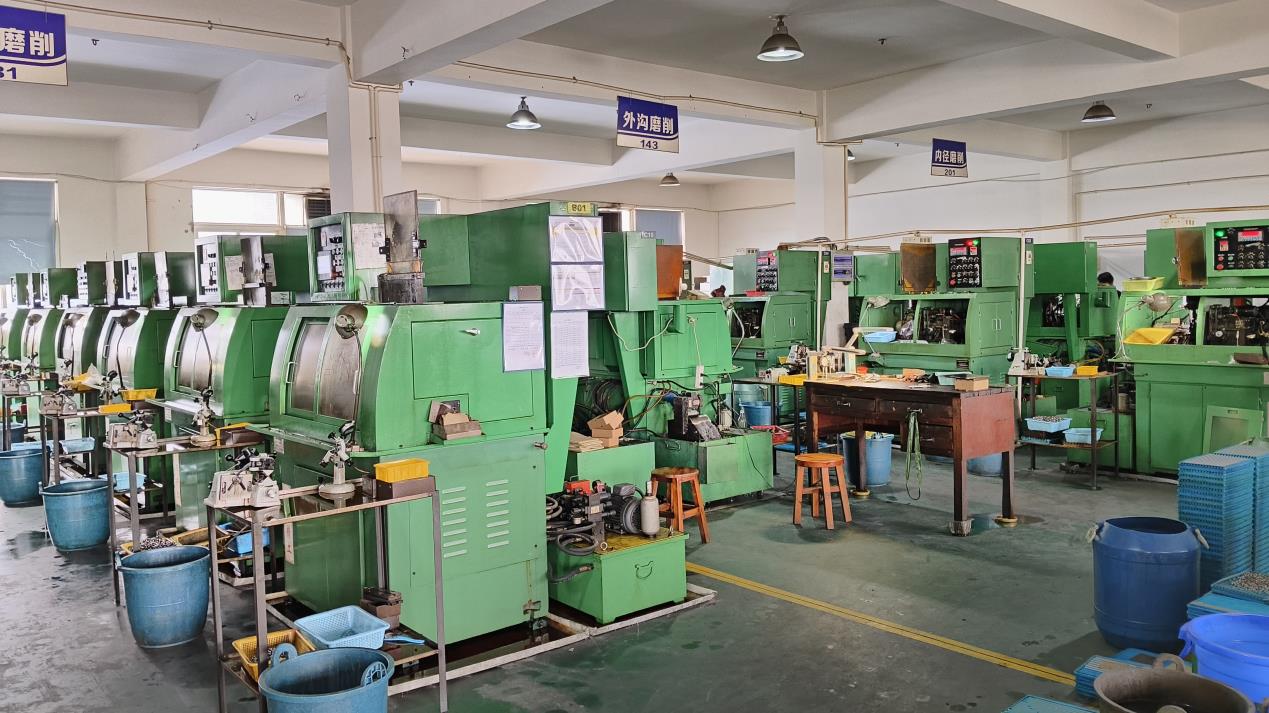
Meeting regional regulations and logistics requirements for seamless integration into international assembly lines.
All cast components and electric actuators conform strictly to REACH and RoHS directives. We systematically audit our raw material streams to guarantee conflict-free mineral sourcing and chemical safety compliance.
To support Lean Manufacturing programs, we cooperate with regional warehouses to execute Vendor-Managed Inventory (VMI) services, buffering critical components for just-in-time (JIT) production operations.
By using induction furnace systems and integrating sand reclamation cycles, our partner foundries minimize waste and limit emissions, supporting the carbon neutrality mandates of modern OEMs.
Common questions concerning engineering specifications, tooling investment, and manufacturing processes.
Premium mechanical assemblies built to handle high dynamic stress and heavy-duty usage.
 TorqPro Motor