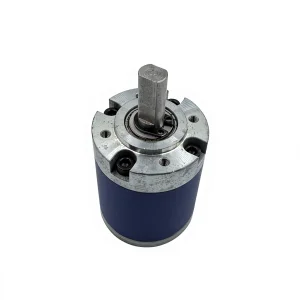
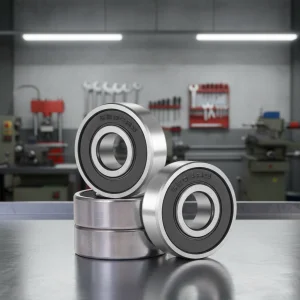
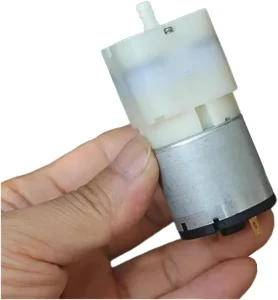
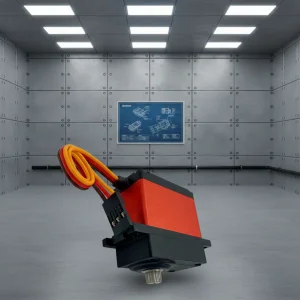
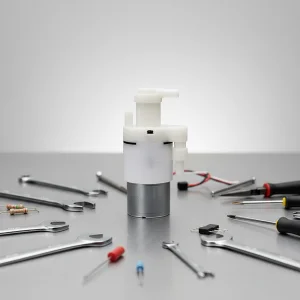
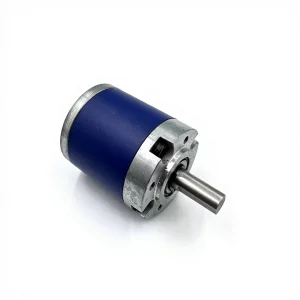
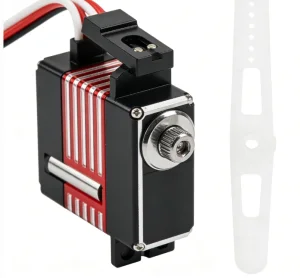
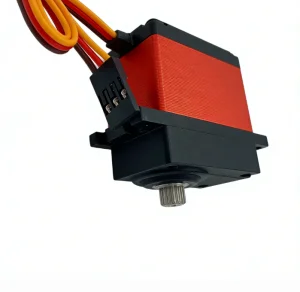
Every groundbreaking smart device needs a reliable pulse. TorqPro Motor designs and manufactures high-efficiency micro-drives that serve as the invisible, robust core inside next-generation robotics, smart home applications, and aerospace medical tools worldwide.
We operate on a simple philosophy: Engineered to last. Built to fit. By blending advanced automation with a passion for micro-engineering, TorqPro Motor provides global B2B clients with the transparency of a local engineering partner and the massive scale advantages of a top-tier Chinese factory. We don't just sell motors; we build the core axis that keeps your business moving forward.
As micro-engineering continues to merge with micro-electronic hardware, our manufacturing workflows run parallel to the most demanding electronics assembly pipelines. Our expertise in raw materials, precise tolerances, and ultra-high consistency has positioned us as a premier partner for integrated electro-mechanical sub-assemblies, including custom OEM/ODM resistor systems, high-current shunt integrations, and heavy-duty industrial passive assemblies.
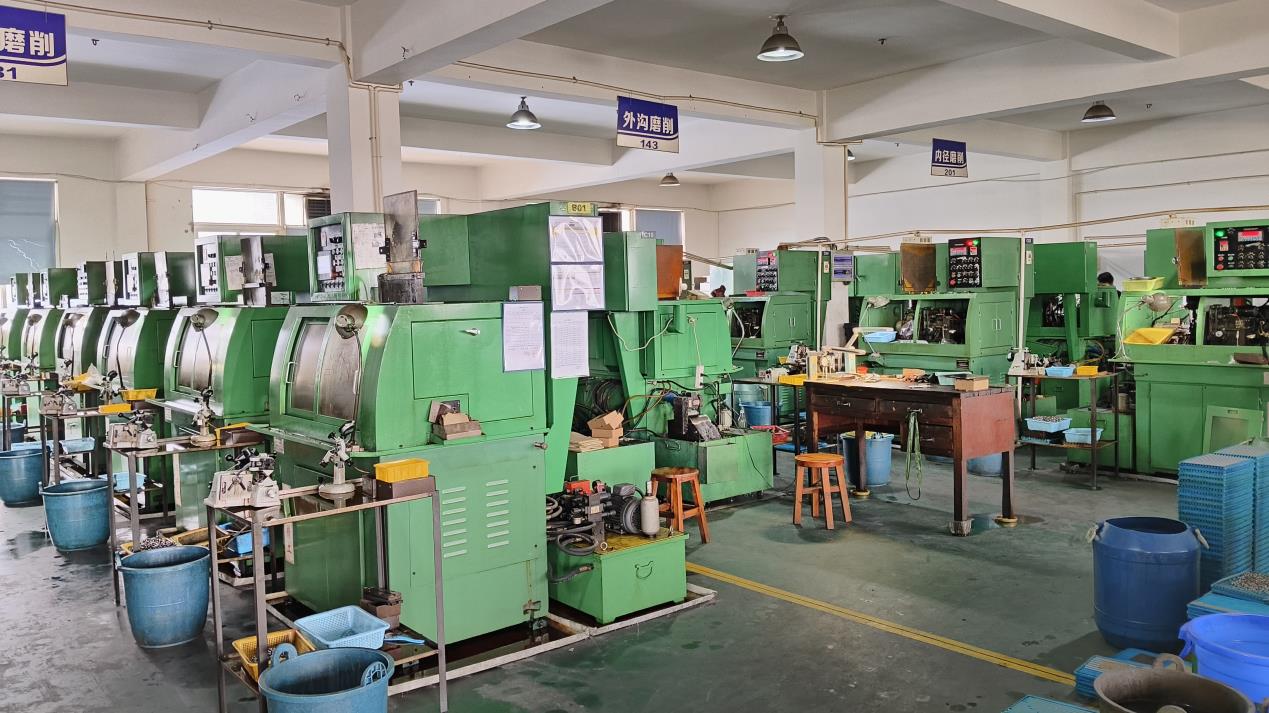
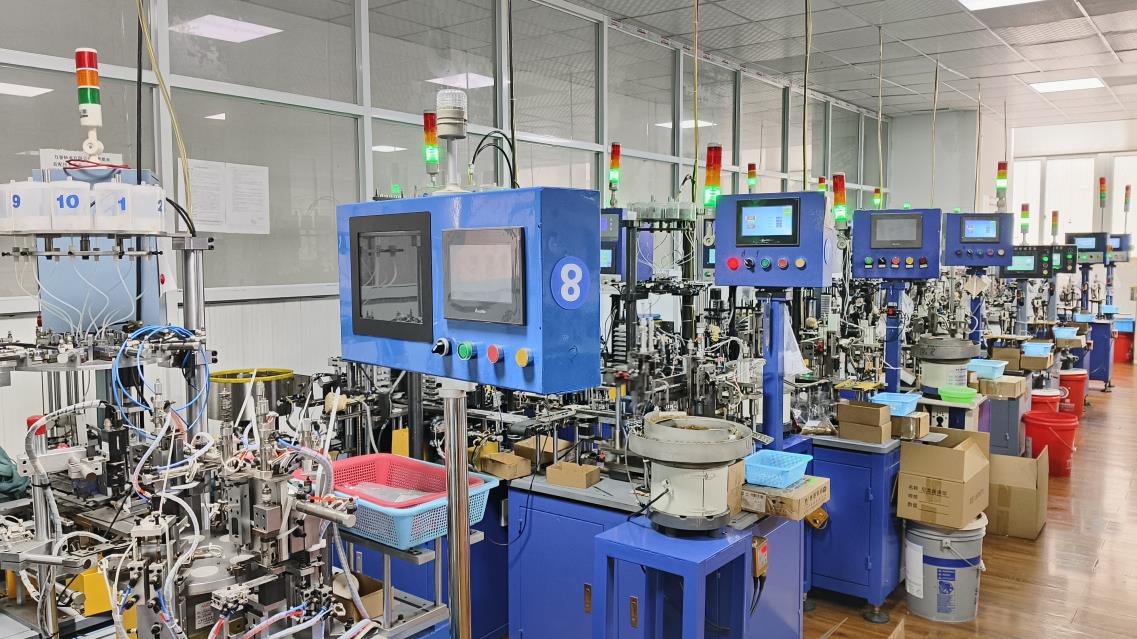
The electronics manufacturing ecosystem of China offers unparalleled advantages for the development, scaling, and distribution of standard and customized resistors. At the center of this industrial cluster is the integration of the entire supply chain, which runs from raw materials (high-purity ceramic substrates, nickel-chromium resistive alloys, specialized epoxy compounds) to fully automated packaging and automated optical inspection (AOI) lines.
By using localized raw materials and highly automated high-speed screen-printing and laser-trimming processes, Chinese factories achieve economies of scale that cannot be replicated elsewhere. This leads to a lower Total Cost of Ownership (TCO) for global purchasers without sacrificing engineering standards.
Whether you require a custom metal plate shunt resistor for electric vehicle BMS or high-voltage thick film resistors for power grids, our engineering team can produce DFM (Design for Manufacturability) analysis in less than 48 hours and prototypes within 10 business days.
Operating under ISO 9001, IATF 16949, and ISO 14001 frameworks, modern production units ensure that every single batch of resistors complies with strict tolerances (down to ±0.01%) and low Temperature Coefficients of Resistance (TCR down to ±1 ppm/°C).
Resistors are not merely basic passive components; they are critical thermal-management and voltage-stabilization elements in modern electronics. Depending on your target application (e.g., consumer IoT, power tools, automotive ECUs, or aerospace), we offer specialized fabrication setups:
Perfect for applications requiring high precision and low noise, such as medical diagnostics and telemetry circuits. The sputtering process ensures a highly uniform resistive layer on ceramic substrates, minimizing parasitic capacitance and noise indexes.
A cost-effective, high-reliability solution for general-purpose circuits and surge-prone applications. Ideal for household appliances, smart meters, and industrial motor driver networks.
Featuring low resistance values (down to 0.1mΩ) and high power ratings, these are the backbone of battery management systems (BMS), electric vehicle drivetrains, and DC-DC power converters.
Tailored for braking systems, power distribution units, and dynamic load testing. These can withstand high pulse energies without mechanical structural failure or drifting values.
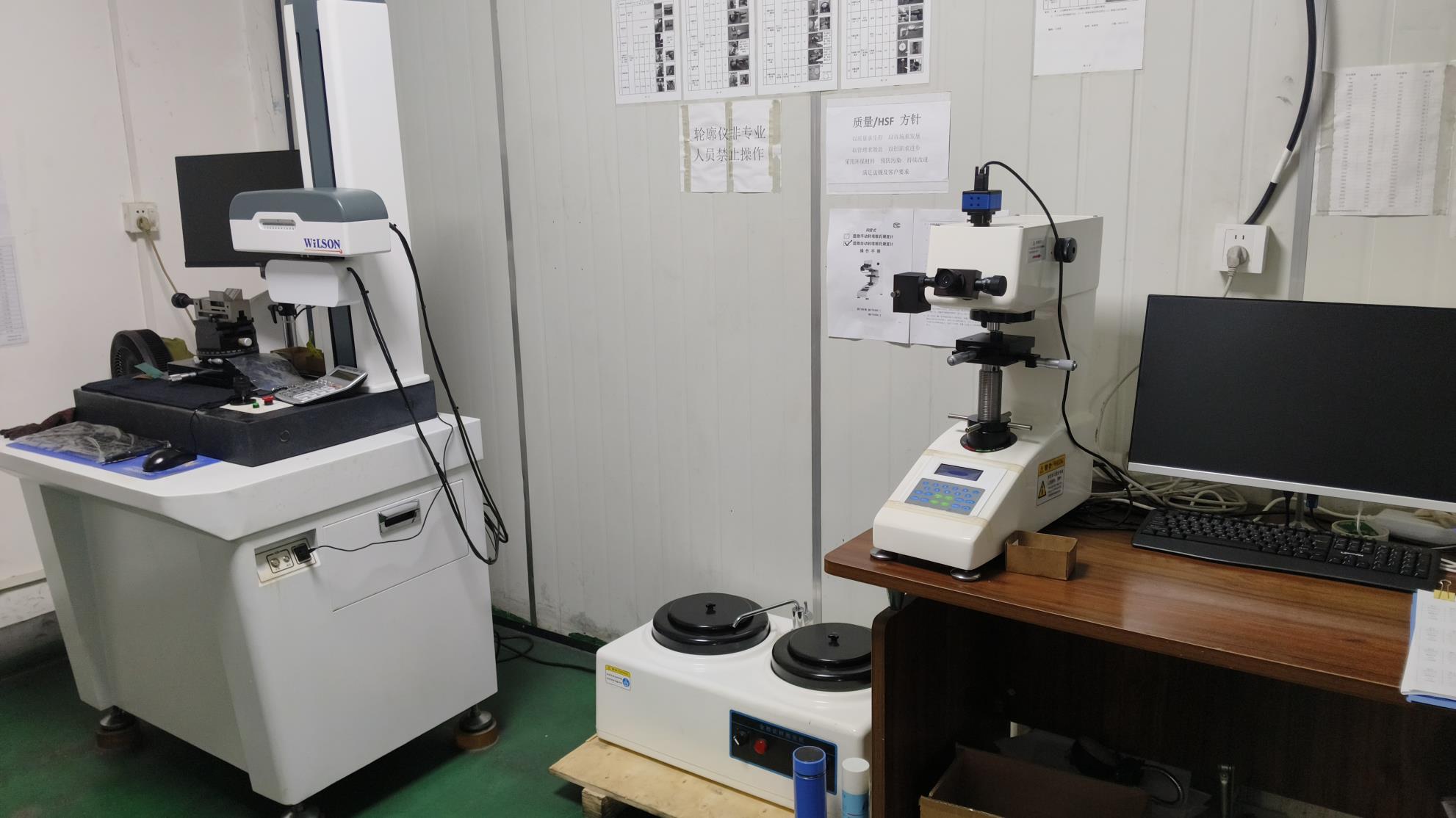
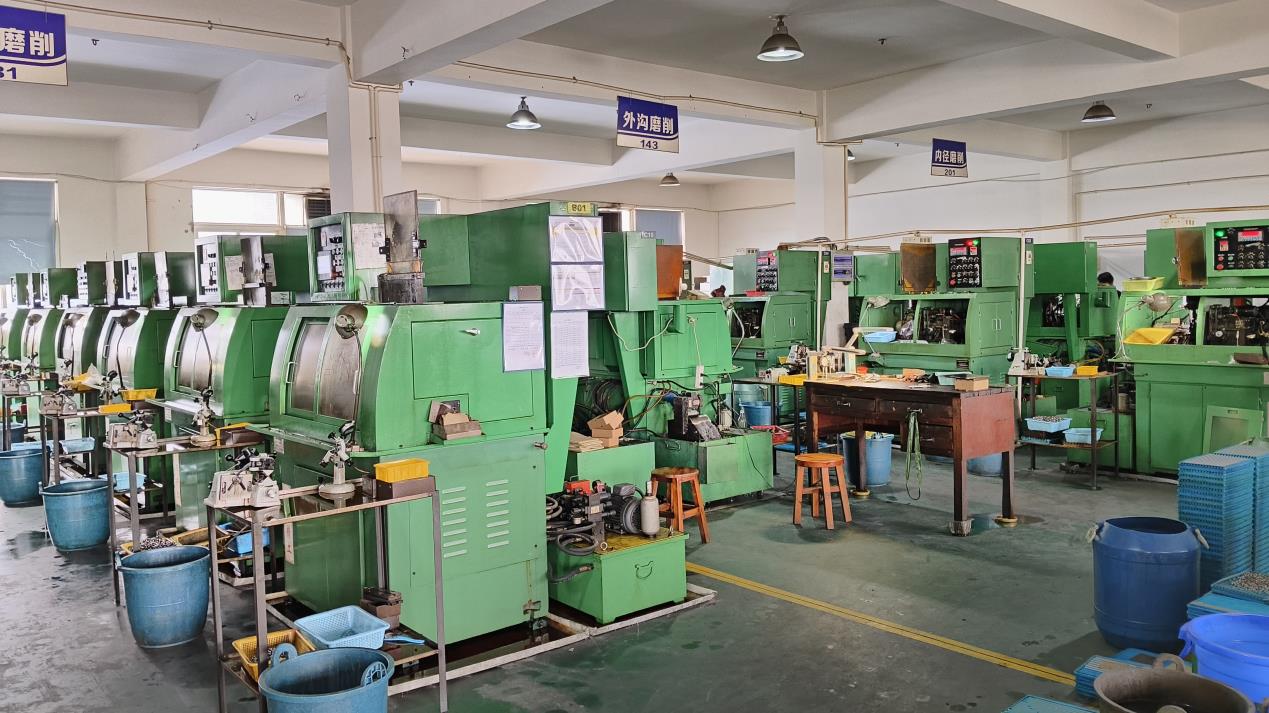
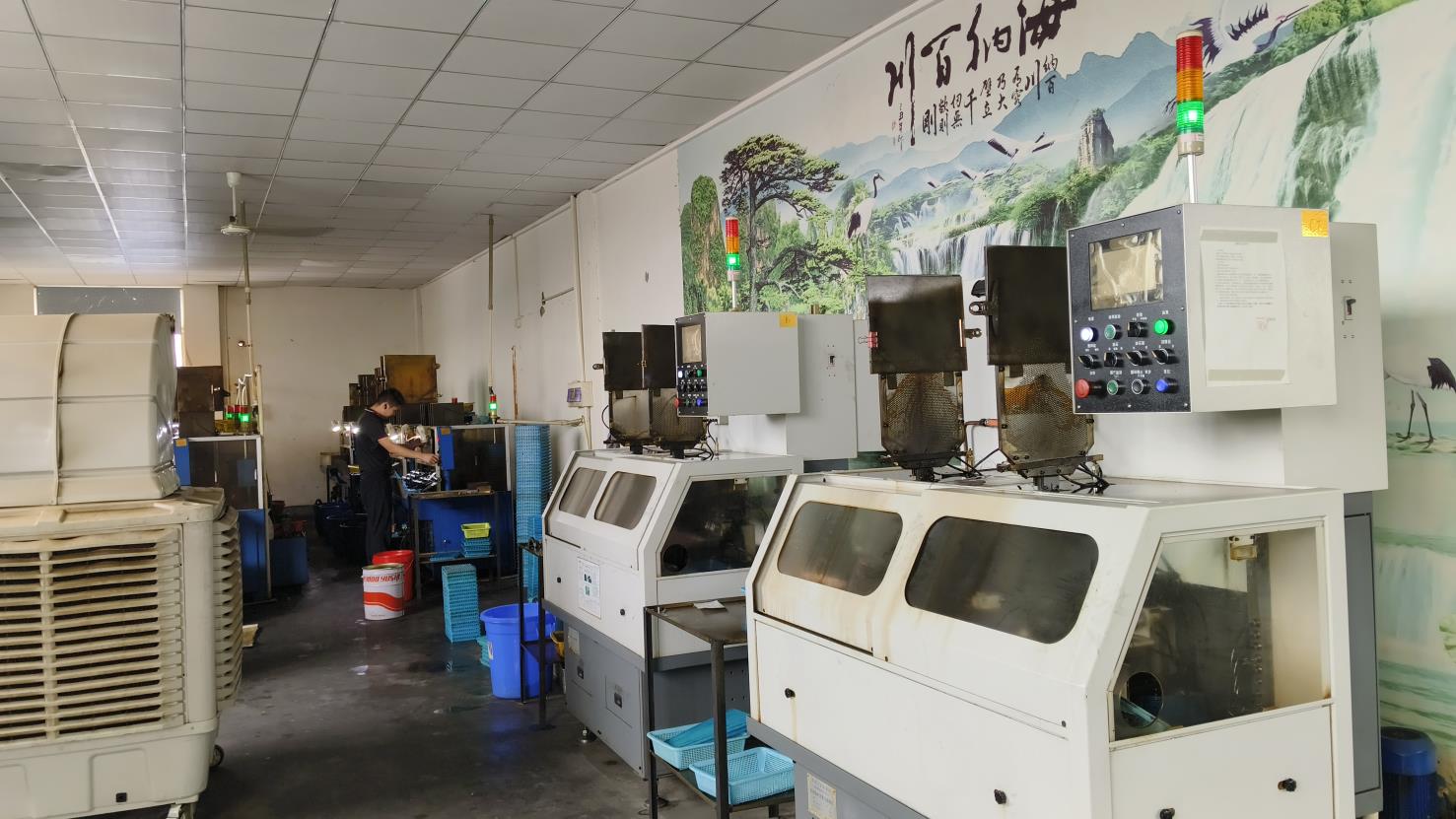
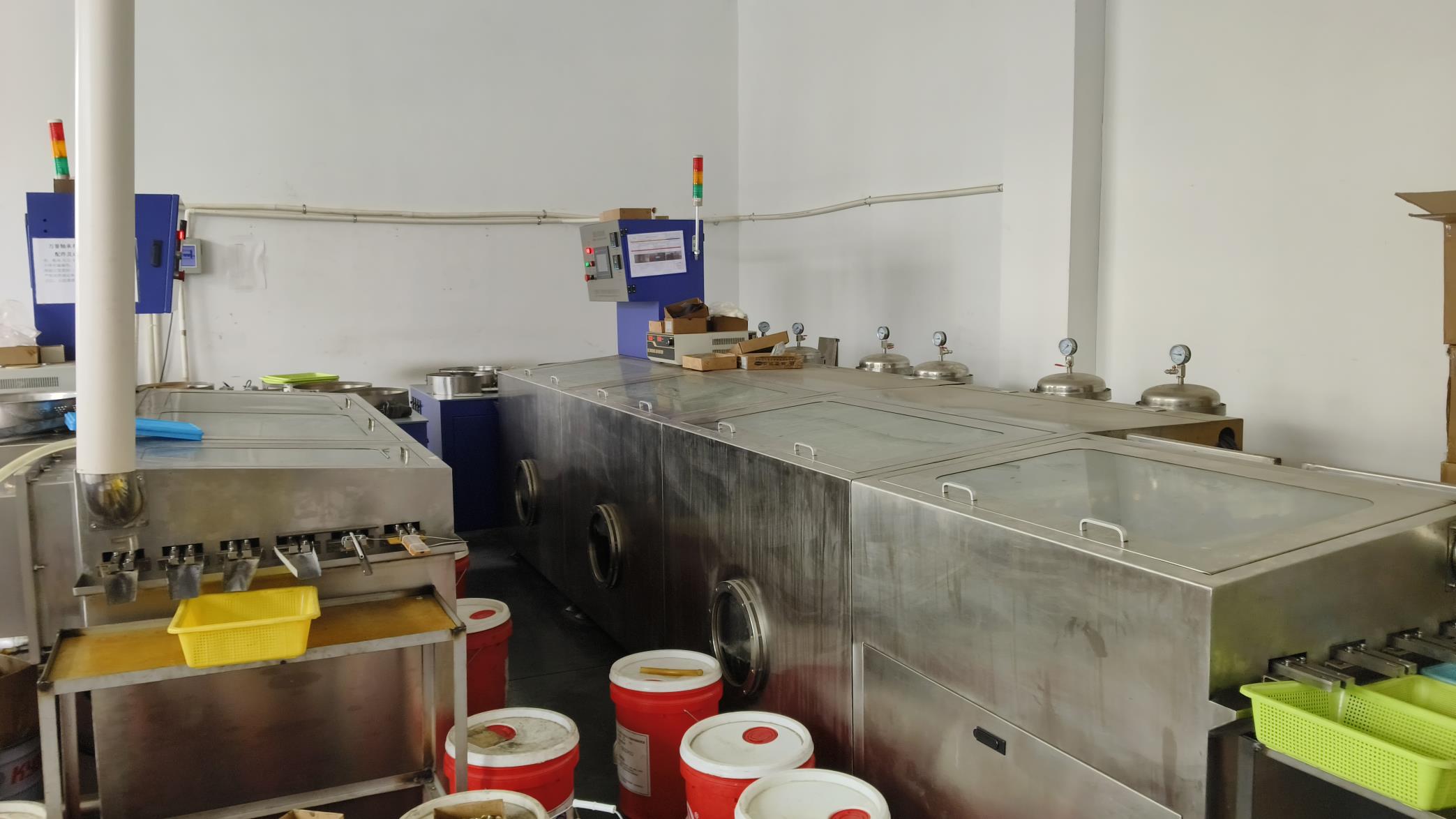
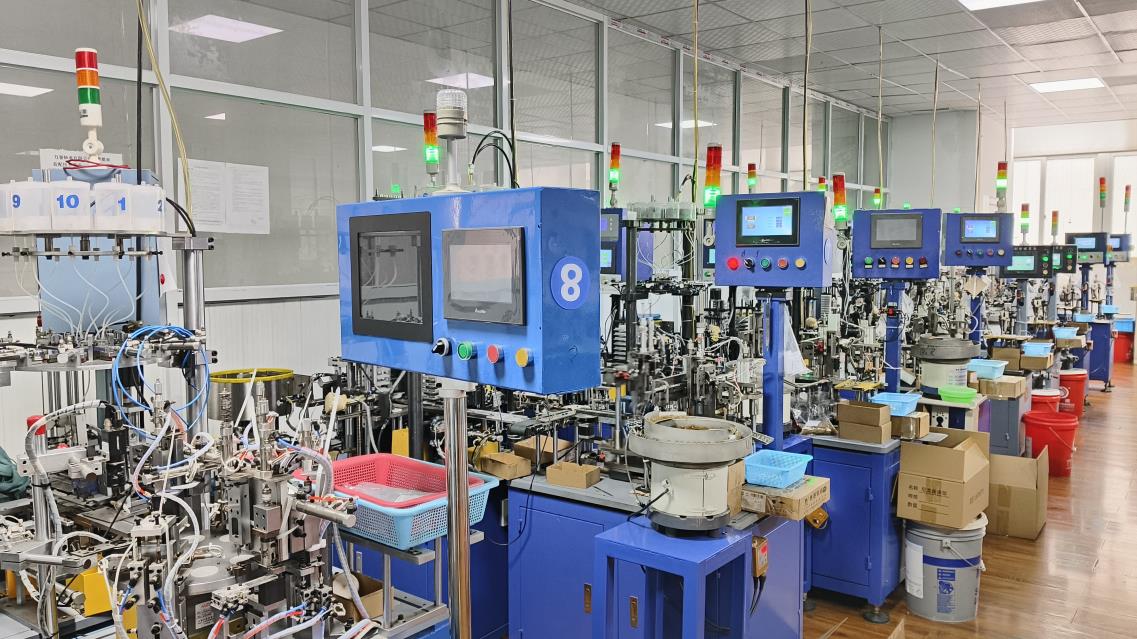
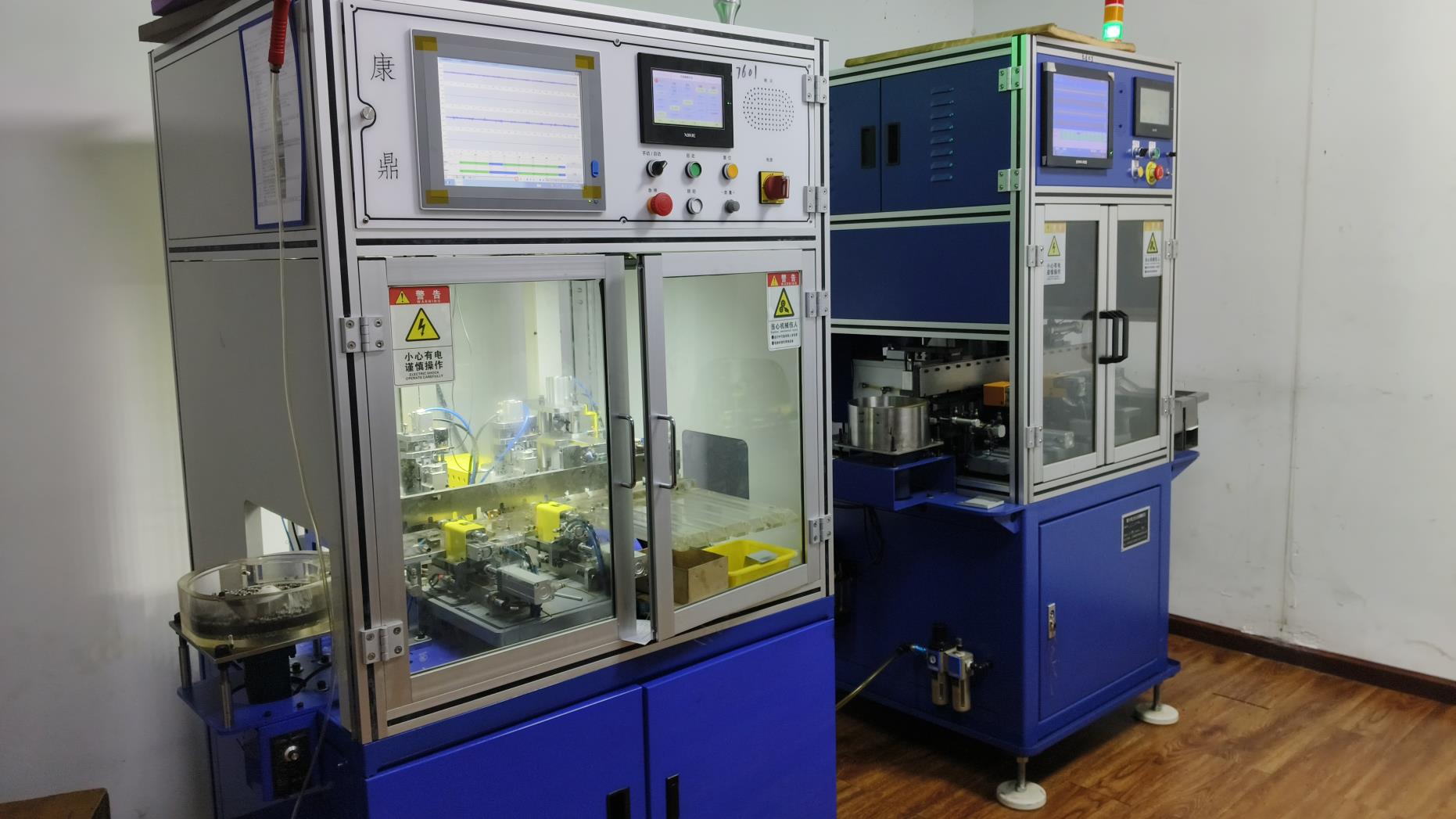
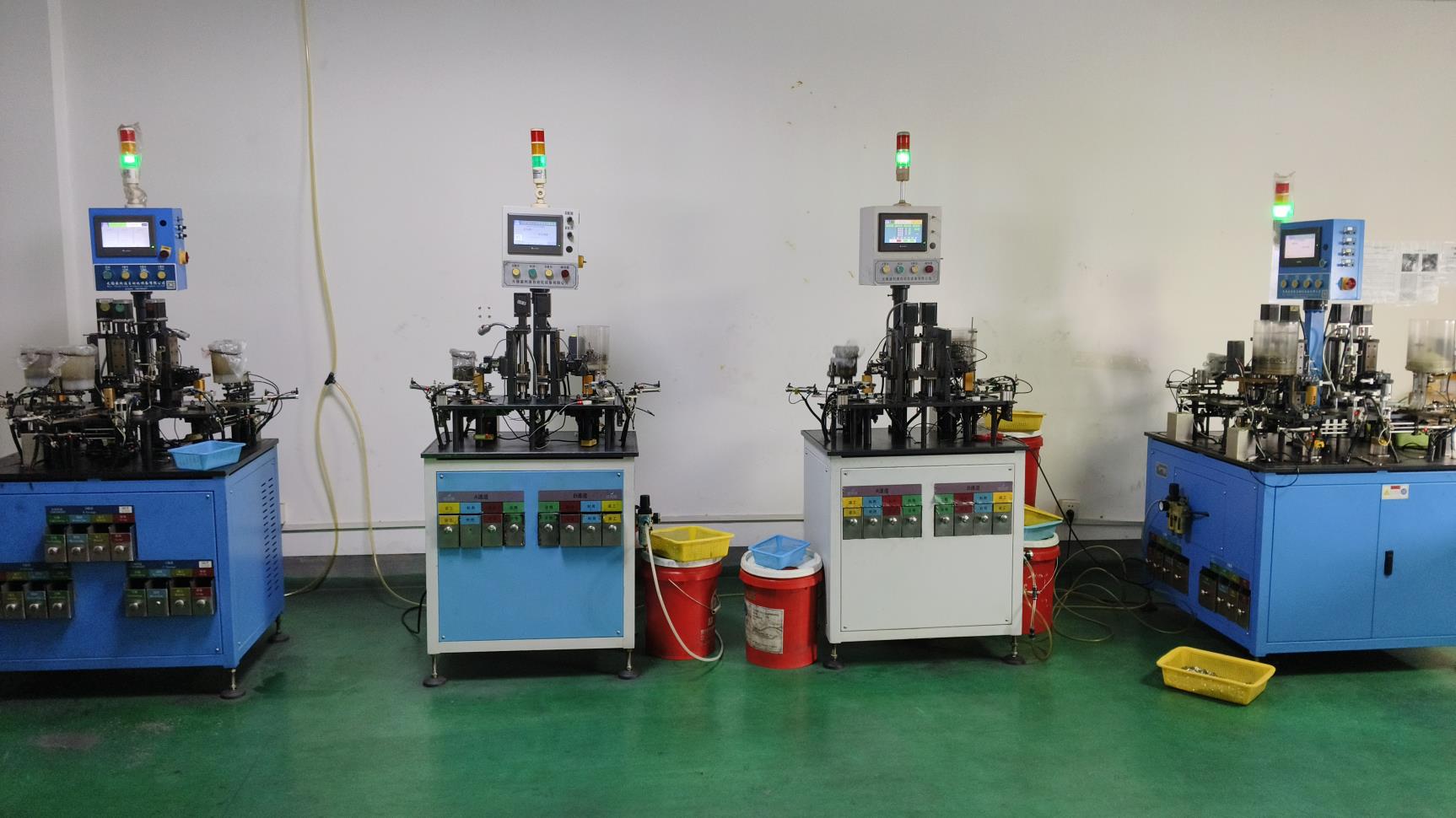
From raw core grinding to dynamic parameter analysis, our integrated facilities combine mechanical and electronic inspection methodologies to deliver flawless parts.
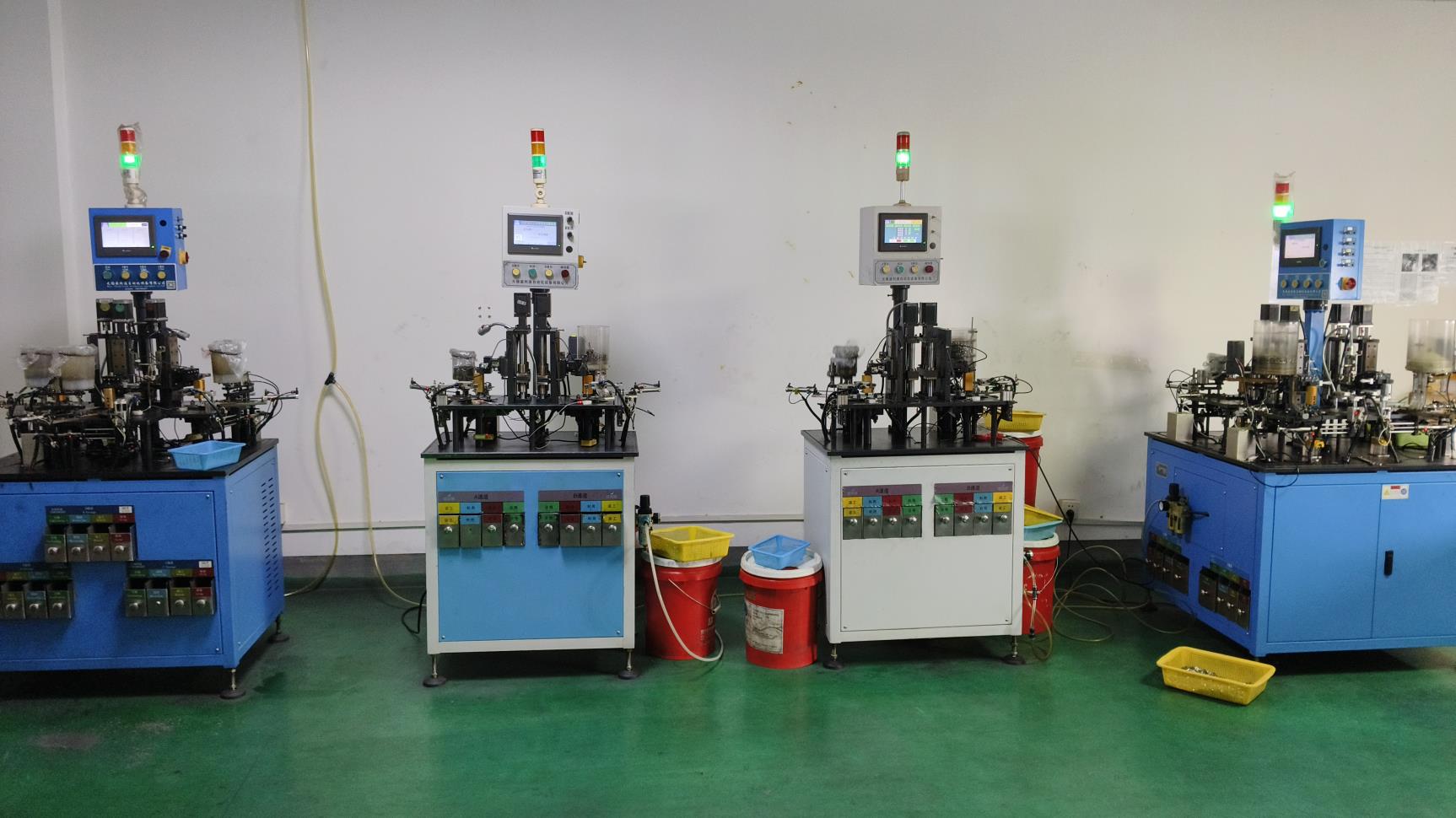
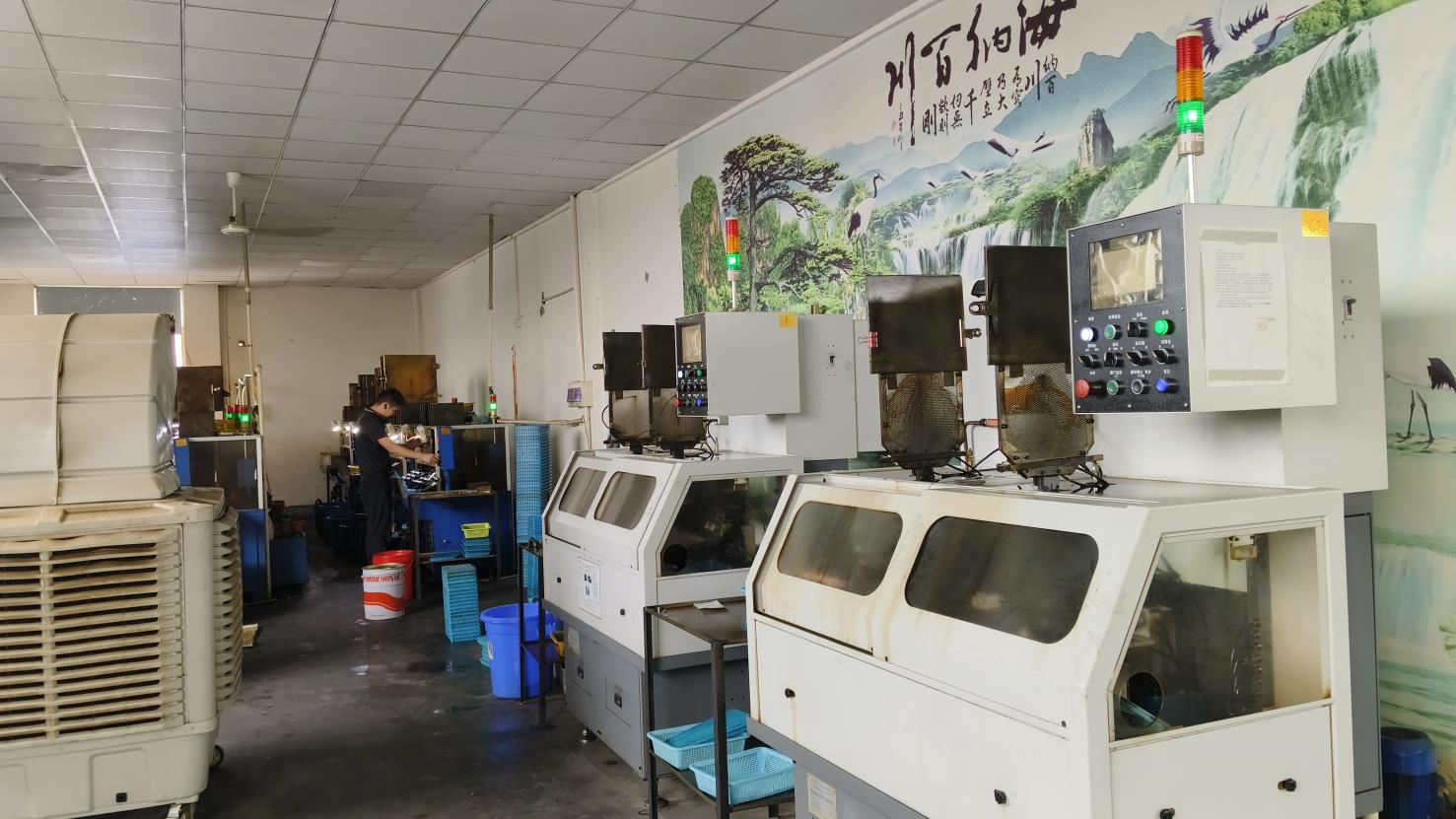
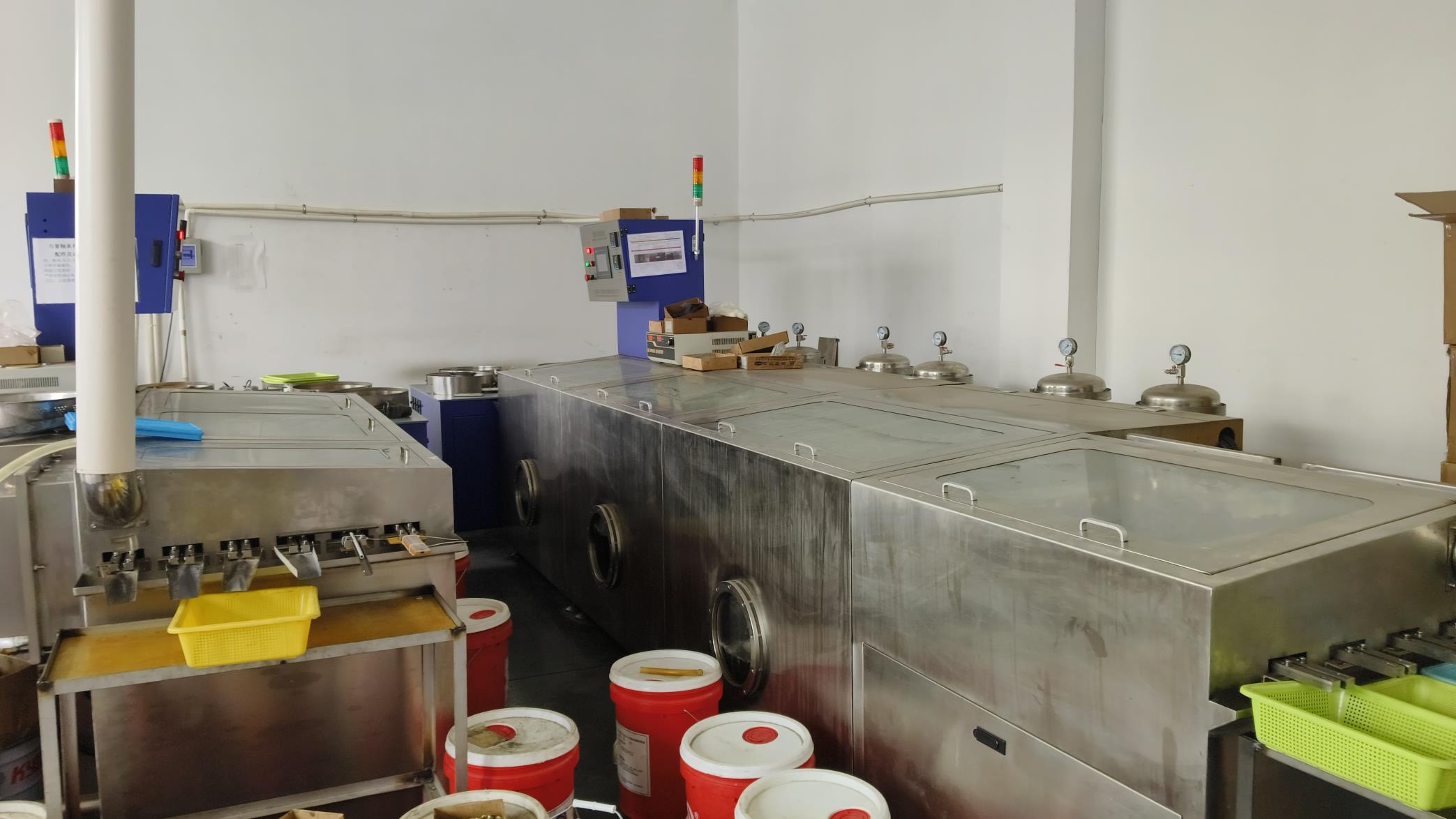
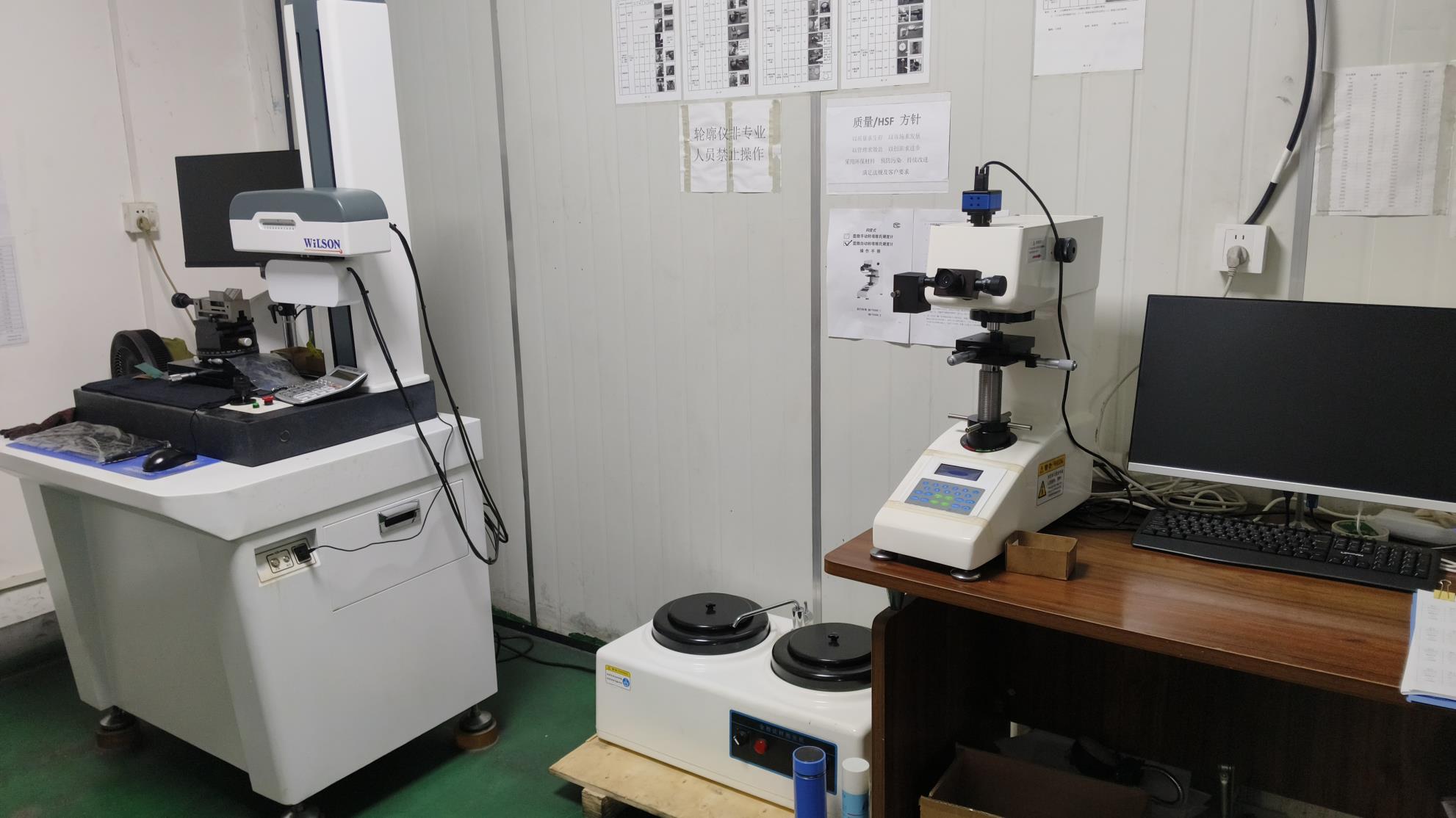
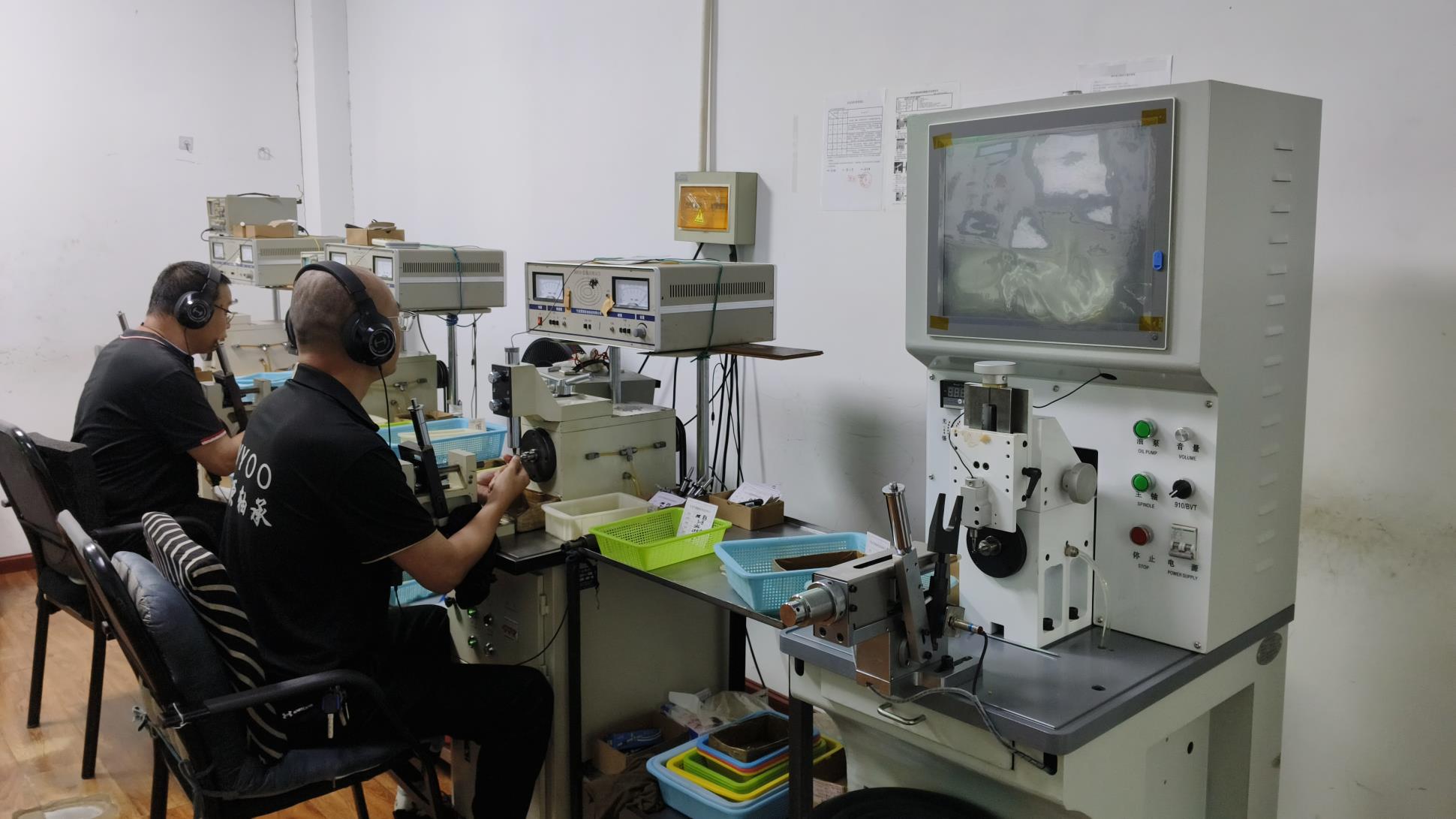
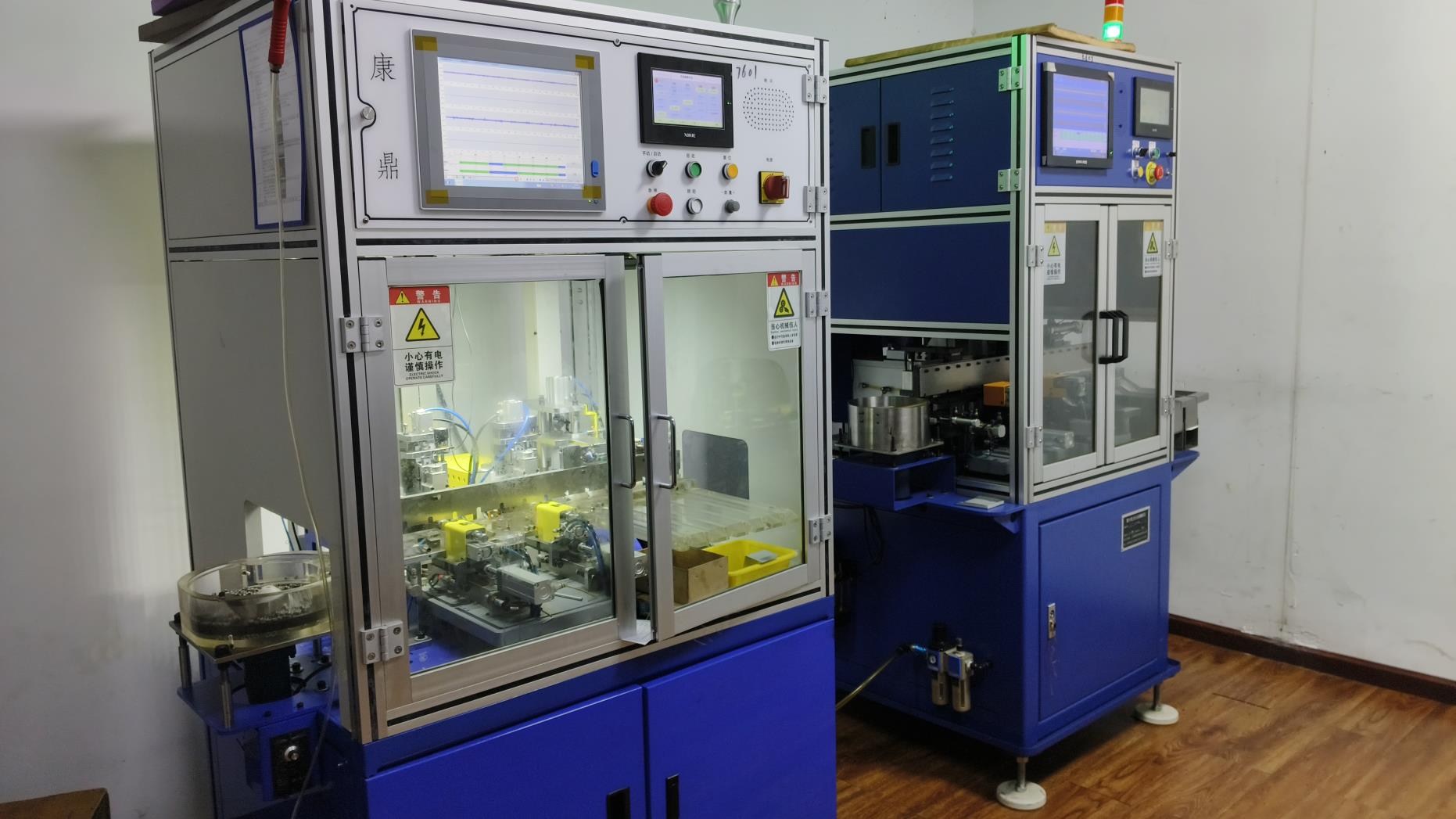
As technology progresses, passive component procurement demands must evolve alongside microchip development. Understanding these macroeconomic trends ensures supply chain resilience.
The push for battery-powered electric vehicles (BEVs) and Advanced Driver Assistance Systems (ADAS) is fueling exponential demand for automotive-grade resistors. Our facilities focus on ensuring parts can withstand thermal shock, structural vibration, and moisture ingress.
As factories integrate automated robotics and smart diagnostic telemetry, miniature components (such as 0201, 01005 SMD chips) with minimal thermal drift are necessary to assure long-term machine calibration.
Inverters used in solar installations and wind energy generators rely on massive power-resistor banks for current bleeding, load balancing, and circuit protection. Scaling these systems requires heavy-duty housing materials and high dissipation indices.
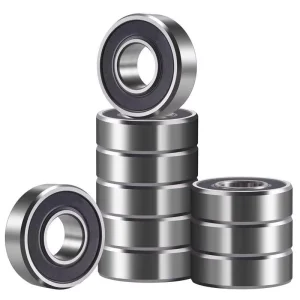
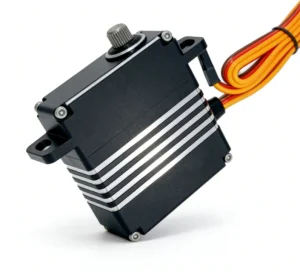
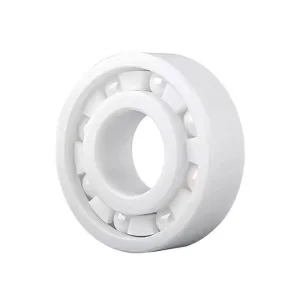
For custom engineering and high-volume operations, resistors must be adapted to integrate seamlessly with adjacent components such as actuators, motors, and bearing assemblies:
Providing actionable search insights for B2B procurement managers, component engineers, and quality assurance specialists.
 TorqPro Motor