High-torque coreless motors, miniature ball bearings, and robotic servo assemblies designed to withstand critical industrial operations.
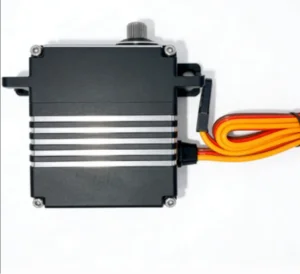
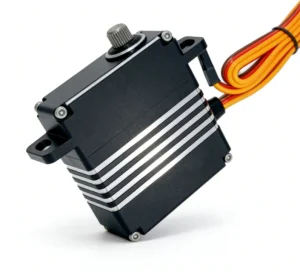
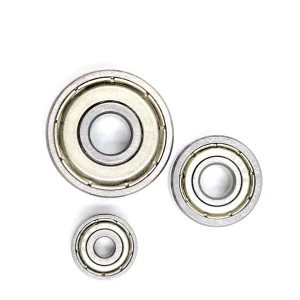
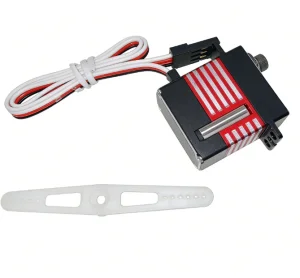
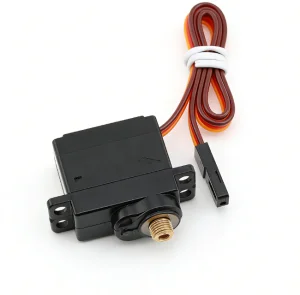
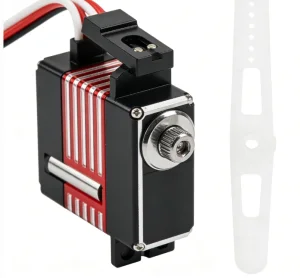
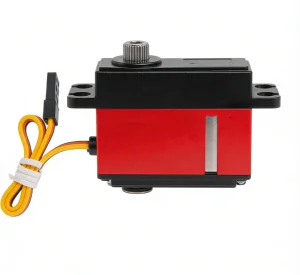
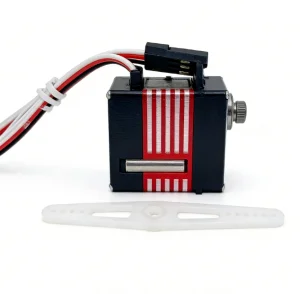
The global manufacturing landscape is witnessing a structural shift towards hyper-miniaturization and high-durability performance components. Engineering-grade plastic injection molding has transitioned from producing simple housings to fabricating complex structural architectures, such as micro-gears, internal mechanical chassis, and high-pressure fluidic diaphragms. In industries like medical robotics, surgical instruments, and automotive sensor systems, components must meet strict micro-tolerance requirements while maintaining structural integrity under high heat, friction, and chemical stress.
Advanced polymer technologies, including PEEK (Polyetheretherketone), LCP (Liquid Crystal Polymer), and POM (Polyoxymethylene), are replacing metals in critical drive assemblies. By utilizing multi-cavity hot-runner tooling configurations and specialized insert overmolding processes, manufacturers can produce components with tighter tolerances, lighter profiles, and significantly reduced unit costs compared to traditional CNC metal machining. This is crucial for global OEMs who need to balance cost-efficiency with high-precision engineering standards.
The robust structural foundation keeping modern, high-precision automation systems moving forward.
Every groundbreaking smart device needs a reliable pulse. TorqPro Motor designs and manufactures high-efficiency micro-drives that serve as the invisible, robust core inside next-generation robotics, smart home applications, and aerospace medical tools worldwide.
We operate on a simple philosophy: Engineered to last. Built to fit. By blending advanced automation with a passion for micro-engineering, TorqPro Motor provides global B2B clients with the transparency of a local engineering partner and the massive scale advantages of a top-tier Chinese factory. We don't just sell motors; we build the core axis that keeps your business moving forward. Through our advanced in-house custom OEM injection molding processes, we control the quality of every gear, bracket, housing, and bearing shell from raw material to final assembly.
Why leading global medical, automotive, and industrial technology brands centralize their high-precision component molding in China.
By using modern high-speed CNC centers, EDM equipment, and automated mold flow simulations (CAE), our engineering teams can complete Design for Manufacturing (DFM) reviews within 24 hours. The transition from custom mold steel tooling to T1 sample parts takes just 15 to 20 days, allowing our clients to significantly reduce their product development cycles.
Located in the heart of China's advanced manufacturing corridor, we benefit from direct access to global raw polymer suppliers. Combined with our high-cavitation tooling strategies, we minimize per-part resin consumption and cycle times. This approach lowers piece prices by 30% to 50% compared to Western facilities, without compromising dimensional consistency.
We provide a comprehensive manufacturing solution under one roof. Our services range from design optimization, high-precision custom injection molding, and metal overmolding to secondary CNC post-machining, cleanroom assembly, ultrasonic welding, and final end-of-line electrical/noise level diagnostic testing.
Micro Molding Tolerances
Global Resins Certified
In-Line Quality Inspected
Monthly Production Capacity
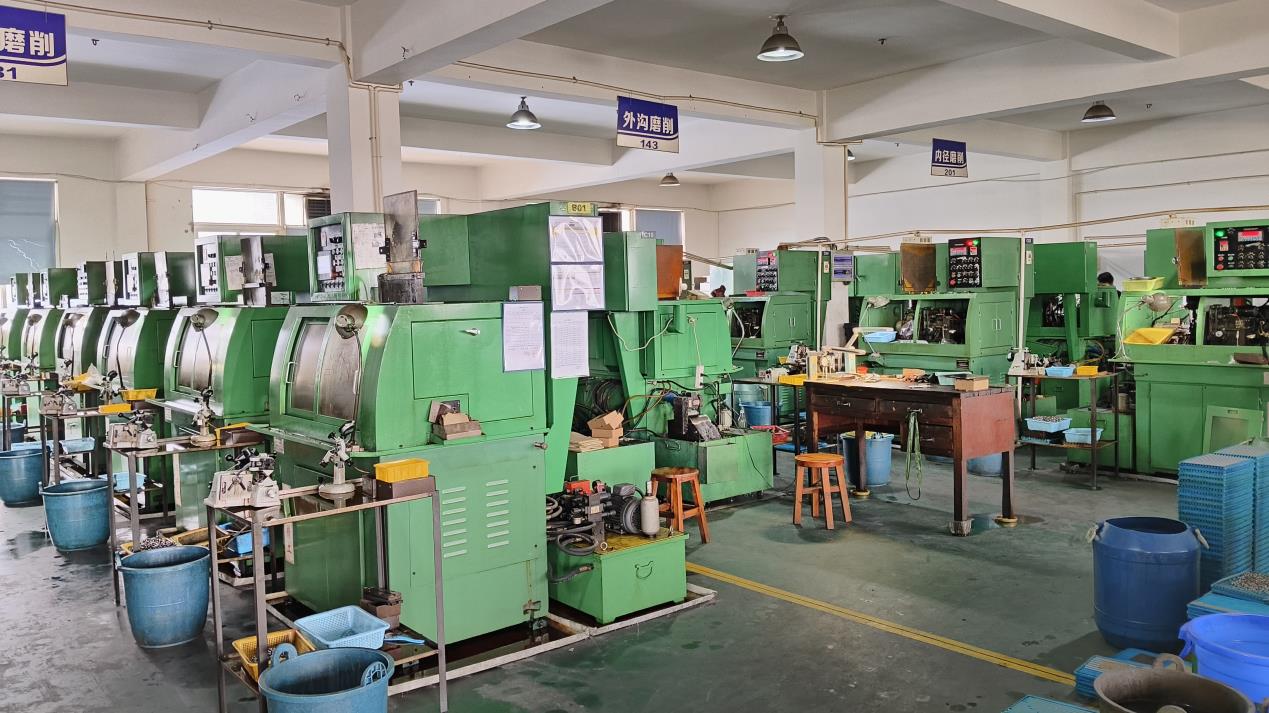
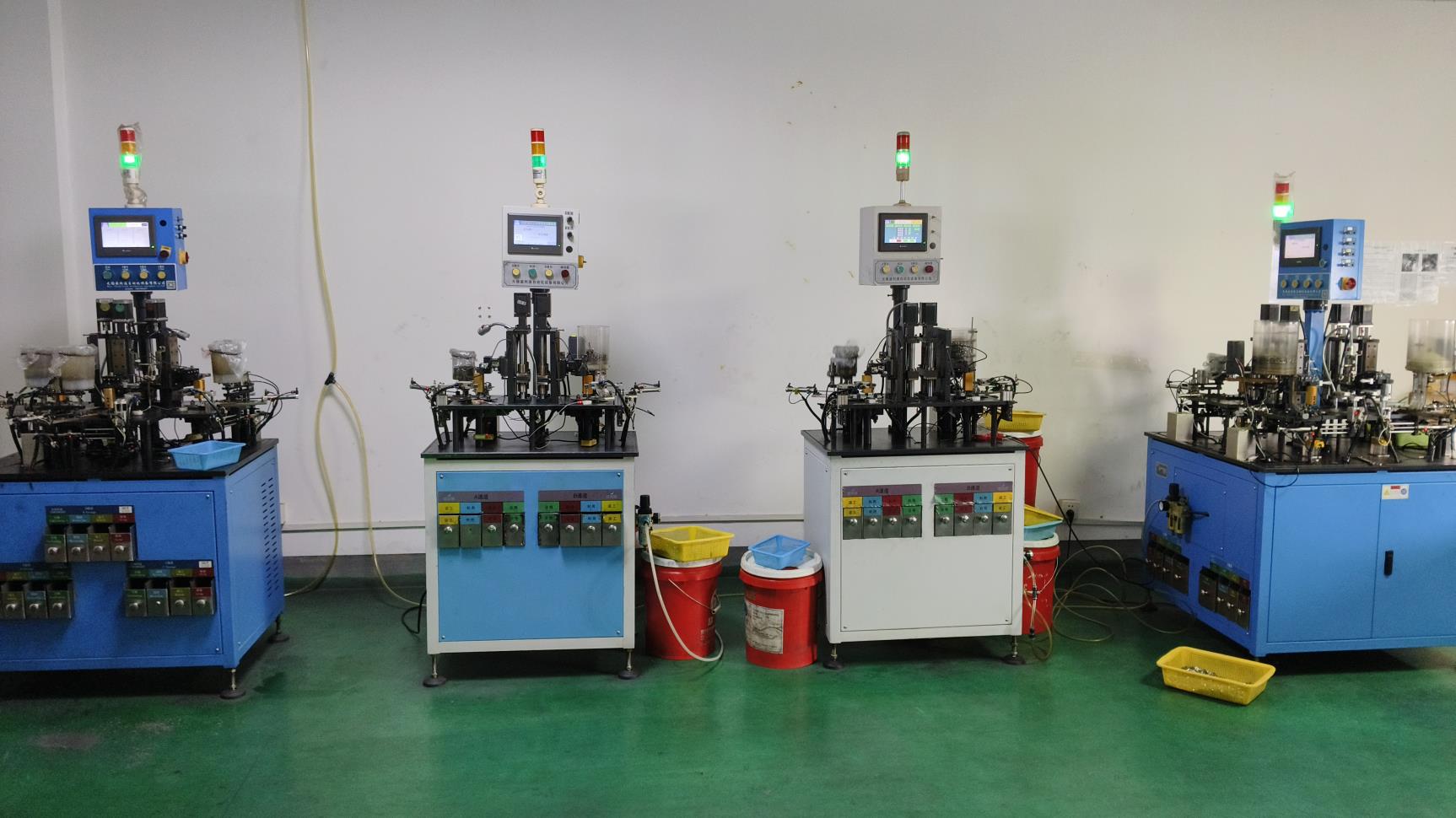
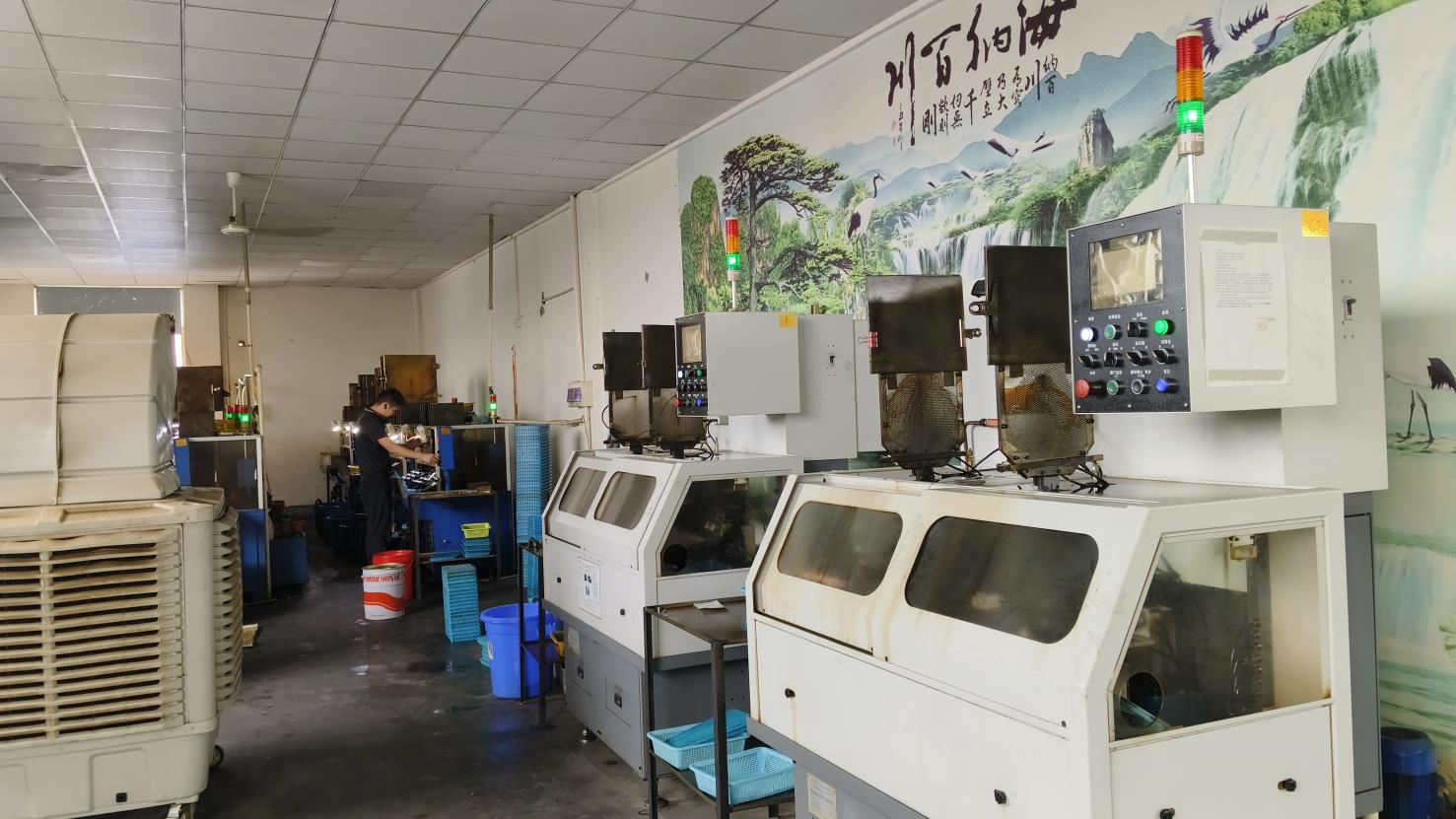
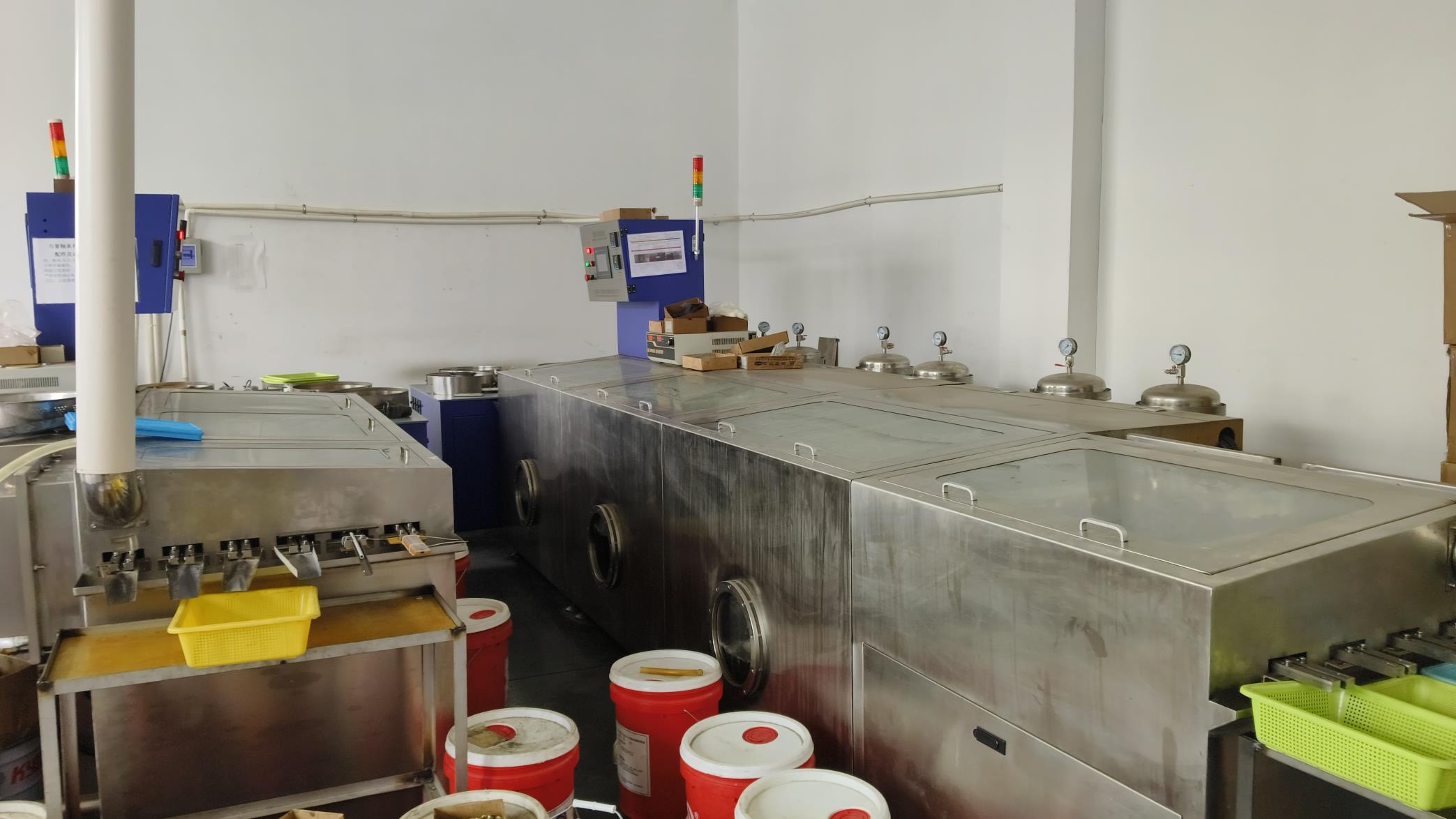
Every step of our process—from ultra-precision grinding to automated decibel testing—is monitored to guarantee consistent, reliable component quality.
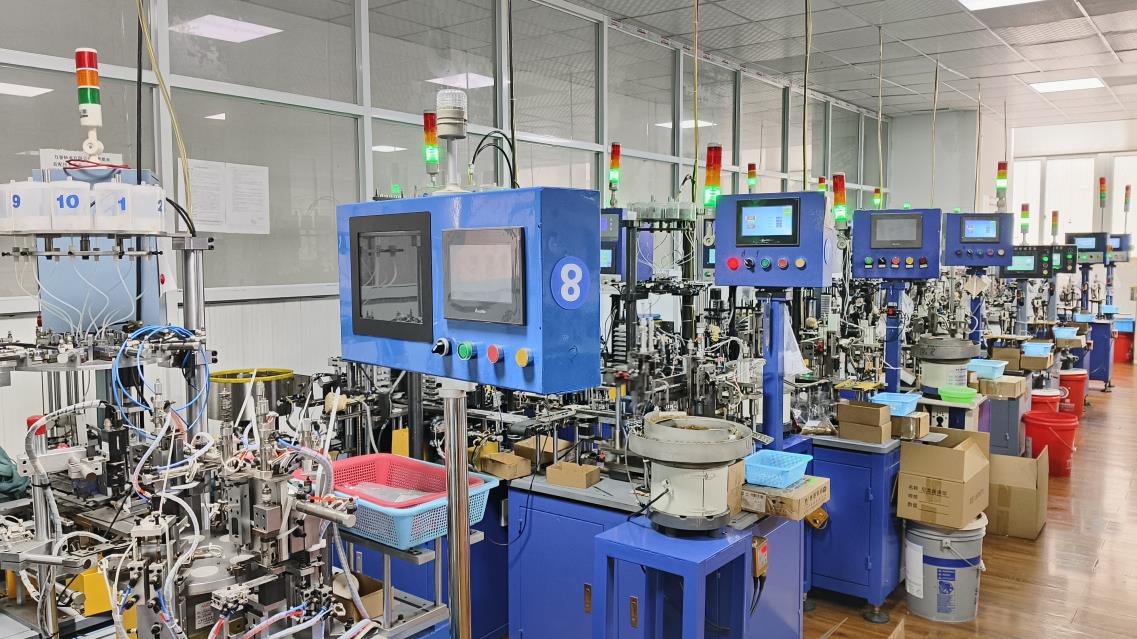
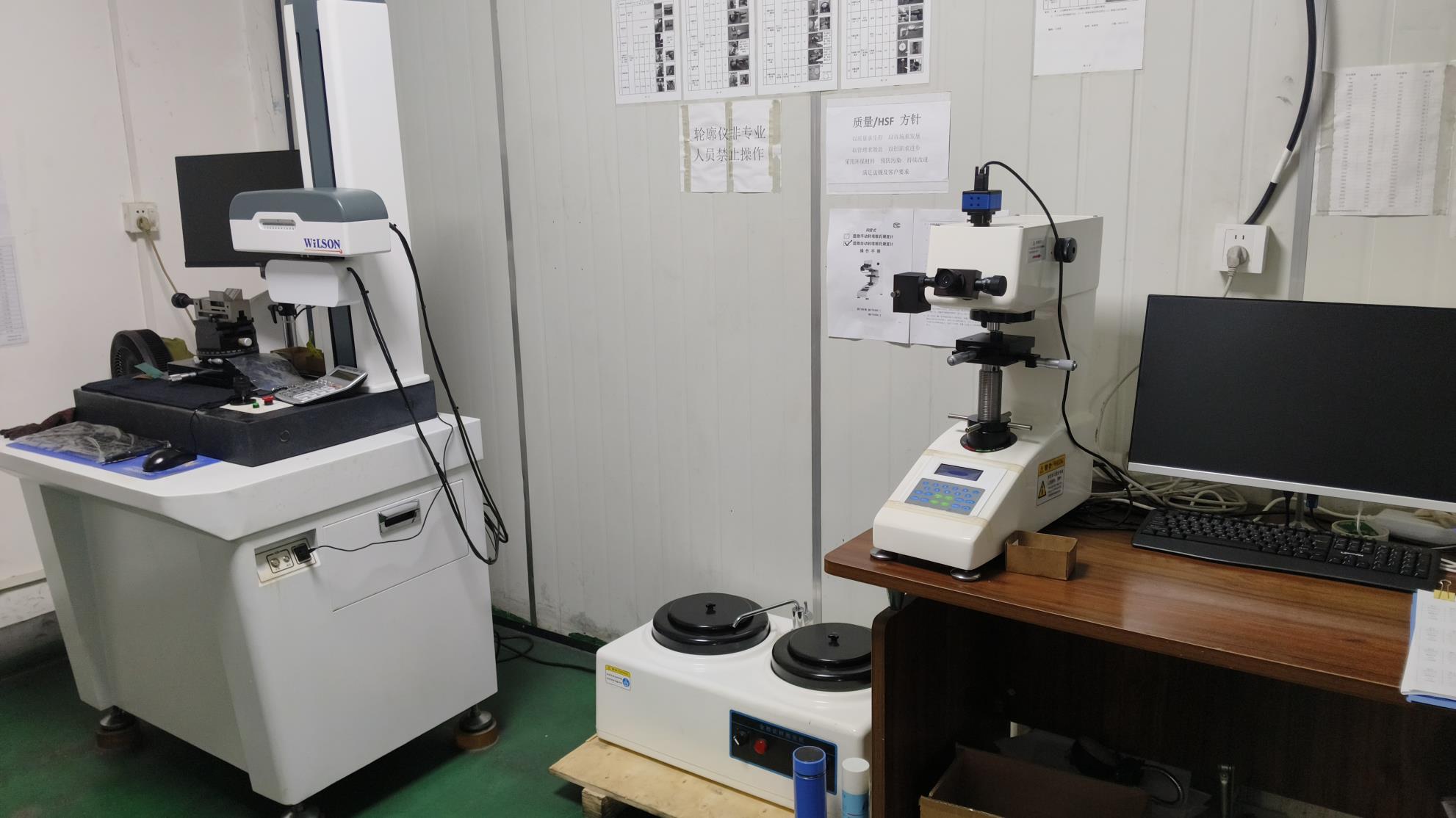
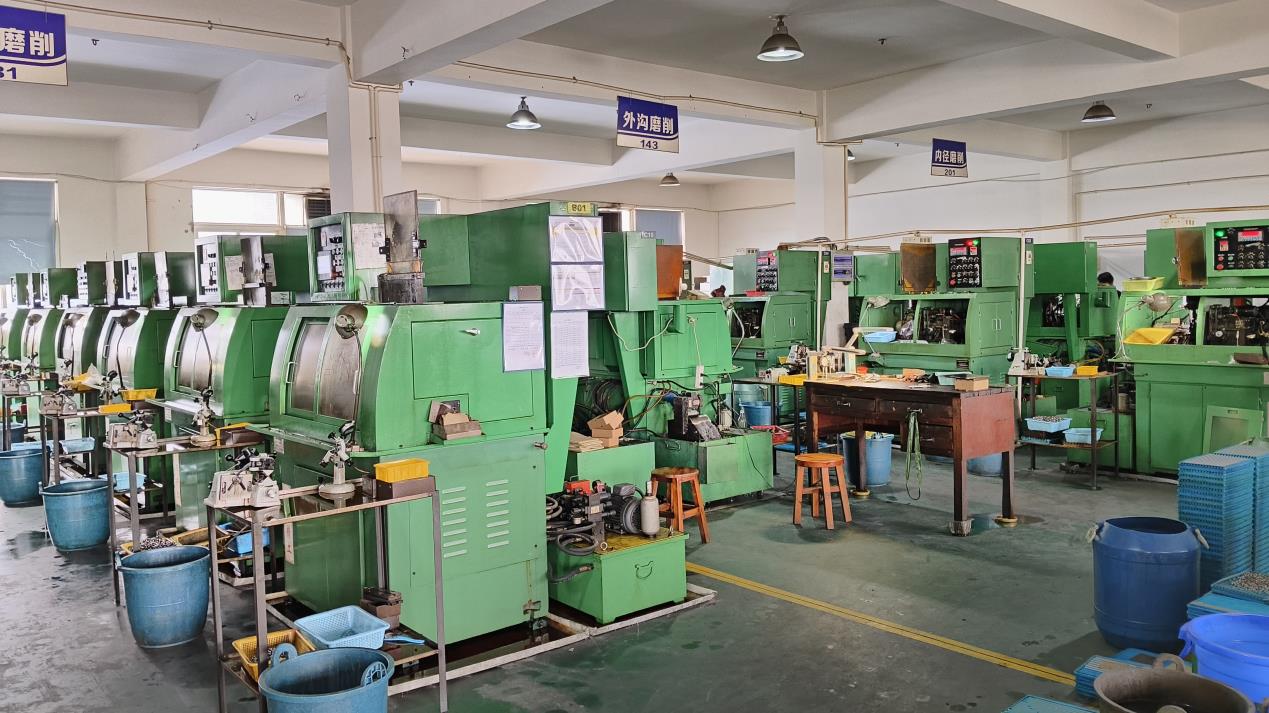
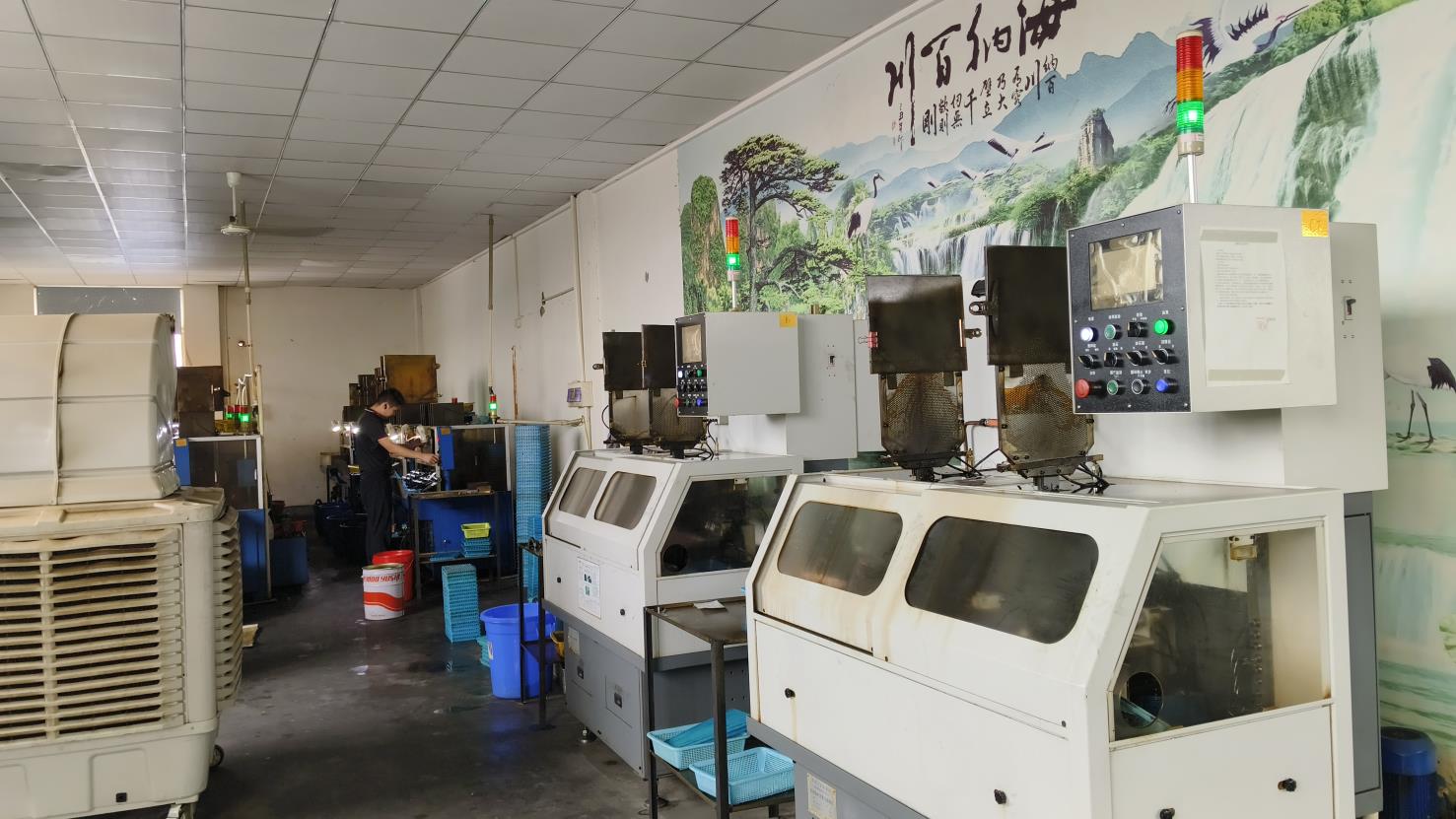
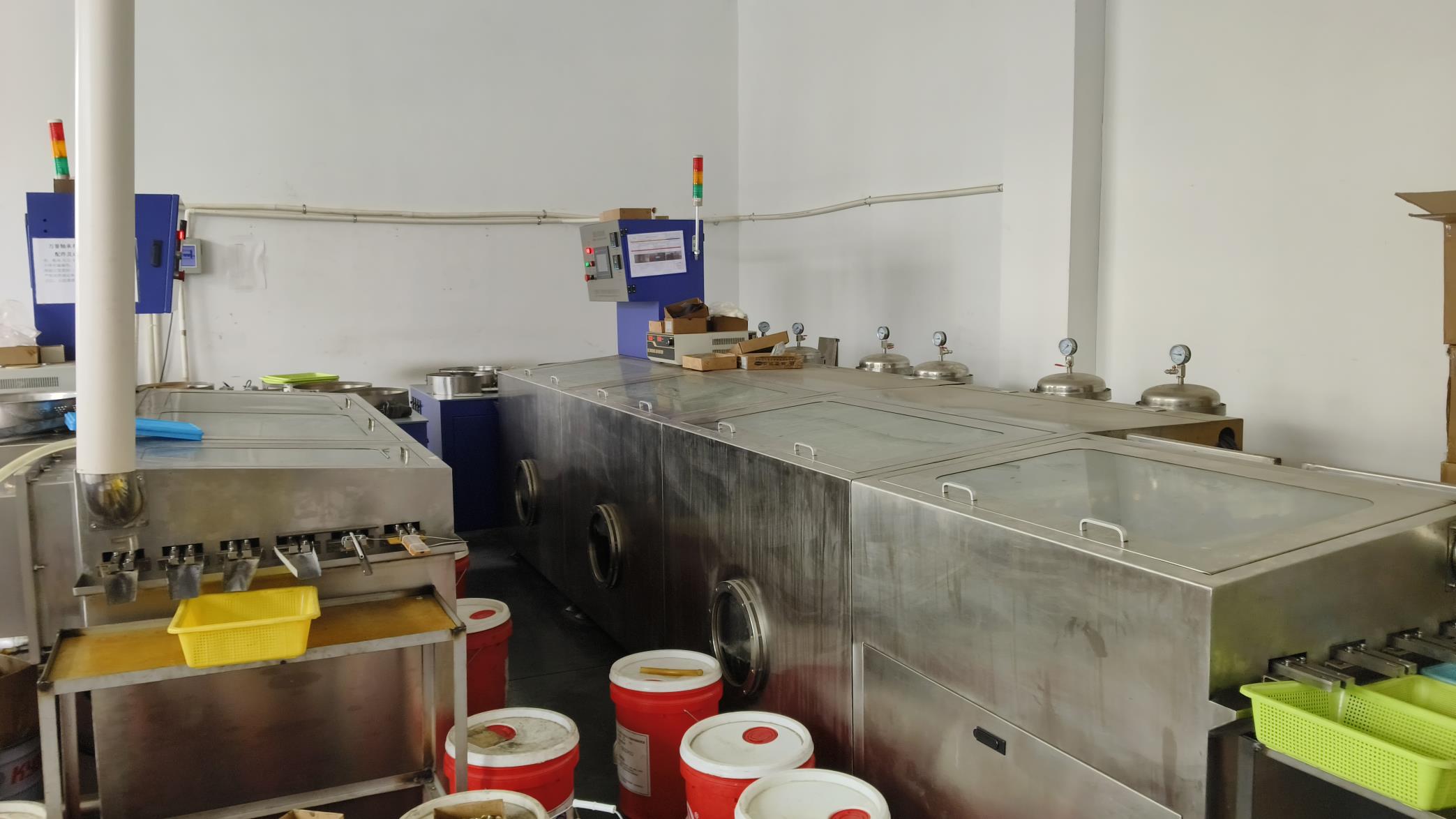
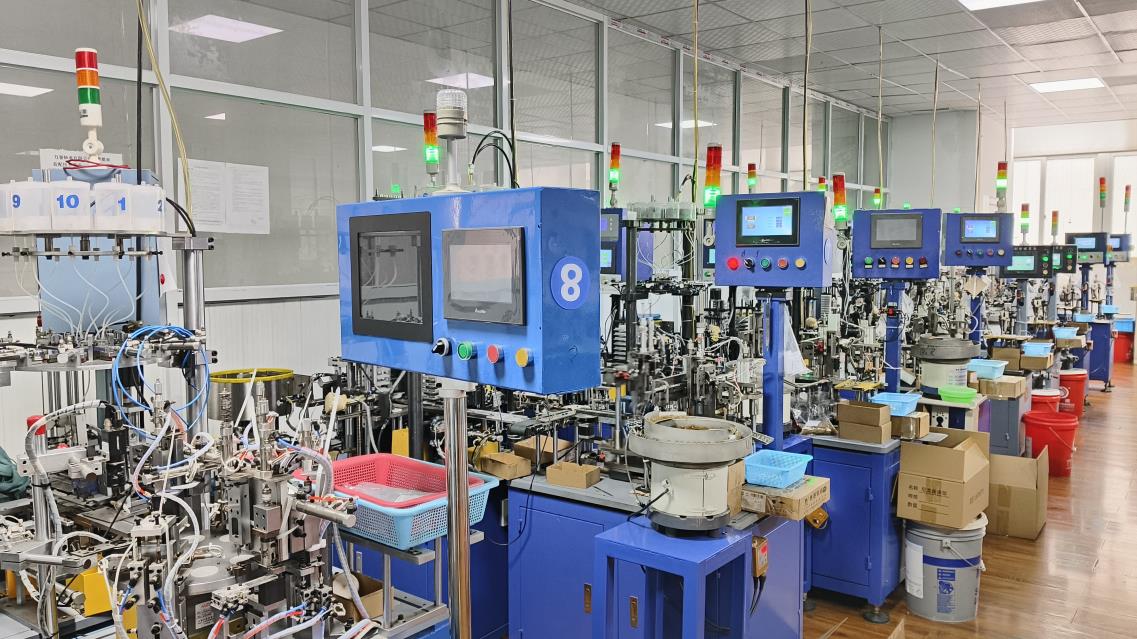
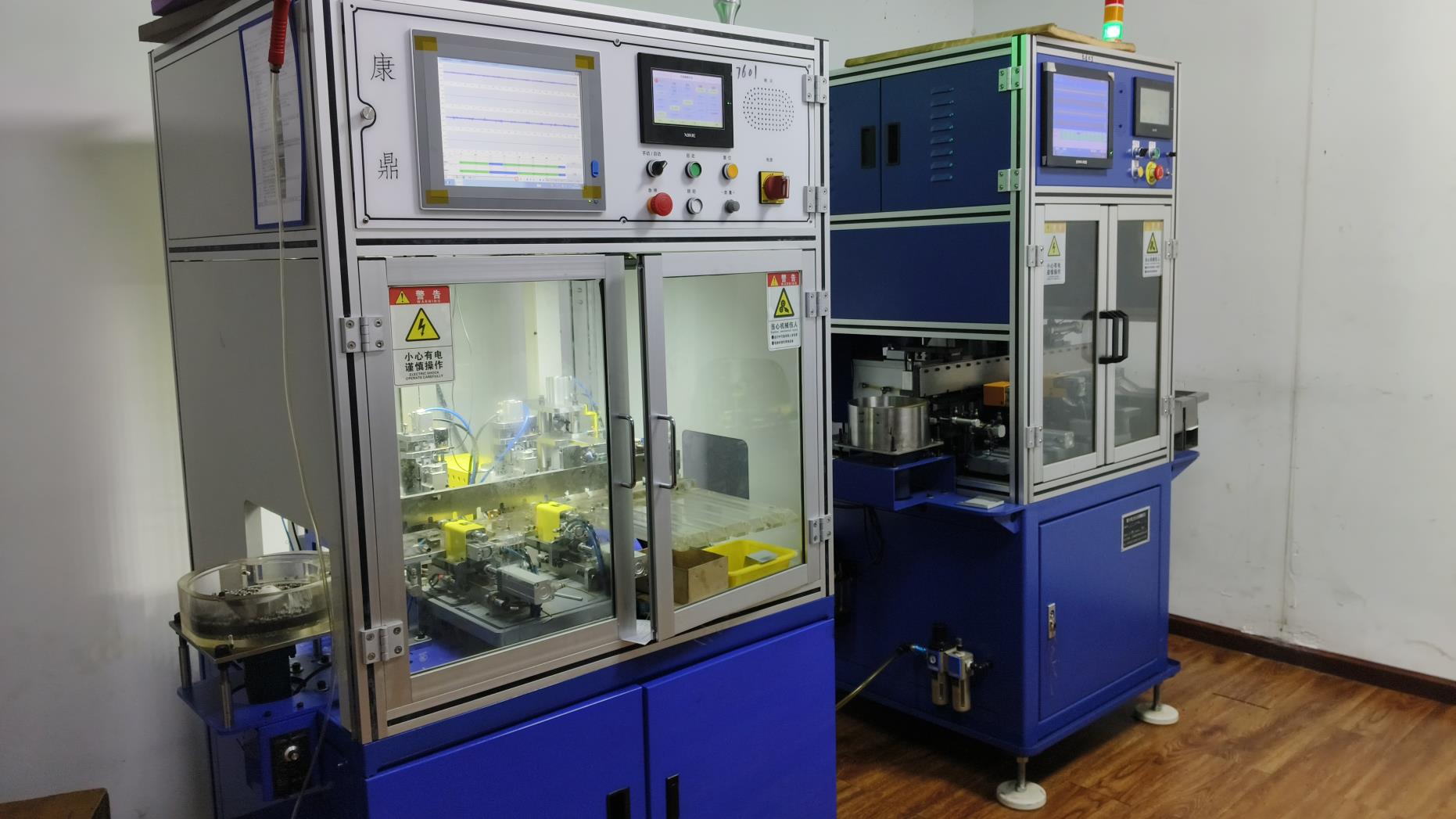
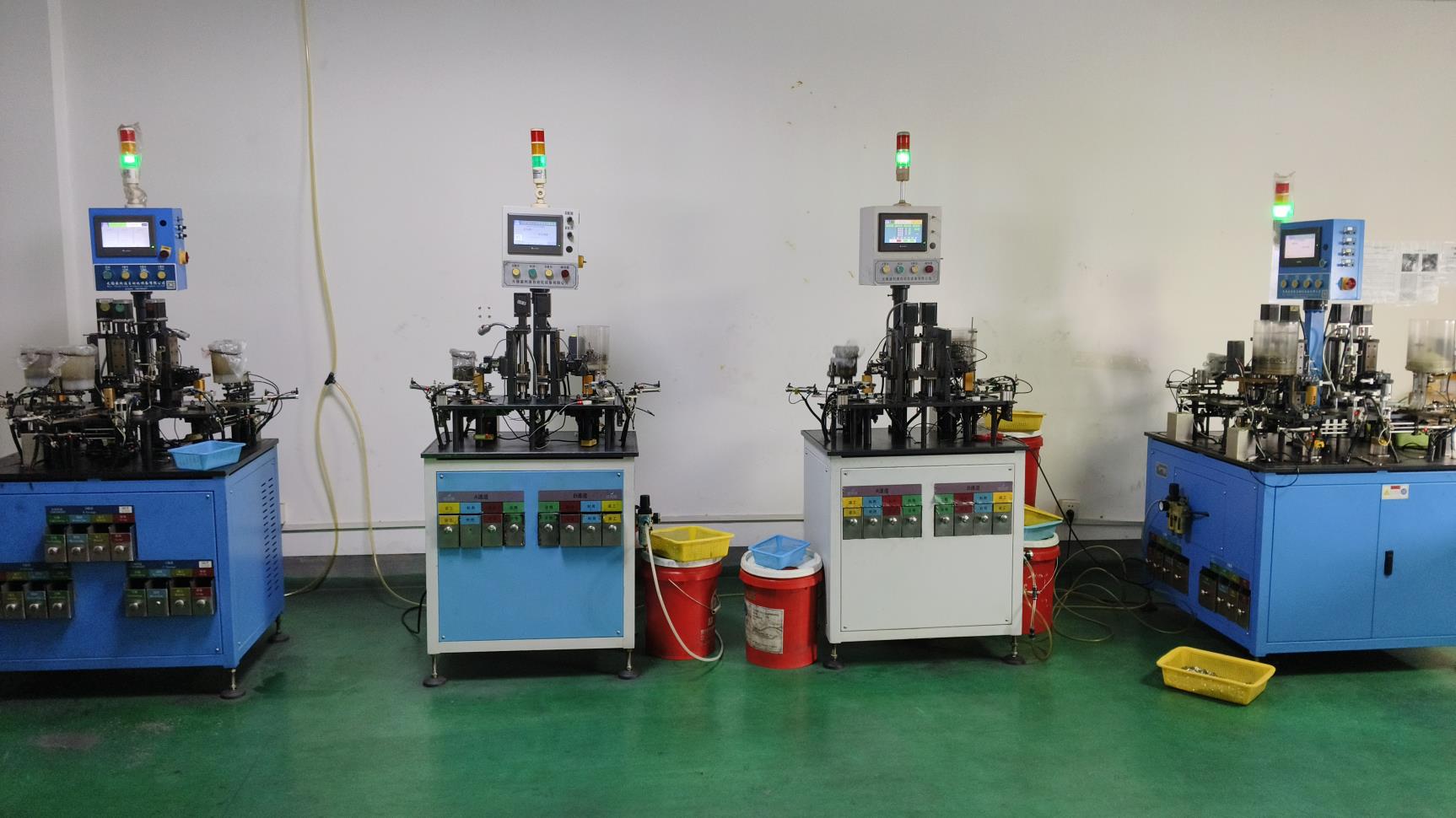
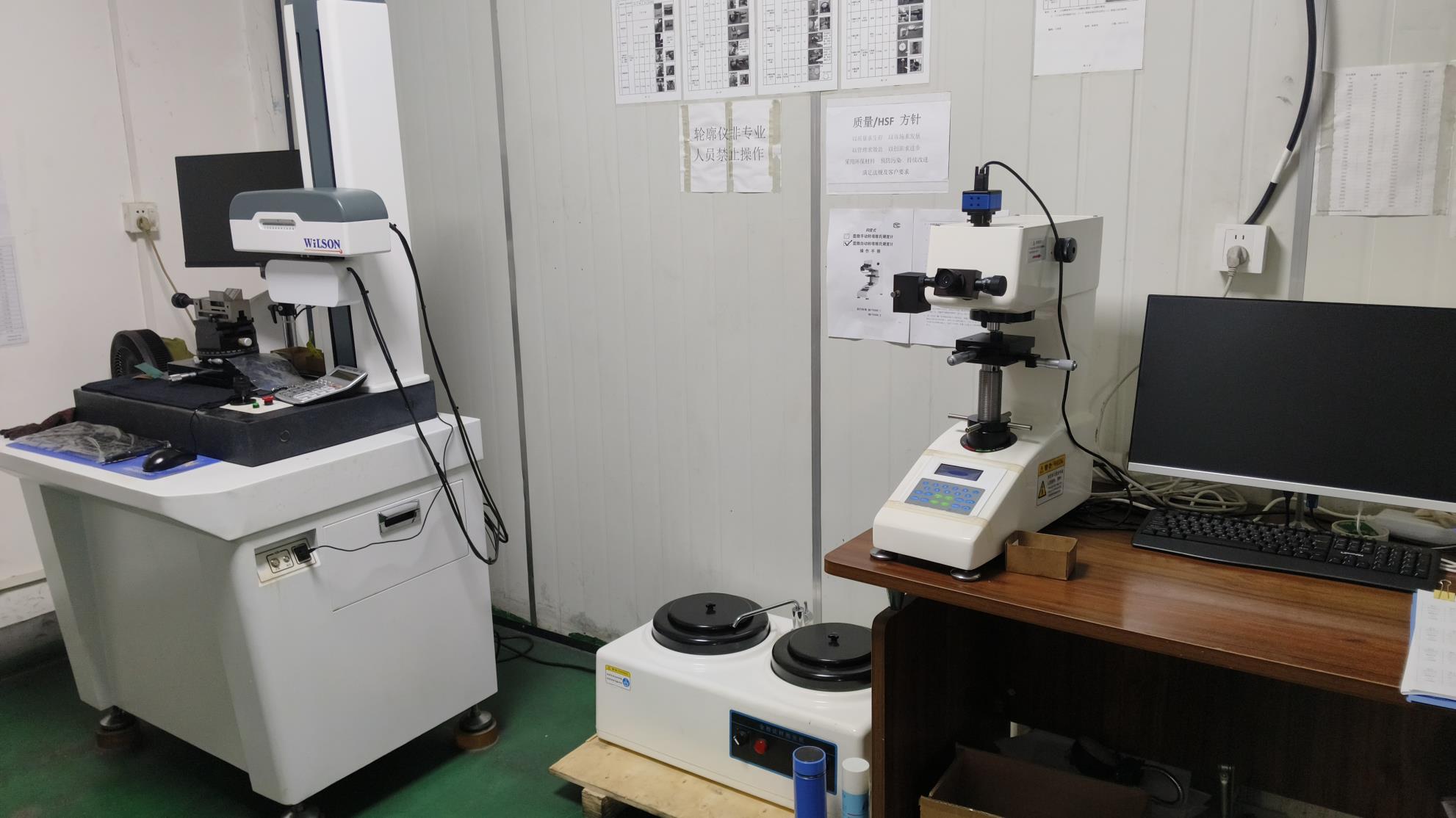
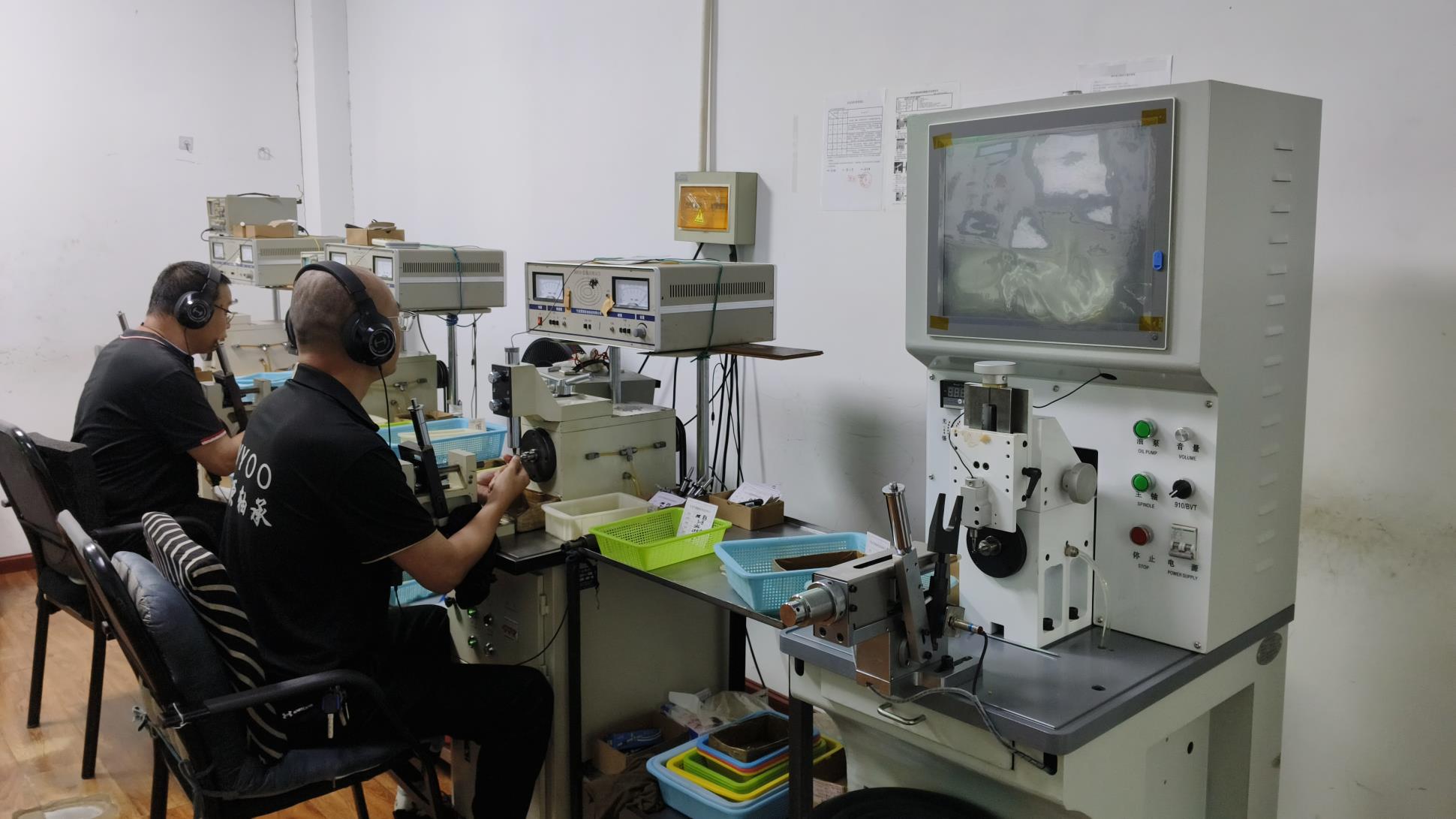
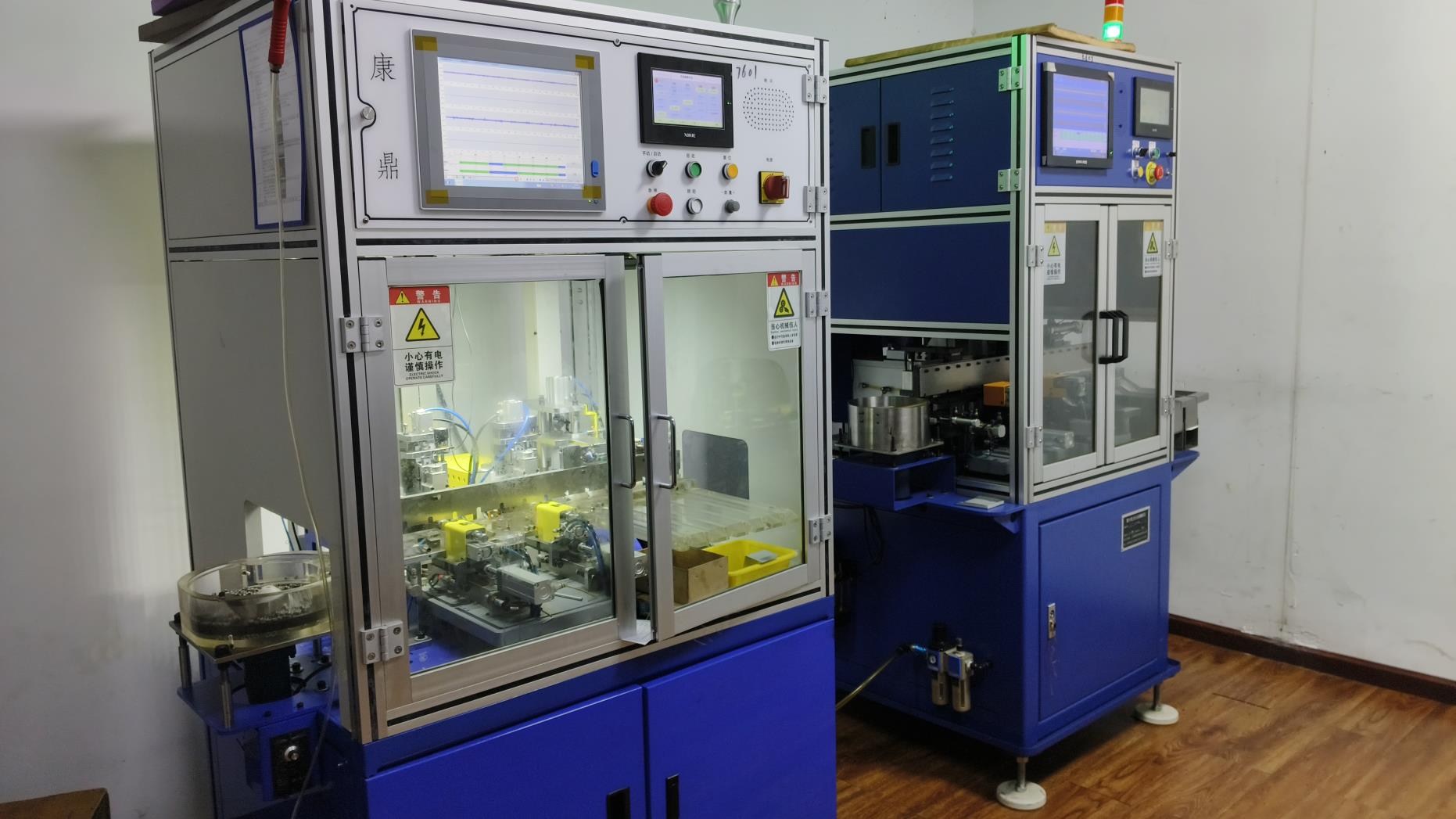
High-precision applications require resolving issues related to polymer shrinkage, gate configuration, and thermal deformation.
Semi-crystalline resins like POM or PBT experience non-uniform volumetric shrinkage during the cooling phase inside the mold cavity. This can cause dimensional deviations or structural warpage in gear teeth and drive housings. To address this, our engineers use advanced CAE Moldflow simulation software to optimize runner designs, control cooling gate locations, and maintain uniform wall thicknesses. Controlling mold tool temperature is essential to ensure high dimensional stability, especially for gear profiles and thin-walled parts.
When manufacturing components like planetary gearboxes and micro-motors, combining plastic gears or housings with metal shafts or electrical terminals requires precise overmolding processes. We pre-heat the metal inserts and load them into the mold cavities using robotic systems. This control over mold temperatures and injection speeds prevents micro-cracks along the metal-plastic interface. The result is a robust mechanical bond that withstands high torsional loads without delamination.
Medical diaphragms and optical sensor parts require exceptional surface quality. Any micro-voids, flashes, or grease contamination can compromise system performance. Our production lines use dedicated precision grinding stations and multi-stage ultrasonic cleaning baths. This ensures every molded part and miniature bearing housing is free of debris, particulates, and surface imperfections before moving to automated assembly.
Global supply chain managers look for suppliers that offer both manufacturing capabilities and strict adherence to international quality standards. TorqPro Motor maintains a documented quality management system that ensures complete material traceability from raw polymer resin batches to shipped products. We work closely with certified testing institutions to verify compliance with RoHS, REACH, and FDA standards for medical-grade parts.
Our quality verification process integrates coordinate measuring machines (CMM), optical projectors, automated aperture detectors, and custom-designed running-test parameters. For parts used in noise-sensitive consumer electronics or medical environments, we run 100% of the assemblies through automated decibel diagnostics. This rigorous testing guarantees quiet, smooth mechanical operations, helping our clients minimize supply chain risks and product field failures.
Answers to common technical, tooling, and logistics questions from procurement managers and design engineers.
For high-precision engineering materials such as POM, PEEK, and LCP, we can achieve tolerances of ±0.005mm (5 microns) under controlled cleanroom conditions. These tolerances are critical for gear configurations, planetary gearbox housings, and micro-pump components, ensuring precise mechanical fits and minimizing backlashes.
We typically recommend Polyoxymethylene (POM / Acetal) for gear assemblies due to its high fatigue resistance, low friction coefficients, and dimensional stability. For extreme environments involving high temperatures or corrosive chemical exposure, Polyetheretherketone (PEEK) or Liquid Crystal Polymers (LCP) provide excellent mechanical performance and thermal stability.
We use automated testing systems, including digital parameter testing and automatic decibel detectors, at the end of the production line. Every assembled pump and micro-servo is tested for acoustic noise levels, torque output, current draw, and fluid flow rate to ensure they meet our performance standards before packaging.
After finalizing the DFM report and receiving approval for the 3D drawings, our standard lead time to deliver first-article samples (T1) is 15 to 21 calendar days. This quick turnaround is supported by our in-house CNC machining and wire EDM capabilities.
Yes. We design and manufacture tooling ranging from single-cavity prototype molds to high-volume multi-cavity production molds (up to 64 cavities). We use hot-runner systems from brands like Yudo or Mold-Master to minimize resin waste and optimize cycle times.
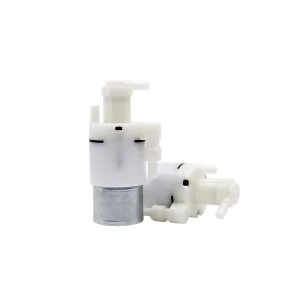
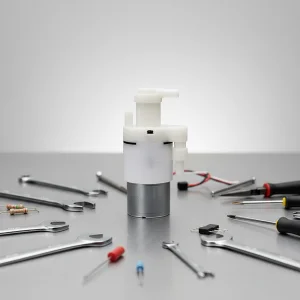
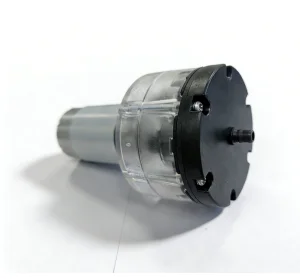
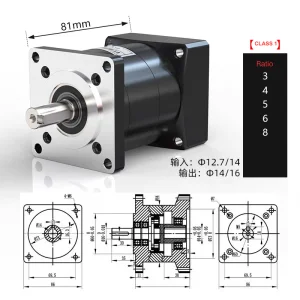
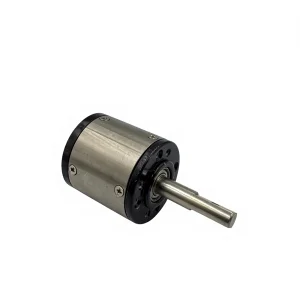
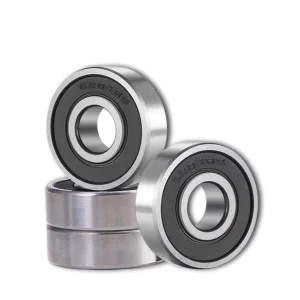
Engineered assemblies combining custom molded components, bearings, and planetary gear sets for precise fluidic and motion control.
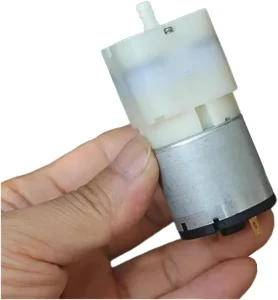

 TorqPro Motor