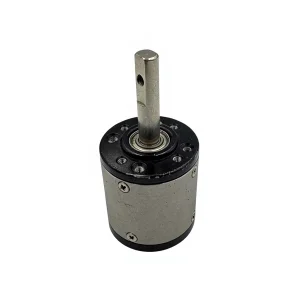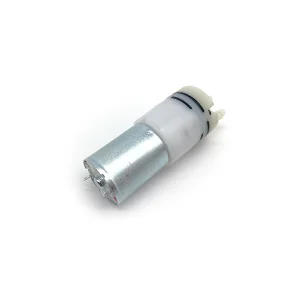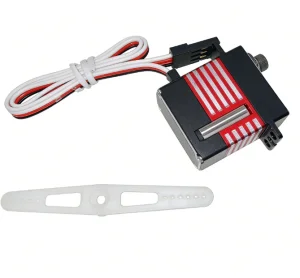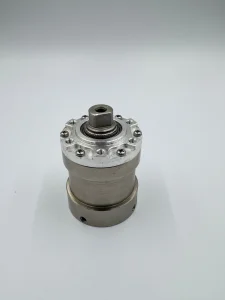
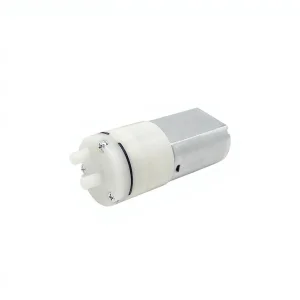
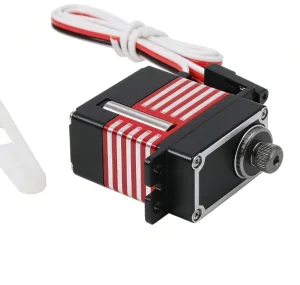
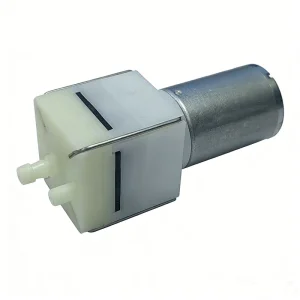
Every groundbreaking smart device, automated feeder, industrial packaging system, and vacuum hopper requires a reliable pulse. TorqPro Motor designs and manufactures high-efficiency micro-drives, precision gearboxes, and custom fluid/air pumps that serve as the invisible, robust core inside next-generation industrial automated machinery, robotics, agricultural hoppers, and aerospace medical tools worldwide.
By blending advanced automation with a deep passion for micro-engineering, TorqPro Motor provides global B2B clients with the transparency of a local engineering partner and the massive scale advantages of a top-tier Chinese factory. We don't just sell motors and accessories; we build the core axis that keeps your hopper discharging mechanisms, vacuum conveyances, and production machinery moving forward.
A comprehensive engineering study on mass flow dynamics, electro-mechanical discharge control, and global procurement paradigms for next-generation hopper systems.
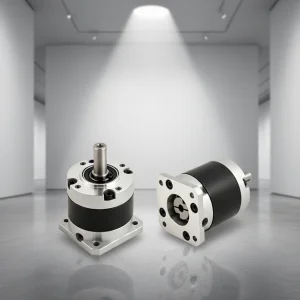
In bulk material handling, the hopper is far more than a passive funnel. It is the primary flow control interface. Engineers frequently encounter two devastating flow obstructions: bridging (where cohesive particles form a stable arch above the outlet) and ratholing (where material discharges only through a narrow central channel, leaving stagnant material on the hopper walls). Mitigating these issues requires highly engineered active discharge aids. Modern solutions rely heavily on motor-driven vibrators, rotary discharge valves, and micro-conveyors powered by high-torque planetary gearboxes. By applying micro-vacuum aeration via diaphragm pumps, engineers can fluidize cohesive powders, converting funnel flow into a predictable mass flow pattern.
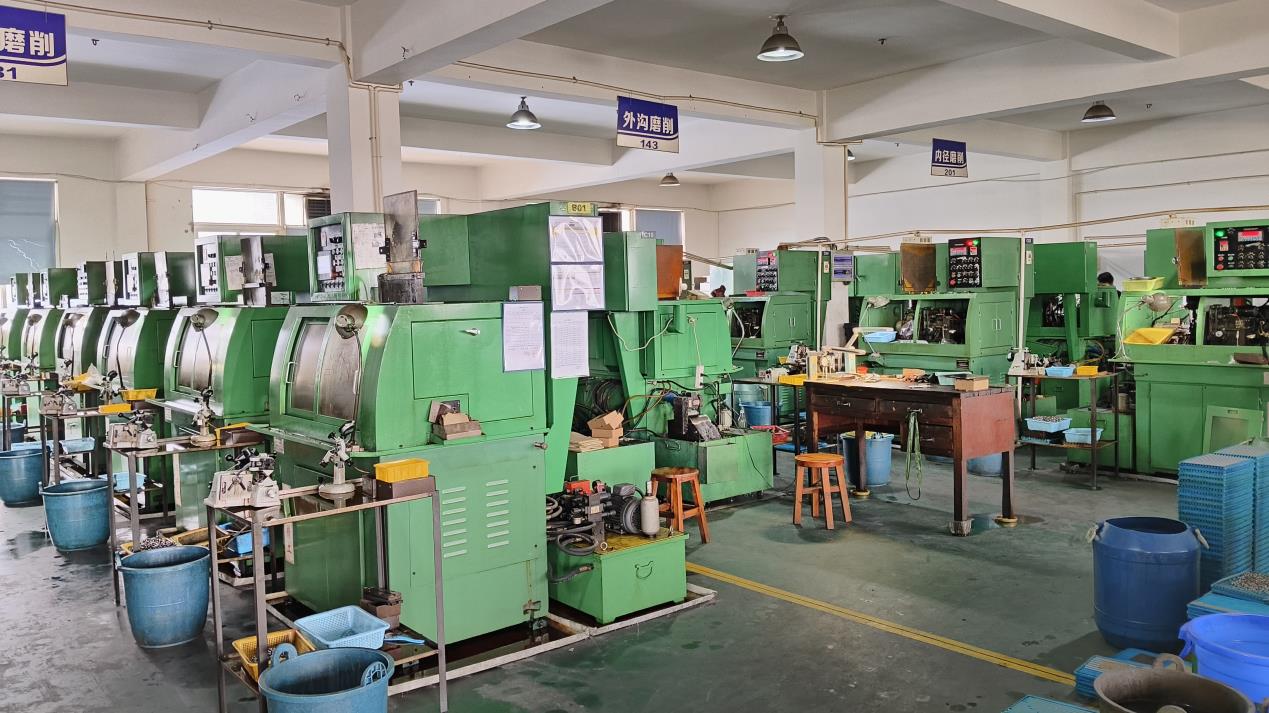
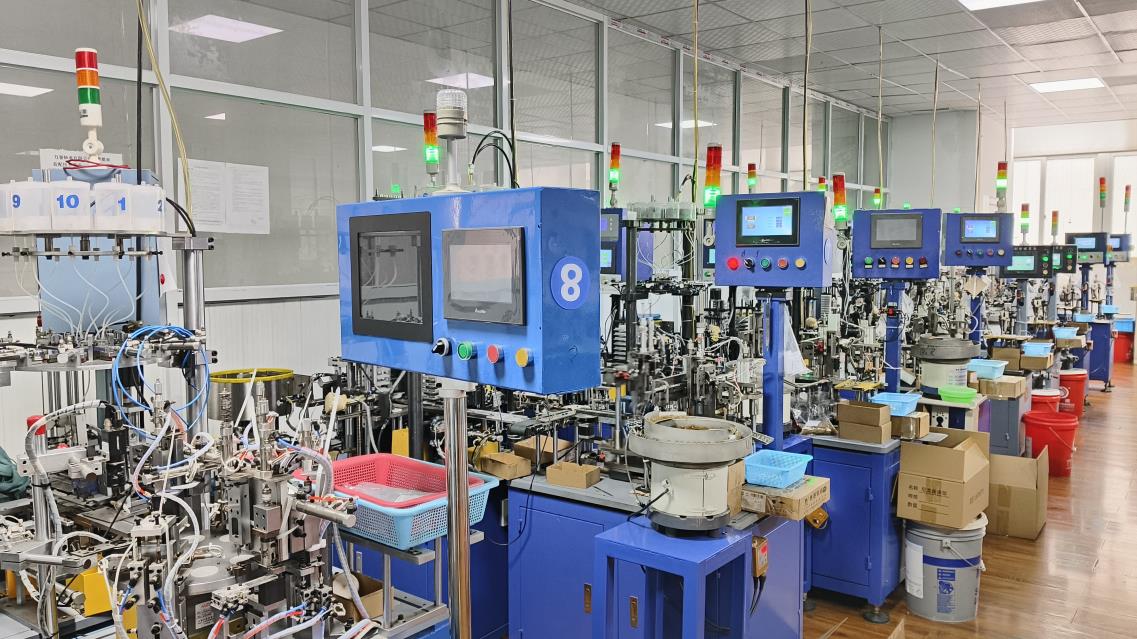
Sourcing hoppers and their mechanical drives from China offers global procurement teams unmatched competitive advantages. It goes beyond simple labor arbitrage. The true value lies in the complete, vertically integrated industrial cluster. From high-grade raw steel sourcing (stainless steel 304, 316L, and food-grade alloys) to state-of-the-art CNC precision turning centers and micro-motor winding facilities, China's manufacturers can transition from custom CAD blueprints to production-ready units within weeks. Furthermore, the convergence of motor drive technology and structural metal fabrication allows factories to ship fully integrated assemblies—tested and certified—reducing assembly and integration costs for Western OEMs.
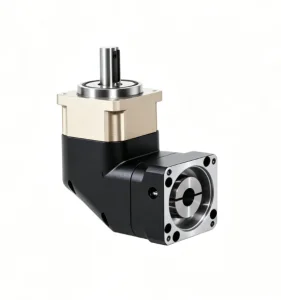
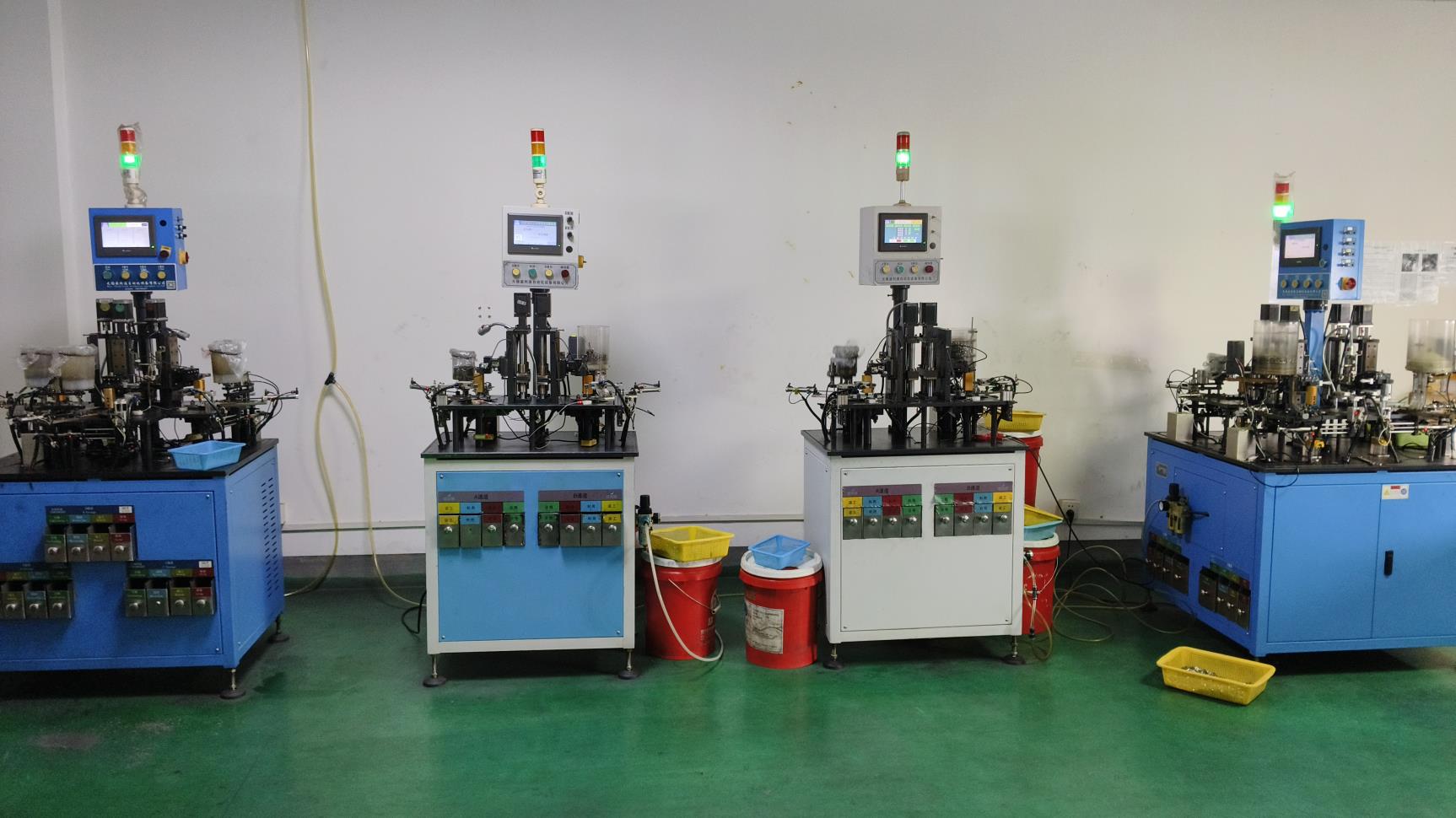
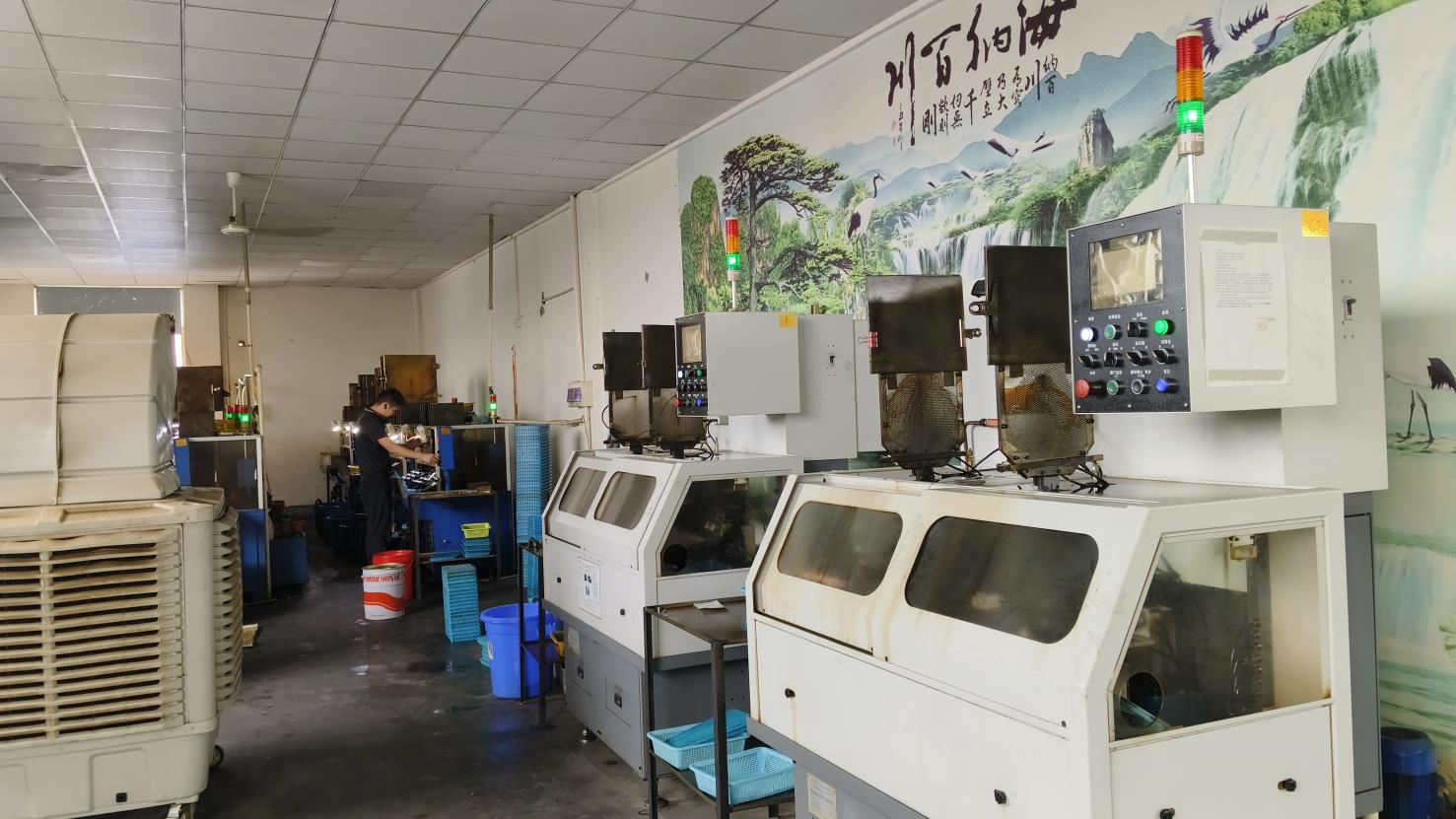
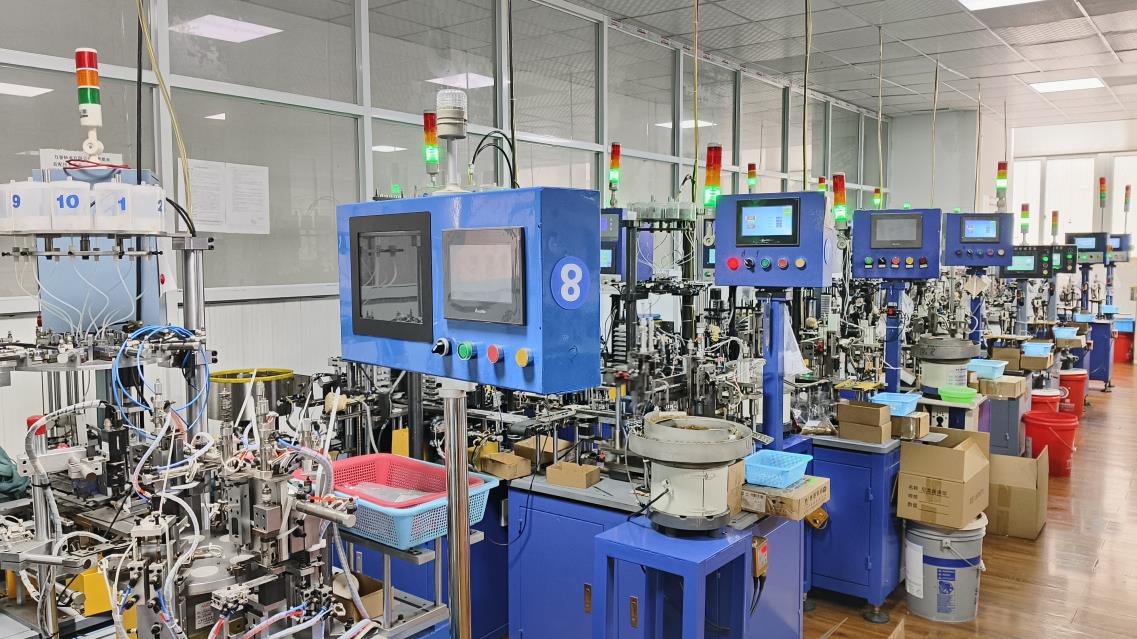
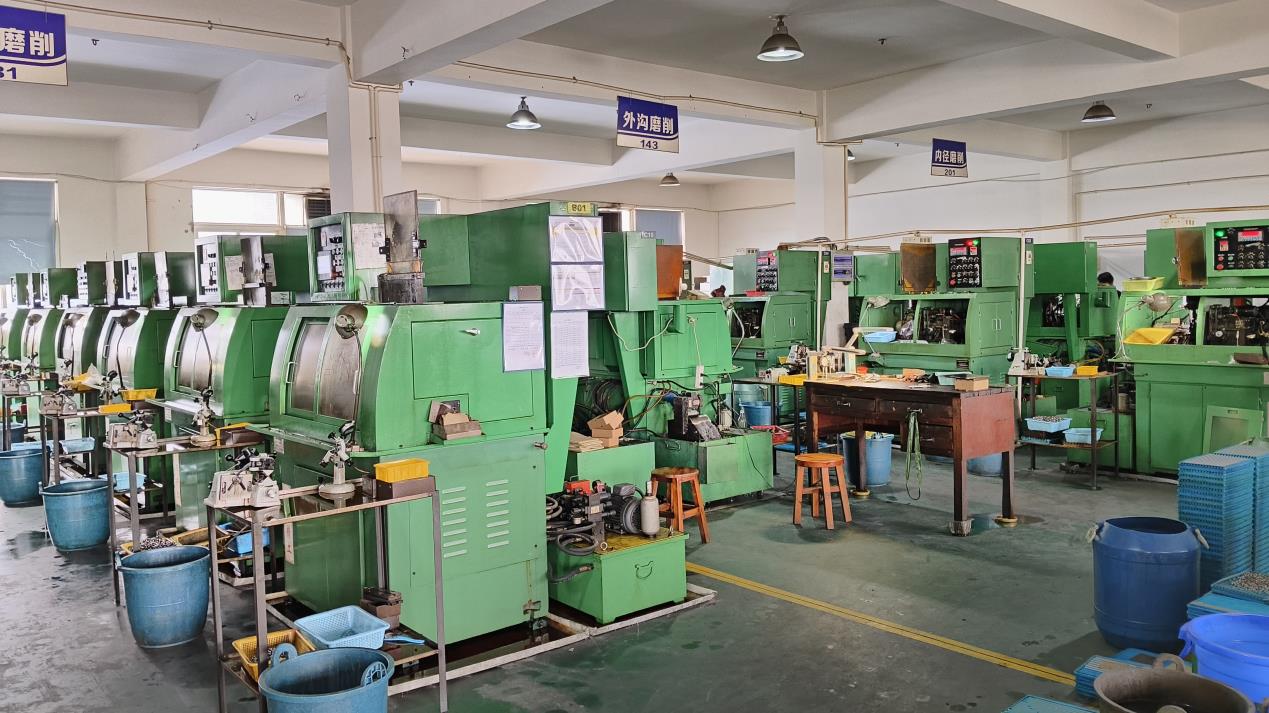
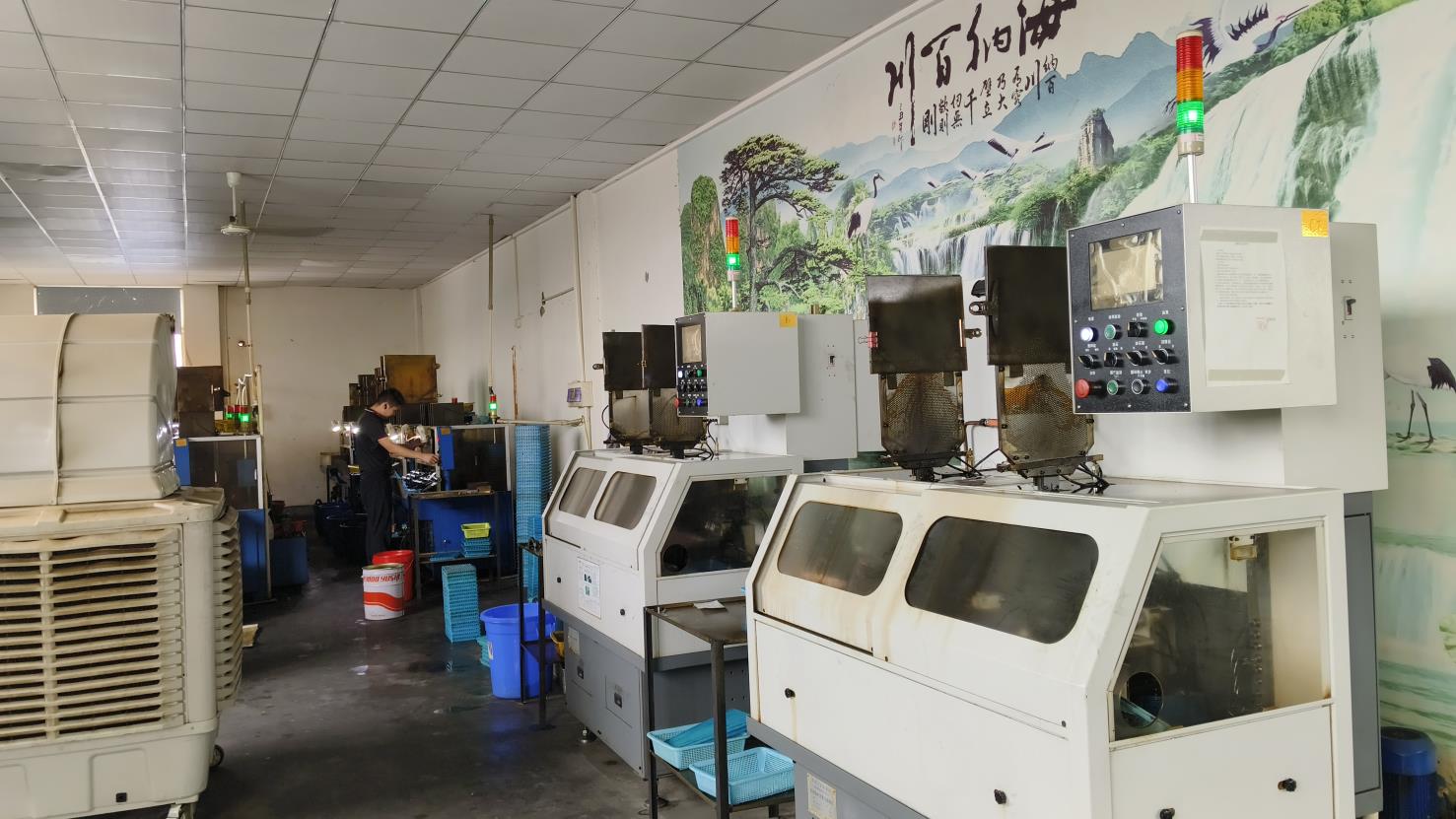
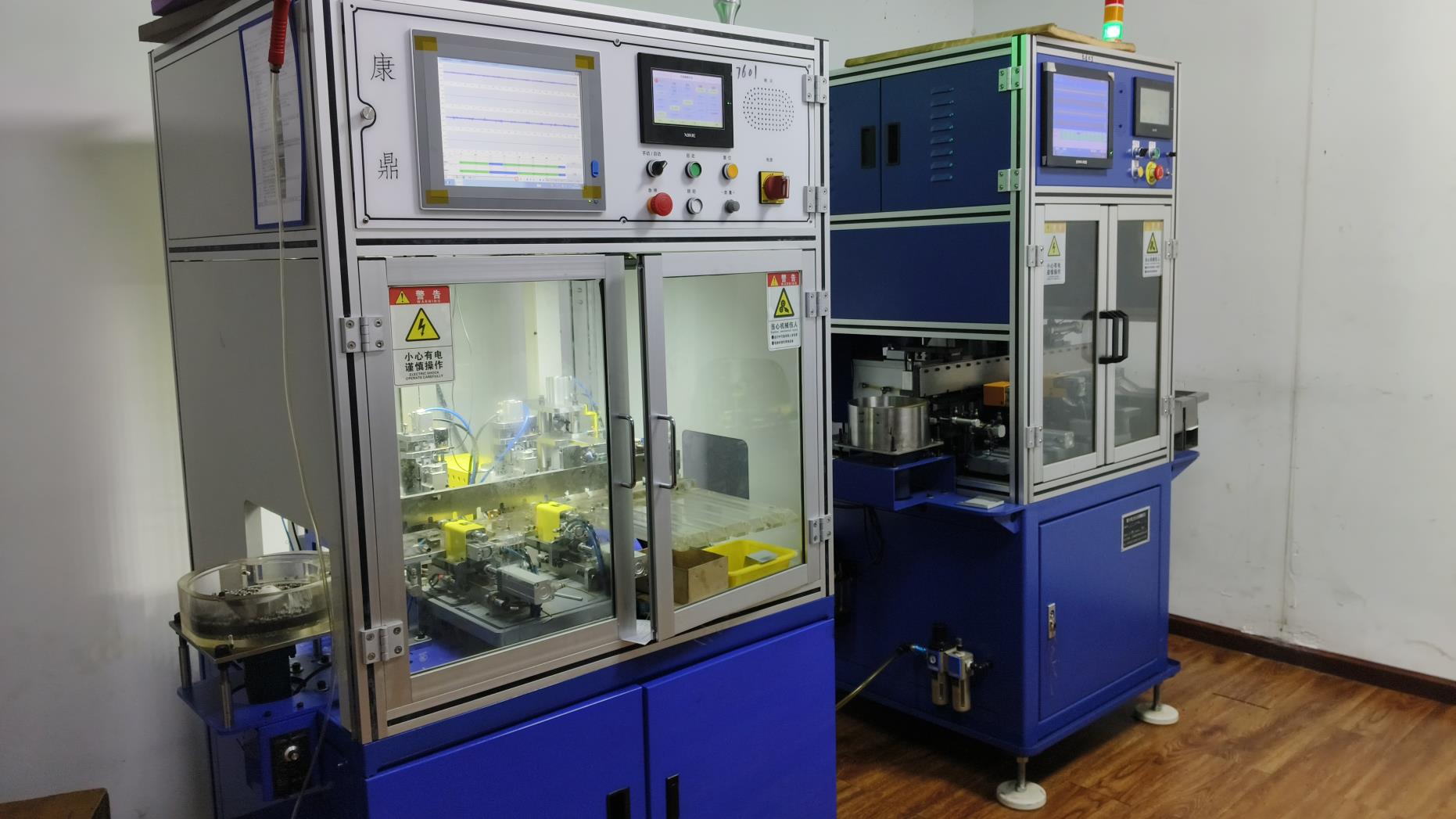
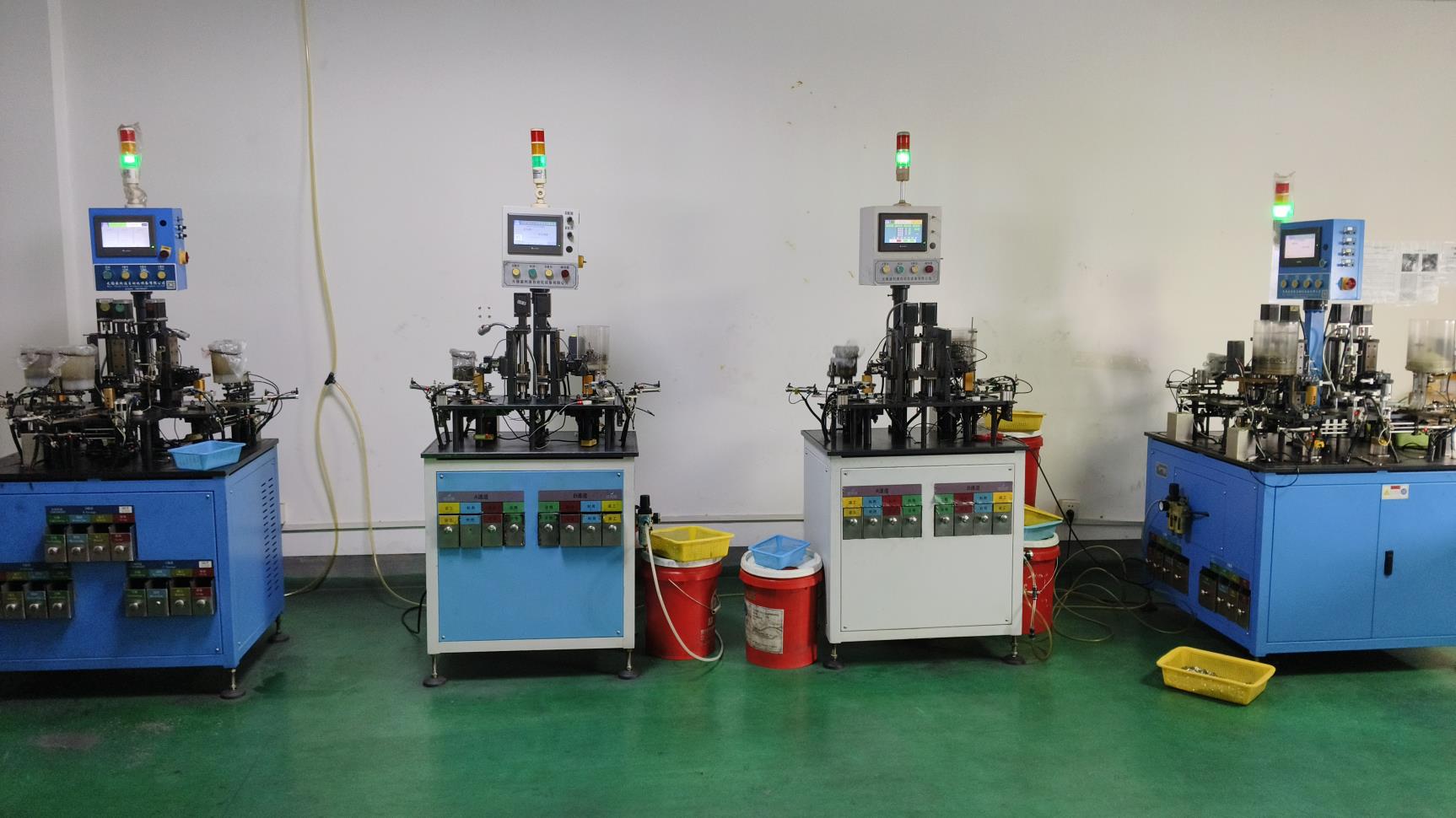
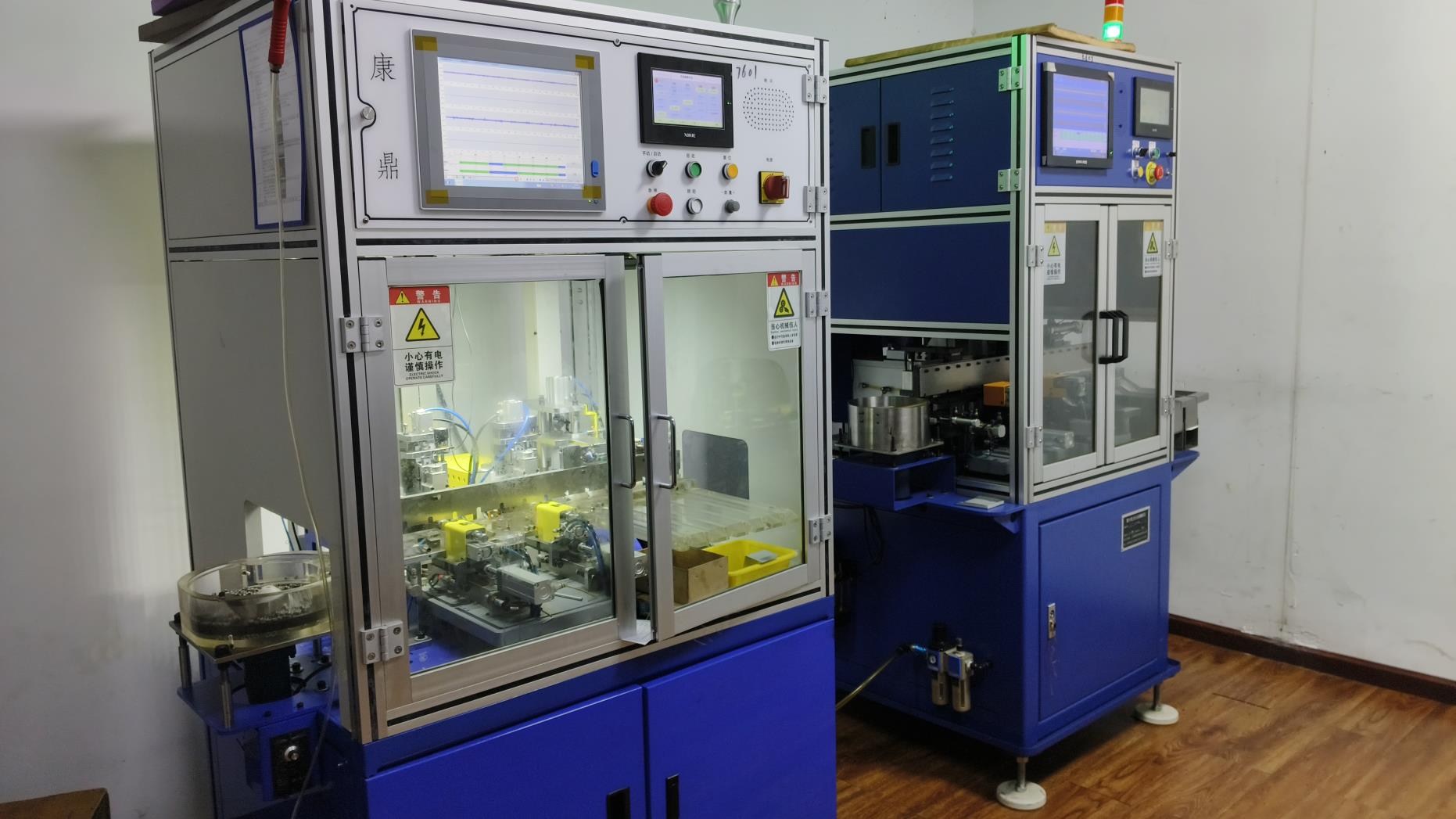
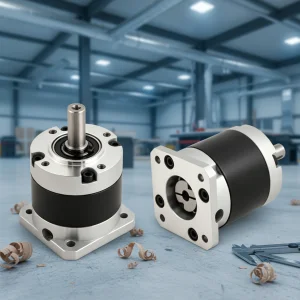
Utilizing high-end CNC turning, hollow shaft custom gearboxes, and automated assembly techniques to guarantee micron-level tolerances across all mechanical transmission parts.
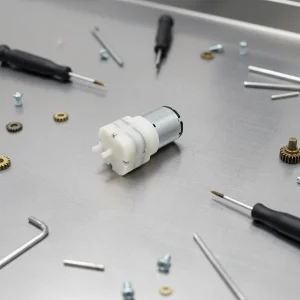
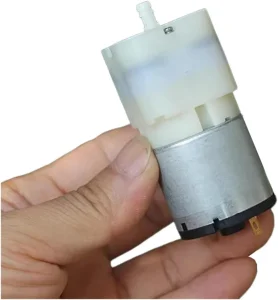
Integrating highly resilient, custom micro DC vacuum pumps to power active aeration and material suction, ensuring zero clogging inside the transfer hoppers.
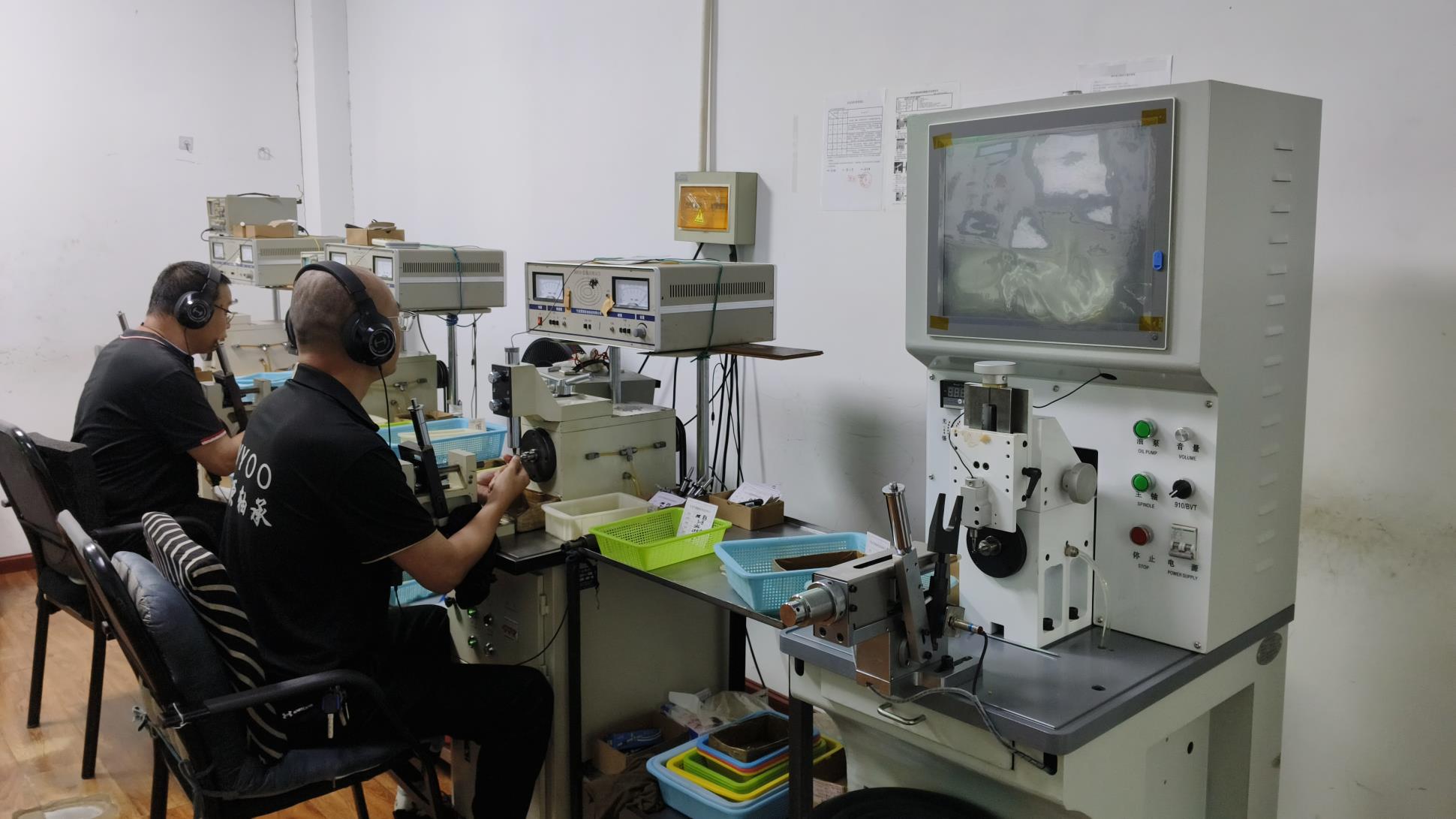
Dedicated acoustic chamber inspections and decibel meters ensure that the drive components of consumer-facing or medical-grade hoppers operate under whisper-quiet thresholds.
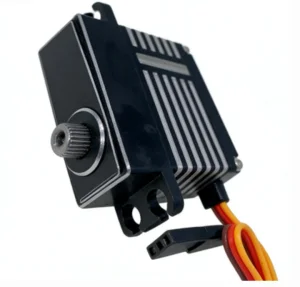
Modern bulk packaging demands precise coordination between the storage hopper and downstream dosing equipment. In the pharmaceutical sector, chemical powders must be transferred into capsule-filling machines. Here, sanitary stainless-steel vacuum hoppers use miniature diaphragm pumps to draw material under negative pressure, minimizing particulate emission. Concurrently, high-precision stepper motors and low-noise gearboxes drive volumetric screws to deposit exact milligram quantities of active ingredients. Similarly, in high-speed snack packaging, multi-head weigh-hopper systems rely on heavy-duty digital servos to open and close gate chutes in fractions of a second, demanding high duty-cycles and zero maintenance from the mechanical joints.
The global hopper and bulk solids handling industry is quickly embracing smart sensors. Today's hoppers feature predictive analytics sensors that measure flow patterns and load cell stresses. To match this tech shift, the motors powering these systems are transitioning to smart brushless DC configurations. These integrated drives can monitor current draw spikes—a telltale sign of material compaction or mechanical wear—allowing operators to schedule maintenance before a catastrophic flow failure halts the factory line.
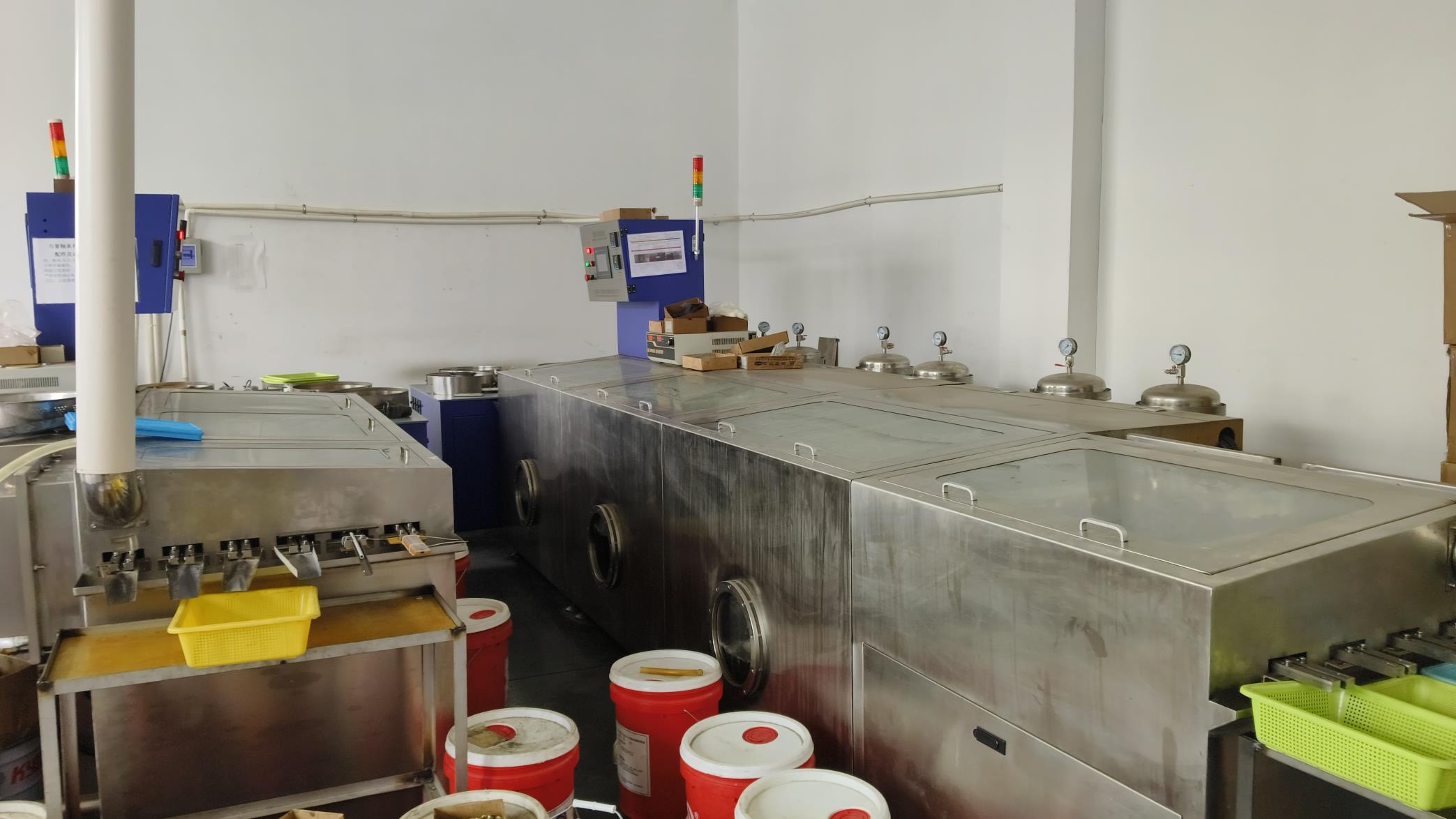
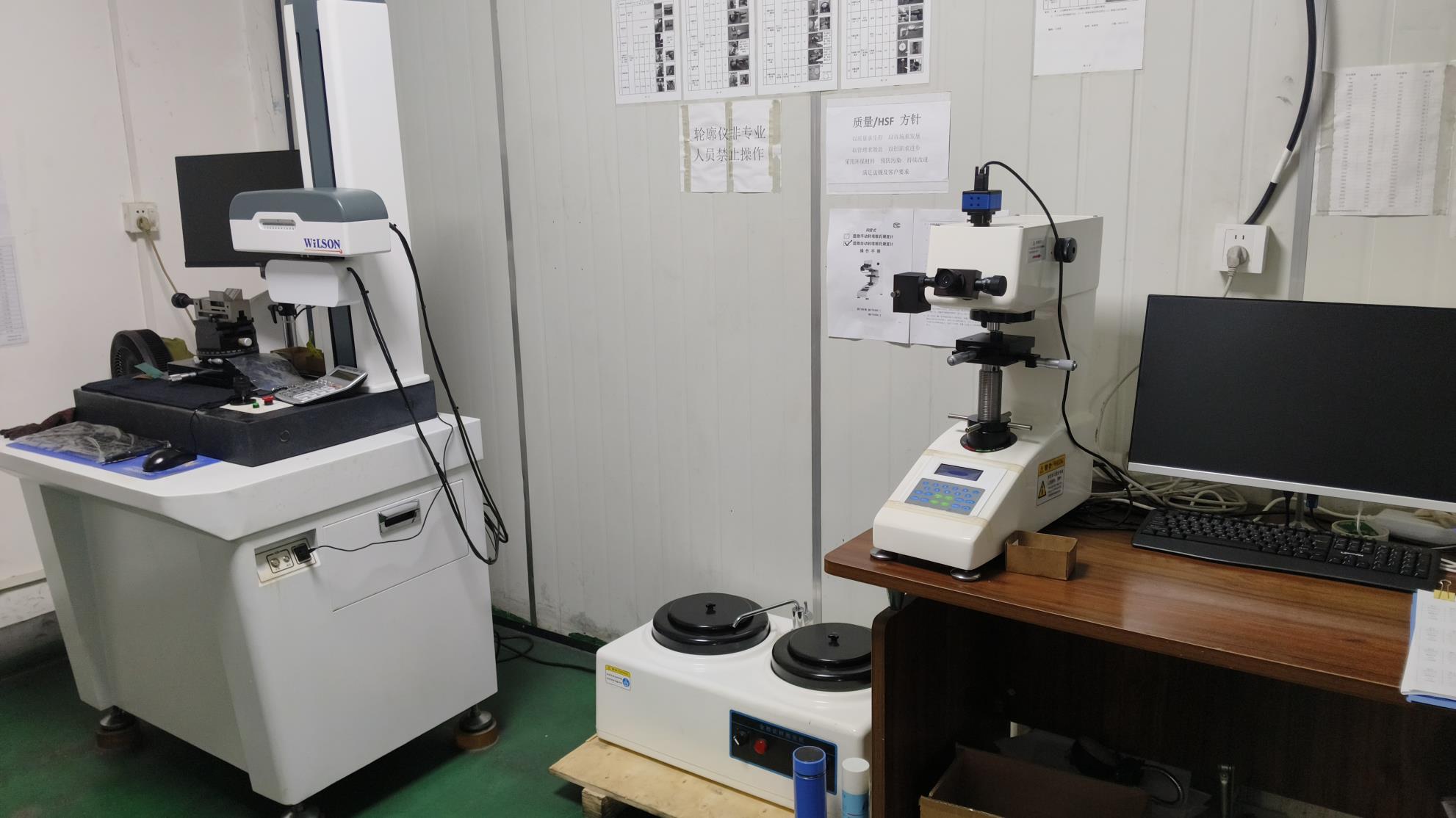
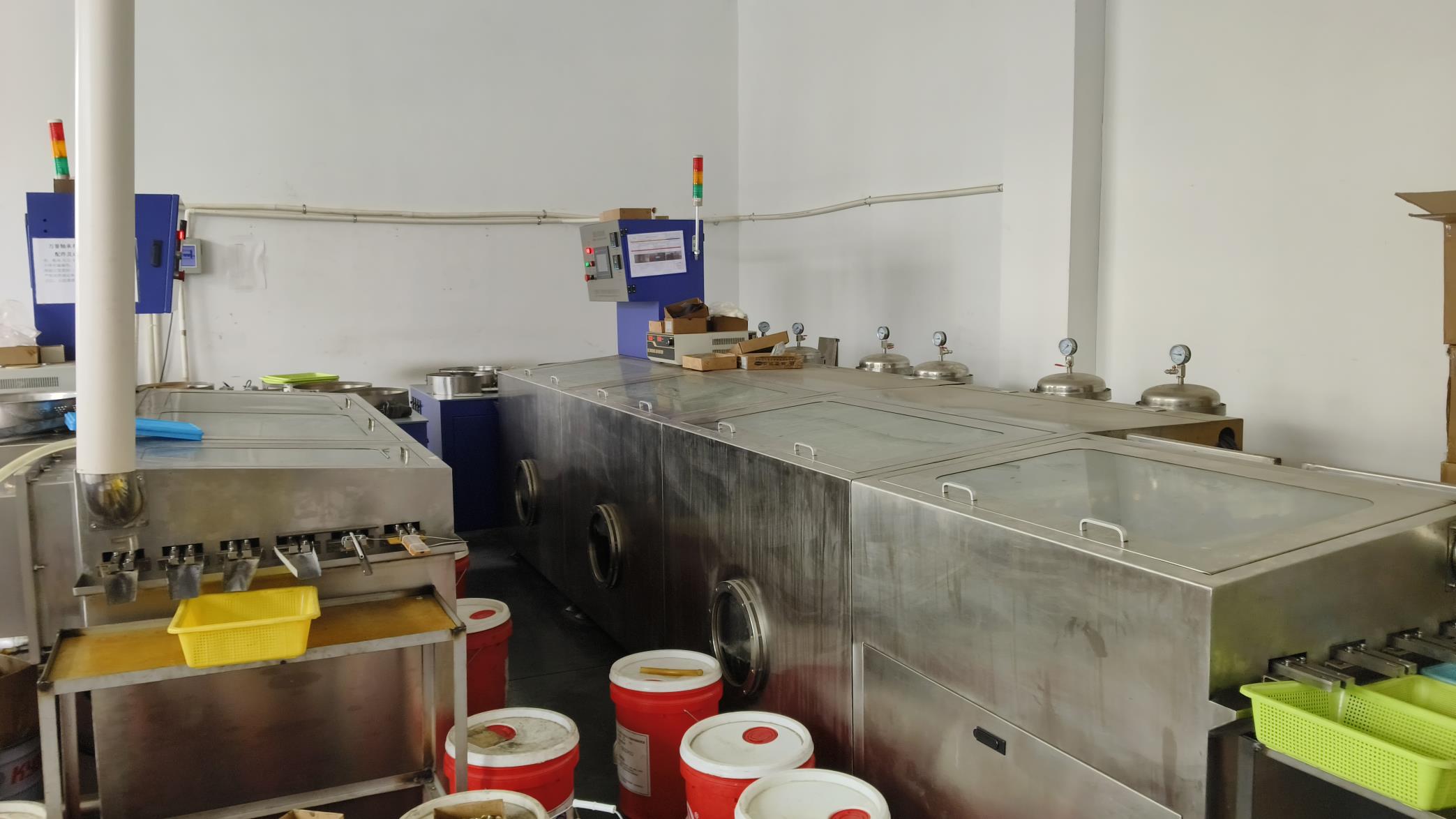
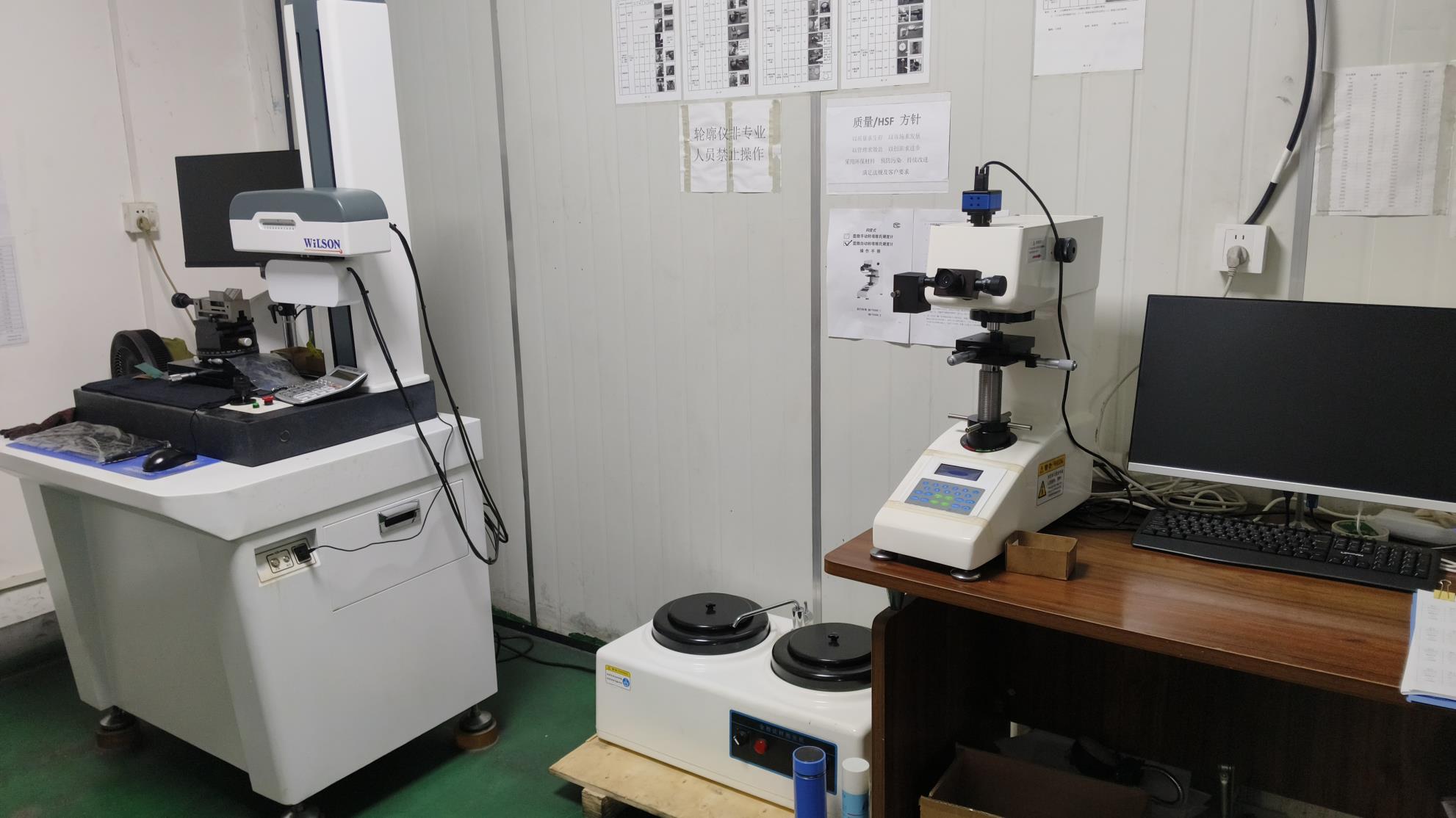
Every mechanical driver, precision pump, and structural assembly undergoes rigorous multi-stage verification to guarantee long-term reliability and zero maintenance overhead.
Answering critical technical questions frequently raised by mechanical system designers, procurement directors, and plant engineers.
 TorqPro Motor