TorqPro Motor
CE Certified Transistors: The Backbone of Advanced Automation
In the modern industrial landscape, the synchronization between power semiconductor architecture and precision mechanical systems dictates the efficiency of global automation. From high-torque planetary gearboxes to silent medical vacuum pumps, every dynamic driver requires regulated, reliable current control. The silicon switching elements—most notably power bipolar junction transistors (BJTs), metal-oxide-semiconductor field-effect transistors (MOSFETs), and insulated-gate bipolar transistors (IGBTs)—serve as the foundational gates governing this energy flow. As a premium global supply partner, TorqPro Motor addresses this intersection by facilitating the sourcing and integration of CE-Certified Transistors, guaranteeing conformance to Europe’s rigorous safety, electromagnetic compatibility (EMC), and environmental regulations.
1. Global Semiconductor & Power Transistor Market Analysis
The global power semiconductor market is undergoing a rapid evolution. Industrial applications demand smaller footprints, higher power densities, and diminished thermal footprints. While traditional Silicon (Si) based power transistors remain the workhorse of motor drivers and low-frequency power controllers, Wide Bandgap (WBG) materials such as Silicon Carbide (SiC) and Gallium Nitride (GaN) are capturing significant market share in high-frequency switching environments.
As global exporters, we recognize the critical geographical shifts in demand. European Union countries enforce strict ecological design rules and compliance checks, which have elevated the entry barrier for electronic imports. The CE marking is not merely a label; it is a declaration that the power transistors, and the control units housing them, meet all safety requirements detailed in applicable EU directives. In North American and APAC markets, importing components that already carry CE certification serves as a stamp of premium quality and engineering validation, helping system integrators accelerate their product launch cycles.
2. The Technical Significance of CE Certification in Power Electronics
To safely export and operate transistors in commercial and industrial systems, compliance with key regulatory mandates is non-negotiable. For power transistors operating inside motor controllers or power supplies, several European directives apply:
Electromagnetic Compatibility (EMC) Directive 2014/30/EU
High-frequency switching transistors are inherently generators of electromagnetic interference (EMI). CE certification verifies that the transistor, when embedded in a standard driver design with proper filtering, complies with the regulatory limits for radiated and conducted emissions, preventing interference with surrounding telemetry or wireless communication systems.
Low Voltage Directive (LVD) 2014/35/EU
For power electronics components operating within voltage limits of 50 to 1000 V AC and 75 to 1500 V DC, LVD compliance ensures that the insulation, creepage distances, and casing design prevent electric shocks, fire hazards, and mechanical injuries during handling and operation.
Restriction of Hazardous Substances (RoHS) Directive 2011/65/EU
Modern semiconductor fabrication must exclude heavy metals like lead, mercury, and cadmium. CE-marked transistors must comply with RoHS, ensuring safe disposal and recycling, which is crucial for medical devices and consumer appliances alike.
3. Local Application Scenarios & System Integration
Different industrial verticals demand varying transistor specifications. Sourcing the appropriate transistor package relies heavily on understanding the final mechanical integration:
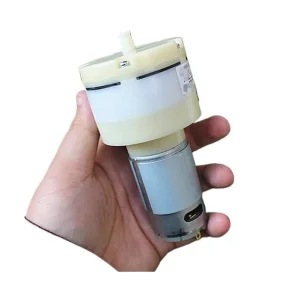
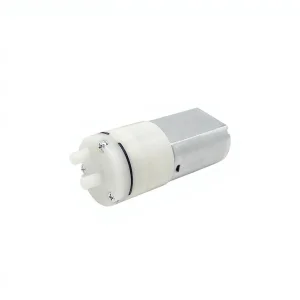
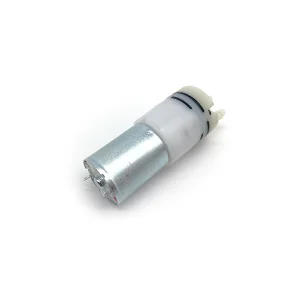
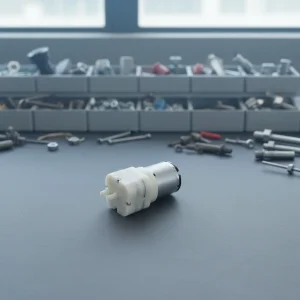
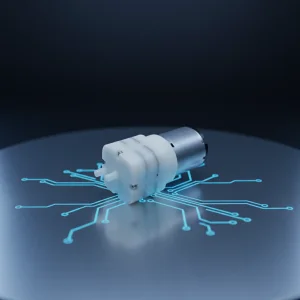
- Medical & Aesthetic Instruments: As demonstrated by our Diaphragm Electronic Vacuum Booster Air Pump for Beauty Treatment, maintaining precise negative pressure requires high-speed, noise-free switching. Certified low-noise MOSFETs regulate the DC motor speed without creating electromagnetic noise that could interfere with sensitive diagnostic tools.
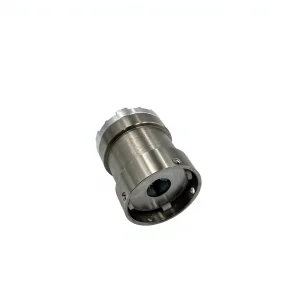
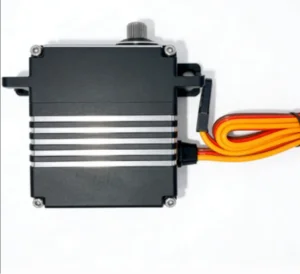
- Industrial Automation & Robotic Servos: Devices such as our XS005A 75kg Servo utilize high-efficiency micro-drives. These micro-drives rely on integrated H-bridge configurations comprising CE-certified MOSFETs to switch current polarity instantaneously, allowing high torque retention and precise positioning.
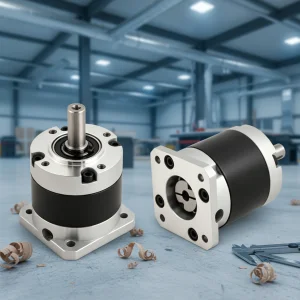
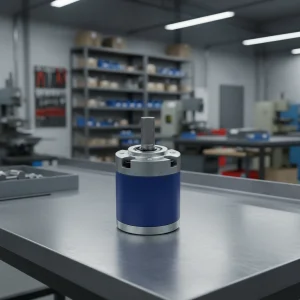
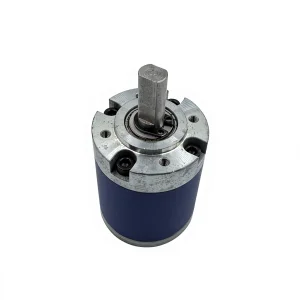
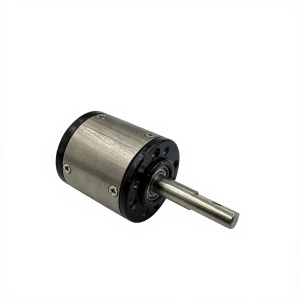
- Heavy Machinery Reducers: Speed controllers for Planetary Gearboxes require heavy-duty IGBT modules. Sourcing CE-certified high-current transistors guarantees that system spikes do not result in terminal thermal runaway.
4. Technical Roadmap & Future Outlook (2025 - 2030)
The transistor supplier landscape is moving towards higher levels of integration. The standard discrete transistor is increasingly being replaced by Smart Power Modules (SPMs) or Intelligent Power Modules (IPMs). These modules embed the gate driver circuit, overcurrent protection, and thermal sensing arrays on a single package. In terms of export dynamics, this integration means that suppliers must guarantee not just component-level compliance, but module-level functional safety certification.
We expect SiC and GaN to achieve price parity with silicon in mid-to-high voltage segments by 2028. This transition will facilitate the development of motor controllers that are 50% smaller in size, allowing manufacturers like TorqPro Motor to produce even more compact, high-efficiency planetary gearboxes and micro-actuators for advanced aerospace and prosthetic robotics applications.