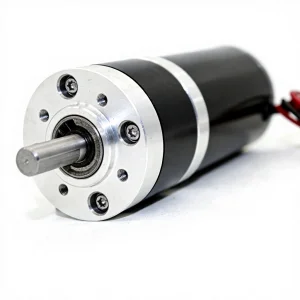
Explore our foundational range of planetary gearboxes, high-efficiency servo motors, and micro-fluid pumps engineered for standard-compliant integrations.
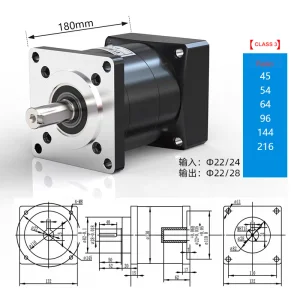
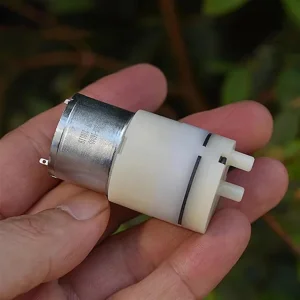
Analyzing the strategic shift towards high-frequency conversion topologies, compliance-driven procurement, and systemic smart power integration.
In the contemporary industrial sector, the efficiency of electrical transformation underpins the operational integrity of automated systems. As power grids worldwide undergo a rapid transformation to incorporate dynamic, multi-source inputs—spanning utility grids, distributed microgrids, and local renewable generators—the role of industrial rectifiers has evolved. Once viewed simply as static components converting alternating current (AC) to direct current (DC), modern rectifiers serve as the foundational gateway for advanced industrial electronics. They dictate the stability, harmonic signature, and thermal dissipation metrics of complex systems including heavy-duty motor drives, electrolyzers for hydrogen generation, automated sorting pipelines, and telecom supply frames.
The global demand for CE-certified power transformation solutions is accelerated by stringent regulatory frameworks addressing power quality and system safety. CE certification, indicating conformity with European Union safety, health, and environmental protection standards, has transitioned from a regional requirement to a global benchmark of quality. Procurement officers from Europe, North America, and high-growth Asian markets prioritize CE-marked equipment because it guarantees compliance with fundamental safety parameters, such as electromagnetic compatibility (EMC) regulations, low voltage directives, and minimal harmonic distortion profiles.
Advanced rectifiers must utilize active power factor correction (PFC) stages to maintain total harmonic distortion (THD) below 5%, shielding sensitive controller electronics from grid disturbances.
Utilizing high-thermal-conductivity substrates and heat sink architectures prevents thermal runaway, ensuring continuous operation at full load in ambient temperatures exceeding 50°C.
Our complete manufacturing output, ranging from high-precision DC drives to integrated power rectifiers, respects European CE safety directives, minimizing installation liability.
Furthermore, the convergence of power conversion systems with precision motion controls has created a unified ecosystem. High-torque motors, planetary gearboxes, and micro-diaphragm pumps require pure, noise-filtered DC inputs to perform at design parameters. Voltage ripples, high-frequency spikes, or untreated phase imbalances originating from substandard rectification stages directly degrade the windings, cause overheating in coreless DC actuators, and trigger premature failures in closed-loop servo mechanisms. Therefore, securing a certified, reliable power conversion source is not merely an option—it is a critical necessity to ensure the stability of the physical drive systems that keep industries moving forward.
Demonstrating deep domain expertise, strict regulatory compliance, and structural engineering integrity in industrial power systems.
True compliance goes beyond nominal paperwork. Our technical department designs power components that satisfy the dual mandates of efficiency and safety under the strict rules of the CE framework. To help procurement teams assess engineering depth, we outline the primary technical vectors of CE-certified power conversion setups:
| CE Directive | Technical Criteria | Engineering Resolution |
|---|---|---|
| Low Voltage Directive (LVD) 2014/35/EU | Electrical insulation, creepage distance, and shock hazard prevention in range of 50-1000V AC or 75-1500V DC. | Utilization of optical isolators, high-dielectric resins, and compartmentalized high-voltage chambers. |
| EMC Directive 2014/30/EU | Mitigation of electromagnetic interference (EMI) both radiated and conducted back into supply networks. | Integration of multi-stage LC filters, ferrite chokes, and aluminum-silicon alloy EMI shields. |
| RoHS Directive 2011/65/EU | Restricting hazardous materials including lead, mercury, cadmium, and hexavalent chromium. | Complete lead-free wave soldering lines, strict raw component intake validation using X-ray fluorescence (XRF) scanners. |
Beyond electrical safety, robust industrial rectifiers must feature sophisticated protection circuits. We build standard features like Over-Current Protection (OCP), Over-Voltage Protection (OVP), Short-Circuit Protection (SCP), and Under-Voltage Lockout (UVLO). These protection layers ensure that in the event of an external fault—such as a motor drawing stall current or a sudden mains surge—the rectifier will instantly isolate the load, safeguarding both the converter assembly and downstream micro-drives like high-precision planetary gearboxes or multi-axis servo motors.
Merging the transparency of local engineering collaboration with the manufacturing capacity of a top-tier Chinese facility.
ABOUT: Every groundbreaking smart device needs a reliable pulse. TorqPro Motor designs and manufactures high-efficiency micro-drives that serve as the invisible, robust core inside next-generation robotics, smart home applications, and aerospace medical tools worldwide.
We operate on a simple philosophy: Engineered to last. Built to fit. By blending advanced automation with a passion for micro-engineering, TorqPro Motor provides global B2B clients with the transparency of a local engineering partner and the massive scale advantages of a top-tier Chinese factory. We don't just sell motors; we build the core axis that keeps your business moving forward.
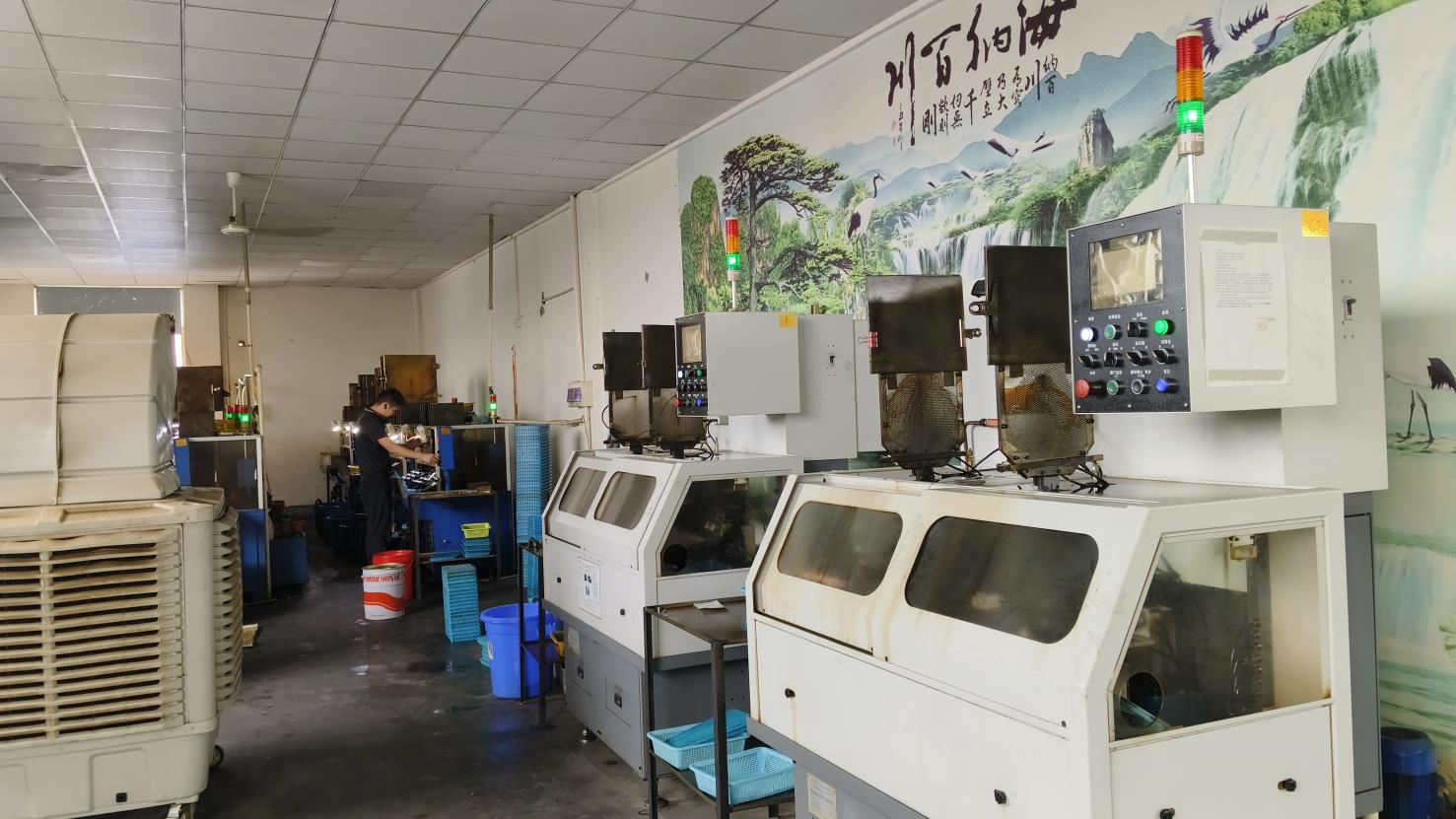
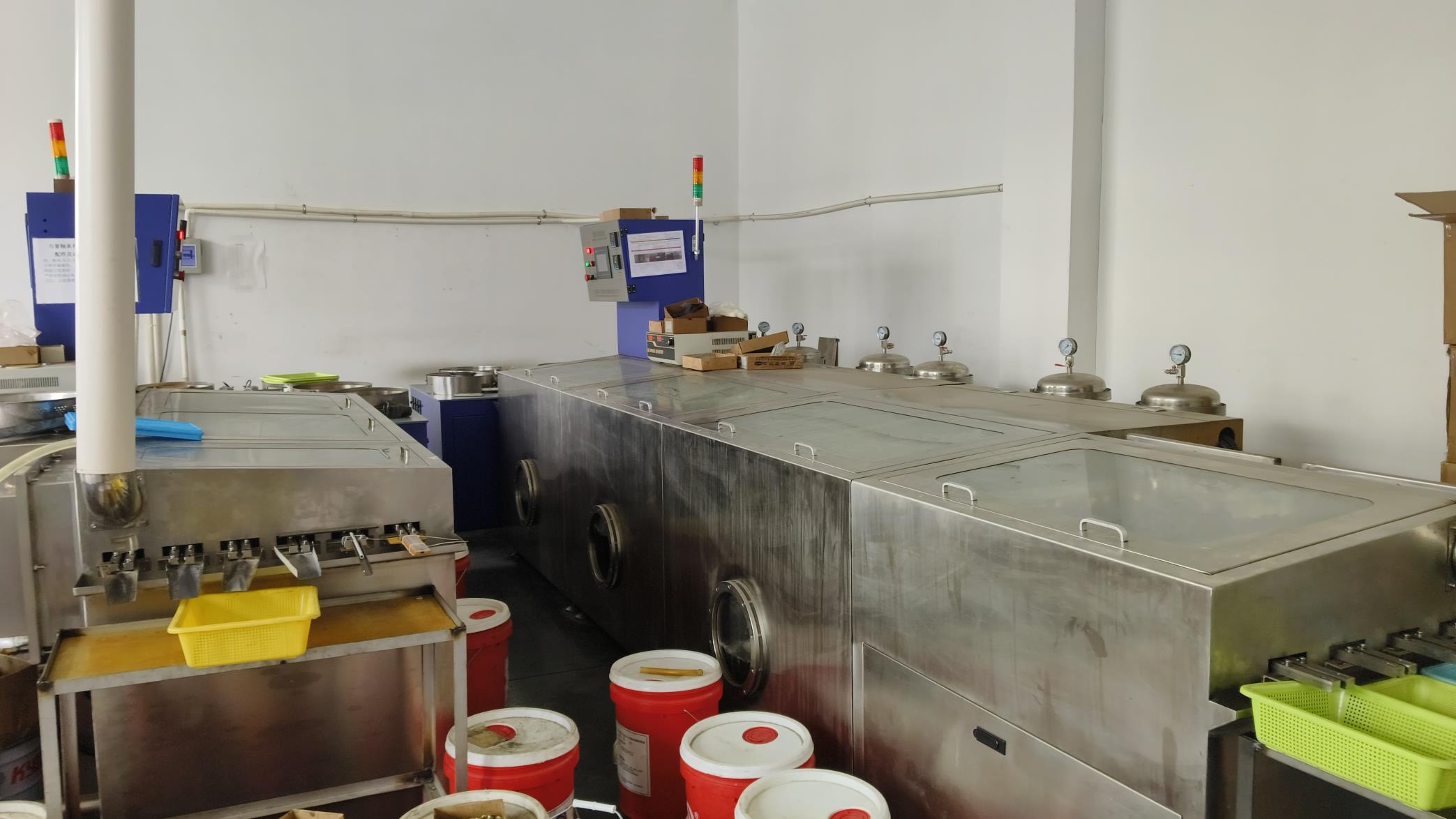
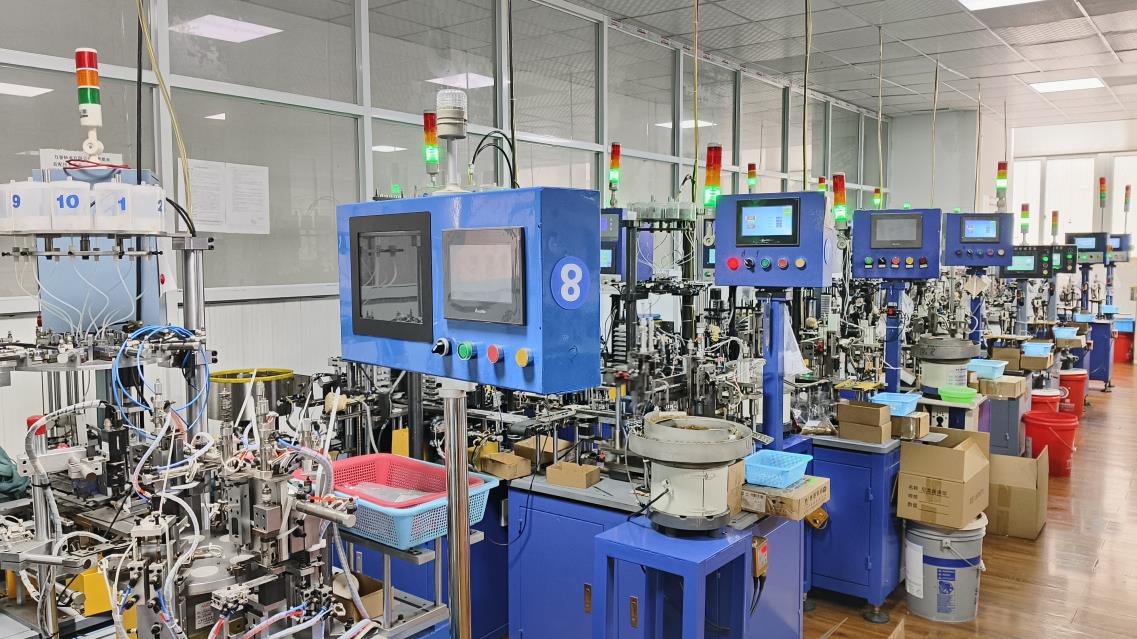
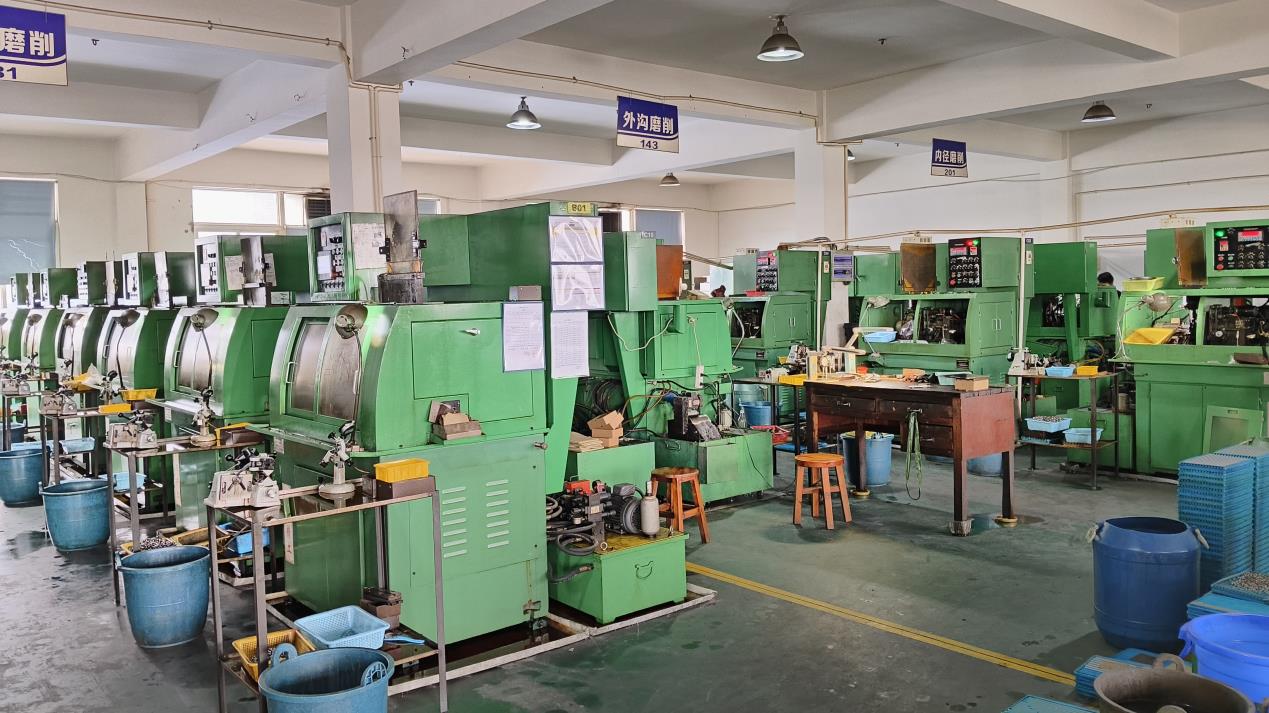
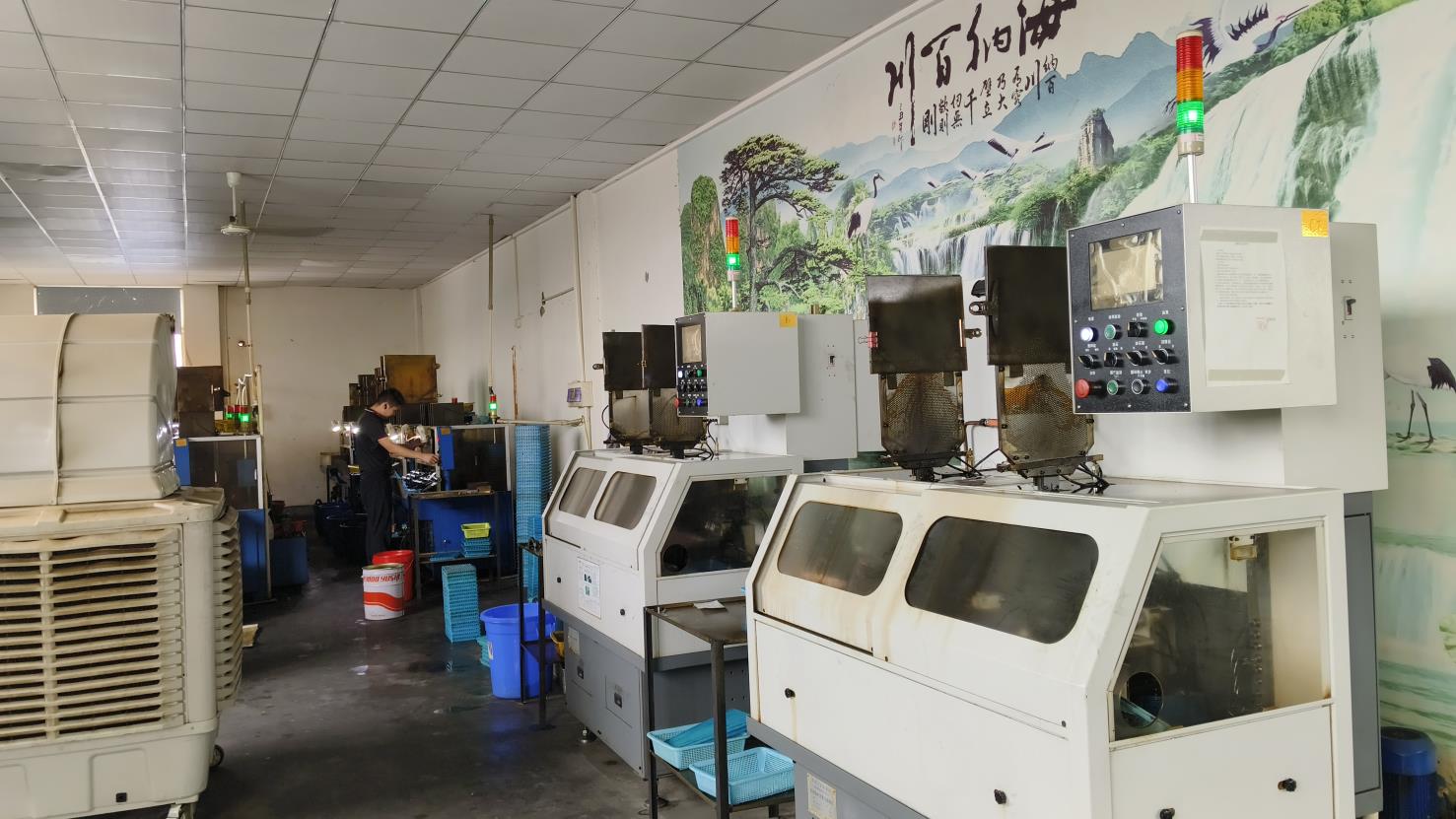
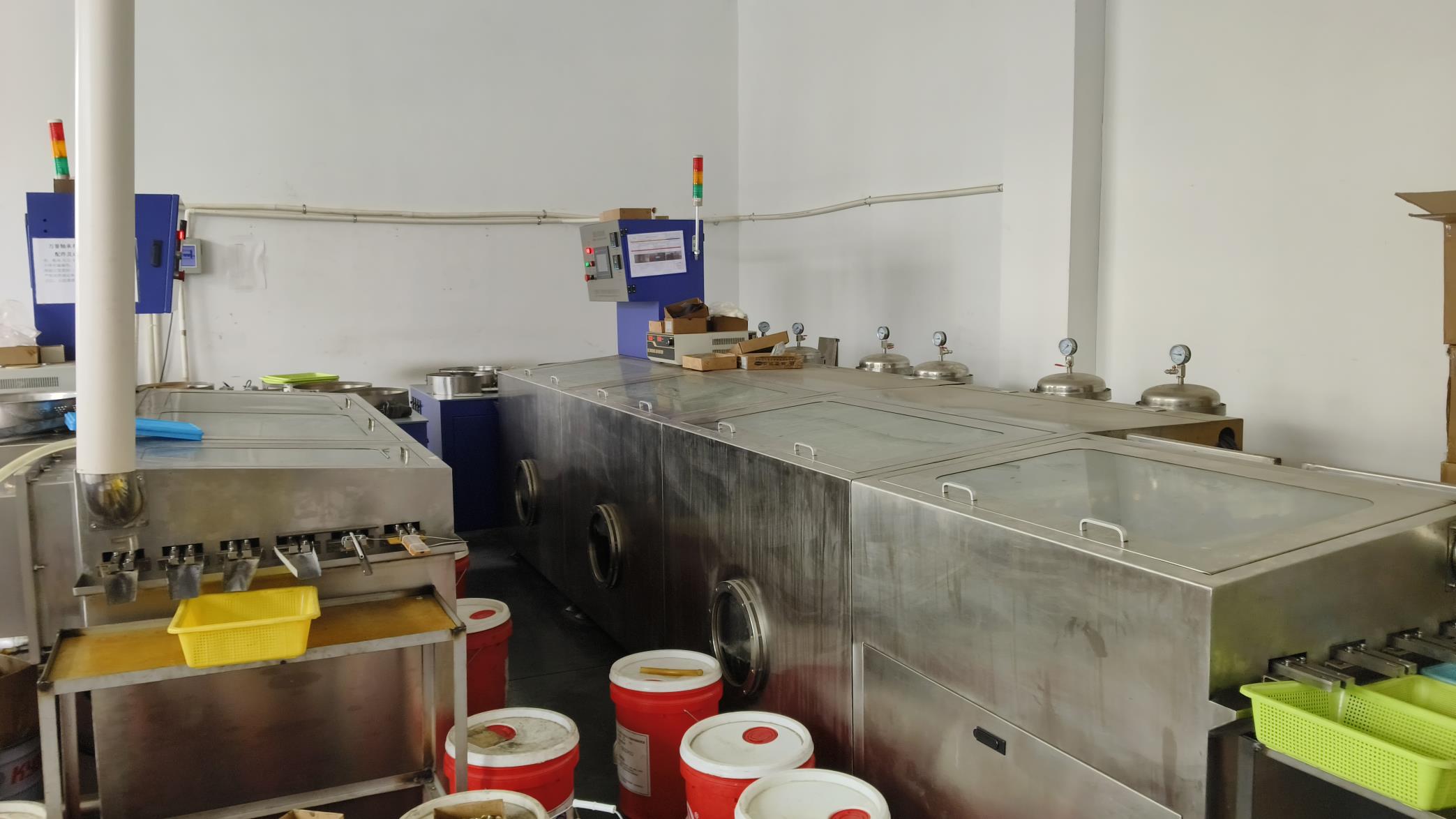
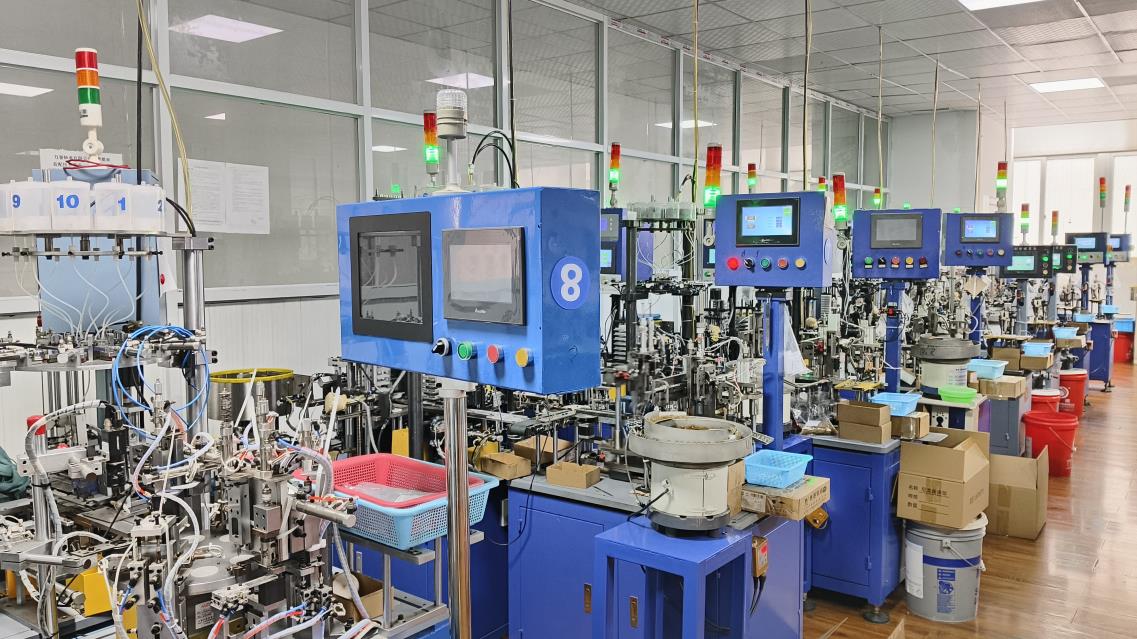
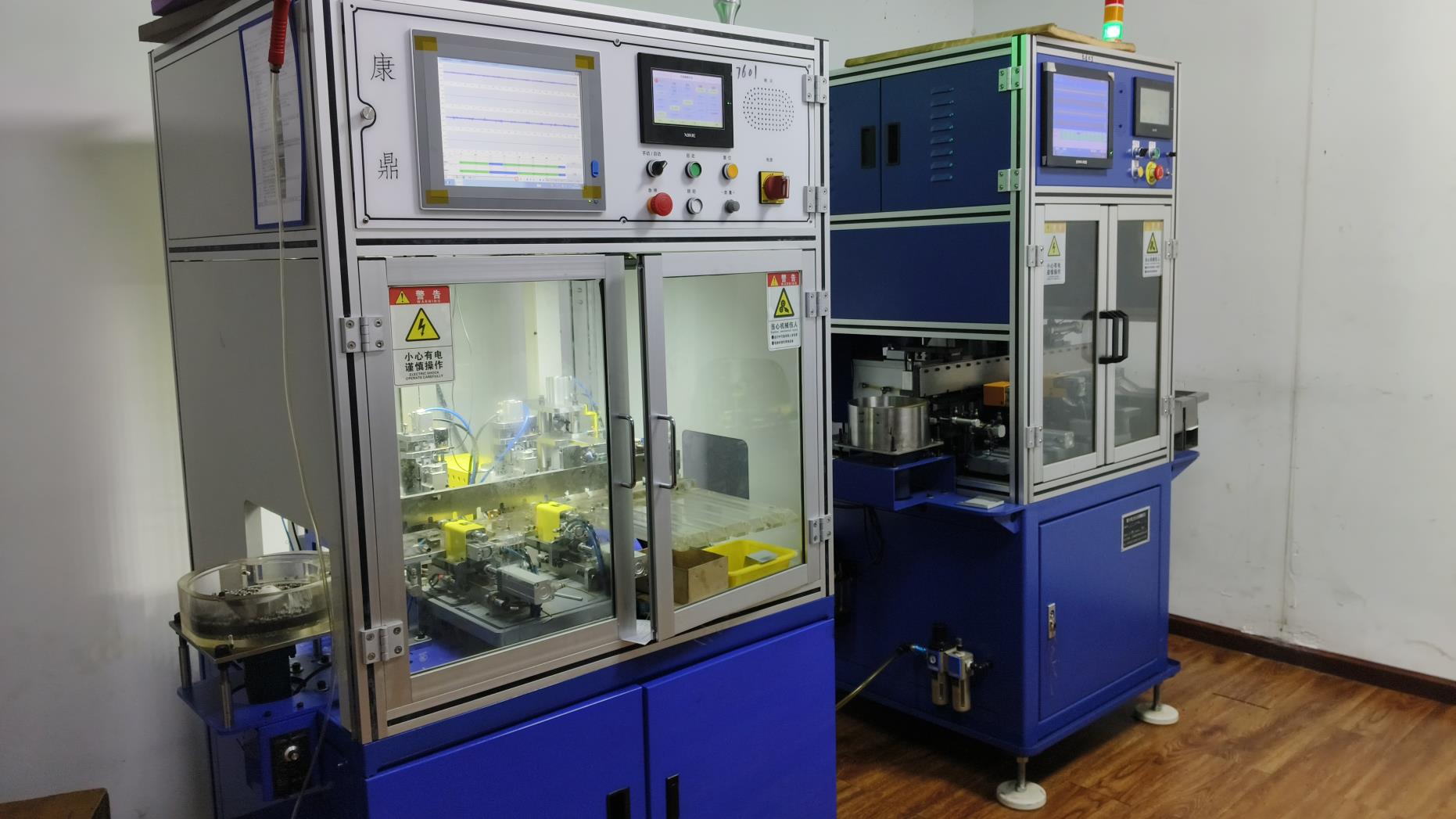
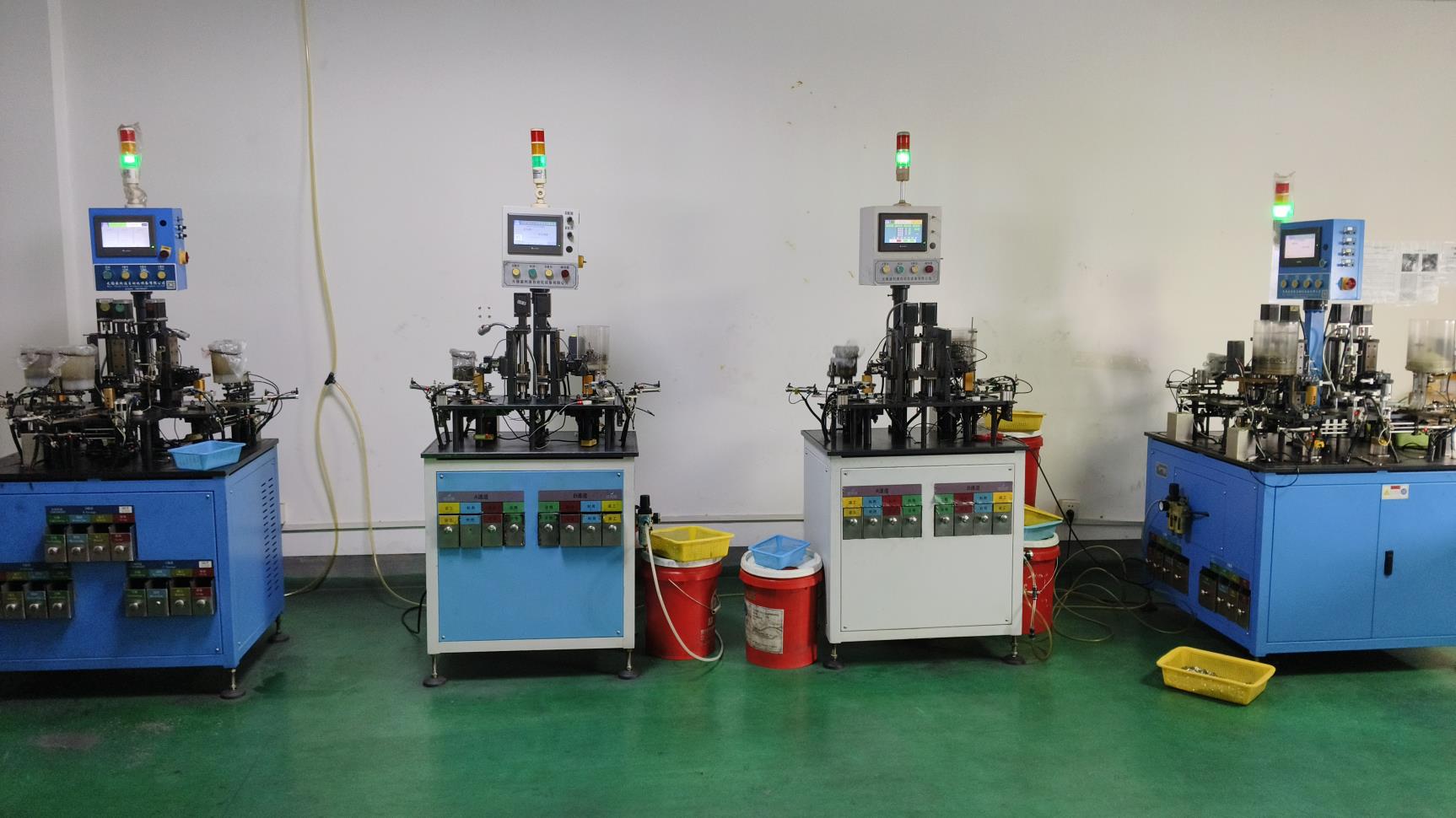
Our production advantage resides in our integrated supply chain. In China, our localized cluster of component suppliers, raw materials refiners, and precision machining workshops allows us to scale production up or down rapidly without compromising on quality metrics. Our highly automated assembly floors reduce manual handling defects, ensuring consistency across thousands of motor, gearbox, and power components delivered globally.
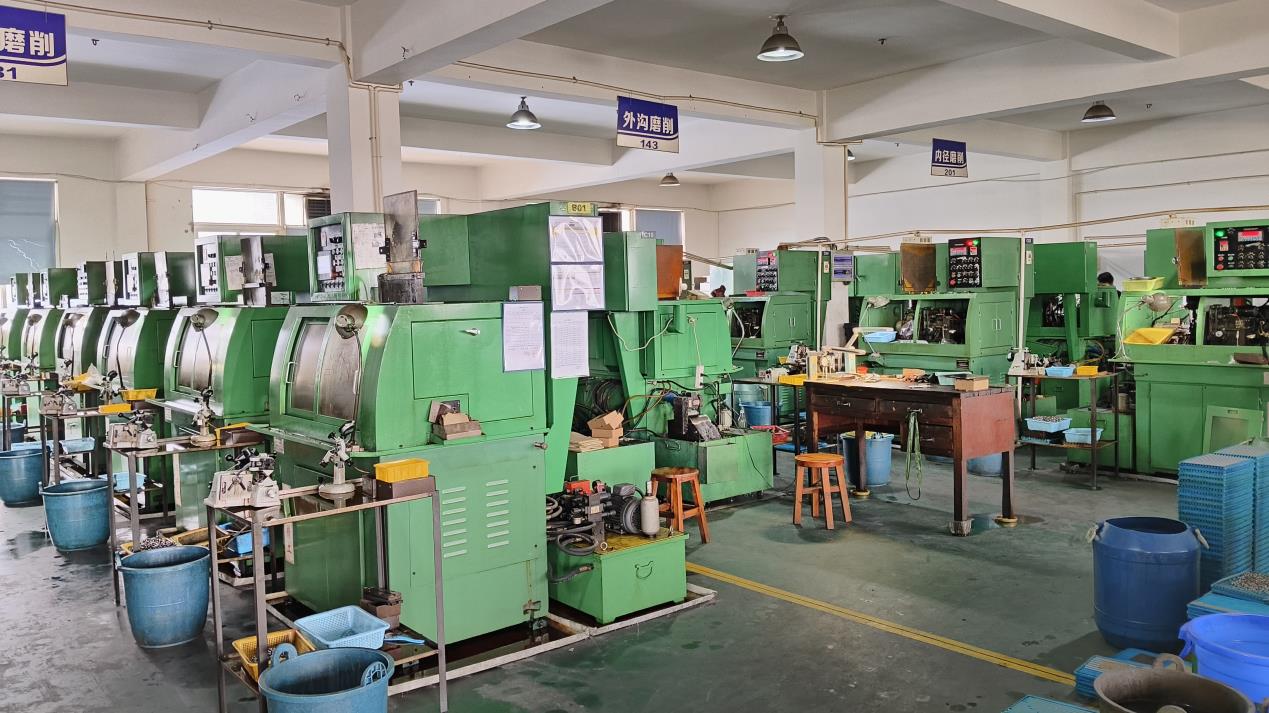
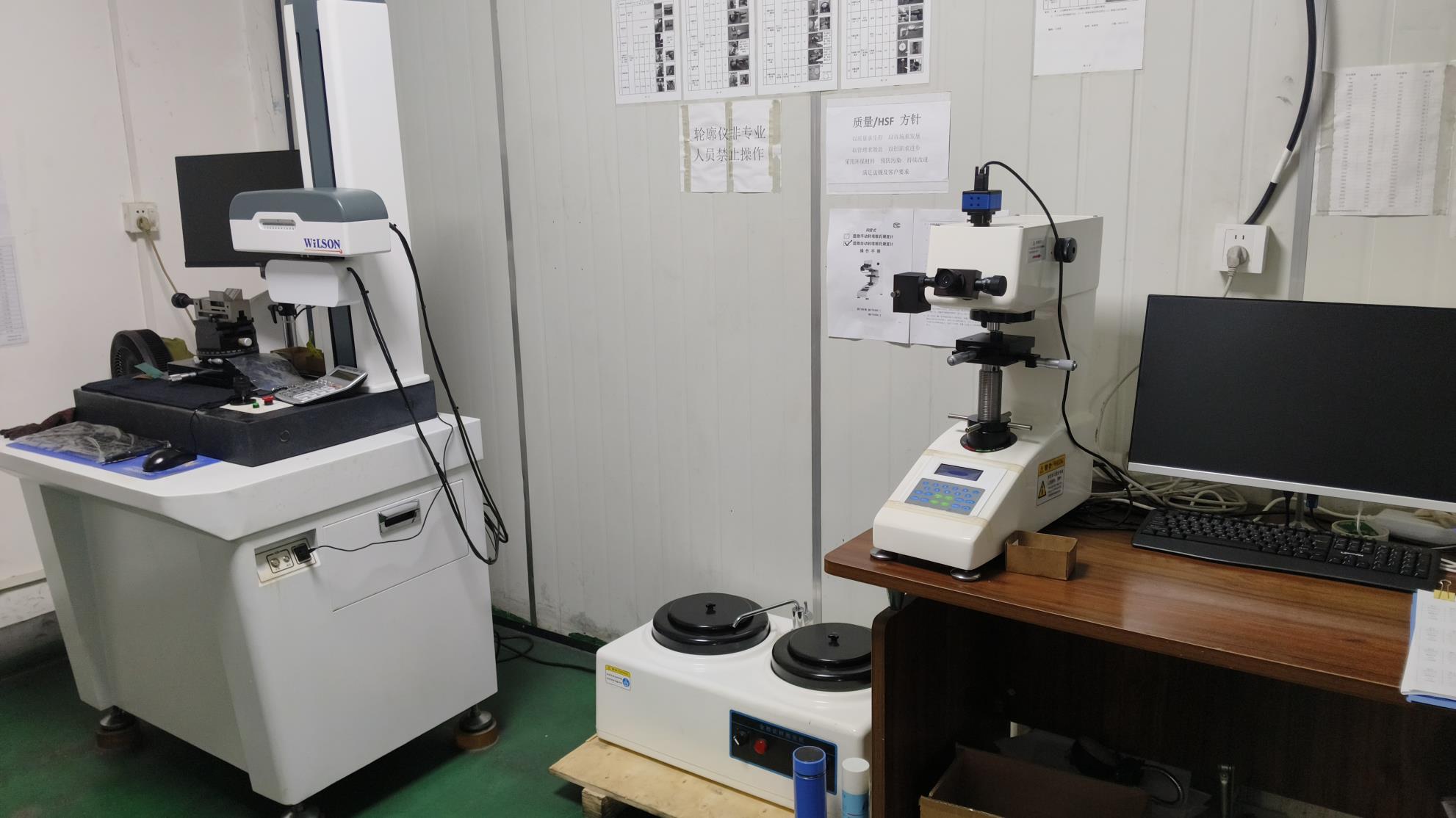
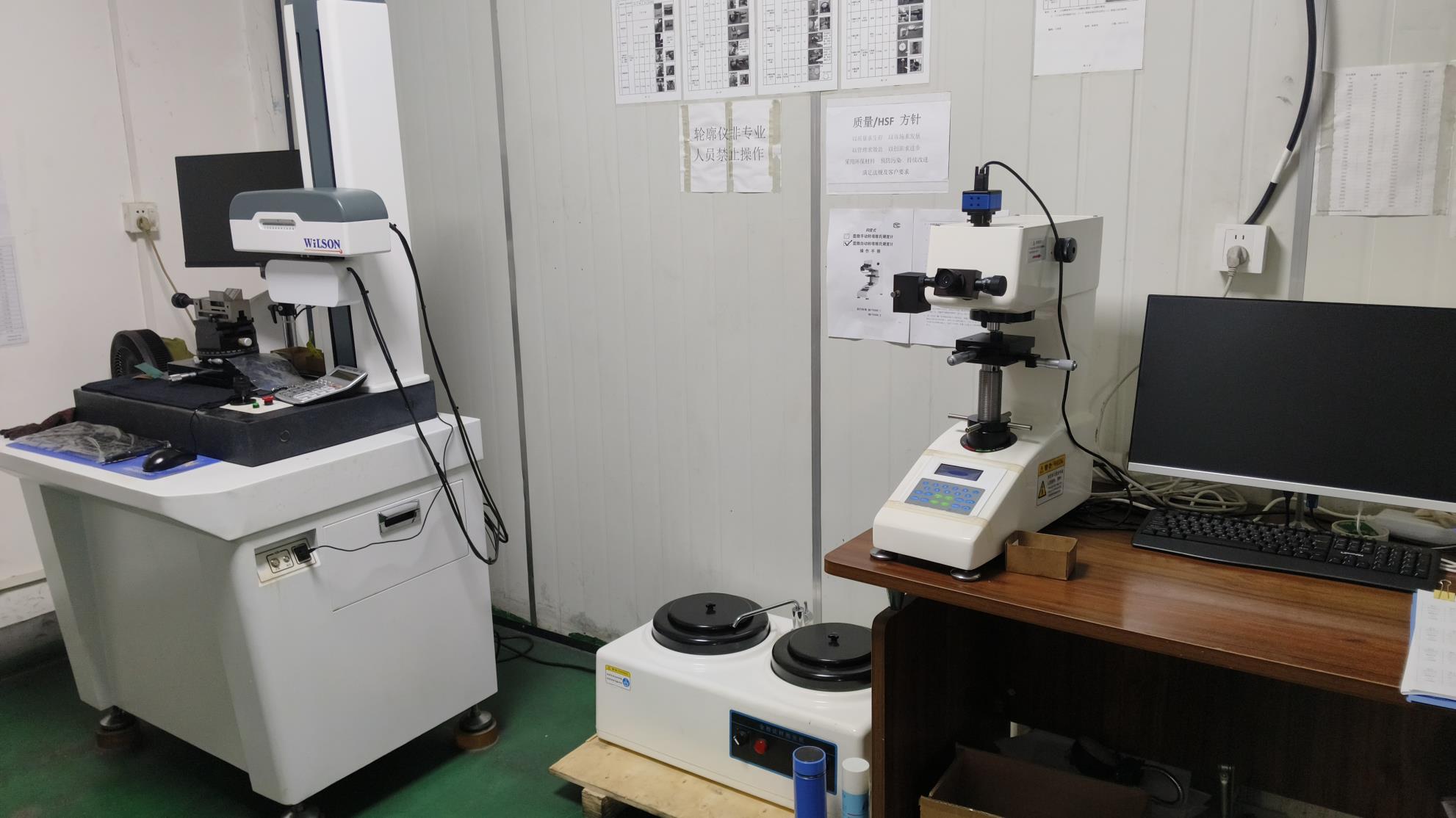
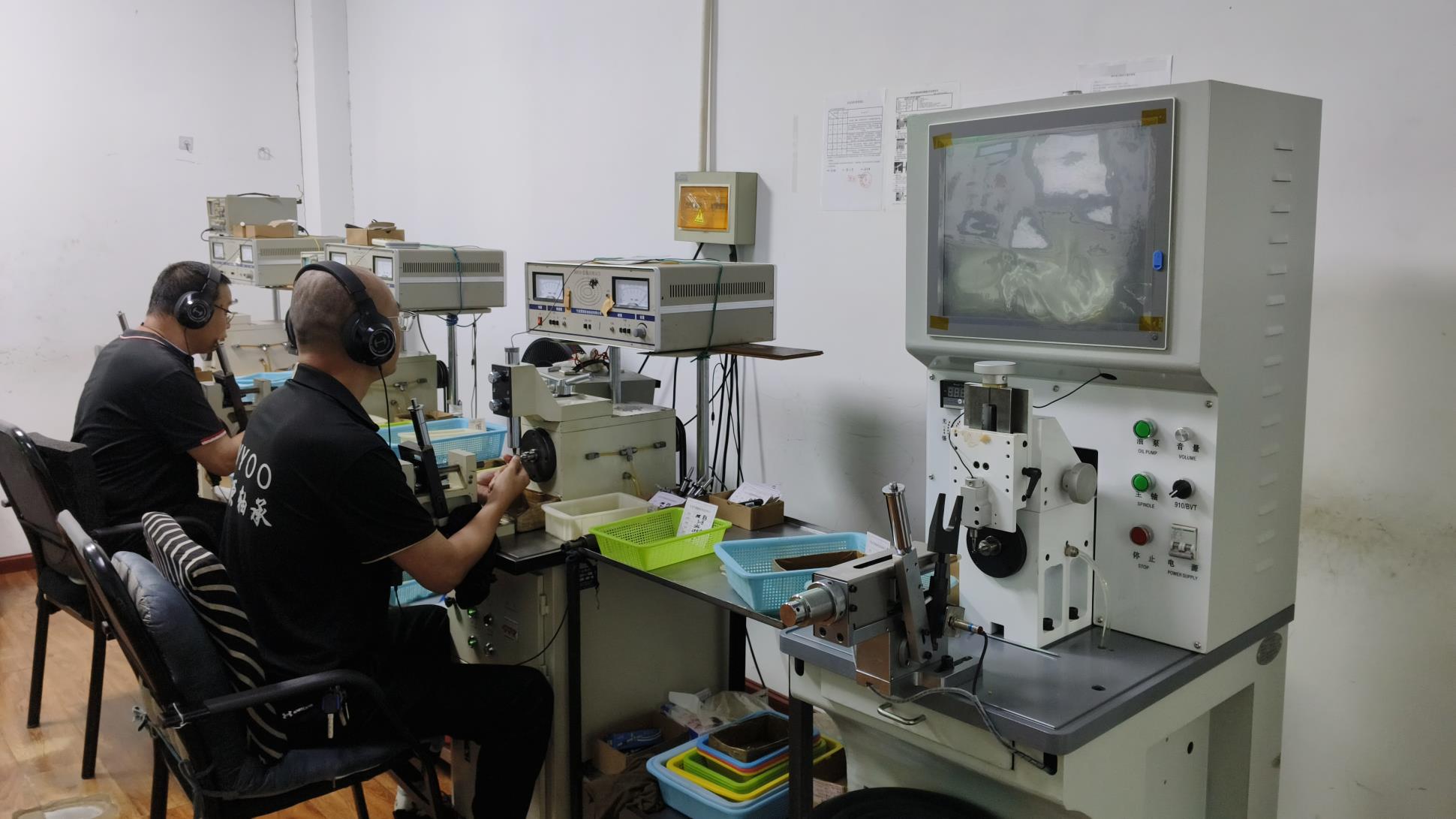
Our rigorous testing and manufacturing pipelines guarantee that every batch of micro-drives, bearings, and power systems meets strict design parameters.
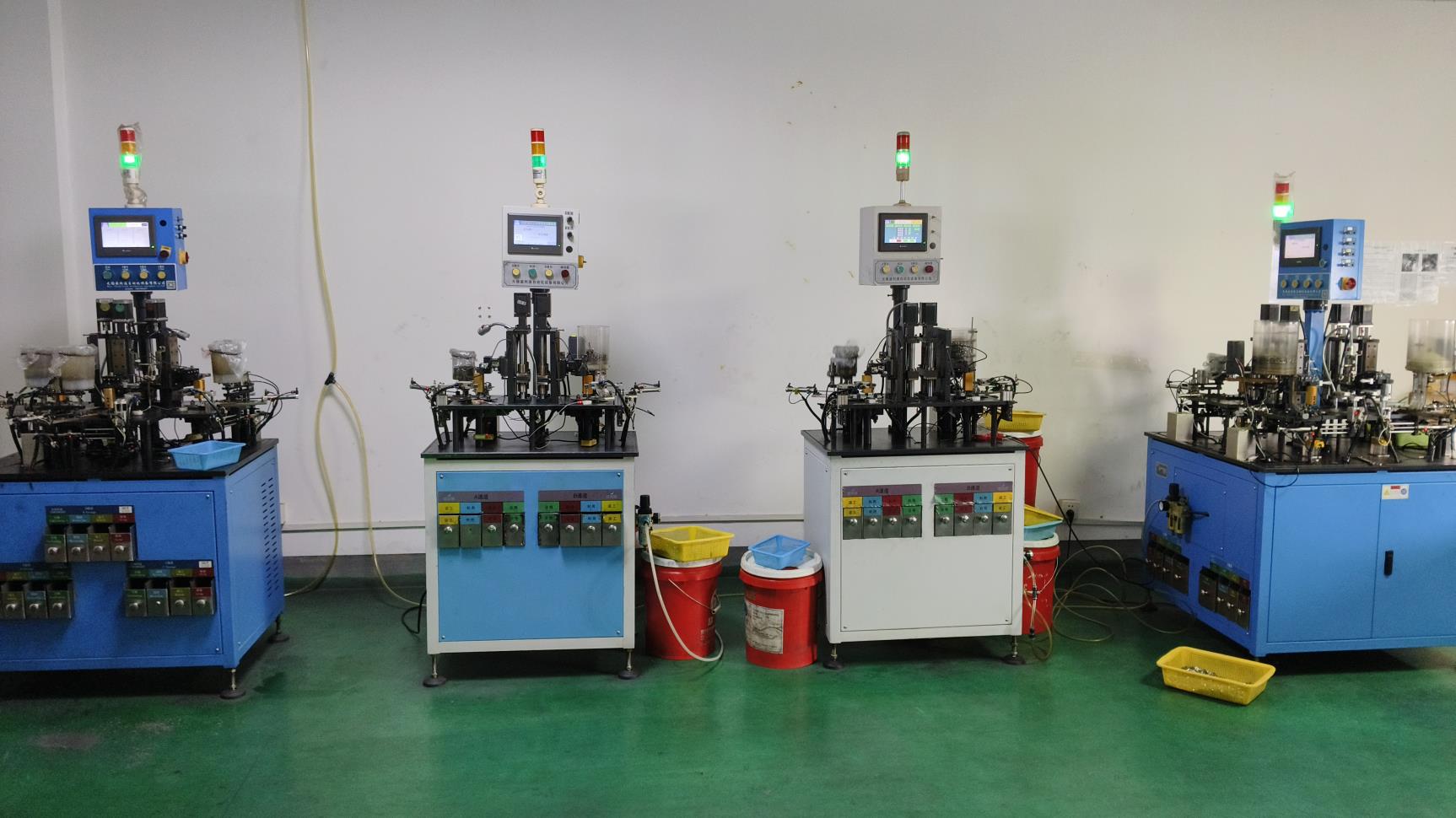
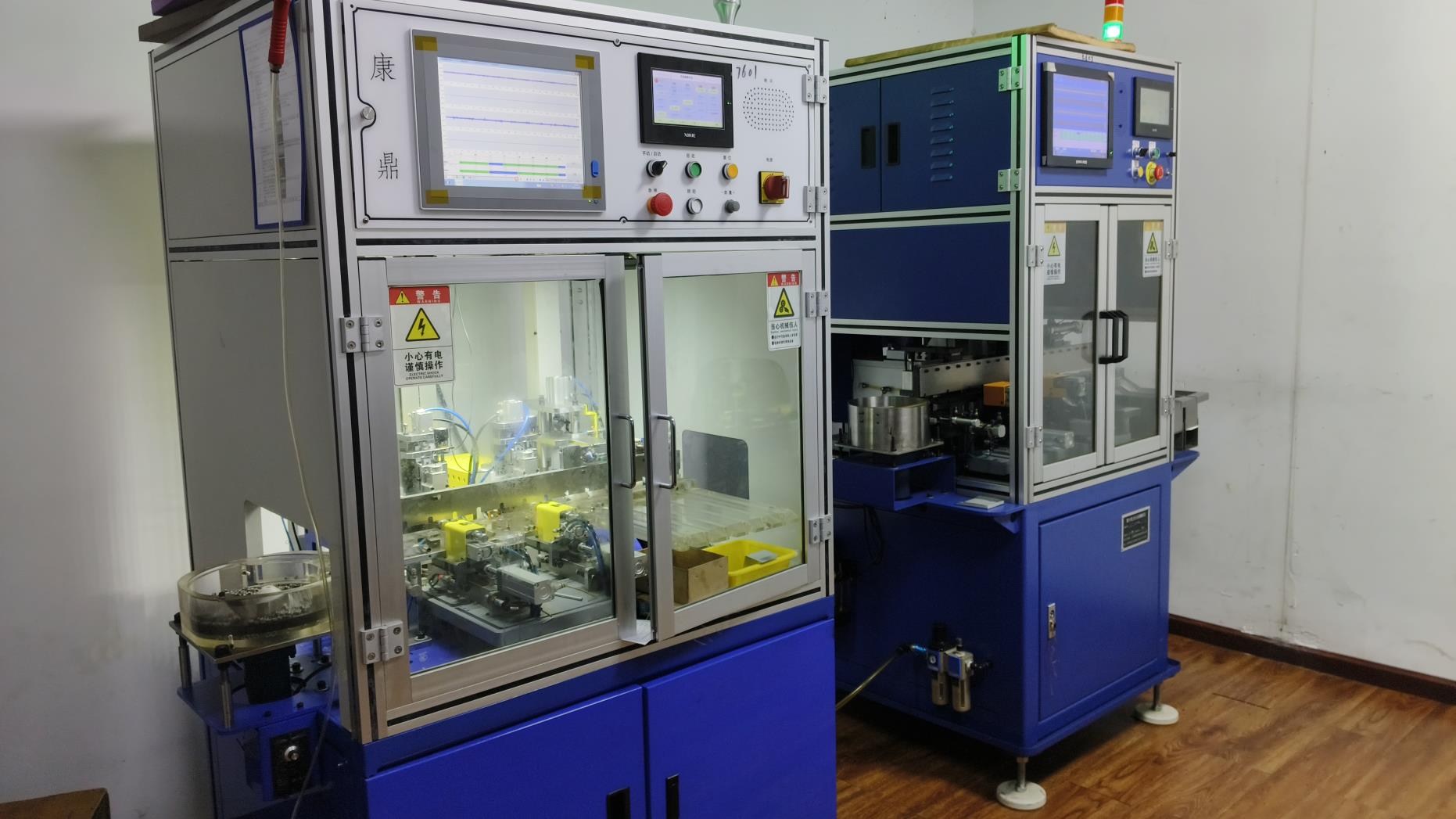
Adapting power conversion and mechanical actuation technologies to modern smart infrastructure demands.
In practice, electrical rectifiers and DC micro-drives do not operate in isolation. They are embedded inside localized, specialized systems that demand high durability. To support design engineers and system integrators, we highlight some key application areas:
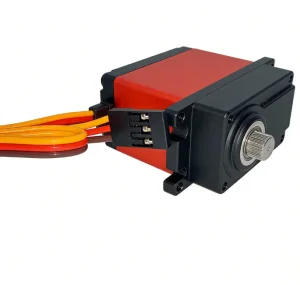
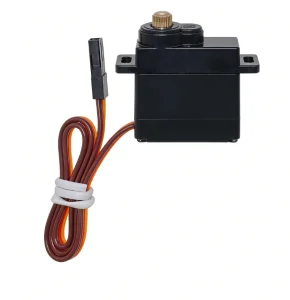
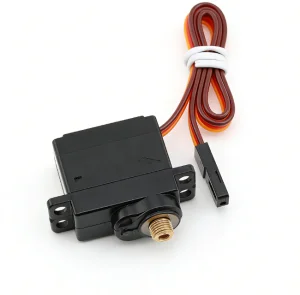
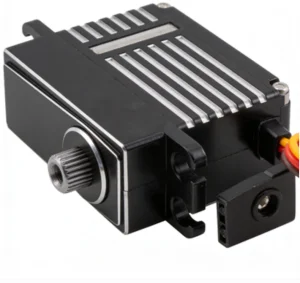
Modern assembly lines depend on robotic arms that execute high-precision movements. These robots rely on stable DC current supplied by industrial rectifiers, which directly feed high-torque servo motors (like the XS007A 35kg semimetal servo) to manage payload transitions without speed variation.
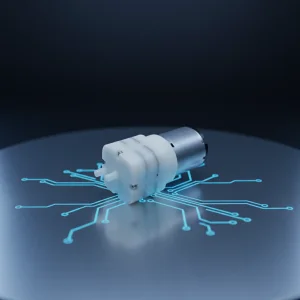
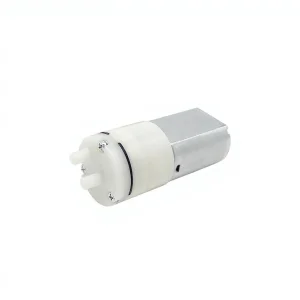
Water treatment plants and industrial dispensing systems utilize micro vacuum and diaphragm pumps. These components require continuous, ripple-free power to maintain reliable pressure cycles, preventing flow cavitation in systems utilizing mini pumps and vacuum devices.
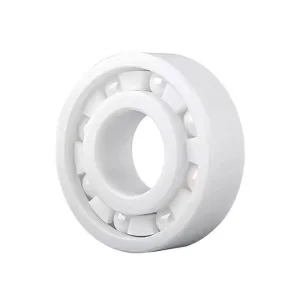
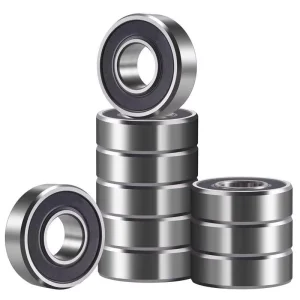
Electric transportation relies on efficient charging rectifiers to convert grid power to battery DC. Additionally, auxiliary drives, such as golf cart planetary reducers or brake assists, operate directly on rectified 12V/24V networks, demanding high mechanical reliability from supporting deep groove ball bearings.
By designing motor drives and power rectifiers with system-wide compatibility in mind, TorqPro Motor ensures that customers encounter no impedance mismatches or localized grid feedback problems when integrating our components. Our focus on precision grinding and decibel-level testing translates directly into systems that operate quietly and reliably in demanding environments.
Understanding supply risk mitigation, cost optimization strategies, and compliance verification frameworks.
For procurement directors and hardware engineers, sourcing power conversion systems involves evaluating total cost of ownership (TCO) alongside technical compliance. The modern supply chain demands agility, transparent component traceability, and verifiable safety certifications. Working with certified exporters allows companies to streamline customs clearance and simplify localized equipment declarations.
Key priorities for global B2B procurement professionals include:
TorqPro Motor addresses these challenges directly. Operating from our manufacturing facility in China, we manage every production phase—from precision grinding of bearing interfaces to automated electrical parameter validation. This vertical integration allows us to keep lead times stable and ensure that every motor, gearbox, and power module shipped meets international standards.
Expert answers to common engineering questions regarding rectifiers, power factor correction, and micro-drive system integrations.
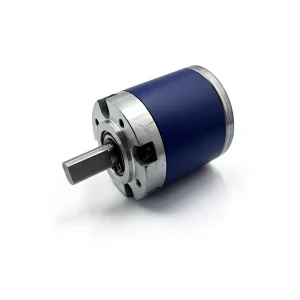
Complete your project layouts with our robust planetary gearmotors, digital servos, and low-friction bearings.
 TorqPro Motor