CE Certified Cable Supplier & Exporter

Precision Engineering, Uncompromising Compliance, and High-Performance Interconnect Solutions for Global Heavy Industry, Medical Diagnostics, and Advanced Robotic Systems

Whitepaper: The Decisive Role of CE Certified Cabling Systems in High-Precision Automated Infrastructure

In modern industrial and technological ecosystems, the performance of micro-drives, high-precision robotic servo motors, and medical-grade diagnostic equipment is directly dependent upon their interconnect arrays. The integration of high-precision components like TorqPro Motor and high-performance miniature bearings requires an equally robust transmission framework. A chain is only as strong as its weakest link, and in high-voltage or complex electronic environments, that link is often the cabling system.
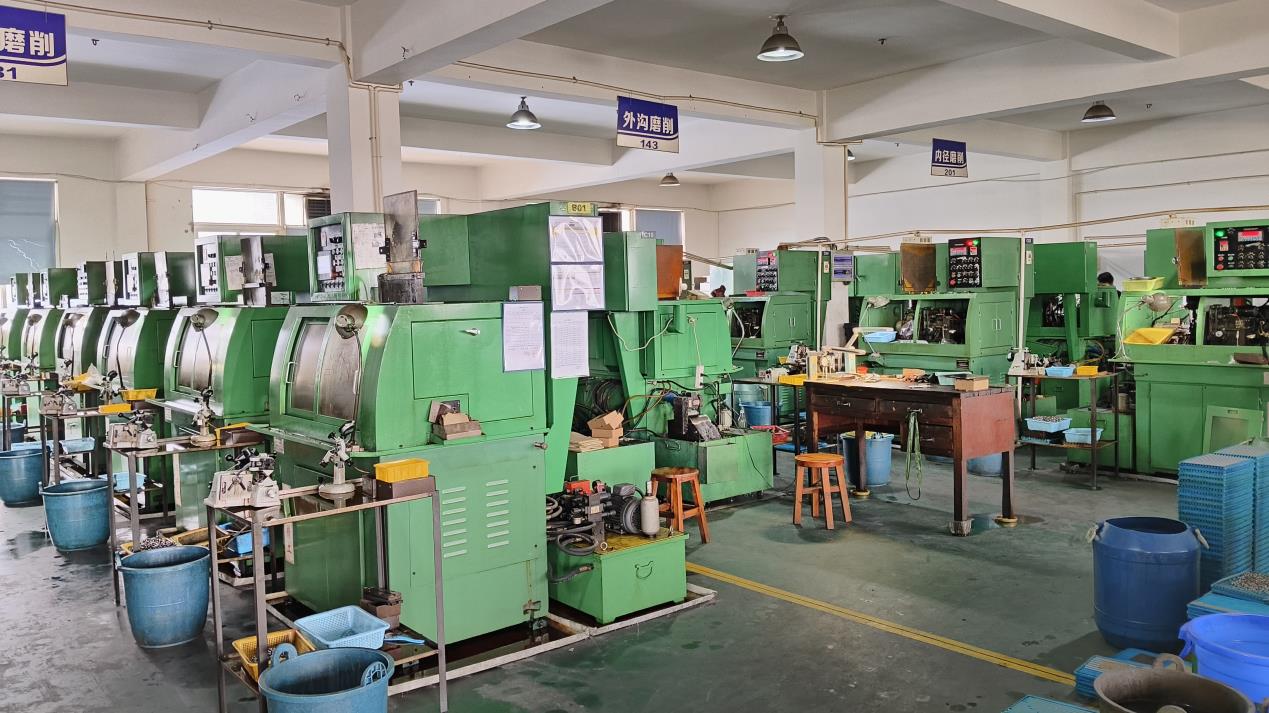
About TorqPro Motor: Every groundbreaking smart device needs a reliable pulse. TorqPro Motor designs and manufactures high-efficiency micro-drives that serve as the invisible, robust core inside next-generation robotics, smart home applications, and aerospace medical tools worldwide. We operate on a simple philosophy: Engineered to last. Built to fit. By blending advanced automation with a passion for micro-engineering, TorqPro Motor provides global B2B clients with the transparency of a local engineering partner and the massive scale advantages of a top-tier Chinese factory. We don't just sell motors; we build the core axis that keeps your business moving forward.
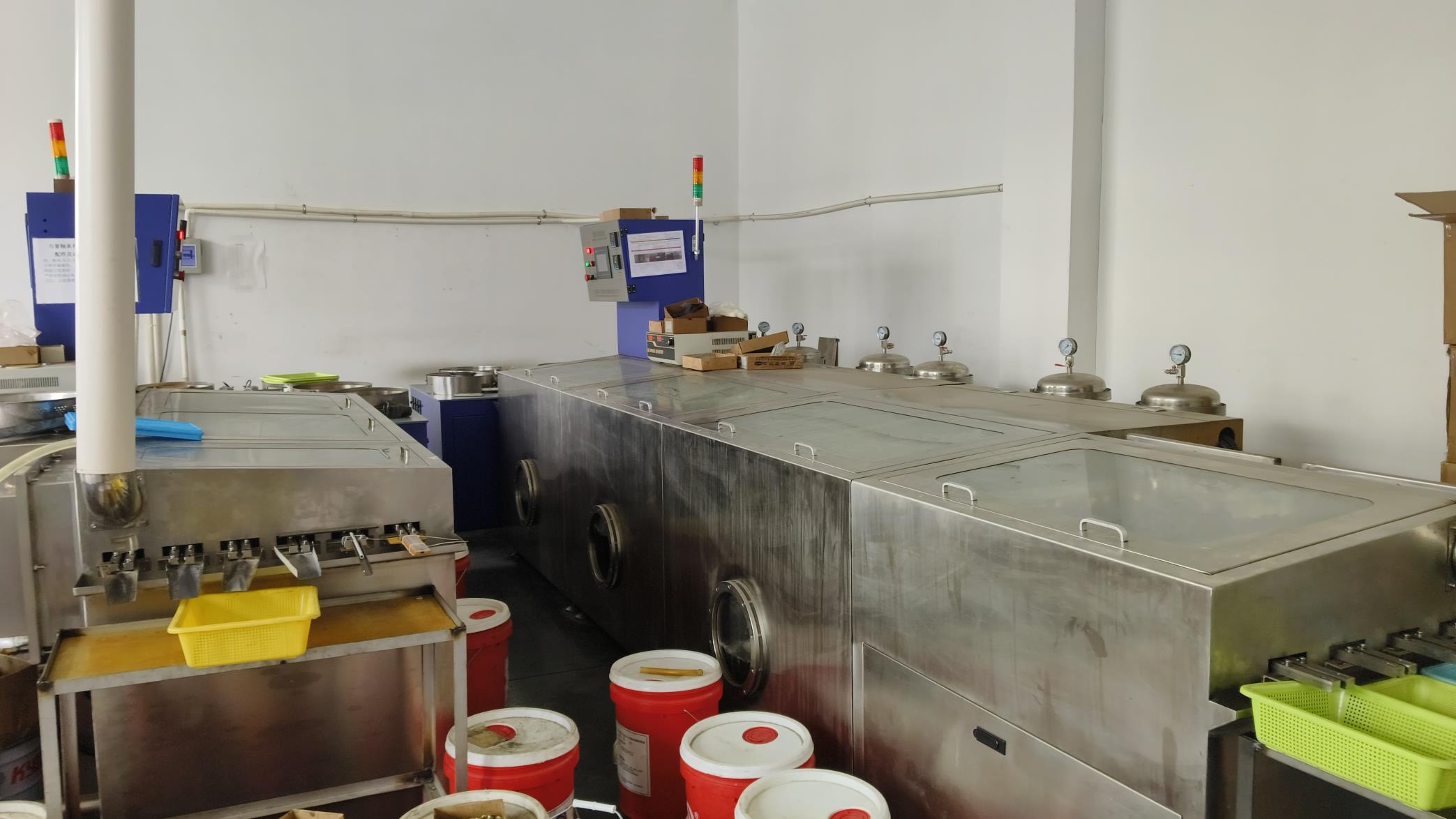
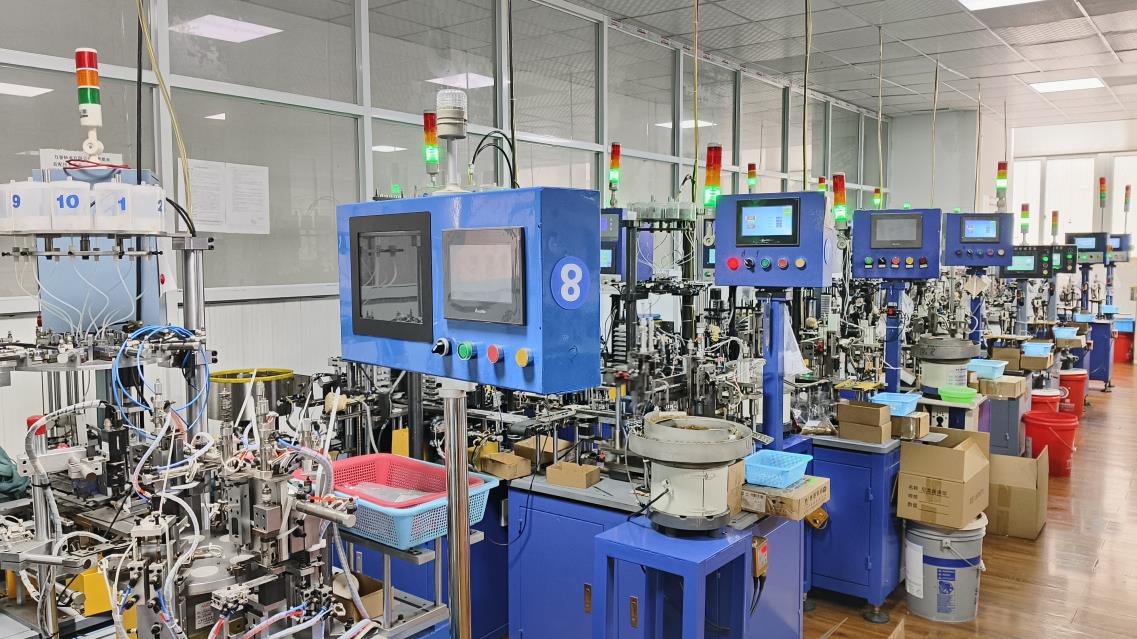
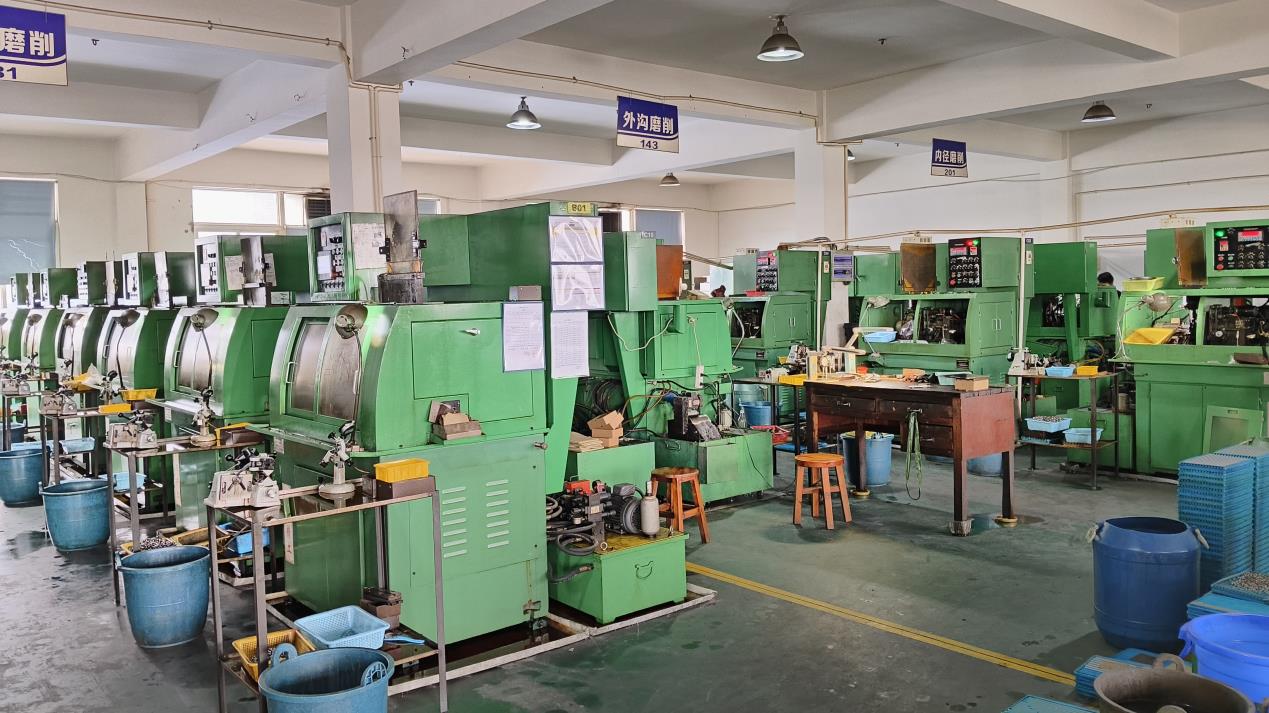
TorqPro Motor Production Facility

1. Macro Industry Trends: The Dynamic Evolutionary Path of Cabling & Robotics

The global industrial interface is shifting toward decentralized, smart architectures characterized by continuous high-speed movement, extreme flexing, and exposure to chemical agents or high temperatures. Under these conditions, standard cabling options fall short. The demand for CE (Conformité Européenne) certified cables has escalated because they ensure compliance with European safety, health, and environmental protection standards—a prerequisite for deployment across the European Economic Area (EEA).

Key developments in the industrial cable industry include the transition to Halogen-Free Flame Retardant (LSZH) materials, integration of fiber-copper hybrid architectures to handle high-bandwidth signal transmission alongside power distribution, and the deployment of predictive maintenance modules embedded within the cable structure itself. Industrial systems require cables that can withstand millions of alternating bending cycles inside cable tracks without structural or electrical degradation.

50M+
Flex Cycles Rated
100%
CE Compliance
< 0.1%
EMC Signal Interference

2. Global B2B Procurement Demands: Essential Technical Criteria

For international supply chain managers, procurement is not just about unit price. It involves risk mitigation, regulatory alignment, and lifetime cost of ownership. Procurement divisions prioritize several key technical benchmarks:

  • Electromagnetic Compatibility (EMC): Double shielding (tinned copper braid combined with aluminum foil wrap) prevents high-frequency electromagnetic fields from interfering with sensory circuits in micro-pumps or servo controllers.
  • Mechanical Endurance: Ultra-fine copper conductors (Class 6 stranded conductors) are required for continuous dynamic movement in linear tracks and multi-axis articulation fields.
  • Environmental Resistance: PUR (Polyurethane) outer jackets provide resistance to oils, coolants, and mechanical abrasion, outperforming PVC jackets in harsh automation environments.

3. Localized Compliance, Certification, and Traceability

Operating in global markets like Europe, North America, and parts of Asia requires localized support and strict adherence to regional directives. The CE mark signifies compliance with the low voltage directive (2014/35/EU), EMC directive (2014/30/EU), and RoHS directive. Beyond the paperwork, each manufacturing batch must have full materials traceability—from raw copper cathode melting down to the polymer extrusion stage.

Having a manufacturing partner with ISO 9001:2015 registration and testing capabilities ensures that every shipped meter of cable meets international standards, reducing downstream failure risks during system integration.

4. Technology Roadmap: Future Interconnect Architecture

Looking ahead, the integration of physical power networks with optical high-speed communication lines is a key development. Industrial Ethernet protocols (Profinet, EtherCAT, CC-Link) are driving the need for hybrid cable designs capable of handling gigabit data transfer rates under high vibration levels. Additionally, bio-compatible polyurethane formulations are being developed for surgical robotic arms and medical ventilators, ensuring compliance with strict healthcare sanitation regulations.

Technical Capabilities & Certifications

  • CE / LVD Compliance: Fully accredited under European Directives.
  • RoHS & REACH Verified: Zero hazardous chemicals used.
  • ISO 9001:2015: Audited manufacturing and testing workflows.
  • EMC Shielding: Up to 95% tinned copper braid coverage.
  • High-Temp Rating: Material options stable up to +250°C.

Advanced Manufacturing & Metrology Workflows

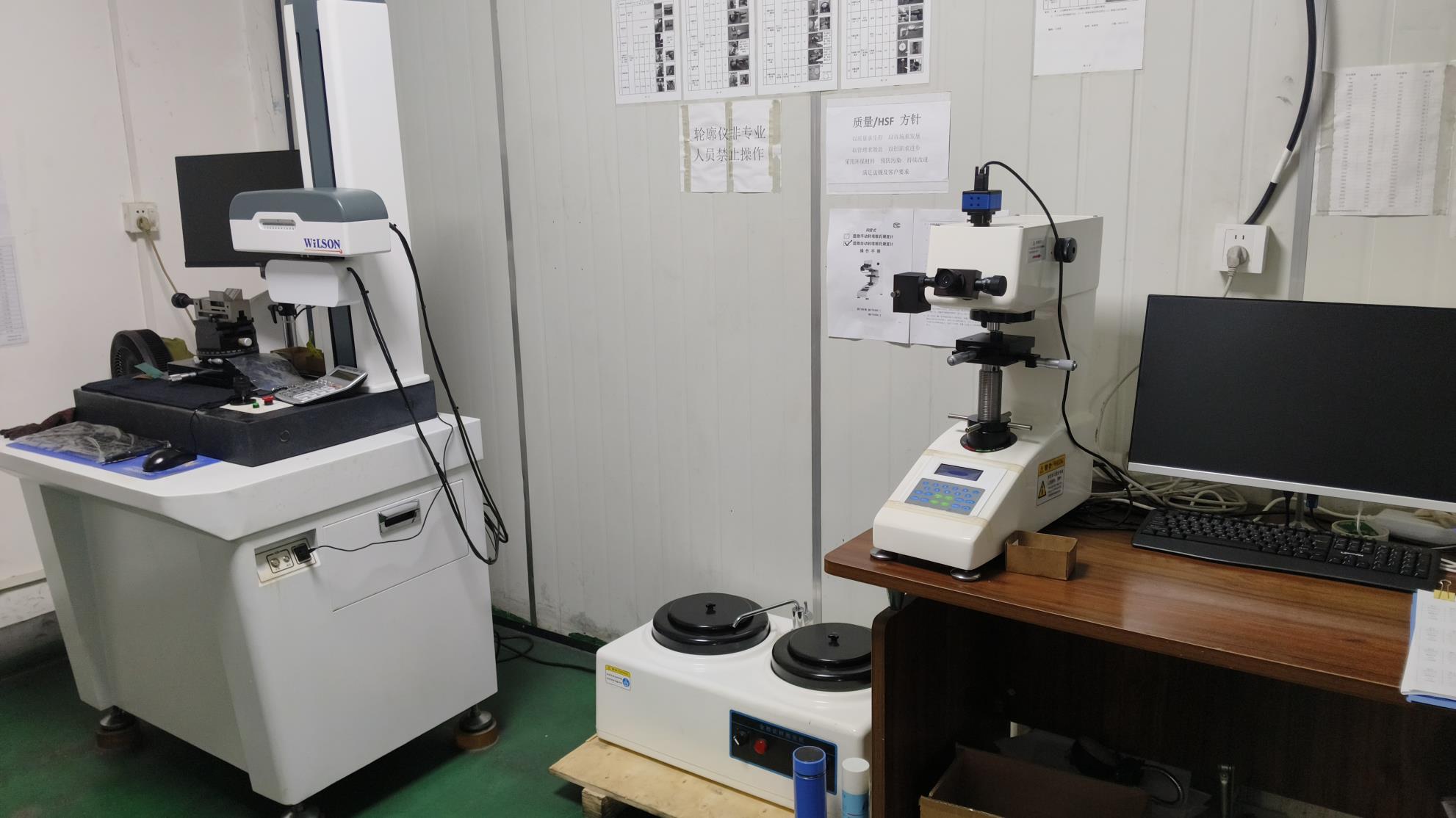
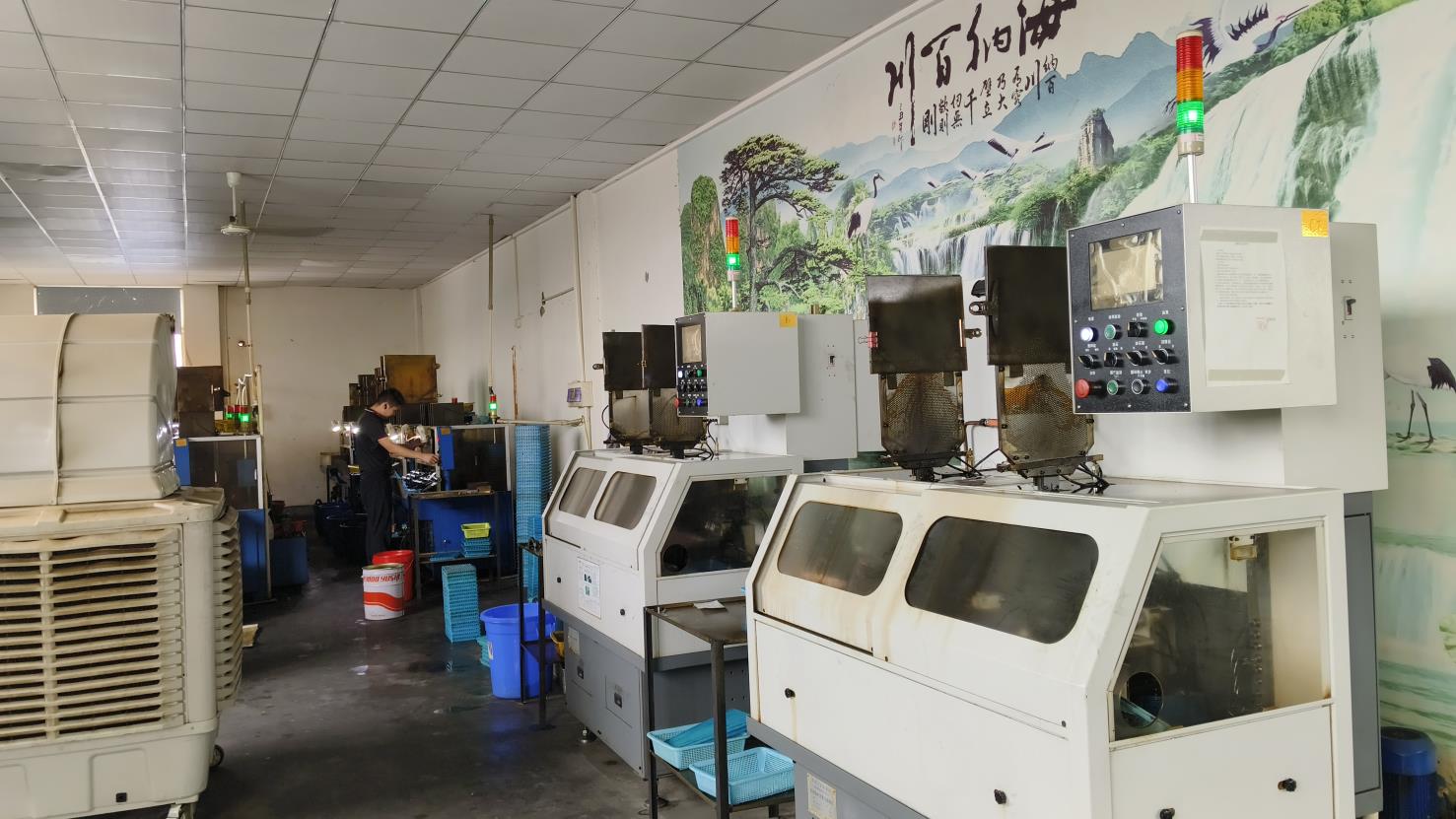
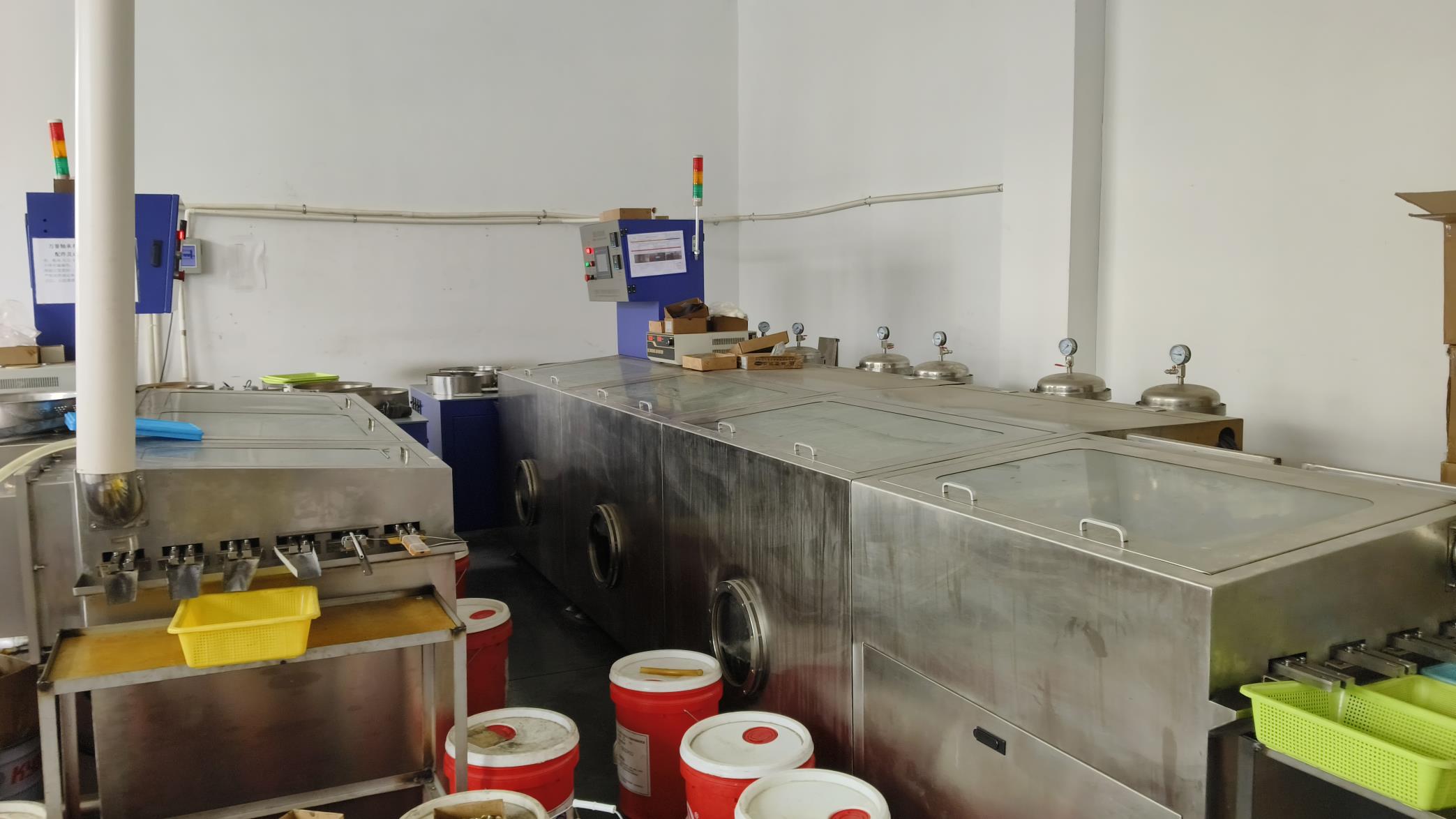
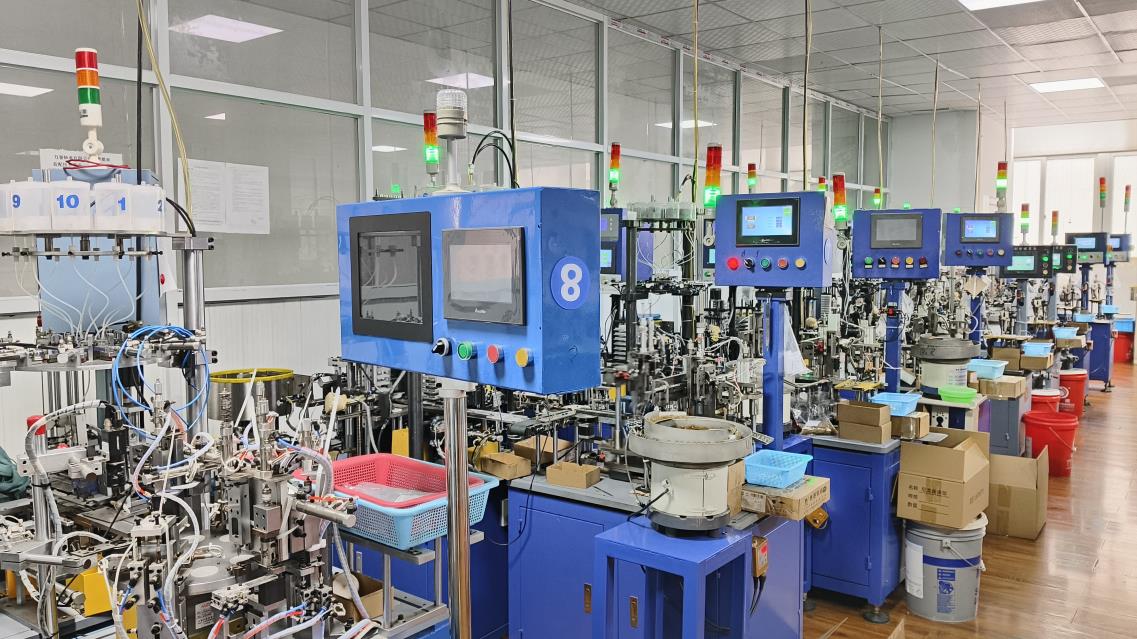
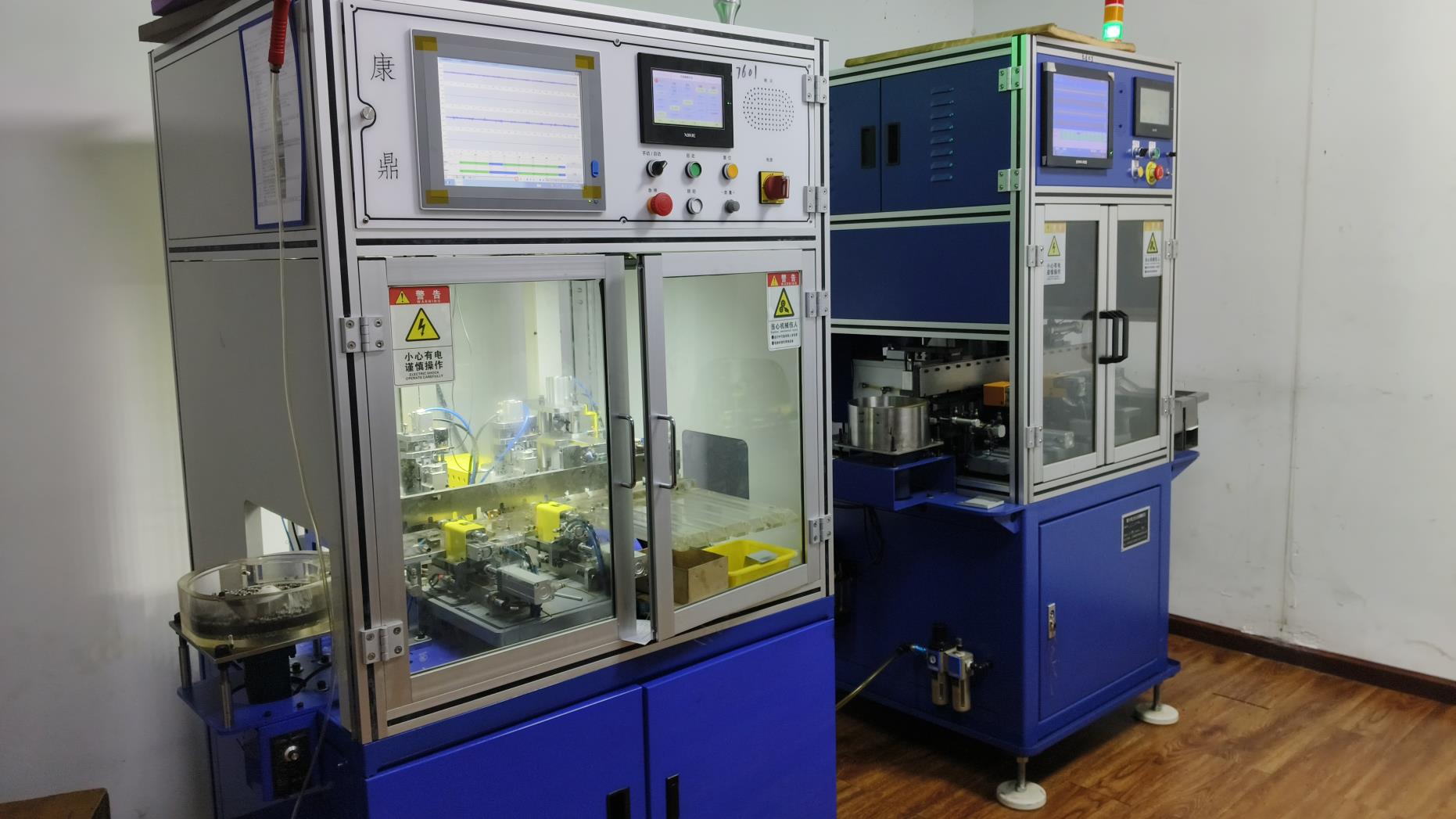
A transparent look inside our production facilities. Precision-guided machinery and testing equipment ensure that every component complies with strict dimensional and operational standards.
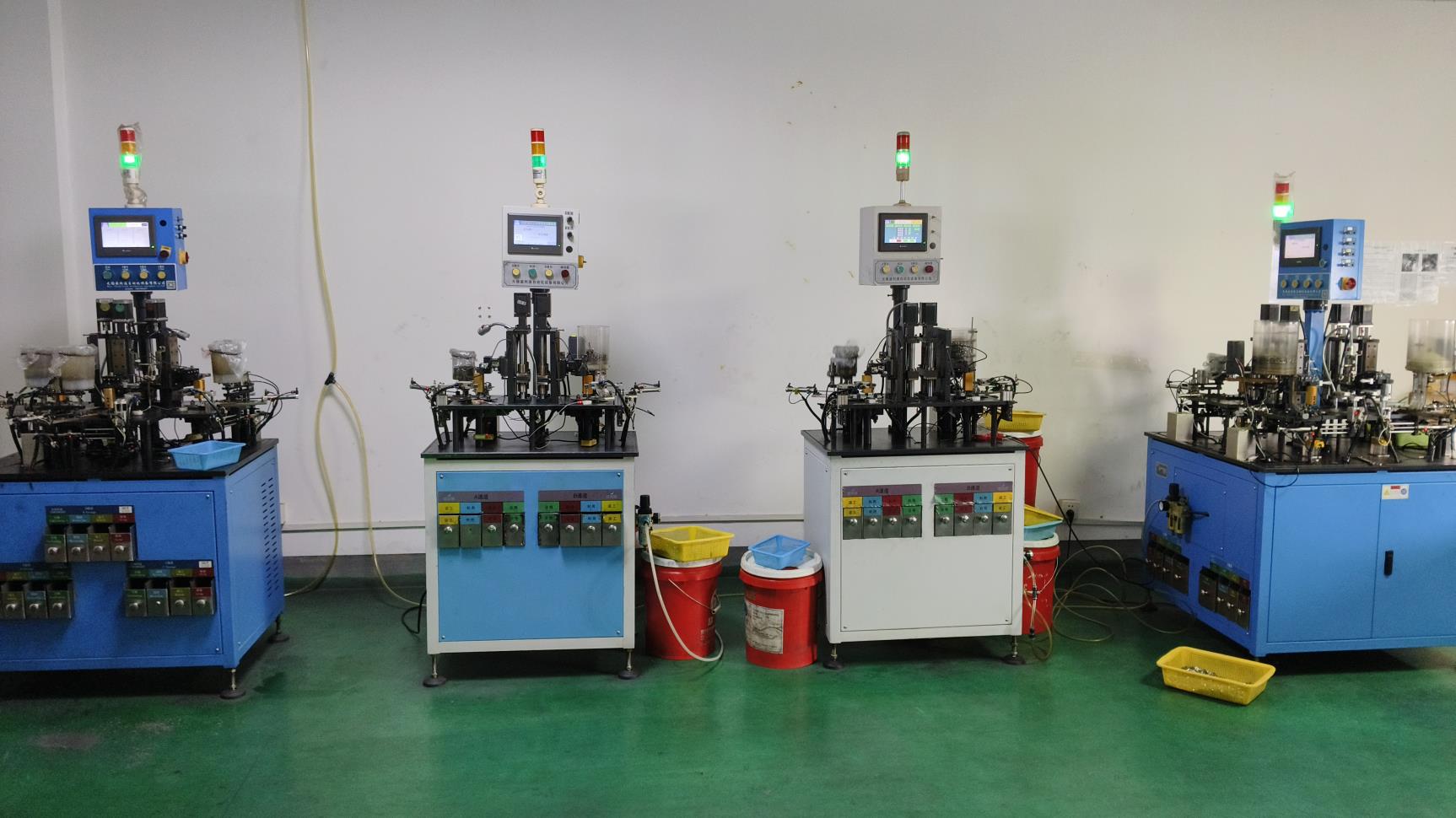
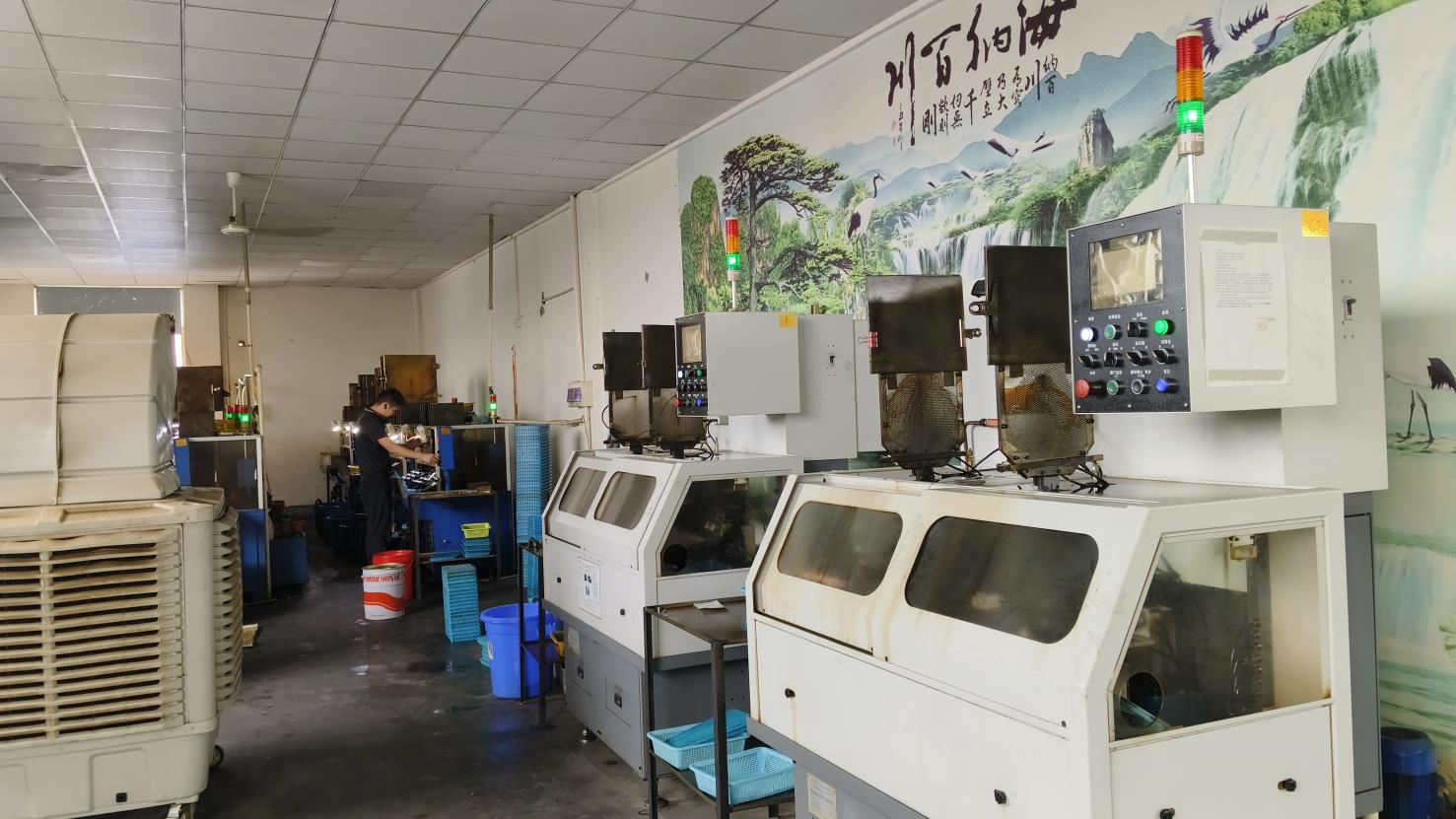
Process 01 Grinding & Sizing
Grinding
Process 02 Ultra Precision Grinding
Ultra Precision Grinding
Process 03 Automated Cleaning
Cleaning
Process 04 Precision Assembly
Assembling
QC Test 01 Aperture Detector Testing
Aperture Detector Testing
QC Test 02 Parameter Tester Testing
Parameter Tester Testing
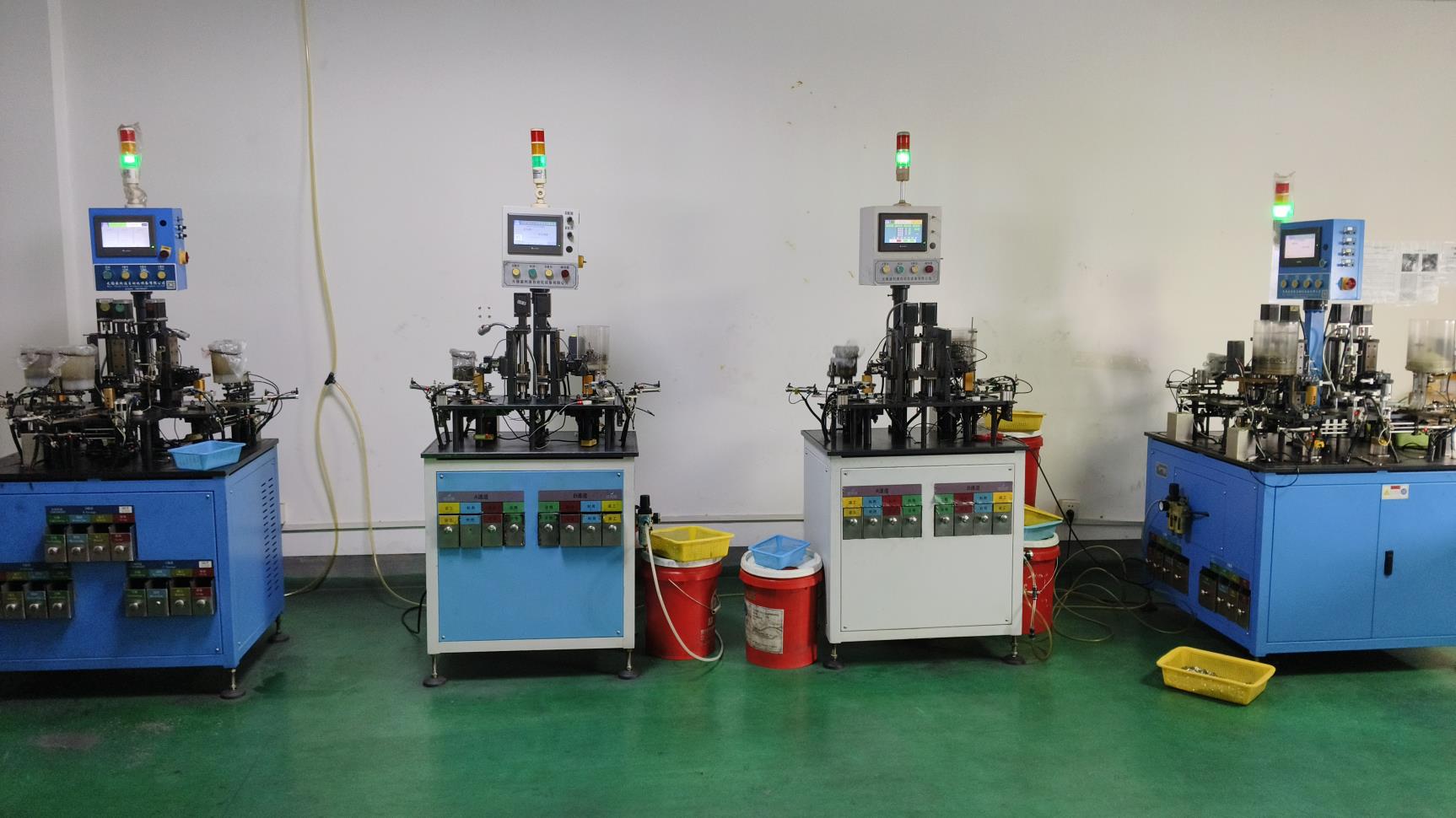
Machine 01 Industrial Grinding Machine
Grinding Machine
Machine 02 Ultra Precision Grinding System
Ultra Precision Grinding Machine
Machine 03 Cleaning Machine
Cleaning Machine
Machine 04 Assembly Machine
Assembly Machine
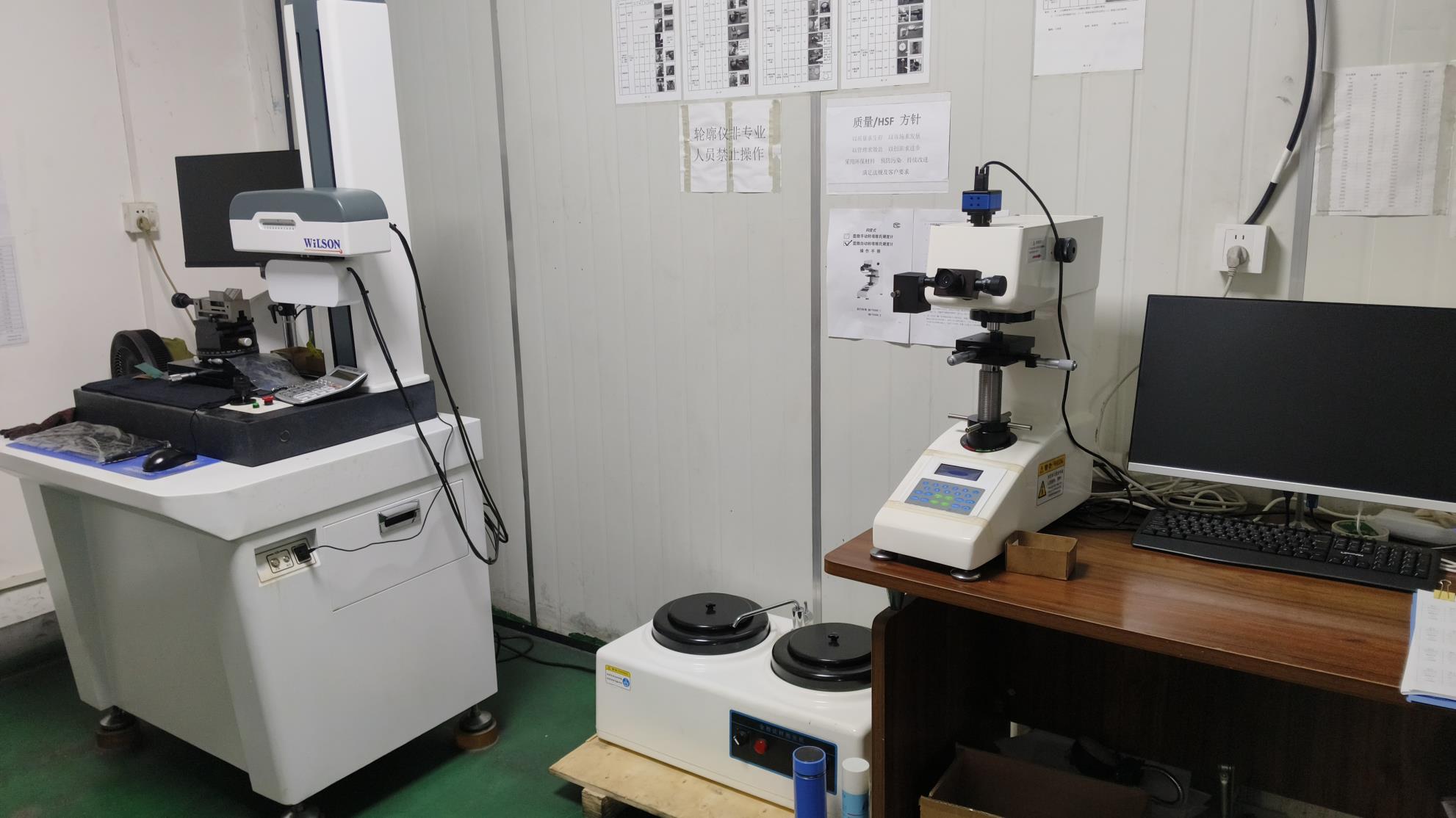
QC Test 03 Inspection Unit
Inspecting
QC Test 04 Aperture Detector
Aperture Detector
QC Test 05 Parameter Tester
Parameter Tester
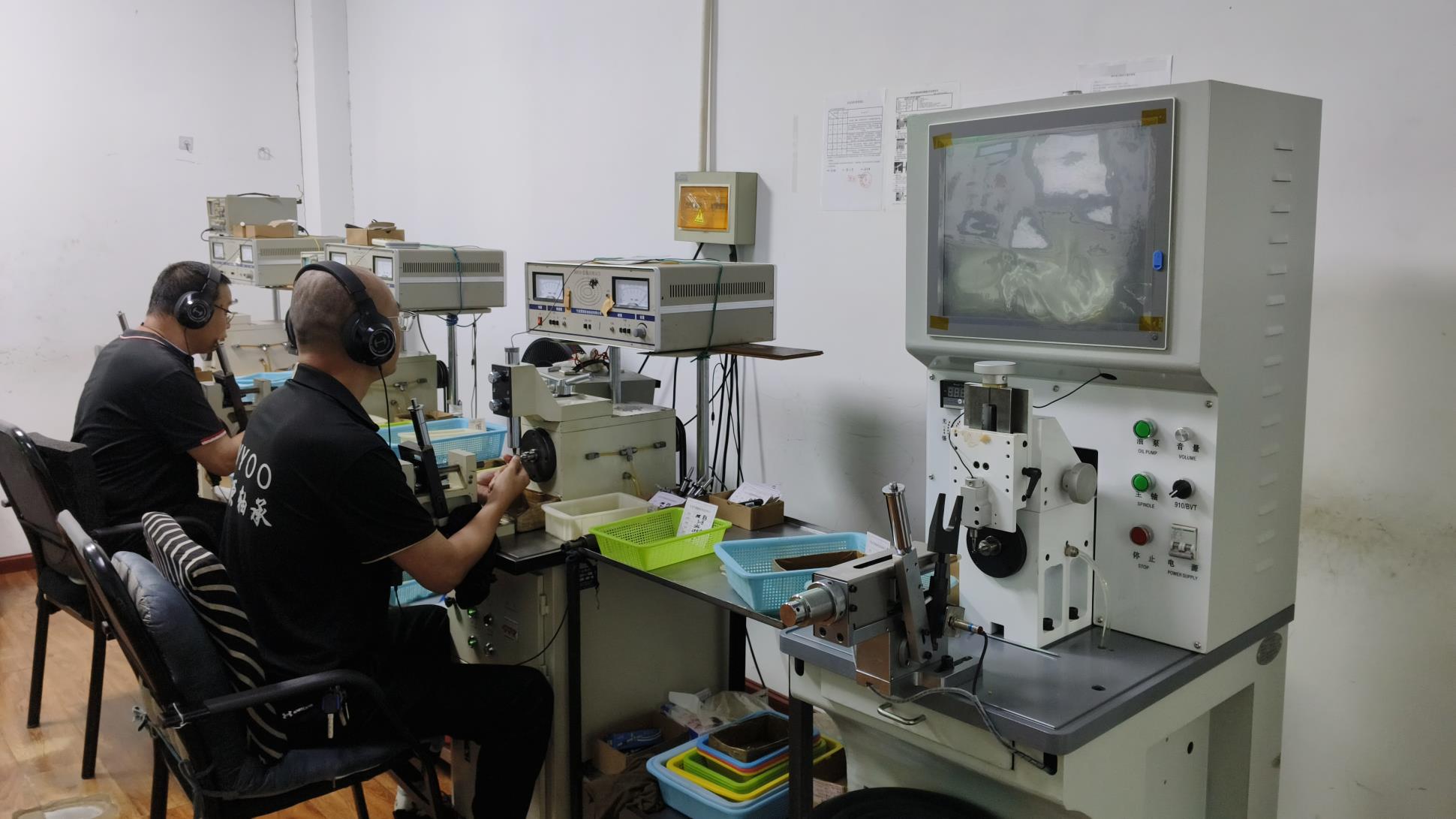
QC Test 06 Decibel Detector
Decibel Detector
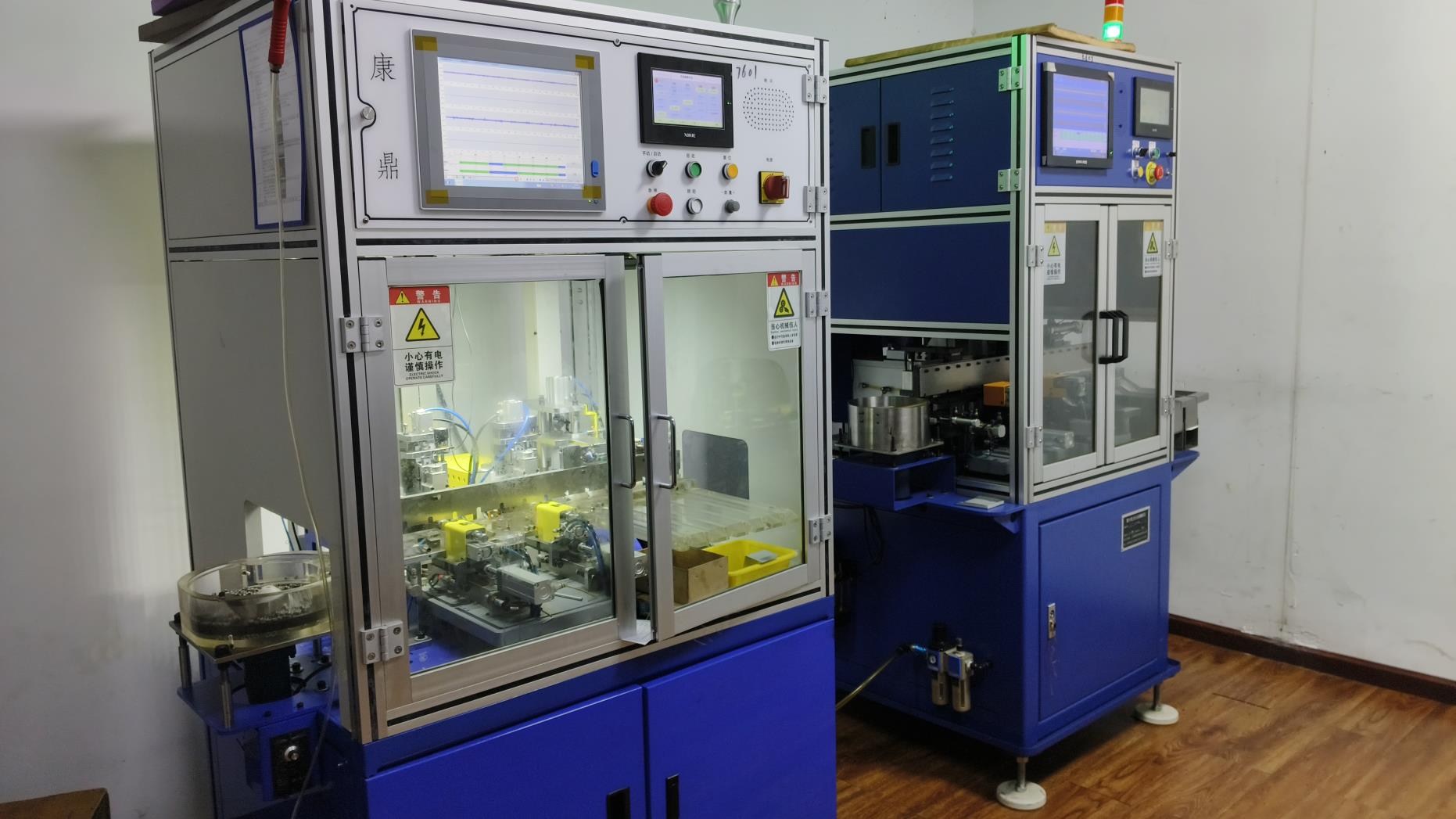
QC Test 07 Automatic Decibel Detector
Automatic Decibel Detector

Expert Q&A: Regulatory Compliance, Engineering Standards & Selection

Get technical answers about CE certification, cable shielding configurations, and product lifetime performance parameters from our engineering team.

What specific directives must a CE certified cable comply with for industrial machinery deployment?
For use in industrial equipment, cables must satisfy the requirements of the Low Voltage Directive (LVD) 2014/35/EU (which covers electrical equipment operating between 50 and 1000 V AC or 75 and 1500 V DC) and the Electromagnetic Compatibility (EMC) Directive 2014/30/EU. They must also comply with the RoHS Directive to restrict hazardous substances. Under standard EN 50575, cables installed permanently in buildings are also subject to the Construction Products Regulation (CPR).
How do PUR jackets compare to PVC jackets for high-flex dynamic applications?
PUR (Polyurethane) is a thermoplastic elastomer that offers superior mechanical strength compared to PVC, including better notch resistance, tensile strength, and abrasion resistance. PUR remains highly flexible in temperature ranges from -40°C to +80°C and is resistant to mineral oils, coolants, and UV radiation. While PVC is cost-effective for static applications, PUR is the preferred jacket material for continuous-flex drag chains and robotic applications.
How can signal degradation be prevented in feedback cables routed close to high-voltage motor lines?
To prevent electromagnetic interference (EMI), feedback cables require shielding, such as tinned copper braid with at least 85% coverage combined with aluminum foil wrap. Using twisted-pair conductors helps cancel out differential-mode noise. For critical runs, keeping a minimum distance of 200 mm between power and signal lines is recommended, along with using hybrid cables designed with internal EMI barriers.
What are the lead times for custom-engineered cables from your factory?
Standard catalog cables are typically in stock and ready for immediate dispatch. For custom designs—including customized cross-sections, hybrid composites, or special outer jackets—prototypes are manufactured and tested within 2 to 3 weeks. Full production runs generally take 4 to 6 weeks, depending on materials sourcing and complexity.