Choosing the right generator can be a daunting task. According to industry expert John Smith, “A generator is not just about power; it’s about reliability.” His insights highlight the importance of understanding your specific needs when selecting a generator.
Generators come in various sizes and capacities. Each type suits different applications, from home backup power to construction sites. You must assess what you will use it for. Will you need it for occasional camping trips or permanent setups? These decisions influence the generator type you should consider.
Selecting a generator requires careful thought. Many people overlook crucial details, such as wattage and fuel type. It’s easy to get lost in specifications and features. Remember, the most expensive generator may not be the best for your situation. Generators can be complex, and reflection is necessary. A thorough understanding is vital to make an informed decision.
Understanding the Basics: What is a Generator?
Generators are essential devices that
convert mechanical energy into electrical energy. They work by utilizing mechanical motion to
produce electricity, often through the rotation of a coil in a magnetic field. This process is
fundamental in providing power during outages or in remote areas lacking a power grid.
Understanding how generators function
can help you consider your specific needs effectively.
When choosing a generator, it's crucial to evaluate your power requirements. Different models
provide varying wattage outputs, suitable for powering small appliances or an entire home. Think
about the devices you intend to run. Are you looking for temporary emergency power? Or do you need
a generator for regular use, such as camping or construction work?
It's also important to assess the fuel type.
Gasoline generators are common, but they can be noisy and less reliable over time. Propane options
exist, offering cleaner energy solutions.
Remember, maintenance matters. A well-maintained generator
can last longer but often demands regular checks. This pursuit of reliability can sometimes feel tedious,
yet it is vital for safety and performance.
Types of Generators: An Overview of Common Variants
When it comes to generators, understanding the types available is crucial for making an informed choice. Common variants include portable generators, standby generators, and inverter generators. Portable generators are widely used for outdoor activities and emergency situations. They offer flexibility but often come with limitations in power output. Standby generators automatically kick in during power outages, providing seamless power restoration. However, their installation can be complex and costly.
Inverter generators are becoming popular due to their efficiency and quieter operation. According to the U.S. Department of Energy, inverter generators can be 40% more fuel-efficient than conventional models. This efficiency makes them a smart choice for many homeowners. Each type suits different needs and environments. For example, contractors often prefer portable options for job sites, while homeowners may find standby models more reliable for frequent outages.
Understanding your specific needs is critical when choosing a generator. Is it for backup power, recreational use, or job site applications? Many customers overlook fuel types, noise levels, and power output requirements. Research suggests that noise level is a significant concern for users; many people prefer models that operate under 60 decibels for residential use. Ultimately, taking the time to assess these factors leads to a more satisfactory generator selection.
Key Factors to Consider When Choosing a Generator
Choosing the right generator involves several key factors. First, assess your power needs. Consider what appliances or devices you'll run. Calculate their total wattage to find the suitable generator capacity. If you require a generator for emergencies, a higher capacity might be necessary. Think about your usage frequency as well. Occasional use might not demand the same power level as regular use.
Portability is another crucial aspect. If you need a generator for outdoor activities, lightweight models can be beneficial. Consider the noise level, especially if you plan to use it in residential areas. Some generators are quieter than others, which can impact your experience. Durability is also essential—investing in a robust generator can save you money in the long run.
Lastly, don’t overlook fuel type. Generators typically run on gasoline, propane, or diesel. Each has quirks that may suit your preferences. Gasoline is widely available, but it can be less stable over time. Propane provides cleaner energy but may have limited availability. Diesel engines often last longer but can be heavier. Balancing these factors can lead to a generator choice that meets your needs effectively. Reflecting on these points can guide you in making the best choice.
Assessing Your Power Needs: How to Calculate Wattage Requirements
Calculating wattage requirements is crucial when selecting a generator. Start by assessing your power needs. Identify the devices you intend to run concurrently. Common household appliances vary significantly in their energy consumption. For instance, a refrigerator may require about 700 watts, while an air conditioner can demand around 2,000 watts or more.
Using this information, summing the wattage of these devices gives you a clearer idea of your total needs. The National Electrical Manufacturers Association suggests that typical homes use between 3,000 and 5,000 watts during outages. This data highlights the necessity of accurate calculations. Oversizing may lead to wasted fuel, while undersizing can cause equipment failure.
Consider starting wattage as well. Many appliances need more power when starting up. This surge can be 2-3 times their running wattage. Thus, if your air conditioner needs 2,000 running watts, be prepared for up to 6,000 watts at startup. Understanding this distinction can save you from costly mistakes. An informed decision is an empowered one. Your careful calculations can ultimately lead to efficient and reliable generator use.
Generator Maintenance: Tips for Longevity and Safety
Generator maintenance is crucial for ensuring both longevity and safety. Regular checks on fuel levels and battery health can prevent unexpected failures. Keep the generator clean. Remove dirt and debris to enhance airflow. This simple step can prolong its life significantly.
Listen for unusual sounds during operation. Strange noises may indicate wear or improper function. Addressing these issues early can save costs in repairs. Change the oil and filters as recommended. This routine upkeep helps maintain performance and efficiency.
Ensure your generator is properly grounded. This reduces the risk of electrical hazards. Store it in a dry place to prevent corrosion. Remember to check for recalls or safety notices. Maintaining awareness can enhance safety and reliability. Neglecting these tasks might lead to downtime or unsafe conditions. Regular attention to these details makes a world of difference.
FAQS
: A generator converts mechanical energy into electrical energy. It uses mechanical motion to produce electricity.
Generators provide power during outages or in remote areas without a power grid. They are essential for reliable electricity.
Evaluate your power needs first. Consider what devices you want to run and if you need it for emergencies or regular use.
Common fuel types include gasoline and propane. Gasoline generators are popular but can be noisy. Propane is cleaner and quieter.
Generators come in portable, standby, and inverter types. Each serves various needs, from outdoor activities to home power backup.
Inverter generators are more fuel-efficient and quieter. They can be up to 40% more efficient than conventional models.
Regular maintenance is key for reliability. Inspect your generator often for better performance and safety. It can feel tedious.
Many users prefer generators operating under 60 decibels for residential areas. Noise can be a significant concern for many customers.
Think about installation complexity, fuel type, and maintenance needs. Many overlook these important aspects during their choice.
Yes, portable generators are popular for camping and outdoor activities. However, assess their power limitations before use.
Conclusion
A generator is a device that converts mechanical energy into electrical energy, providing a crucial source of power during outages or in off-grid situations. Understanding the different types of generators—such as portable, standby, and inverter models—is essential for making an informed choice. When selecting a generator, it is vital to consider key factors such as power output, fuel type, and mobility based on your specific needs.
Calculating your wattage requirements is an important step in assessing your power needs, ensuring you choose a generator that can handle your devices and appliances efficiently. Additionally, proper maintenance is crucial for the longevity and safety of your generator. Regular checks and servicing can prevent malfunctions and enhance performance, helping you make the most of your investment in a generator.
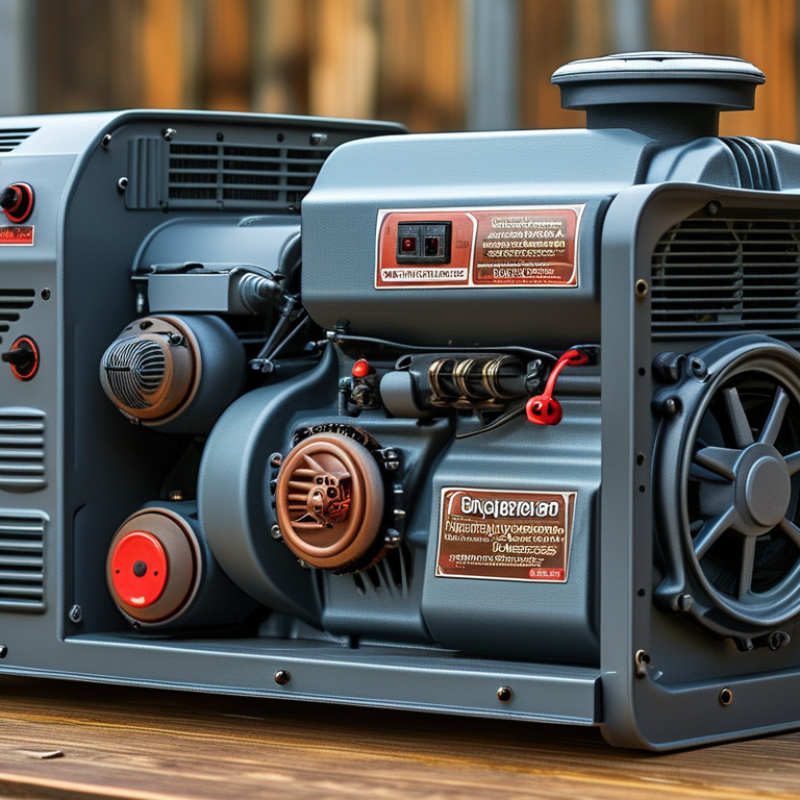

 TorqPro Motor