A compressor is a vital device used in various applications. It increases the pressure of gases, making them more useful for different tasks. Understanding how a compressor works can lead to better maintenance and efficiency.
In simplest terms, a compressor takes a gas and compresses it into a smaller volume. This process increases the pressure. The fundamental operation involves several key components. These include the intake, compression chamber, and discharge valve. Each part plays a crucial role in ensuring optimal performance. It is essential to recognize the nuances in different compressor types: rotary, reciprocating, and screw. Each type has unique advantages, but also limitations.
Many users overlook the importance of regular maintenance. Neglect can lead to inefficiencies and breakdowns. These factors affect energy consumption and operating costs. A thorough understanding of a compressor’s operation is beneficial. Users should be aware of potential issues and how to address them. Knowledge empowers better choices and fosters reliability in equipment usage.
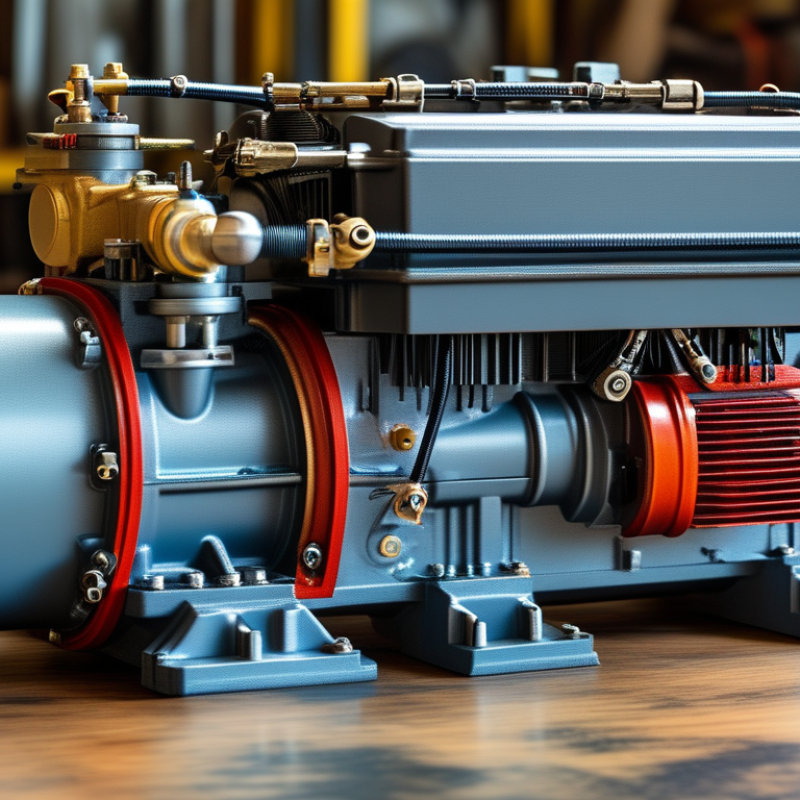
A compressor is a vital device used in various fields, from HVAC systems to industrial machinery. Its primary function is to increase the pressure of gas or air by reducing its volume. This process is crucial in many applications, including refrigeration and air conditioning. Most compressors operate on the principle of mechanical work. They draw in low-pressure gas and compress it to a higher pressure before releasing it into the system.
The design and operation of a compressor can vary significantly. Some employ pistons, while others use rotary elements. Each type has its advantages and drawbacks. For instance, piston compressors can achieve higher pressures but may require more maintenance. In contrast, rotary compressors are generally quieter but may not handle high demand as well. Understanding these nuances can help users choose the right compressor for their needs.
In many cases, people may underestimate the importance of proper maintenance. Neglecting the upkeep can lead to decreased efficiency and greater energy consumption. Regular checks and servicing are essential to ensure that a compressor functions optimally. It's not just about filling a role; it's about maintaining efficiency over time.
Compressors play a crucial role in various industries, with different types suited for specific applications. Reciprocating compressors, for example, are widely used in refrigeration. These compressors use pistons to compress gas, achieving high pressure. They are reliable but may require regular maintenance to avoid wear and tear.
Rotary screw compressors offer a continuous flow of compressed air. They work well in manufacturing settings. These compressors are energy-efficient but can be costly to repair if they malfunction. Keeping an eye on energy consumption can help avoid surprises.
When choosing a compressor, consider its application. Smaller, portable compressors are great for DIY projects. Larger, stationary models typically serve industrial purposes. Ensure you assess your needs before making a purchase. Regularly reviewing the compressor's performance is vital. This can prevent unexpected downtime.
Compressors play a critical role in various industrial applications. They convert energy into potential energy stored in pressurized air. Understanding their working mechanism is essential for efficient operation. Most compressors operate using three primary methods: positive displacement, dynamic, and vortex.
Positive displacement compresses air by reducing its volume. It is widely used in small-scale applications. Dynamic compressors, on the other hand, utilize high-speed rotating blades to draw in and compress air. This is ideal for large-scale operations requiring continuous air flow.
According to a 2022 industry report, around 70% of all compressed air systems in manufacturing are inefficient. Many facilities lose significant energy due to leaks. A study revealed that even a small leak, the size of a dime, can waste about 5-30% of a compressor's output. This emphasizes the need for regular maintenance and monitoring. The working principle behind most compressors involves the thermodynamic change associated with the air’s compression process, which can lead to heated air. Inefficient systems often overlook this, leading to unnecessary energy consumption.
In the context of energy efficiency, continuous improvement is vital. Operators must regularly assess the performance of compressors. Small adjustments in settings can yield substantial energy savings. However, understanding the trade-offs in compressor design is crucial. Not all designs perform equally under varying operational conditions. This exploration of compressors offers a glimpse into their complexity and the importance of diligence in their maintenance and operation.
Compressors play a critical role in various industries. They are often used to convert low-pressure gas into high-pressure gas. This process is essential for many applications. In manufacturing, compressors supply air to power tools. They also support automated machinery in factories.
In the refrigeration sector, compressors are crucial for maintaining low temperatures. They circulate refrigerants, allowing for effective heat exchange. Many food storage facilities rely on these systems. Meanwhile, in the automotive industry, compressors are vital for air conditioning systems. They ensure passenger comfort in vehicles, especially during summer months.
Despite their importance, compressors can face issues. Noises and vibration can be problematic, leading to maintenance needs. Regular inspections are important to avoid sudden breakdowns. Operators sometimes overlook these aspects. This can affect productivity. Addressing these concerns requires careful attention and expertise. Understanding compressor operation helps prevent inefficiencies in various applications.
Compressors play a critical role in various industries, from refrigeration to manufacturing. Regular maintenance is vital for optimal operation. A well-maintained compressor can operate at an efficiency of over 90%, according to the U.S. Department of Energy. Neglecting maintenance can lead to energy losses, causing operational costs to increase significantly.
Inspection should include checking for leaks and abnormal noises. A study by the Compression System Optimization Initiative found that 30% of compressor failures stem from inadequate lubrication. Also, filters should be clean to ensure airflow. Signs of wear can be easily overlooked, yet they indicate deeper issues.
Troubleshooting involves systematic approaches to identify problems. For instance, temperatures that exceed normal ranges can signal overloading or inadequate cooling. Regularly logging performance data helps in spotting trends that precede failures. Engaging with professional technicians can facilitate better diagnostic outcomes. The industry standards suggest that up to 20% of operating time can be lost due to unaddressed minor issues, complicating overall performance.
: A compressor increases gas or air pressure by reducing its volume, essential for refrigeration and air conditioning.
There are piston and rotary compressors. Piston types achieve higher pressures, while rotary types tend to be quieter.
Neglecting maintenance can lead to reduced efficiency and higher energy consumption. Regular checks are essential for optimal function.
Compressors operate using positive displacement, dynamic, or vortex methods. They convert energy into pressurized air.
Even small leaks can waste 5-30% of a compressor's output, highlighting the need for regular monitoring and maintenance.
Continuous improvement and regular assessments can lead to significant energy savings. Small adjustments often yield substantial benefits.
Noise and vibration can be problematic. Overlooking these aspects may lead to maintenance needs and affect productivity.
They are used in manufacturing for powering tools, in refrigeration for heat exchange, and in automotive systems for air conditioning.
Yes, not all designs perform equally under varying operational conditions, which requires careful evaluation.
Operators should regularly assess performance and understand trade-offs in compressor design to maintain efficiency.
A compressor is a critical device used to increase the pressure of gases by reducing their volume. Its primary function is to move air or gas from one place to another, making it essential in various industrial applications. There are several types of compressors, including reciprocating, rotary, and centrifugal, each serving specific purposes based on their design and operational mechanisms.
The working mechanism of compressors typically involves drawing in gas, compressing it, and releasing it at a higher pressure. They find common applications in industries such as refrigeration, HVAC systems, and manufacturing, facilitating processes that require controlled air or gas pressure. Regular maintenance and troubleshooting are vital to ensure the efficient operation of compressors, preventing downtime and costly repairs. Understanding how compressors work and their applications can greatly enhance their effectiveness in different industrial scenarios.
