Choosing the right Wiring for global projects is more than selecting a cable with a suitable voltage rating. It requires careful attention to climate, installation methods, equipment design, and regional standards. A cable used inside a dry German factory may fail in a humid coastal warehouse. Details matter. Temperature, ultraviolet exposure, vibration, and chemical contact can change performance over time.
This guide examines practical decisions that engineers, contractors, and procurement teams face across international projects. It considers conductor material, insulation type, shielding, fire behavior, flexibility, and connector compatibility. IEC standards can provide a strong technical reference, while NEC requirements and local regulations may also influence approval and installation. Trusted manufacturers should provide traceable test reports, clear datasheets, and consistent production information. Experience shows that documentation often prevents more problems than last-minute troubleshooting.
No selection is perfect. A lower purchase price may create higher maintenance costs, while an over-specified cable can waste budget and installation space. I have seen project teams focus on electrical capacity but overlook bending radius or replacement availability. That mistake is easy to repeat. Measure twice. The right choice balances safety, reliability, compliance, logistics, and real site conditions. This introduction offers a structured way to compare options without assuming that one Wiring solution fits every country, building, or operating environment. It also encourages a necessary review: are the chosen materials truly suitable for the project’s entire service life?
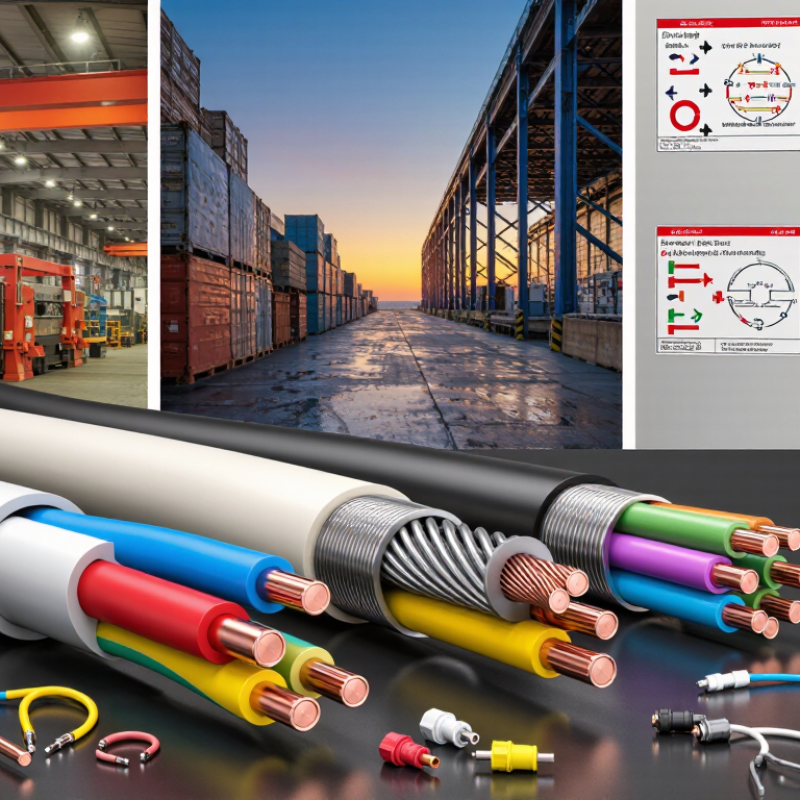
Choosing wiring for a global project begins with defining the project’s real operating conditions.
Confirm voltage, current, frequency, load type, and expected service life. A cable suitable for a dry control room may fail in a humid coastal plant. Temperature, sunlight, chemicals, vibration, and installation distance also influence performance.
Specify insulation, conductor material, flexibility, fire behavior, and permissible voltage drop. Check whether the wiring must pass through trays, conduits, moving joints, or underground routes. Local electrical codes matter, but they should not be treated as the complete specification. Project drawings, test reports, markings, and traceable material records improve reliability. Field reviews often find overlooked details, such as tight bending spaces or poorly identified spare circuits.
Tips: Build a requirement table before selecting cable. Record every assumption. Ask the installation team to review it. Their practical feedback may expose weaknesses that calculations miss. Do not rely on a familiar cable size without checking the actual load and ambient temperature. A neat design can still be incomplete. That is worth admitting. When conditions remain uncertain, allow reasonable thermal and mechanical margins, then verify them through documented testing.
How to Choose the Right Wiring for Global Projects?
Identify Applicable Electrical Codes and Regional Standards
A wiring choice should begin with the project location, not the supplier catalogue. Each country may apply different electrical codes, voltage levels, frequencies, and inspection procedures. Confirm the governing authority before selecting conductor size or insulation type. International standards, such as IEC publications, can provide a useful technical foundation. However, local regulations may add stricter requirements for fire resistance, grounding, or installation methods.
Look closely at the building’s environment. A coastal facility may need stronger corrosion protection, while a factory with hot machinery may require higher temperature-rated insulation. Check cable markings, test reports, and certification documents against the required regional standard. During design reviews, compare conductor capacity with actual ambient temperature, grouping, and enclosure conditions. A calculation that works in a cool office may fail inside a crowded industrial tray. That detail is easy to miss. I have seen teams trust a familiar code and overlook a local amendment. It was not a dramatic error, but it delayed approval.
Tips: Create a country-by-country compliance checklist. Ask the local electrical authority to confirm acceptable standards. Keep translated certificates with the project records. Recheck every change in voltage, routing, or installation location. Standards evolve, and older documents may no longer support approval. Never assume one certificate covers every market. Fitness for purpose must be demonstrated for each region.
Choosing wiring for a global project starts with the conductor. The IEA’s Electricity Grids and Secure Energy Transitions report estimates that 80 million kilometres of grids must be added or refurbished by 2040. That scale makes material selection a procurement decision, not merely an electrical calculation.
Copper offers higher conductivity and easier terminations. Aluminium usually reduces weight and cost, but requires larger cross-sections and carefully prepared joints. Do not compare prices per metre alone. Check voltage drop, ampacity, bending radius, connector compatibility, and local temperature ratings. A cheaper conductor can create expensive installation problems.
Insulation must match the environment. PVC suits many standard installations, while XLPE tolerates higher operating temperatures and supports greater current capacity. Low-smoke, zero-halogen insulation can reduce corrosive emissions in crowded public spaces, although it may cost more and require different installation practices. IEC 60502-1 provides useful benchmarks for many low-voltage and medium-voltage cable systems. Cable design matters too. Armoured cables suit exposed routes, screened designs control electromagnetic interference, and flexible constructions help equipment that moves. IRENA’s World Energy Transitions Outlook 2024 projects renewables could provide about 68% of global electricity by 2030, increasing demand for reliable collection and transmission cables. The difficult part is not choosing the most advanced option. It is matching the design to soil, sunlight, moisture, fire risk, and maintenance skills. A perfect cable rarely exists. Recheck the assumptions.
Choosing wiring for a global project starts with the site, not the catalog. I have seen a cable pass factory testing yet crack after months in desert heat. Record temperature, humidity, sunlight, chemicals, vibration, and water exposure. A coastal pump room needs stronger corrosion resistance than a dry indoor cabinet. Soil conditions matter for buried runs. So does altitude, where cooling performance can change. Small details matter.
Safety evaluation should examine current load, short-circuit risk, fire behavior, and mechanical damage. Select insulation and conductor sizes through verified calculations. Then check local installation requirements with qualified engineers. Keep protective devices coordinated with cable capacity. In crowded trays, separate power, control, and communication circuits where required. Mark circuits clearly at both ends. I once found an unlabeled spare cable during commissioning. Tracing it delayed testing and created avoidable risk. Human error belongs in the design discussion.
Installation methods also affect long-term performance. Conduit protects wiring from impact, while trays improve access and heat dissipation. Flexible connections need strain relief near motors and moving equipment. Seal entries against dust and moisture, but leave room for inspection. Use tools suited to each terminal type, and record torque values. A neat installation can still hide a poor bend radius. Recheck it. Photograph concealed routes before closing walls, and retain test records for maintenance. No checklist catches everything.
Choosing wiring for a global project requires more than matching voltage and conductor size. Verify the required certification in every destination market. IEC 60228 class, insulation ratings, flame performance, and environmental tests should match the installation conditions. A cable approved in one country may still fail a local inspection. Check the certificate number, testing laboratory, production date, and scope. Details matter.
Compatibility must be tested against terminals, glands, trays, bending radii, and temperature. Field experience shows that a physically fitting cable can create loose connections after thermal cycling. Confirm conductor material, metric or imperial dimensions, and short-circuit withstand values. The International Energy Agency’s Electricity Grids and Secure Energy Transitions report estimates that over 80 million kilometres of grids must be added or refurbished by 2040. Demand will pressure supply chains. Request realistic lead times, approved alternatives, factory capacity, and batch traceability. The UNCTAD Review of Maritime Transport 2023 also highlights how shipping disruptions can affect delivery reliability. Keep safety stock where delays could stop commissioning. Not everywhere.
Long-term reliability needs evidence, not promises. Review type-test reports, quality records, accelerated ageing results, and warranty conditions. ISO Survey 2023 recorded more than 1.5 million ISO 9001 certificates worldwide, but certification alone cannot prove cable performance. Audit the manufacturer’s controls when the project is critical. I have seen specifications become too complex, creating procurement errors and substitution risks. A simpler, verified standard may perform better. Recheck assumptions before approval.
Copper offers higher conductivity and easier terminations. Aluminium usually reduces weight and cost. It needs larger cross-sections and carefully prepared joints. Compare voltage drop, ampacity, connectors, and temperature ratings too.
Match insulation to heat, moisture, sunlight, chemicals, and fire risk. PVC suits many standard installations. XLPE handles higher operating temperatures. Low-smoke, zero-halogen insulation can reduce corrosive emissions indoors.
Armoured cables help protect exposed routes from mechanical damage. Screened cables help control electromagnetic interference. Flexible designs suit motors and moving equipment. Add strain relief near moving connections.
Record temperature, humidity, sunlight, chemicals, vibration, water, and soil conditions. Coastal rooms need stronger corrosion resistance. Desert heat can crack unsuitable cables. Altitude may affect cooling performance.
Conduit protects wiring from impact. Trays improve access and heat dissipation. Seal entries against dust and moisture. Maintain the correct bending radius. A neat route can still hide a problem.
Verify current load, short-circuit risk, fire behavior, and mechanical protection. Coordinate protective devices with cable capacity. Separate power, control, and communication circuits where required. Label both cable ends.
Check terminals, glands, trays, bending radii, and temperature limits. Confirm conductor material and measurement system. Review short-circuit withstand values. A cable may fit physically yet loosen after thermal cycling.
Request realistic lead times, approved alternatives, factory capacity, and batch traceability. Keep safety stock where delays could stop commissioning. Not everywhere. Photograph concealed routes and retain test records.
No. Review type tests, quality records, ageing results, and warranty conditions. Check certificate scope and production details. Certification helps, but it cannot replace technical judgment. Recheck the assumptions.
Choosing the right Wiring for a global project begins with a clear understanding of the project’s electrical load, voltage, frequency, operating environment, and expected service life. These requirements help determine the appropriate conductor size, current capacity, flexibility, insulation performance, and cable construction. It is also essential to identify the electrical codes and regional standards that apply to each installation location, since requirements for safety, testing, labeling, and fire performance may differ between countries.
A reliable selection process should compare conductor materials, insulation types, shielding, and protective cable designs according to the project’s needs. Environmental factors such as heat, moisture, chemicals, vibration, sunlight, and mechanical stress must be considered alongside safety risks and installation methods. Before final approval, verify certifications, system compatibility, supplier capacity, documentation, and replacement availability. Careful evaluation of these factors can reduce installation problems, improve operational safety, support regulatory compliance, and ensure dependable long-term performance across different regions.
