In the competitive world of industrial machinery, choosing the right gearbox is crucial. China stands out as a leading supplier of various gearbox options. Buyers can find an array of reliable choices tailored for different applications. These gearboxes offer an excellent balance of performance and durability, meeting global standards.
However, navigating through the vast market can be challenging. With so many brands and models, it’s essential to consider key factors. Quality, efficiency, and compatibility should guide purchasing decisions. Some Chinese manufacturers have a strong reputation, while others may not deliver as promised. Conducting thorough research is vital.
Buyers might overlook the need for after-sales support. It's worth reflecting on how this can impact long-term performance. It's not always easy to identify the best options available. Prioritizing established brands with proven track records can lead to better choices. In the end, selecting the right gearbox requires careful consideration and informed decision-making.
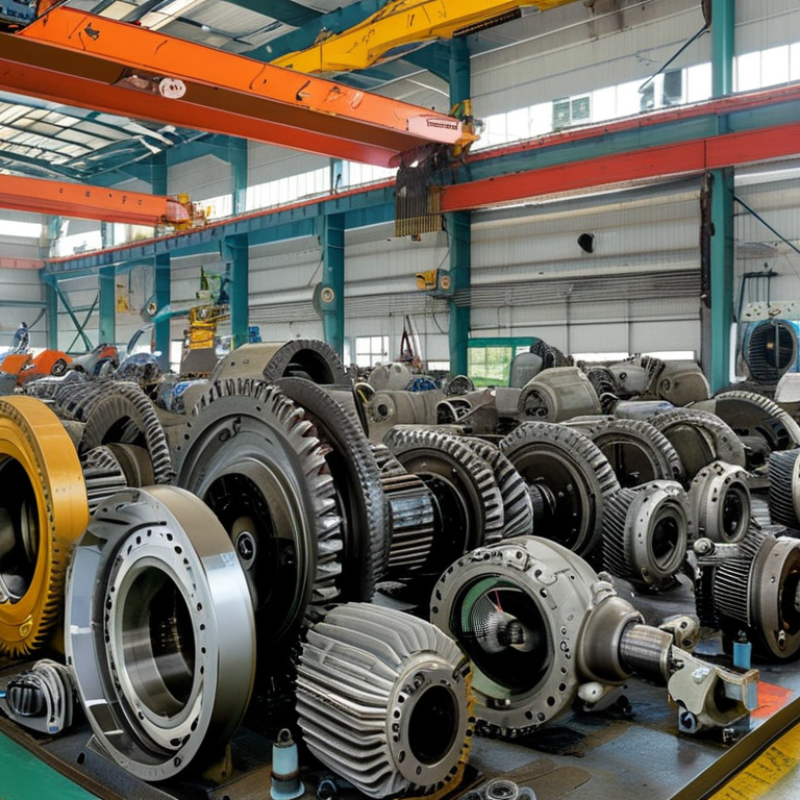
China offers a wide range of gearbox types that meet various industrial needs. The two most common types are spur gears and helical gears. Spur gears are popular due to their simple design and efficiency. They are suitable for high-speed applications and are often used in machinery. Helical gears, on the other hand, provide smoother operation. Their angled teeth help in reducing noise and vibrations. However, they can be more complex to manufacture, which may affect pricing and availability.
Another noteworthy gearbox type in China is the planetary gearbox. This design features multiple gears working in harmony, offering high torque and compact size. Planetary gearboxes are commonly found in robotics and automotive applications. While they are efficient, sourcing high-quality materials is crucial to avoid performance issues. Buyers need to be cautious about the suppliers’ reliability in maintaining quality standards.
Quality control is an ongoing challenge. Many manufacturers focus on cost, sometimes compromising on quality. Conducting thorough research on potential suppliers is essential. Buyers must evaluate their requirements and be prepared for some trial and error during the selection process. This approach helps in identifying the best options that align with specific operational expectations.
: The most common types are spur gears and helical gears. Spur gears are simple and efficient. Helical gears provide smoother operation with angled teeth.
Helical gears have angled teeth that require precise manufacturing. This complexity can lead to variations in pricing and availability.
Planetary gearboxes are utilized in robotics and automotive applications. They offer high torque in a compact size.
Quality control is crucial. Some manufacturers compromise on quality for cost, leading to potential performance issues.
Buyers should evaluate performance, reliability, cost, and supplier expertise. Understanding specific operational needs is important too.
Local suppliers may have shorter delivery times while international suppliers might offer lower prices. Each option has its own pros and cons.
Buyers should compare torque ratings, durability, and efficiency. Each gearbox serves unique applications, requiring accurate alignment with needs.
No, cheaper options may compromise performance and lead to frequent replacements. It is important to consider the long-term costs.
After-sales service is vital for ongoing support and operational continuity. Timely service can prevent future costs related to failures.
Buyers may encounter trial and error due to varying supplier reliability. Conducting thorough research helps in making informed choices.
China offers a diverse range of gearbox types that cater to various industrial needs, making it an appealing market for global buyers. Factors such as application requirements, environmental conditions, and performance specifications significantly influence the selection of gearboxes. Buyers should consider not only the compatibility of gearboxes with their systems but also the manufacturing standards and technological advancements of suppliers.
The landscape of gearbox manufacturing in China is bolstered by several reputable manufacturers, known for producing high-quality products at competitive prices. A comparison of performance metrics is essential for discerning buyers, as it highlights efficiency, durability, and cost-effectiveness. Furthermore, future trends indicate a shift towards more innovative technologies, including smarter gearboxes that integrate IoT capabilities. As the Chinese gearbox industry evolves, global buyers must stay informed about these developments to make optimal purchasing decisions.

 TorqPro Motor