In the evolving world of industrial applications, the importance of choosing the right valve cannot be overstated. As global buyers navigate this complex market, understanding valve options is essential. Different sectors, such as oil, gas, and water treatment, require specific functionalities. This need emphasizes the growing demand for reliable and efficient valve solutions.
Selecting a valve involves more than just price considerations. Buyers must evaluate compatibility, durability, and maintenance requirements. For instance, the choice between ball valves and gate valves can significantly impact operational efficiency. A well-chosen valve can streamline processes but a poor choice may lead to costly failures.
The landscape for valve procurement is changing. New technologies and materials are emerging, each presenting unique advantages and challenges. As buyers explore their options, they should balance innovation with proven reliability. Understanding these factors will empower buyers to make informed decisions that truly enhance their operational efficiency.
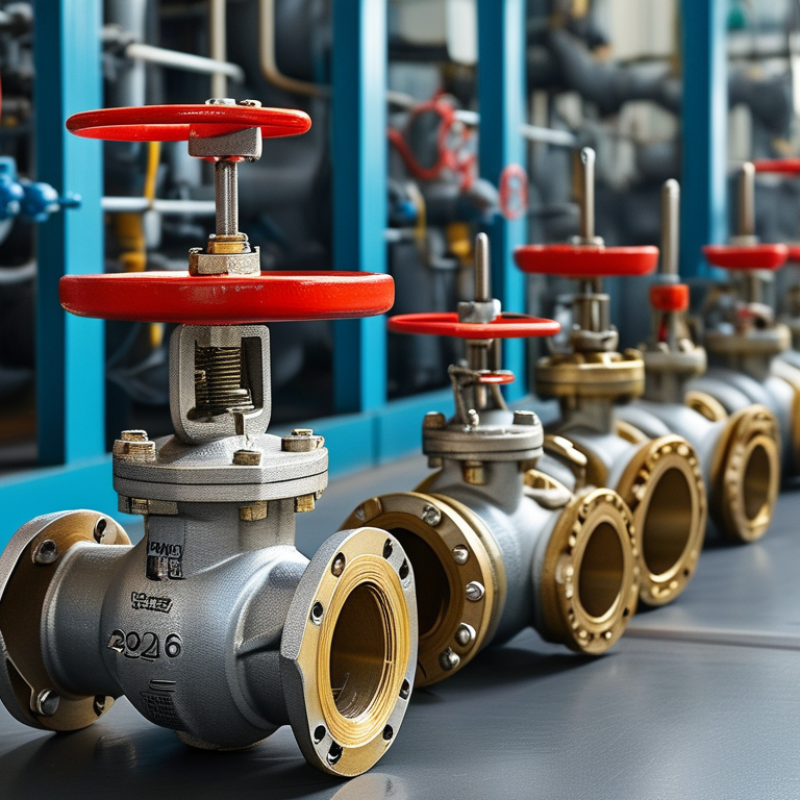
2026 Valve Market Overview: Key Trends and Growth Projections
The global valve market is experiencing significant growth, driven by various industrial applications. According to a recent study by Market Research Future, the valve market is projected to reach USD 92 billion by 2026, growing at a CAGR of 4.3%. This growth is influenced by the rising demand in sectors like oil and gas, water treatment, and power generation.
Key trends indicate a shift towards automation and smart technologies in valve systems. The integration of IoT into valve operations enhances efficiency and allows for remote monitoring. Data from Research And Markets highlights that nearly 25% of valve installations will incorporate smart technology by 2026. However, this transition poses challenges. Companies must invest in training and develop cybersecurity measures to protect their systems.
Additionally, sustainability has become a focal point in the industry. Eco-friendly materials and energy-efficient designs are gaining traction. A study by Grand View Research points out that the demand for sustainable valves will grow significantly, accounting for over 30% of the market by 2026. While these trends offer growth potential, companies must carefully evaluate their supply chains to ensure compliance with environmental regulations. Balancing innovation with sustainability remains a crucial yet complex task for industry leaders today.
Top Valve Types for Global Buyers: Benefits and Applications in 2026
In 2026, global buyers seeking optimal valve solutions should explore a variety of valve types tailored for different applications. Ball valves, for instance, offer a quick shut-off and are ideal for high-pressure environments. According to a recent industry report, the demand for ball valves is expected to grow at a CAGR of 4.5% from 2023 to 2028. This growth is attributed to their reliability and ease of operation.
Gate valves are another popular choice for fluid control, especially in oil and gas sectors. Their ability to minimize pressure drops makes them suitable for large pipeline systems. The 2023 Market Analysis indicates that gate valves will dominate the market, holding over 35% share in specific applications. However, buyers must remain cautious of their limitations, such as slow opening and closing times.
Moreover, check valves are critical for preventing backflow in piping systems. They are widely used in water treatment and chemical processes. Industry data suggests that the check valve market is on the rise, due to increased environmental regulations. The challenge is ensuring they function correctly, as they can malfunction if debris is present. This unpredictability highlights the need for regular maintenance and careful selection based on operational demands.
Leading Valve Manufacturers: Market Share and Competitive Landscape
The valve industry is highly competitive, with numerous manufacturers vying for market share. Key players showcase diverse product lines, each targeting unique applications. This competition drives innovation, pushing companies to improve performance and reliability. Buyers often weigh options based on materials, design, and intended use. Such decisions affect everything from manufacturing efficiency to safety in operations.
Market dynamics fluctuate based on regional demands and technological advancements. Many companies invest heavily in research and development. This pushes advancements in smart valve technologies. However, the rapid pace can lead to inconsistencies. Some products might not meet expectations, reflecting a gap between promise and performance. This leaves buyers grappling to find reliable options amid the noise.
Understanding the competitive landscape is vital for global buyers. It’s essential to consider not just the leading manufacturers but also emerging players. Many of these newcomers offer innovative solutions at competitive prices. Yet, their reliability might still be unproven. Buyers should assess long-term performance over immediate costs. Exploring case studies can offer insight into real-world applications and outcomes. It’s a complex journey, but informed choices can yield substantial benefits.
2026 Best Valve Options for Global Buyers to Consider
Sustainability in Valve Production: Innovations and Regulatory Standards
The valve industry is undergoing a significant transformation, focusing on sustainability.
Innovations are emerging in materials and manufacturing processes. Manufacturers are adopting eco-friendly practices to reduce their carbon footprint. This shift not only benefits the environment but also meets rising regulatory standards.
New materials such as recycled metals and biodegradable composites are gaining popularity. These materials reduce waste and energy consumption in production. As legislation becomes stricter, companies are pressured to adapt. Some struggle to comply with these regulations while maintaining profitability.
Investing in sustainable technology may require upfront costs. However, it's essential for the long-term viability of the valve market. Companies that embrace these changes can gain a competitive edge. Balancing cost, regulatory compliance, and sustainability is challenging, yet crucial for future growth.
Critical Factors for Selecting Valves: Material, Design, and Performance Metrics
When selecting valves, material choices play a crucial role. Common materials include stainless steel, brass, and plastic. Each offers distinct advantages. For instance, stainless steel is known for its durability and resistance to corrosion. Brass, on the other hand, is often more affordable and lightweight. Understanding the working environment is vital. Harsh conditions may demand more robust materials.
Design is another critical factor. Valves come in various styles, including globe, gate, and check valves. Each design serves unique applications. The intended purpose should guide your selection. For example, globe valves are ideal for throttling flow, while gate valves excel in on-off control. A mismatch in design can lead to inefficiencies and operational issues.
Performance metrics cannot be overlooked. Factors like pressure rating, flow coefficient, and temperature range directly impact functionality. Evaluating these metrics ensures the valve can withstand your specific demands. Sometimes, buyers overlook the importance of precise specifications. Ignoring minor details may result in costly mistakes in the long run. Understanding these elements is essential for informed decision-making in the global valve market.
FAQS
: The valve market is expected to reach USD 92 billion, growing at a CAGR of 4.3%.
The oil and gas, water treatment, and power generation sectors are key drivers.
Smart technology enhances efficiency and allows remote monitoring of valve operations.
Nearly 25% of valve installations will include smart technology by that year.
The industry is adopting eco-friendly materials and energy-efficient designs.
Gate valves have slow opening and closing times but are effective for large pipelines.
Check valves prevent backflow and are essential in water treatment processes.
Adapting to strict regulations while staying profitable is a significant challenge.
Embracing sustainable technology and practices can provide a competitive advantage.
Upfront costs can be high, but long-term benefits may justify the investment.
Conclusion
The article "2026 Best Valve Options for Global Buyers to Consider?" provides a comprehensive overview of the valve market, highlighting key trends and growth projections for the upcoming year. As industries evolve, the demand for various valve types is expected to diversify, emphasizing the benefits and applications they offer. The landscape of leading valve manufacturers is explored, showcasing their market share and competitive positioning, which will be crucial for buyers when making informed decisions.
Additionally, the article emphasizes sustainability in valve production, addressing innovations and regulatory standards shaping the industry. It outlines critical factors that buyers should consider, including material selection, design specifics, and performance metrics. This overview serves as a valuable guide for global buyers seeking to navigate the diverse valve options available in 2026, ensuring they make choices that align with both performance needs and sustainability goals.

 TorqPro Motor