In 2026, global buyers will evaluate Relay technology beyond simple switching capacity. They will compare lifecycle reliability, response speed, insulation performance, energy consumption, and supply continuity. A relay that performs well in a laboratory may struggle inside a hot control cabinet, a vibrating vehicle, or a dusty solar inverter.
Dr. Michael Pecht, a recognized reliability engineering authority, has stated, “Reliability must be designed in, not tested in later.” This principle is especially important when selecting electromechanical relays, solid-state relays, automotive relays, safety relays, and latching relays. Each type serves a different operating reality. Contact wear matters in factory automation. Heat dissipation matters in solid-state designs. Coil power matters in battery-powered equipment. Safety certification matters in machinery and energy systems.
The leading choices for 2026 will not be identical for every market. Buyers in Europe may prioritize documented compliance and traceability. Industrial customers in Asia may focus on high-cycle performance and compact installation. Renewable-energy projects may prefer relays that tolerate temperature swings and switching surges. These differences can change the final ranking.
This topic still has a weakness. “Top” does not always mean cheapest, smallest, or fastest. Purchasing teams sometimes compare only catalog prices, then discover hidden costs through failures, replacement labor, and delayed production. A practical evaluation needs test records, supplier history, application data, and realistic field conditions. The best Relay choice is the one that remains dependable after installation, not merely the one that looks impressive on paper.
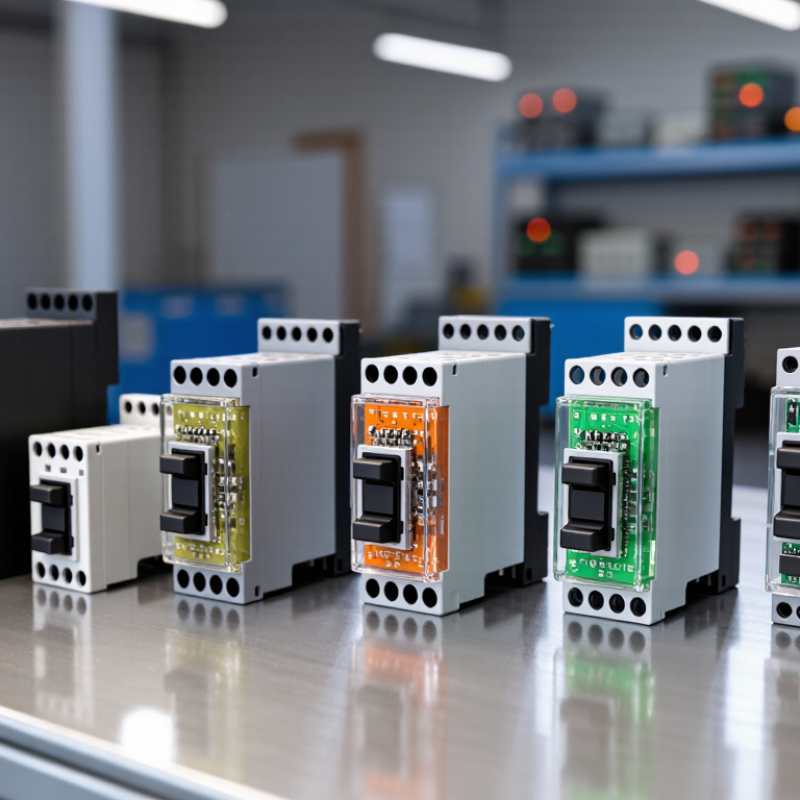
Relay Basics and Their Role in Global Electrical Systems
Relays are electrically controlled switches that help low-power signals operate larger circuits. A coil receives an input, creates a magnetic field, and changes the contact position. The coil moves. This simple action supports motor control, lighting, heating, alarms, and industrial automation.
Global electrical systems use several relay types for different operating conditions.
Electromechanical relays suit general switching and provide clear physical isolation. Solid-state relays switch quickly and quietly, with no moving contacts to wear out. Thermal overload relays protect motors from sustained excess current, while time-delay relays manage startup sequences and controlled shutdowns. Latching relays can retain their position without continuous coil power. Safety relays require carefully monitored contacts and fault detection.
For buyers in 2026, selection should begin with load current, switching frequency, coil voltage, insulation rating, and ambient temperature.
A relay rated for a resistive heater may fail early on an inductive motor.
Field inspections often find loose terminals, unsuitable surge suppression, or insufficient separation between circuits. Small details matter. Testing the relay under real load is more reliable than reading its label alone.
Noise matters. Solid-state devices can generate heat, while mechanical contacts may create electrical interference. No selection guide is perfect; installation quality, maintenance access, and local system standards still deserve careful review.
Key Relay Types Expected to Lead the 2026 Market
In 2026, global buyers are expected to favor relay types that balance efficiency, safety, and serviceability. Electromechanical relays will remain strong in control panels, HVAC systems, and industrial equipment. They handle moderate power loads and offer familiar maintenance procedures. However, contact wear and coil energy use can increase long-term operating costs.
Solid-state relays should gain attention in high-cycle applications. They switch quickly, operate quietly, and avoid mechanical contact erosion. Thermal management remains important, especially inside compact enclosures. That detail is often underestimated. Automotive and factory automation projects may also increase demand for latching relays, which reduce standby power through stable contact positions. Safety relays will remain important where emergency stops, guard doors, and redundant circuits require monitored switching. Reed relays fit low-current signal tasks, including test equipment and communication controls. Use cases differ sharply.
Experienced buyers usually compare load type, switching frequency, insulation ratings, response time, and expected service life. They also examine certification records and supply continuity across regions. A relay may look ideal on paper but fail under heat, vibration, or repeated surge conditions. Forecasts are imperfect. Cost pressure can also push teams toward cheaper parts, although replacement labor may erase the initial saving. Supplier documentation should include derating guidance, test conditions, and installation limits. The choice is practical.
How to Compare Relay Performance, Safety, and Control Features
What Are the 2026 Top Relay Types for Global Buyers?
How to Compare Relay Performance, Safety, and Control Features
Global buyers should compare relays by application, not appearance. Electromechanical relays suit simple switching and provide clear electrical isolation. Solid-state relays switch quietly and respond quickly, but they may generate heat. Hybrid relays can balance speed, durability, and energy use. The correct choice depends on load type, switching frequency, and installation space.
Check the datasheet carefully. Compare coil voltage, contact rating, switching time, electrical life, and operating temperature. Inductive loads, such as motors and solenoids, can create damaging voltage spikes. Look for arc suppression, surge protection, and suitable insulation distances. A relay rated for resistive loads may perform poorly with a motor. That mistake remains common.
Safety should include more than a high voltage rating. Review dielectric strength, creepage distance, fault behavior, and terminal protection. For automated equipment, control features also matter. Status indicators, manual override, diagnostic feedback, and PLC compatibility can simplify maintenance. Test the relay under real load conditions, including heat and repeated cycling. Laboratory results may not reflect a dusty control cabinet. I have seen specifications appear impressive until wiring resistance and enclosure temperature changed performance. Independent verification is valuable, but it cannot replace careful system testing.
Industry Applications Driving Global Relay Demand in 2026
What Are the 2026 Top Relay Types for Global Buyers?
Industry Applications Driving Global Relay Demand in 2026
Global relay demand is being shaped by practical industry needs, not catalog trends. Automotive systems increasingly require high-voltage relays for battery packs, charging equipment, and power distribution. These relays must manage heat, vibration, and repeated switching inside confined spaces. Solid-state relays also support quieter operation in electric vehicles and charging stations.
Industrial automation remains another strong application. Electromechanical relays handle motors, pumps, and control panels where clear mechanical isolation is valuable. Safety relays protect machine operators by monitoring emergency stops, door switches, and light curtains. Response time matters here. So does predictable maintenance.
Energy projects are creating different requirements. Solar inverters, battery storage cabinets, and grid equipment need relays that tolerate high current and frequent load changes. Latching relays can reduce standby power in smart meters and remote distribution units. Telecom facilities and data centers favor compact, reliable relays for backup power and thermal management. Small failures can interrupt critical systems.
Medical equipment, building controls, and rail systems are also influencing purchasing decisions. Buyers often evaluate contact material, insulation distance, coil power, switching life, and certification records. Price alone can mislead. A lower initial cost may bring faster contact wear or higher service labor. Even experienced teams sometimes overlook ambient humidity and installation altitude. That deserves a second review. Sample testing under real loads remains more reliable than relying on a datasheet.
Buying Considerations for International Relay Sourcing
What Are the 2026 Top Relay Types for Global Buyers?
Buying Considerations for International Relay Sourcing
Global buyers in 2026 will likely prioritize electromagnetic, solid-state, latching, reed, and safety relays. Each type solves a different control problem. Electromagnetic relays suit general switching and resistive loads. Solid-state relays offer silent operation and faster cycling. Latching relays reduce standby power. Reed relays fit compact signal circuits. Safety relays support monitored emergency functions.
Demand will remain closely tied to electrification. The International Energy Agency’s Electricity 2024 report forecasts average global electricity-demand growth of 3.3% from 2024 through 2026. Its Renewables 2024 report also expects nearly 5,500 gigawatts of renewable capacity additions by 2030. These figures suggest stronger demand for reliable switching components in panels, charging systems, factories, and grid equipment.
Selection should begin with the real load, not the catalog headline. Confirm coil voltage, contact material, inrush current, switching frequency, isolation distance, and expected mechanical life. Ask for test records and traceability. Check applicable IEC requirements, including IEC 61810 for electromechanical relays. A relay may pass a bench test yet fail at high altitude, heavy vibration, or cold storage. This is often missed. International buyers should also verify packaging, moisture protection, customs documents, and production continuity. A lower unit price can become expensive after redesigns, delays, or inconsistent batches. I would not trust a specification sheet alone. Independent sampling is still worth the time.
2026 Top Relay Types for Global Buyers
The chart compares representative continuous load-current benchmarks commonly used when screening relay technologies for international sourcing. Electromechanical power relays and solid-state relays generally support higher load levels, while reed and signal relays are designed for lower-current switching.
Values are typical application benchmarks rather than universal ratings. Final selection should verify voltage, switching frequency, electrical life, isolation, environmental requirements, safety certifications, and applicable IEC standards.
FAQS
Electromechanical, solid-state, latching, reed, and safety relays should remain important. Each type serves a different control task.
They suit control panels, heating and cooling systems, and industrial equipment. They handle moderate loads and offer familiar maintenance. Contact wear remains a concern.
They switch quickly, operate quietly, and avoid mechanical contact erosion. They fit high-cycle equipment. Heat management is essential inside small enclosures.
They keep their contact position without continuous coil power. This can reduce standby energy. Their value depends on the control design.
Reed relays fit low-current signal circuits, testing equipment, and communication controls. Their compact size helps in crowded panels. They are not universal.
Review insulation strength, creepage distance, fault behavior, and terminal protection. Emergency-stop systems may need monitored switching and redundant circuits. A high voltage rating alone is insufficient.
Test the relay with the real load, heat, vibration, and repeated switching. Motors can create damaging voltage spikes. A clean laboratory result may mislead.
Confirm voltage, contact material, inrush current, switching frequency, service life, and production continuity. Request test records and traceability. Check moisture protection and packaging.
Not always. Replacement labor, redesigns, delays, and inconsistent batches can erase the initial saving. Forecasts can be wrong. Independent sampling is still worthwhile.
Conclusion
As global electrical systems become more connected and automated, the Relay remains essential for switching, protection, isolation, and control. In 2026, leading relay types are expected to include electromechanical, solid-state, safety, time-delay, and intelligent relays, each serving different requirements for load management, response speed, durability, and system integration. Buyers should compare contact ratings, switching frequency, electrical isolation, operating temperature, response time, protection functions, communication capabilities, and expected service life to identify the right solution.
Demand will continue to grow across industrial automation, energy infrastructure, transportation, building management, renewable power, and equipment manufacturing. For international sourcing, purchasers should also evaluate certification compatibility, voltage and frequency requirements, environmental resistance, installation methods, supply stability, documentation quality, customization options, warranty terms, and total ownership cost. A well-planned selection process can improve operational reliability, strengthen safety, and support efficient control in diverse global applications.

 TorqPro Motor